
In brief: Industrial style works with clean lines, robust materials and deliberately chosen contrasts. Combine metal, wood, concrete-effect finishes and leather with warm lighting and a few distinctive pieces of furniture. A well-planned layout, open shelving and textile accents bring loft design to the living room, kitchen, hallway or home office without making the space feel cold.
Industrial-Style Interior Design
Industrial style brings the character of old factories into modern homes. Black metal, distinctive wood, concrete-effect finishes and exposed structures define the look. To keep the interior from feeling cold or unfinished, you need clear proportions, warm lighting and carefully selected home accessories.
A good industrial-style interior does not follow a rigid catalogue. It combines robust surfaces with comfortable furniture and leaves enough open space. The result is a room that looks like a loft and works well in everyday life.
What defines industrial style?
Industrial style is inspired by former factories, workshops and warehouses. High ceilings, large windows, exposed pipes and durable materials create the architectural backdrop. In a standard home, individual elements can achieve a similar effect: a black steel shelving unit, a solid wood tabletop or a concrete-effect wall.
Which materials belong in an industrial-style interior?
Metal provides the framework. Use it for table frames, shelving, lighting, handles and frames. Black, anthracite or dark grey create a particularly clean look. Rust-coloured surfaces and brushed metal add accents, but should be used sparingly.
Wood provides the necessary contrast. Oak, reclaimed wood and walnut show off their grain and create a warm connection between metal and textiles. Concrete-effect finishes work well on a single wall, a worktop or smaller accessories. Real exposed concrete is not necessary if the surface has a convincing texture.
- Metal: for frames, lights, table legs and open shelving
- Wood: for tabletops, cupboard fronts and wall surfaces
- Concrete-effect finishes: for feature walls, floors and small areas
- Leather and heavy fabrics: for sofas, armchairs, cushions and benches
- Glass: for doors, tabletops and lightweight room dividers
Which colours create a modern look?
The base palette consists of grey, black, brown, beige and off-white. Do not paint every room dark. A light wall makes the room look larger and highlights black furniture. Rust red, olive green or teal work well as individual accent colours on cushions, pictures or ceramics.
Expert tip
Choose one key material first and repeat it in three places. If a black metal frame sets the tone, echo the colour in a light, a picture frame and a shelving unit. Repetition brings different pieces of furniture together into a cohesive overall look.
Industrial style thrives on contrasts. Smooth surfaces meet rough textures, heavy furniture meets open areas, and dark frames stand out against light walls. What matters is not the number of materials, but how often they are repeated and how they relate to one another.
How do you plan a loft-style room?
Start with the floor plan. Measure wall lengths, windows, doors and radiators. Then mark the walking routes. Leave enough space between the seating area, dining table and cupboard so the room remains open despite having large pieces of furniture.
Loft design works particularly well with clearly defined zones. Do not automatically divide an open-plan room with tall cupboards. A rug, light, shelving unit or the position of the sofa is often enough to separate living, dining and working areas.
How can you keep an open-plan layout practical?
- Position the sofa so that it divides the room without blocking the walkway.
- Place the dining table near the kitchen and leave enough room to move around it.
- Use open shelving as lightweight room dividers when you want to combine storage with structure.
- Plan sockets for lights, a workspace and entertainment electronics before arranging the furniture.
- Keep at least one larger area clear so the interior does not look cluttered.
A flexible side table supports an open-plan layout.
, the black and brown side table on wheels can be moved next to the sofa, armchair or desk. This keeps the space flexible when you have guests or rearrange the room.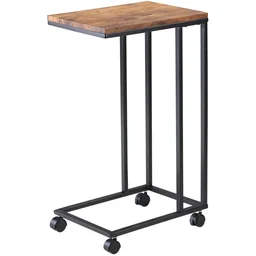
For heavy shelving units or workshop furniture, furniture dollies can make rearranging easier. Check the weight before moving anything, secure the drawers and protect delicate floors with a suitable protective mat.
„A house is a machine for living in.“
Le Corbusier's statement describes an important principle of modern living: every piece of furniture should serve a purpose. A shelving unit should not only have a distinctive appearance, but also hold books, crockery or work materials in a practical way. A table needs the right height and enough room to move around it. Function is what makes the look convincing in the long term.
How can you make use of ceiling height and windows?
High-ceilinged rooms can accommodate tall furniture. A shelving unit reaching almost to the ceiling draws the eye upwards and uses the space efficiently. In low-ceilinged rooms, choose open structures and low sideboards. Keep large windows clear. Dark curtains on a continuous track can otherwise make the room feel unnecessarily heavy.
Which furniture suits industrial-style interiors?
In industrial-style interiors, a few statement pieces take centre stage. A low sofa, a sturdy table, an open shelving unit and a movable side table are often all you need for the living room. Choose pieces with clean silhouettes and check their dimensions before buying. Large furniture only feels spacious if it does not block every pathway.
Which seating suits the style?
Leather in cognac, brown or black reinforces the workshop aesthetic. Fabric sofas in grey, sand or olive green create a softer look and work well with a concrete-effect finish. A model with a low seat height emphasises the loft character. Complement the sofa with a leather armchair or a stool made of wood and metal.
Avoid an entirely dark seating arrangement. A light-coloured cushion, a chunky wool rug and a linen throw soften the austere effect. Keep the colour tones consistent, but feel free to mix different textures.
How do you choose tables and shelving?
A side table on castors combines practicality with an industrial look. It fits beside a sofa or reading chair and provides additional storage space. A larger tabletop is suitable as a mobile station for books, drinks or plants.
For a brighter room concept, consider
, a white and brown side table on wheels. The light tabletop softens dark metal frames and works particularly well in rooms with white walls or large windows.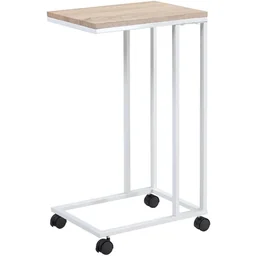
An open shelving unit adds height and displays books, ceramics and selected plants.
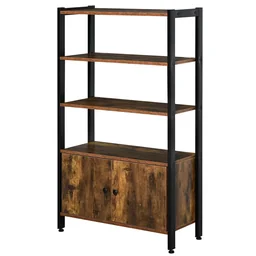
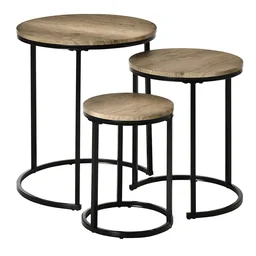
A nesting table set offers additional flexibility.
Important note
Black metal only looks elegant when used in moderation. Do not choose a black frame for every piece of furniture. Two or three recurring elements per room are enough. For shelving units, also check the load capacity and securely anchor tall furniture to the wall.
How do you create storage without clutter?
Use a mix of open and closed storage. Open shelving is suitable for items you use every day or deliberately want to display. Closed cabinets store cables, paperwork, crockery and small items. Seagrass baskets, felt boxes or metal containers keep open compartments organised.
In business supplies, you can find functional solutions that fit into an industrial concept. Stick to a limited colour scheme. Black, grey or galvanised-effect metal boxes look more cohesive together than a variety of different plastic colours.
How do you use lighting and decoration effectively?
Lighting determines whether Industrial Style feels inviting or cold. Plan three layers: ambient lighting for the entire room, task lighting for the table and kitchen, and accent lighting for pictures, shelves and plants. Metal pendant lights work well above dining tables and kitchen islands. Wall lights or floor lamps illuminate dark corners.
What light colour suits Industrial Style?
Warm white light between approximately 2700 and 3000 Kelvin makes wood, leather and rust tones feel more inviting. Neutral white light is suitable for work areas, but should not dominate living spaces. Dimmers give you control over the atmosphere. A single very bright ceiling light is rarely enough for a large room.
Do not install lights only in the centre of the room. A pendant light above the dining table, a reading lamp beside the sofa and a small light on the shelf create depth. Black cables can enhance the style if they are neatly routed rather than randomly draped across walls.
What decoration suits loft design?
Choose a few large pieces instead of lots of small objects. A graphic print, an old advertising sign, a large clock or a mirror with a metal frame creates a clear focal point. Plants add colour and organic shapes to the clean-lined interior. Large houseplants are ideal for empty corners, while small plants work well on shelves.
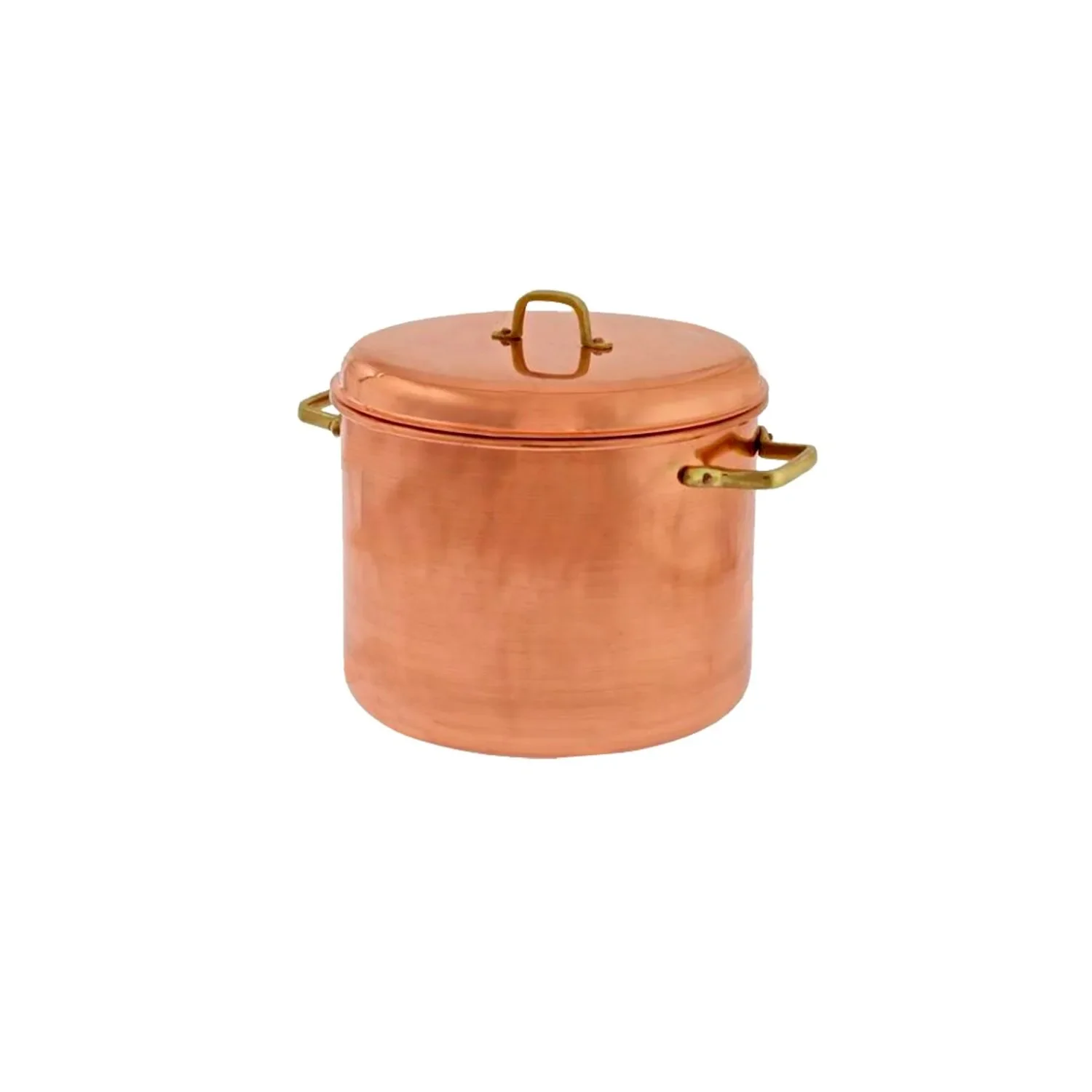
In the kitchen, copper and brass create a warm metallic contrast with steel and concrete finishes.
, the hammered copper pot with handles, can be displayed on an open shelf or a sturdy kitchen rail. For smaller kitchens, , the 24 cm copper pot with handles is a good choice. Use the pots as functional kitchen objects, not merely as decoration.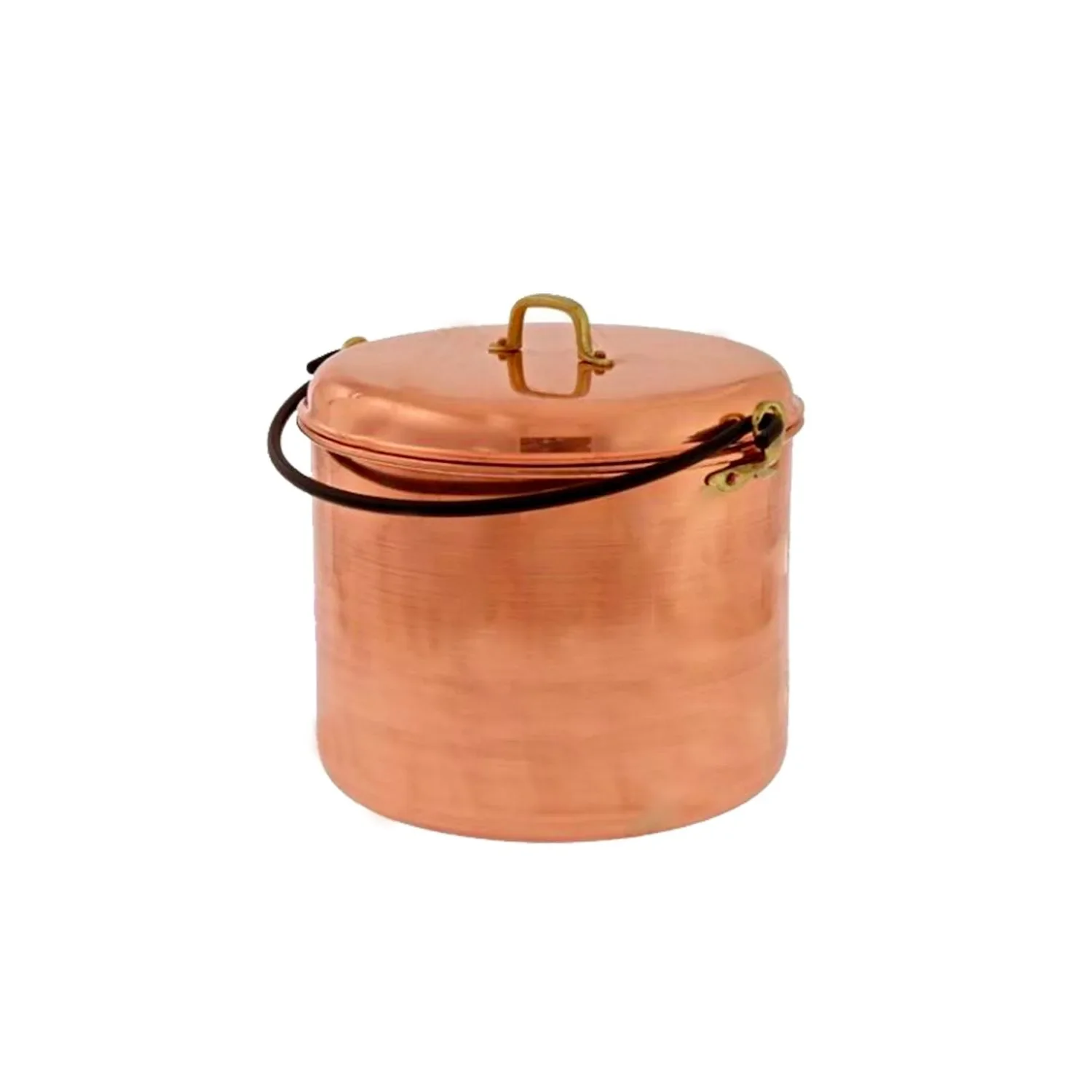
Textiles should be hard-wearing yet comfortable. A low-pile rug defines the seating area. Linen, cotton and chunky wool work better than shiny synthetics. For curtains, natural tones, grey or muted green work well. Cushions can feature different fabrics, but should share at least one colour.
Additional advice
Photograph the room from several angles after furnishing it. Images make it easier to spot whether a corner feels too crowded or a material colour is missing. Then remove every third decorative object and return only those that serve a purpose or visibly improve the room.
You can continue the style outdoors, too. Metal furniture, dark planters and warm wood surfaces work well on balconies, patios or covered seating areas. A selection for garden and outdoor helps you create a consistent transition between the interior and exterior. Choose weather-resistant surfaces and protect textiles from moisture.
Why does Industrial Style need warm contrasts?
Metal, concrete and dark colours give Industrial Style its distinctive strength. Without a counterbalance, however, the atmosphere can quickly feel harsh and impersonal. Wood, leather, textiles, plants and a well-planned lighting scheme add warmth. These elements do not change how the furnishings function, but they significantly improve the room's comfort and appeal.
How do you create the look in the living room?
Start with a clear focal point, such as a brown leather sofa or a large wooden table. Add a black shelving unit and a beige or grey rug. One concrete-effect wall is enough. If all the walls, floors and furniture are dark, the room loses its depth.
How does Industrial Style work in the kitchen?
Open shelves, black handles, wooden fronts and metal lights create the desired workshop feel. Keep only frequently used items on display. Closed cupboard fronts keep the kitchen looking calm and uncluttered. Copper pots, natural-coloured ceramics and a wooden chopping board add warm accents without disrupting the clean lines.
How do you set up an Industrial home office?
A sturdy desk with a wooden top and metal frame provides the foundation. Position the workspace as close to a window as possible and add a directional desk lamp. An open shelf holds books, while closed compartments hide paperwork and technology. A leather or fabric office chair provides comfort for long days.
Which mistakes should you avoid?
- Too many dark surfaces: Balance black furniture with light walls and textiles.
- Decoration for its own sake: Choose objects you use or deliberately display.
- Inappropriate proportions: A small shelf next to an oversized sofa will look out of place.
- Mixing materials without repetition: Repeat wood, metal and one accent colour throughout the room.
- Insufficient lighting: Distribute several light sources at different heights.
- Too little storage: Combine open shelving with closed cupboards.
„Form follows function, that has been misunderstood. Form and function should be one, joined in a spiritual union.“
Frank Lloyd Wright's statement suits modern Industrial Style: The striking form must never hinder usability. A table must stand firmly, a shelf must remain accessible and a light must illuminate the right area. When design and everyday life work together, the interior feels natural rather than staged.
Finally, check your concept with four questions: Are the walkways clear? Are the key materials repeated? Is there enough warm light? Does every large piece of furniture have a clear purpose? If you can answer these questions, you will create a modern Industrial Style with the character of a loft and the comfort of a real home.
Find more interior design ideas and practical products in the shop. Choose the large pieces of furniture first, followed by lighting and textiles. This is how you build your industrial furniture interior step by step without overcrowding the room with individual pieces.
Frequently asked questions
- Which colours work well with industrial style?
- Anthracite, black, grey, rust, brown and off-white all work well with industrial style. Use dark tones for metal and frames, and warm shades of brown for wood and leather. Light walls or individual cream-coloured textiles keep the room feeling open. Muted green adds a natural accent.
- How can I make industrial-style interiors feel cosy?
- Textiles and warm lighting soften the rawness of industrial style. Place a wool rug under the seating area, choose linen or cotton curtains, and combine leather with soft cushions. Plants, wooden surfaces and personal pictures add depth without taking away from the clean lines.
- What furniture works well with industrial style?
- Furniture with metal frames, visible joints, weathered wood or clear geometric shapes is ideal. An open shelving unit, a low coffee table, a leather sofa and a wheeled side table provide a functional foundation. Use just a few large pieces in each room and keep walkways clear.
- How do I combine metal and wood in a loft-style interior?
- Start with one dominant material and add the second selectively. A black metal shelving unit works well with a top made from oak, walnut or reclaimed wood. Repeat both materials in at least two places, such as on the table, light fixture and picture frames. This makes the combination feel intentional.
- Does industrial style work in small spaces?
- Yes. Choose slim furniture, open shelving and light-coloured walls. A wheeled side table offers flexibility, while one large piece of furniture with closed storage reduces visual clutter. Limit dark surfaces to individual frames, light fixtures or an accent wall. Good lighting keeps the room looking spacious.
You may also be interested in
- Build your own industrial-style shelf: step-by-step guide
- Creative interior design ideas for your home
- DIY: Create your own industrial-style mirror – a guide with professional tips
- How can I furnish an apartment stylishly and functionally?
- Which interior design style suits you? Find out!
- Renovating made easy: your path to a modern apartment