
In brief: Insulating pipes in winter is essential to prevent frost damage. Water expands when it freezes and can cause pipes to burst. Insulation protects against freezing, reduces heating bills by minimizing heat loss and prevents condensation. It is an affordable precaution against costly repairs.
The first frost is on its way. While you make yourself comfortable indoors, a hidden danger awaits in unheated basements, garages and attics: uninsulated water and heating pipes. Freezing temperatures turn the water in the pipes into ice, which expands and can burst even sturdy metal pipes. The result is costly water damage and a heating system out of action. But you can protect your home with a simple, affordable measure: insulating your pipes.
This precaution is easy to take. It requires only a few materials and a little time. The effect is noticeable immediately. You not only protect your pipes from frost, but also reduce your energy costs because less heat is lost on the way from the boiler to the radiator. Winterize your heating system and start the cold season without a worry.
Table of contents
- The simple solution: insulation sleeves for cold protection
- Why is leaving heating pipes uninsulated so dangerous?
- How do I know which pipes need insulation?
- How do I insulate my pipes correctly? A guide
- More than frost protection: Further benefits of pipe insulation
- What should I do if a pipe has already frozen?
The simple solution: insulation sleeves for cold protection
The most effective and easiest way to provide cold protection for your pipes is to use precisely fitting insulation sleeves. This insulation is specially designed to minimize heat loss and prevent water from freezing. It is the first line of defense for your home's plumbing and heating systems against winter.
A perfect example of this type of solution is the : CLIMAFLEX® 2m insulation sleeve. With an inside diameter of 28 mm and an insulation thickness of 20 mm, it fits common heating pipes. The polyethylene foam material offers excellent insulating properties. Thanks to its practical slit design, the sleeve can easily be fitted over pipes that are already installed. The self-adhesive seam provides a quick, airtight seal. This makes pipe insulation easy even without DIY experience.
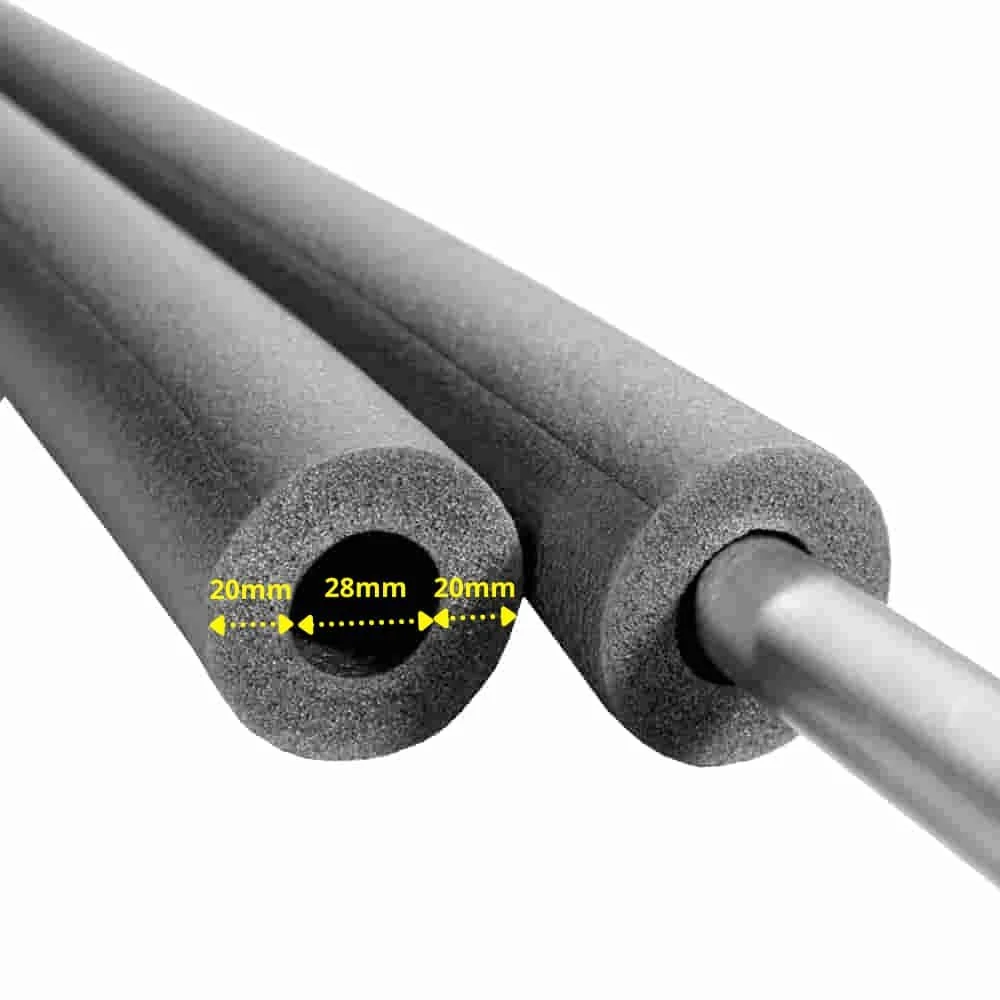
Professional insulation can reduce heat loss from heating pipes in unheated rooms by up to 80%. It is one of the most cost-effective energy-saving measures available.
Why is leaving heating pipes uninsulated so dangerous?
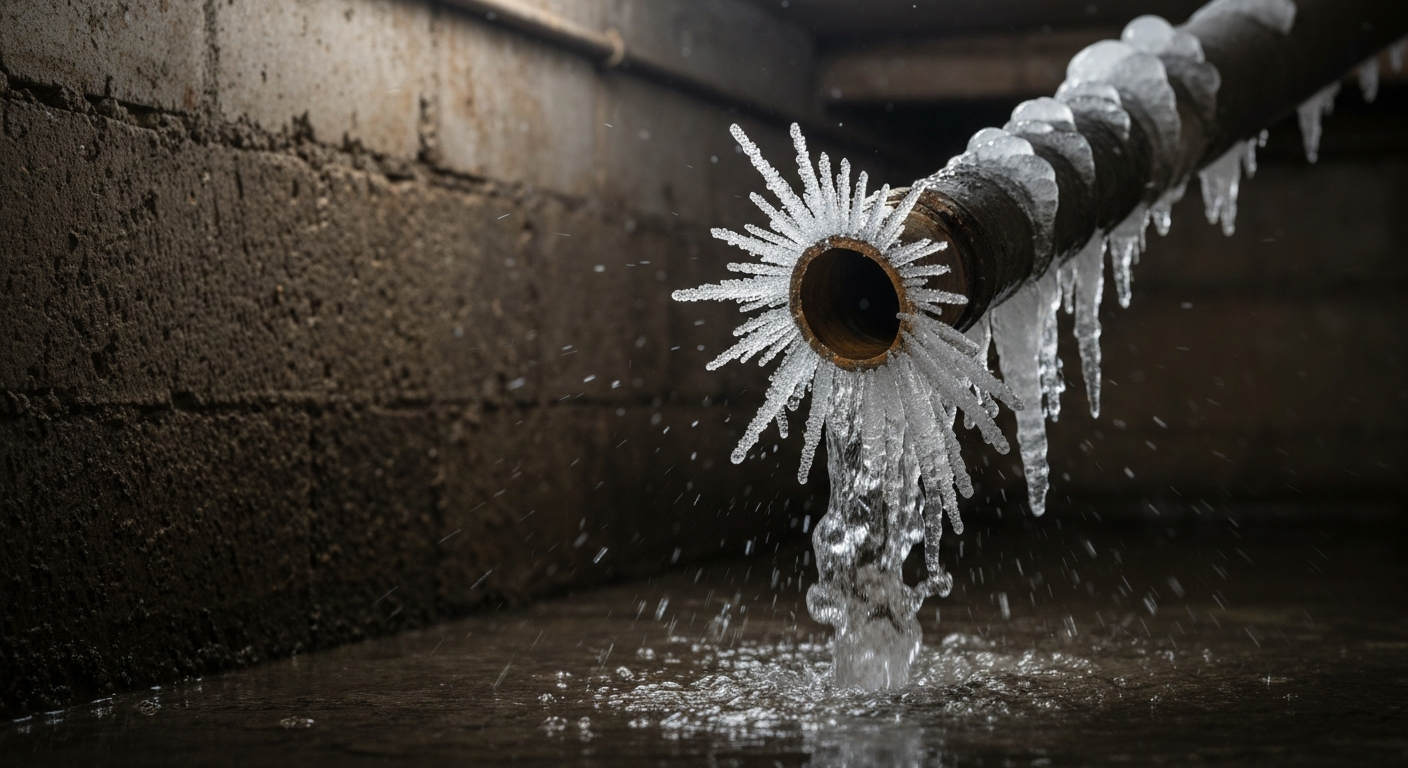
Water has a special physical property: it expands by about nine percent when it freezes. This expansion creates enormous pressure inside a pipe. A copper or steel pipe that cannot withstand this pressure first develops tiny hairline cracks and eventually bursts.
You often do not notice a burst pipe until the ice thaws. The water then flows freely from the pipe, causing extensive damage to masonry, ceilings and belongings. Repairs are not only time-consuming and expensive, but also carry the risk of long-term mold growth. Protecting heating pipes from frost is therefore not optional, but essential for protecting your property.
How do I know which pipes need insulation?
First, identify all pipes that run through unheated or rarely heated areas of your home. These are at the greatest risk. Work systematically and check the following areas:
- Basement: Heating pipes running from the boiler to the risers, as well as cold and hot water pipes, are often unprotected here.
- Attic: Pipes leading to radiators on the top floor can freeze if the roof insulation is poor.
- Garage: Water connections or heating pipes in attached or detached garages are especially vulnerable to frost.
- Exterior walls: Pipes installed in poorly insulated exterior walls also need reliable protection.
Insulate both hot and cold water pipes. With hot water pipes, you save energy directly. With cold water pipes, you not only prevent freezing, but also condensation in summer, which can lead to corrosion and moisture damage.
Important note
Germany's Building Energy Act (GEG) requires hot water pipes in unheated rooms to be insulated. Check your local regulations. Professional insulation not only protects against frost, but also helps you meet legal requirements and avoid fines.
How Do I Insulate My Pipes Properly? A Guide
Installing pipe insulation sleeves is quick and easy. With the right preparation and tools, you can protect your pipes in just a few steps.
Preparation: Materials and Tools
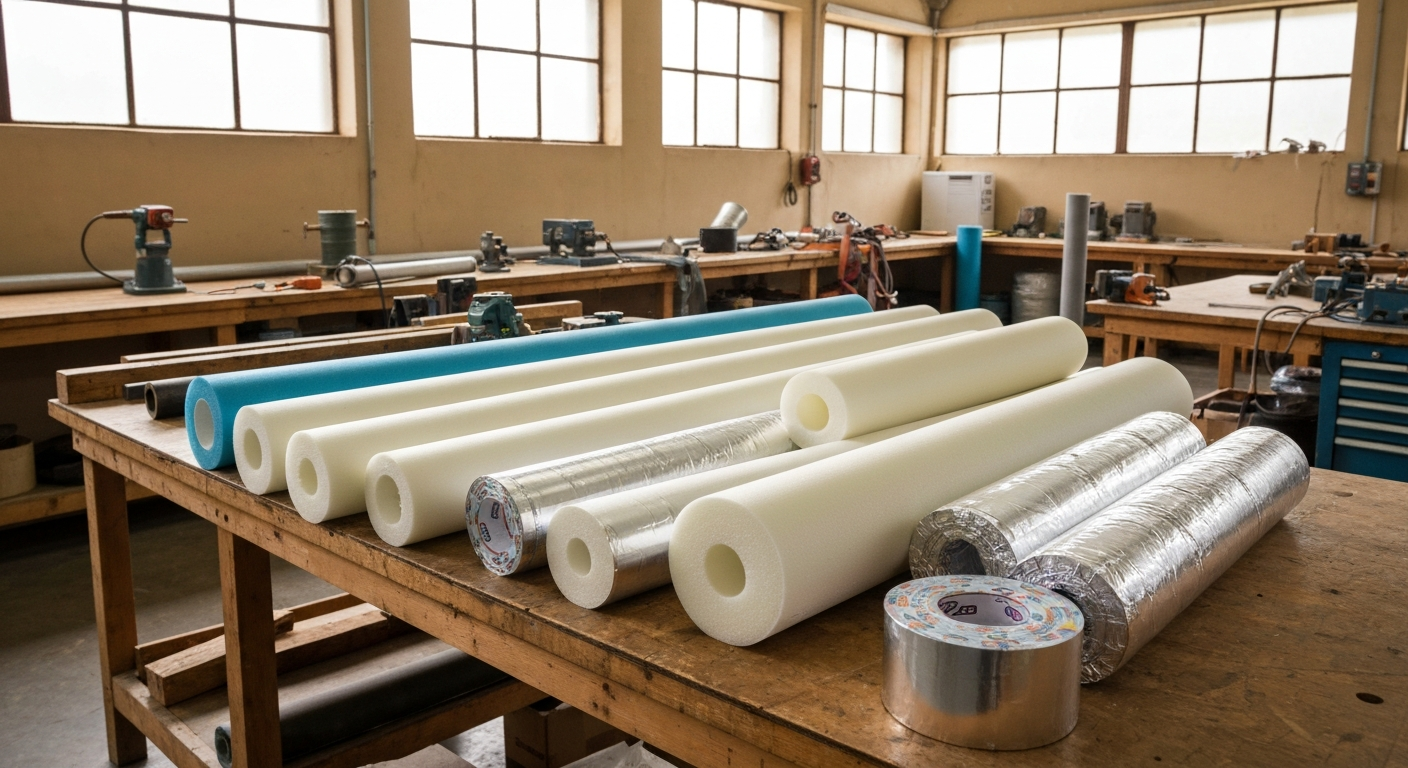
Have everything you need ready. You will need:
- Enough insulation sleeves, such as the : CLIMAFLEX® insulation sleeve
- A sharp utility knife or insulation scissors
- A folding rule or tape measure
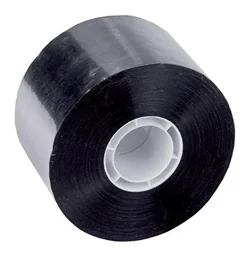
- Specialist tape, such as the : aluminum adhesive tape to seal joints and ends airtight
- A cloth for cleaning the pipes
Step 1: Clean and Measure the Pipes
The surface of the pipes must be clean, dry, and free of grease. Thoroughly wipe off any dust and dirt. Then measure the outside diameter of the pipe to choose the correct size of insulation sleeve. Also measure the total length of all pipe sections to be insulated to determine how much material you need.
Step 2: Cut and Install the Insulation
Use the utility knife to cut the insulation sleeves to the required length. Mitre cuts are needed for bends and T-joints. To do this, cut the ends of two pieces at a 45-degree angle so they meet precisely at the bend. Open the sleeve along the pre-slit seam, fit it over the pipe, and press the self-adhesive seam firmly together.
Pro Tip
For clean 45-degree cuts at corners and branch connections, you can use a mitre box. This guarantees perfect transitions without gaps through which valuable heat could escape. Mark the cutting line beforehand to work precisely.
Step 3: Carefully Tape the Joints and Ends
Seamless protection is essential. Every gap in the insulation creates a thermal bridge. Carefully tape all joints between two insulation sleeves, as well as the cuts at bends and branch connections, with the : aluminum adhesive tape. The tape provides a vapor-tight, stable connection and maximizes the insulating effect.
More Than Frost Protection: Other Benefits of Pipe Insulation
Good insulation for your pipes offers far more than protection against the cold. You are investing in the efficiency and longevity of your entire home heating system.
The most important additional benefit is energy savings. Uninsulated heating pipes in a cold basement heat the surrounding air. This energy is wasted and does not reach the radiators. With insulation, the water arrives at its destination hotter, the heating system has to work less, and you save money. At the same time, insulation prevents condensation from forming on cold-water pipes. This protects the pipes from corrosion and the building structure from moisture damage. Another advantage is sound insulation. The insulation reduces flow noise and vibrations in the pipes.
Prevention is always cheaper than repair. A small investment in pipe insulation can prevent damage costing thousands of euros.
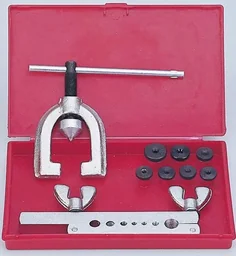
If you are planning larger work on your pipes, you may need specialist tools. For example, a : flaring tool is essential for creating watertight, professional connections in copper or light-alloy pipes. Browse our shop for more accessories.
What Should You Do If a Pipe Has Already Frozen?
Sometimes the frost arrives sooner than expected. If no water comes out of a faucet or you discover ice on a pipe, act quickly. A frozen pipe is not necessarily a burst pipe yet, but the risk is high.
1. Turn off the main water supply: This is the most important first step. It prevents flooding if the pipe already has a crack and bursts when it thaws.
2. Open the affected faucet: Open the faucet supplied by the frozen pipe. This allows pressure to escape as the ice begins to melt.
3. Warm the pipe slowly: Thaw the pipe carefully. Start at the open faucet and slowly work your way toward the blocked section. Use a hair dryer on a low setting, heating pads, or towels soaked in hot water. Never use an open flame, blowtorch, or heat gun. The extreme heat can cause the pipe to burst and create a fire hazard.
Additional Advice
Insulation is worthwhile even after a mild winter. Use the spring to inspect all your pipes and add insulation where needed. The energy savings pay off all year round. A well-insulated system is an efficient system.
Insulating your pipes is a small task with a major impact. You protect your home from catastrophic water damage, comply with legal requirements, save on heating costs, and improve comfort. Set aside an afternoon to winter-proof your home. It is one of the smartest investments you can make.
Frequently Asked Questions
- Which pipes need to be insulated in winter?
- Pipes in unheated areas such as basements, attics, garages or along exterior walls are particularly at risk. Both cold-water and hot-water pipes should be insulated to prevent frost damage, energy loss and condensation.
- How thick should pipe insulation be?
- The insulation thickness depends on the pipe diameter and its location. As a general rule under the German Building Energy Act (GEG), the insulation should be 100% of the pipe diameter. For heating pipes in unheated rooms, 20 mm of insulation is often a good and compliant choice.
- Can I insulate pipes myself?
- Yes, it is very easy with the right materials. Pre-slit foam insulation tubes can be easily cut to size and fitted over the pipes. Then carefully seal the seams and joints with special insulation tape for complete protection.
- How much can insulating heating pipes save?
- The energy savings can be substantial. Uninsulated pipes in cool basements act like small radiators and constantly release heat. Insulating them can reduce this heat loss by up to 80%, noticeably lowering your heating costs and improving the efficiency of the entire system.
- What should I do if a pipe has already frozen?
- Turn off the main water supply immediately to prevent flooding if the pipe bursts. Open the affected faucet. Warm the pipe slowly and carefully with a hair dryer, heating pads or towels soaked in warm water. Never use an open flame.
You may also be interested in
- Winterize Your Pipes: How to Protect Your Home from Frost Damage
- Lower Heating Costs: Insulate Pipes Yourself for Greater Efficiency
- Installing CLIMAFLEX® Pipe Insulation: How to Properly Insulate Heating Pipes
- Check Your Pipe Insulation: How to Spot Damage and Save Energy
- Seal Drafty Gaps Before Winter: How to Protect Your Home from Frost
- CLIMAFLEX® vs. XPS/PE: The Ultimate Comparison of Pipe Insulation