
In brief: Mineral wool, consisting of fiberglass or rock wool, is an excellent choice for insulating your home. It provides outstanding thermal protection, improves sound insulation and is non-combustible (fire rating A1). With the right preparation and technique, you can insulate your home yourself and significantly reduce heating costs in the long term.
Table of contents
- Why is mineral wool a good choice for home insulation?
- How do you insulate your home properly with mineral wool? A step-by-step guide
- Which common mistakes should you avoid when installing mineral wool insulation?
- How much does mineral wool insulation cost?
- Proper disposal: What should you do with mineral wool waste?
Rising energy prices are putting pressure on household budgets. Effective insulation lowers your heating costs in winter and keeps your home pleasantly cool in summer. If you want to insulate your home yourself, mineral wool is an excellent choice. This insulation material is proven, versatile and offers excellent value for money.
Mineral wool insulation, known as fiberglass or rock wool, protects not only against cold and heat. It improves sound insulation and makes a significant contribution to fire safety. With the right planning and installation, you can transform your home into an energy-efficient and comfortable retreat.
Why is mineral wool a good choice for home insulation?
Mineral wool has been a standard on construction sites for decades. Its popularity is due to a combination of efficiency, safety and affordability. It is made from mineral raw materials that are melted and spun into fine fibers. The air trapped between the fibers provides its excellent insulating performance.
The benefits in detail: thermal, sound and fire protection
Mineral wool's low thermal conductivity keeps heat where it belongs: indoors in winter and outdoors in summer. This reduces the energy required by your heating and air conditioning systems. At the same time, its open-pore fiber structure absorbs sound waves and creates a quieter living environment by reducing noise from outside and adjoining rooms.
A key advantage is fire protection. Mineral wool is non-combustible and belongs to the highest European building materials class, A1. It only melts at temperatures above 1,000 °C. In the event of a fire, it does not release toxic gases and helps prevent the spread of fire. This makes an active contribution to the safety of your home.
Mineral wool, meaning fiberglass or rock wool, is non-combustible and classified as European building materials class A1. It only melts at temperatures above 1,000 °C and actively contributes to preventive fire protection.
Fiberglass vs. rock wool: What is the difference?
Although both belong to the mineral wool family, there are subtle differences. Fiberglass is made primarily from recycled glass and sand. It is lightweight, elastic and very flexible, making it ideal for insulating roofs or timber-frame walls. Its long fibers allow it to be highly compressed for transport.
Rock wool is made from types of rock such as basalt or diabase. It has a higher density, making it more rigid and pressure-resistant. This makes it the first choice for applications requiring greater mechanical strength, such as flat roofs or facade insulation systems. Its higher density also provides marginally better sound insulation.
How do you insulate your home properly with mineral wool? A step-by-step guide
One of the most common DIY applications is insulating between the rafters in an attic. With careful preparation, you can successfully complete this task yourself and save considerable contractor costs.
Preparation is everything: tools, materials and safety
Before you begin, gather all the necessary materials and tools. You will need insulation material in the appropriate thickness, a vapor barrier film, special tape for the film, a long insulation knife or sturdy scissors such as the
, a tape measure and a long, straight batten to use as a cutting guide.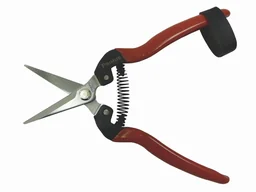
Your personal safety is the top priority. Although modern mineral fibers are biodegradable, dust and fibers can irritate the skin, eyes and respiratory tract. Be sure to wear long-sleeved clothing, sturdy gloves, safety goggles and a respirator mask (at least FFP2). You can find everything you need for personal protection in our Workwear & Safety category.
Important note
Old mineral wool manufactured before 2000 may be classified as carcinogenic. Take particular care when renovating older buildings. Find out about the applicable regulations and consult a professional if you are unsure.
Insulating the roof: DIY insulation between the rafters
The first step is to measure accurately. Measure the distance between the roof rafters at several points. Then cut the insulation boards or rolls approximately 1-2 cm wider than the measured clear width. This extra width ensures that the material is held firmly between the rafters and prevents gaps from forming.
Pro tip
Place the insulation on a firm surface for cutting. Press a long wooden batten or straightedge firmly onto the mat and guide the insulation knife along the edge. This gives you clean, straight cuts for seamless insulation.
Carefully wedge the cut pieces of insulation between the rafters without compressing them. Work from the bottom upward and make sure no cavities remain. When installing multiple layers of insulation, always stagger the joints to prevent thermal bridges.
Once the entire area has been insulated, the most important step follows: installing the vapor barrier film. It is fitted on the warm, room-facing side of the insulation and stapled to the rafters. The film prevents humid indoor air from entering the insulation and condensing there, which could lead to mold and structural damage. Seal all overlaps and connections to walls, chimneys or windows completely airtight using the designated system adhesive tape.
Insulating walls and ceilings: drywall and furring walls
The same insulation principle can also be applied to interior walls or basement ceilings. Here, you build a substructure from wooden battens or metal profiles. You then fill the cavities of this so-called furring wall precisely with mineral wool. Here too, a vapor barrier film closes off the construction on the warm side before you cover the wall with drywall panels.
What common mistakes should you avoid when installing mineral fibre insulation?
Careful workmanship is crucial for success. Avoid these common mistakes to ensure your insulation delivers its full performance.
- Inaccurate cutting: Pieces that are too small create joints and gaps. Valuable heating energy escapes through these thermal bridges, causing insulation performance to drop dramatically.
- Missing or leaky vapour barrier: This is the most serious mistake. Penetrating moisture soaks the insulation, renders it ineffective and inevitably leads to mould growth and serious damage to the building structure.
- Neglecting work safety: Anyone who skips protective clothing risks severe itching and respiratory irritation. Suitable head protection and the right equipment are not optional but essential.
- Compressing the insulation: Insulation works by trapping air. If you compress the material, you reduce these air pockets and therefore its insulating performance.
How much does mineral fibre insulation cost?
The material costs for mineral fibre insulation alone are manageable. Depending on the type (glass wool or rock wool) and thickness, prices range from 5 to 20 euros per square metre. You also need to factor in the cost of the vapour barrier film, adhesive tapes and, where applicable, the substructure.
Mineral wool is one of the most widely used insulation materials in Germany because of its low thermal conductivity and affordable price.
The biggest cost factor for professional insulation is labour. By installing the insulation yourself, you can achieve substantial savings. The investment often pays for itself within just a few years through lower heating costs. The energy you save not only protects your wallet but also the environment.
Additional advice
Find out about government funding programmes such as the Federal Funding for Efficient Buildings (BEG). Under certain conditions, you may be eligible for grants or low-interest loans for energy-efficiency improvements. The conditions change regularly, so it is always worth checking the latest information.
Proper disposal: What should you do with mineral fibre waste?
Once the work is complete, you will be left with offcuts and remnants. You must not simply put these in your household waste. Mineral fibre waste must be disposed of properly to prevent fibres from being released into the environment. For DIYers, this means collecting the waste in special, particularly tear-resistant bags.
These are known as KMF bags (man-made mineral fibre bags). They are dust-tight and robust. The
KMF bag for mineral fibre waste and the slightly larger mineral wool bag are specifically designed for this purpose. They ensure safe transport and proper disposal.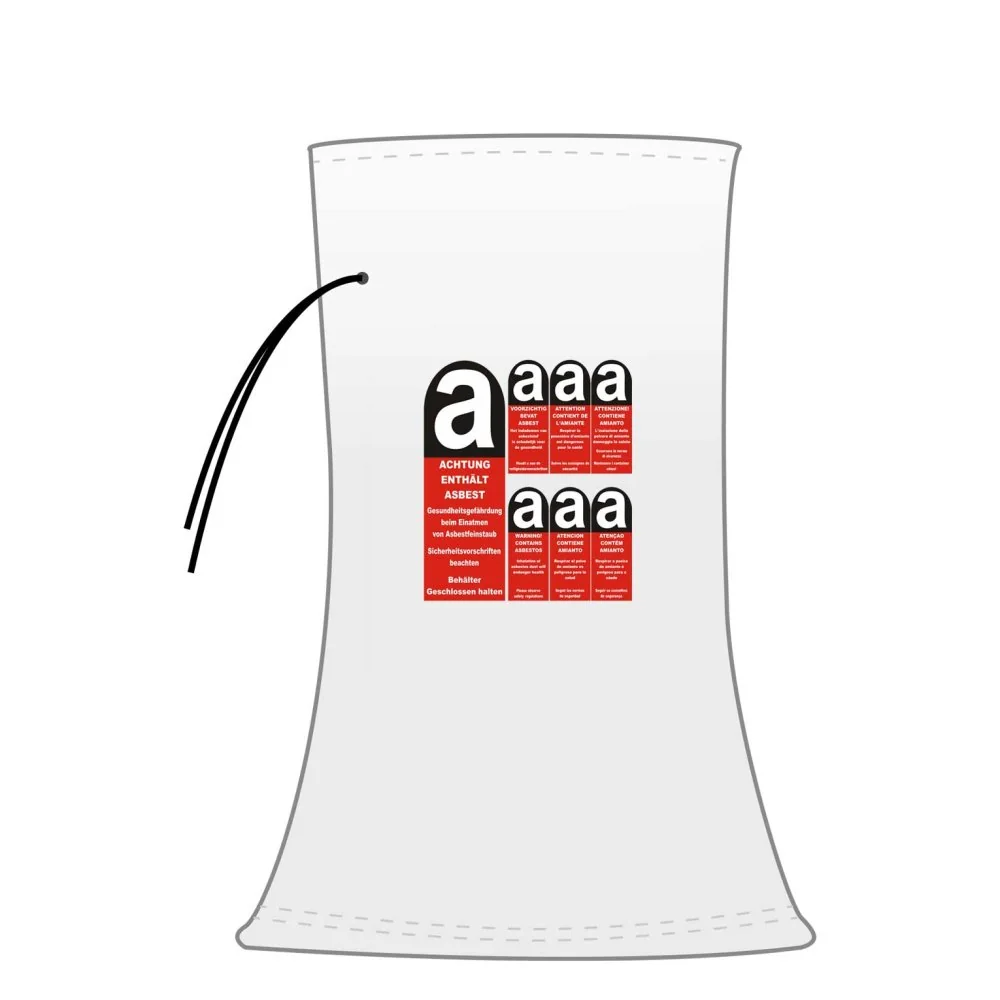
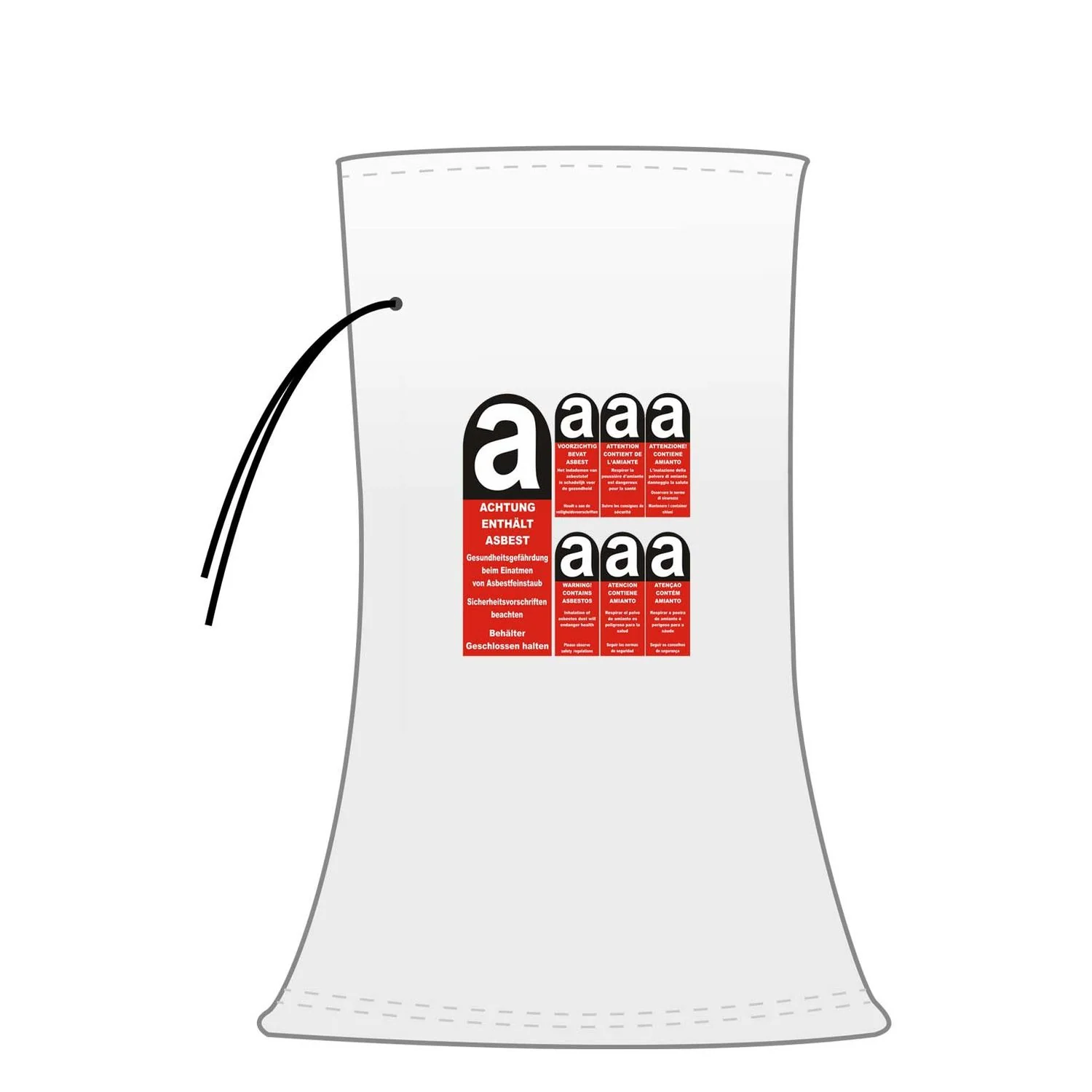
You can then take the filled and securely sealed bags to your local recycling centre or a dedicated construction-waste collection point. Check the exact conditions and any applicable fees in advance. This allows you to complete your insulation project cleanly and in compliance with regulations.
A well-insulated home is an investment in the future. It improves living comfort, reduces energy costs and increases the value of your property. By choosing mineral fibre, you are opting for a tried-and-tested, safe and efficient insulation material. Do not forget to include other areas, such as pipe insulation, in your energy-saving plans to maximise the potential savings. With a sturdy protective sheet to cover floors and furniture, nothing stands in the way of your successful DIY project.
Frequently Asked Questions
- Which is better, rock wool or glass wool?
- Both are excellent insulation materials. Rock wool is denser, more pressure-resistant and offers slightly better sound insulation. Glass wool is lighter, more flexible and often cheaper. The right choice depends on the specific application: glass wool is often ideal for roofs, while pressure-resistant rock wool is better suited to façades or floors.
- Do I need to wear a mask when working with mineral wool?
- Yes, absolutely. Although modern mineral fibres are considered safe, fine fibres and dust can irritate the respiratory tract. Always wear an FFP2 or FFP3 mask, safety goggles and gloves to prevent skin and lung irritation and work safely.
- How thick should the insulation be?
- The optimum insulation thickness depends on the building element and the requirements of the Building Energy Act (GEG). For roof insulation, thicknesses of 20 to 24 cm are common for meeting modern efficiency standards. If in doubt, consult an energy adviser to determine the right thickness.
- Can I compress mineral wool to make it fit?
- No, you should avoid this at all costs. Mineral fibre insulation works by trapping air between the fibres. Compressing the material reduces the air volume and increases thermal conductivity, significantly reducing its insulating performance. It is better to cut it to fit precisely.
- How do I dispose of leftover mineral wool?
- Insulation remnants and offcuts must be disposed of properly. Seal the mineral fibre waste airtight in special tear-resistant KMF bags. You can then take these bags to your local recycling centre or a landfill for mineral fibre waste. Old insulation (pre-2000) is classified as hazardous waste.
You may also be interested in
- Home insulation: How to insulate walls properly and save energy
- DIY façade insulation: How to improve energy efficiency
- Insulating your roof: How to save on heating costs and improve living comfort
- Blown-in insulation: Efficient insulation to reduce heating costs
- Insulating with foam: Effective insulation for your home
- Cork insulation: Sustainable and effective home insulation