
In brief: Ivy (Hedera helix) is an ecologically valuable climber that provides insects with their last and first source of food in autumn and spring. Its late, nectar-rich flowers feed bees, wasps and butterflies when few other plants are in bloom. Its dense, evergreen growth also offers year-round shelter and nesting sites for birds and small animals.
Ivy in the Garden: A Magnet for Beneficial Insects
Hedera helix, or common ivy, is more than just green wall cover. This robust climber transforms your garden into a vibrant oasis for wildlife. It provides food, shelter and habitat when other plants have long finished flowering.
A nature-friendly garden needs such versatile plants. Ivy structures areas, covers dull corners and performs valuable ecological work at the same time. Its importance for biodiversity is often underestimated.
Why is ivy so valuable for bees?
The flowering period makes all the difference. While the gardening year draws to a close in September, Hedera helix enters its main season. Its small, inconspicuous flower clusters open.
They produce plenty of nectar and pollen. At this time of year, insects can find very few other food sources. Flowering ivy therefore becomes a vital refuelling station.
Honey bees collect its energy-rich nectar for their winter stores. Wild bees, hoverflies and wasps strengthen themselves for the cold season. Late-flying butterflies such as the red admiral also visit the flowers regularly.
Expert tip
Let your ivy flower! Many gardeners cut back the shoots in autumn, depriving insects of their final meal. Wait until after flowering to trim it, ideally in late winter.
Late flowering as a survival aid
Flowering lasts from September into November. On warm autumn days, the plant hums and buzzes with activity. Insect activity is intense.
In early spring, around March, ivy once again serves as a first source of food. Early-flying bumblebee queens and other insects then collect pollen. This dual function makes the plant indispensable.
How does ivy create habitat in the garden?
The flowers are not the only valuable feature. Its dense, evergreen foliage creates a complex microclimate. Many animals find shelter and a place to overwinter among the intertwined shoots.
Birds such as robins, dunnocks and wrens use the thicket as a safe nesting site. In winter, the leaves protect them from frost and predators. Insects such as ladybirds and lacewings like to overwinter in the hollow spaces.
For even better wildlife habitat, combine ivy growth with an insect hotel. This provides additional nesting opportunities for solitary bees and wasps.
An old, flowering ivy on a house wall can support several thousand insects at once on a sunny autumn day. No exotic ornamental plant can match that performance at this time of year.
Ivy as a food plant for butterflies
Hedera helix also feeds caterpillars. The holly blue and the ivy moth lay their eggs exclusively on ivy. The caterpillars feed on its leaves.
By planting ivy, you support the complete life cycle of these species. You create not only a food source for adult insects but also a nursery.
How do I plant and care for ivy correctly?
Ivy is extremely undemanding. It grows in deep shade as well as full sun. The soil should be well drained, as it does not tolerate waterlogging. Plant it in spring or autumn.
Place young plants about 50 centimetres apart. Water them regularly during the first period after planting. Once established, ivy usually manages without additional water.
The right garden tools make the work easier. Sharp shears are essential for pruning.
Important note
Ivy is poisonous in all parts, especially its black berries. Do not plant it within reach of small children or curious pets. It is best to wear gloves when cutting, as the plant sap can cause irritation on sensitive skin.
The right pruning for healthy growth
Pruning controls growth. Shorten excessively long shoots in late winter, before the bird nesting season begins. This prevents the plant from blocking gutters or growing up around windows.
As ground cover, trim the edges regularly to keep the bed tidy.
, the Wonder Shears are a versatile tool for these tasks. They cut cleanly and are gentle on the plant.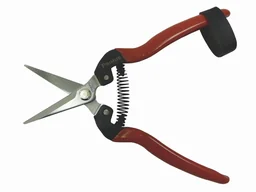
Dispose of the cuttings in a garden waste bag. Do not compost them, as the shoots often root again.
What problems can ivy cause?
The biggest problem is its vigorous growth. If left unchecked, ivy can overgrow and smother other plants. On trees, it climbs into the crown and can damage young or weakened trees by blocking out light.
On buildings, the adhesive roots do not penetrate sound masonry. However, where render is already cracked or facade cladding is loose, the shoots can grow into gaps and widen them. Regular checks are key.
Fear of ivy on house walls is often unfounded. Studies show that the growth can even provide protection by shielding the facade from extreme temperature fluctuations and rain. The underlying surface must be sound.
Removing and containing ivy
If you want to remove ivy from a wall, first cut all the shoots close to the ground. Leave the tendrils attached to the wall to dry out. After a few months, they can usually be removed more easily.
Root remnants in the soil must be dug out thoroughly, otherwise the plant will grow back. This work can be laborious where the growth is extensive. Allow enough time.
How can I combine ivy with other insect-friendly plants?
Ivy is a great team player. Combine it with early-flowering perennials and shrubs to create a continuous food supply. This gives insects access to food from spring through late autumn.
Plant early-flowering bulbs such as crocuses and snowdrops in front of an ivy wall. In summer, lavender, catmint and sage extend the food supply. You can find suitable plants and seeds in our Garden + Plant Accessories category.
Additional advice
Complement your ivy with
, the seeds of Mentzelia Lindleyi (Gold Star). This annual summer flower has an intense fragrance and is an excellent food source for bees. It flowers in summer, filling the gap before ivy blooms in autumn.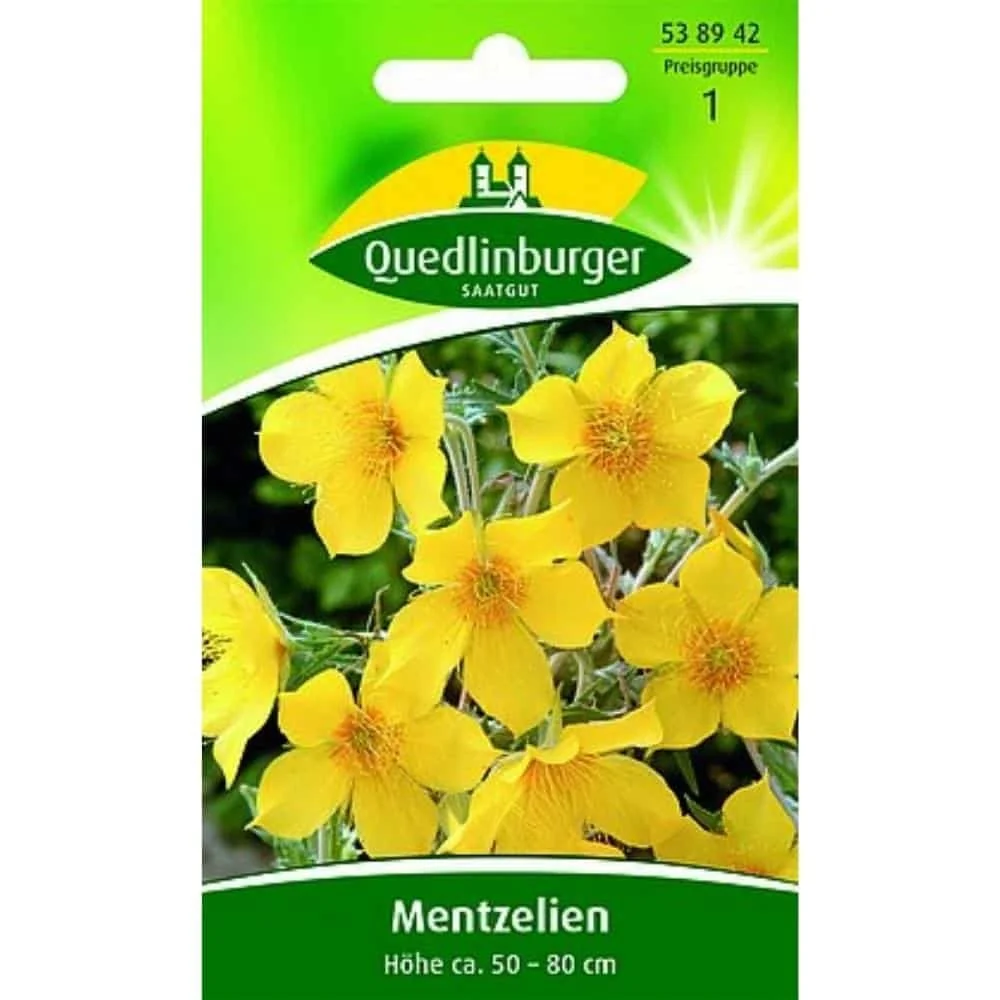
Creating an ivy hedge
Ivy is ideal for evergreen, dense hedges that provide privacy. For this purpose, plant specially selected, fast-growing varieties such as 'Hibernica' in a row. A sturdy trellis gives the hedge support.
Trim the hedge into shape two to three times a year. This keeps it dense from top to bottom. An ivy hedge is easier to maintain than many conventional hedge plants and provides ecological benefits all year round.
For hedge maintenance and other gardening tasks, you will find everything you need in our extensive Garden + Outdoor range.
Which ivy varieties are particularly insect-friendly?
The original wild form, Hedera helix, is the most valuable for wildlife. Its flowers produce the most nectar. However, growers have also developed varieties that grow particularly densely or have attractive foliage.
The 'Woerner' variety is very hardy and produces abundant flowers. 'Goldheart', with its yellow-green variegated leaves, adds bright accents and also flowers reliably. Avoid purely ornamental forms that produce few or no flowers.
Before buying, find out exactly about the flowering characteristics. Not every ivy variety available commercially is a good food source for bees.
Ivy in containers on balconies and patios
Don't have a garden? Ivy also thrives in containers. Choose a sufficiently large pot with good drainage. A trellis gives the plant support.
Water regularly, as container plants dry out more quickly. In winter, protect the root ball from severe frost, for example with garden fleece. This helps ivy survive the cold season on a balcony as well.
Container-grown ivy softens the look of façades and brings wildlife to even small spaces. Combine it with other container plants to create a varied mini-habitat.
Ivy is a garden classic with immense ecological value. It combines practical benefits as a privacy screen or ground cover with a major contribution to biodiversity. With little maintenance, you can create a lively, wildlife-friendly garden that provides a year-round home for insects and birds. Start with one plant and watch life move in.
Frequently Asked Questions
- When does ivy flower, and which insects does it attract?
- Hedera helix flowers from September to November. The inconspicuous yellow-green umbels are one of the last sources of nectar of the year. They are especially attractive to honeybees, wild bees, wasps, hoverflies and late-flying butterflies such as the red admiral.
- Is ivy poisonous and dangerous for children or pets?
- Yes, all parts of ivy are poisonous, especially the black berries. They contain saponins. If children or pets eat the leaves or berries, they may experience nausea and vomiting. Plant ivy out of reach or choose non-toxic alternatives.
- Does ivy damage house walls or masonry?
- Ivy does not damage intact, solid masonry or healthy tree bark. Its aerial rootlets simply cling firmly to the surface. Problems can occur with already cracked render or rotten wood, where the shoots can penetrate cavities and retain moisture. Check the growth regularly.
- How can I use ivy as a privacy screen or ground cover?
- As an evergreen privacy screen, ivy needs a sturdy trellis against the wall. As ground cover, plant 5-7 plants per square metre. Trim the shoots regularly to create a dense, compact mat and prevent uncontrolled climbing in unwanted areas.
- What care does ivy need in the garden?
- Ivy is undemanding. It thrives in shade and sun in ordinary garden soil. Only water young plants during dry spells. Pruning in late winter or spring keeps the plant in shape. Fertilising is rarely necessary; an application of compost in spring is sufficient.
You may also be interested in
- Insects and spiders: The best helpers for your garden
- Year-round insect protection: A garden for beneficial insects
- Ivy has yellow leaves: Causes and solutions
- Lizards in the garden: Protecting and attracting beneficial wildlife
- Natural aphid control: Using hoverflies as beneficial insects
- A garden for biodiversity: Supporting insects and abundant flowers