
Kurz erklärt: Entfernen Sie Klebereste von Holz, indem Sie zunächst den Klebetyp identifizieren. Für lösemittelhaltige Kleber verwenden Sie spezielle Kleberesteentferner wie PRODUCT_58346 oder PRODUCT_58038. Bei wasserbasierten Resten helfen oft Hausmittel wie Wärme oder Öl. Testen Sie jede Methode immer zuerst an einer unauffälligen Stelle, um die Holzoberfläche nicht zu beschädigen.
Inhaltsübersicht
Welchen Klebetyp haben Sie vor sich?
Der erste Schritt bestimmt Ihre gesamte Strategie. Nicht jeder Kleber reagiert auf dieselbe Behandlung. Identifizieren Sie den Ursprung des Kleberests.
Handelt es sich um einen Aufkleber von einer Möbeloberfläche? Oder um ausgelaufenen Montagekleber? Vielleicht finden Sie Reste von alten Sicherheitsetiketten auf gebrauchten Möbeln aus dem Holzspielzeug Bereich oder von aufgeklebten Schutzfolien.
Wasserbasierte Kleber, wie sie bei vielen Papieretiketten und Tapeten verwendet werden, lassen sich oft leichter lösen. Lösemittelhaltige Kontaktkleber oder Sekundenkleber sind hartnäckiger.
Die Härte und Elastizität des Kleberests gibt Aufschluss. Ziehen Sie vorsichtig daran. Lässt er sich dehnbar verformen, ist er oft noch teilweise aktiv und reagiert besser auf Lösungsmittel. Bröckelt er, benötigen Sie möglicherweise mechanische Hilfe nach einer Weichphase.
Häufige Kleber auf Möbeln und Holz
Sie finden verschiedene Typen. Selbstklebende Möbelfüßchen hinterlassen einen gummiartigen, oft grauen Rest. Aufkleber von Möbelhäusern verwenden meist lösemittelarme Acrylatkleber.
Alte Klebebandreste von Paketen können sowohl wasseraktiviert als auch mit synthetischem Kleber versehen sein. Montagekleber für Sitzmöbel Kinder oder Regalböden sind oft hochfest.
Wie entfernen Sie Klebereste mit Hausmitteln?
Für frische oder mittelalte Reste eignen sich Alltagsmittel. Sie schonen die Umwelt und Ihren Geldbeutel.
Erwärmen Sie den Kleber mit einem Haartrockner auf mittlerer Stufe. Halten Sie ihn in Bewegung, um punktuelles Überhitzen zu vermeiden. Der Kleber wird weich und klebrig. Ziehen Sie ihn dann vorsichtig mit den Fingern oder einem Kunststoffschaber ab.
Profi-Tipp
Nutzen Sie die Heizluftpistole nur im Ausnahmefall und mit größter Vorsicht. Die Temperaturen sind zu hoch für die meisten Holzoberflächen und können Lacke sofort blasen. Ein Fön mit konzentrierter Heißluftstufe reicht fast immer aus.
Speiseöl wie Raps- oder Olivenöl ist ein Klassiker. Träufeln Sie etwas auf den Rest und lassen Sie es 30 bis 60 Minuten einwirken. Das Öl dringt ein und löst die Klebebindung. Reiben Sie anschließend mit einem weichen Tuch. Der Vorteil: Das Öl pflegt das Holz nebenbei.
Hochprozentiger Alkohol wie Isopropanol aus der Apotheke löst viele Kleber auf Acrylbasis. Tupfen Sie ihn auf einen Lappen, nicht direkt auf das Holz. Reiben Sie mit leichtem Druck. Lüften Sie den Raum dabei gut.
Die Grenzen von Hausmitteln
Hausmittel stoßen an ihre Grenzen bei polymerisierten Klebern. Das sind Kleber, die nach dem Aushärten eine feste, plastikartige Schicht bilden.
Alte Sekundenklebertropfen oder ausgehärteter Montageschaum lassen sich so kaum entfernen. Hier brauchen Sie stärkere Helfer.
Viele schwören auf WD-40, und es funktioniert oft bei klebrigen Rückständen. Aber Vorsicht: Es hinterlässt einen öligen Film, der gründlich mit Spiritus abgewischt werden muss, bevor Sie das Holz weiter behandeln können. Sonst haften neue Lacke oder Öle nicht.
Wann brauchen Sie Profi-Produkte für Klebereste?
Wenn Hausmittel versagen oder die Fläche groß ist, lohnt sich der Einsatz spezialisierter Produkte. Sie wirken gezielter und schneller.
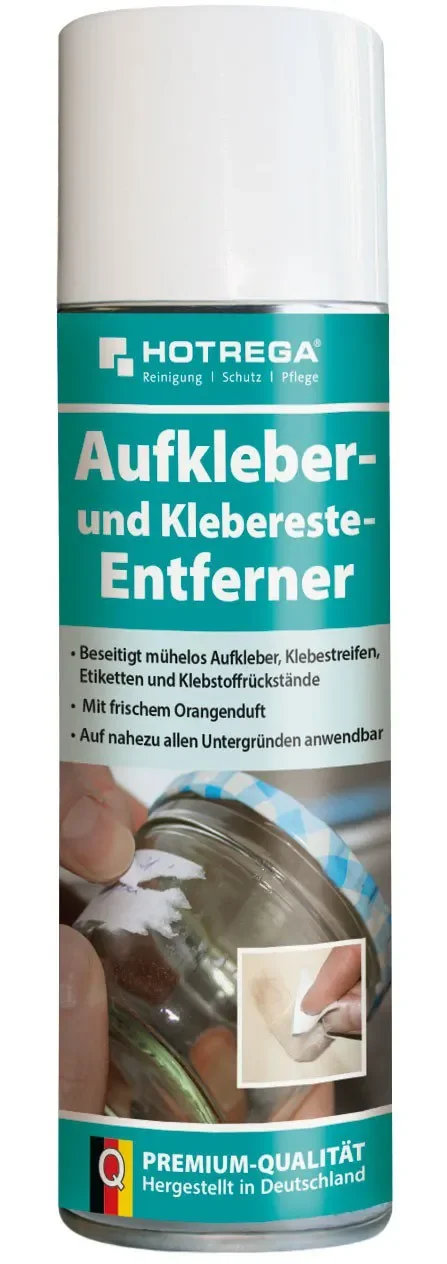
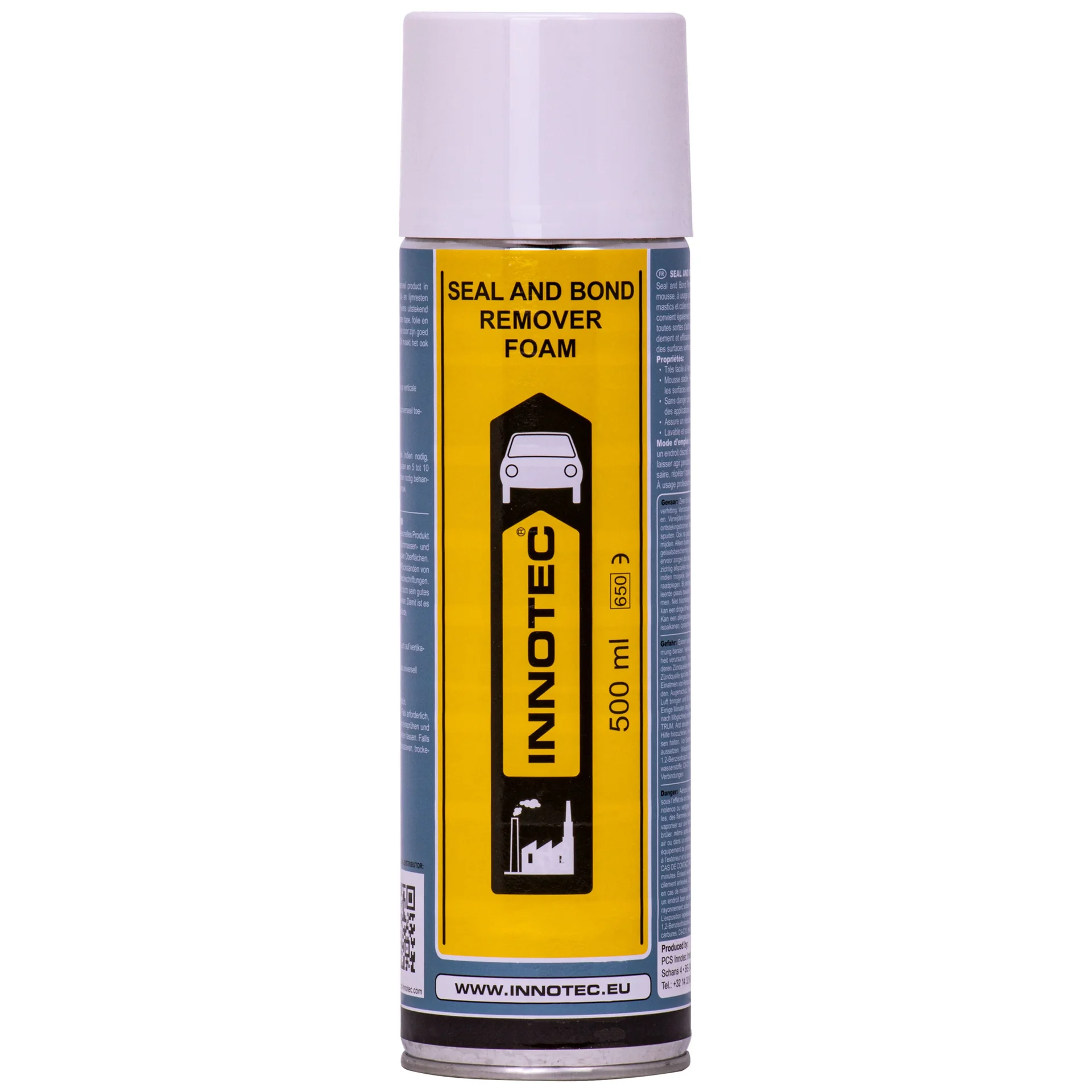
: Der INNOTEC Seal and Bond Remover ist ein flüssiger Spezialentferner. Er löst lösemittelharte Kleber, Dichtungsmassen und Tapezierkleister. Arbeiten Sie mit Handschuhen und bei geöffnetem Fenster. : Der HOTREGA Entferner ist eine gute Wahl für kleinflächige Kontaminationen wie Etikettenreste auf neuen Möbeln. Die 300 ml Dose ist handlich und dosierbar. : Die Schaumvariante des INNOTEC Entferners hat einen großen Vorteil. Sie haftet an senkrechten Flächen und tropft nicht. Ideal für Klebereste an Möbelseiten oder Schranktüren.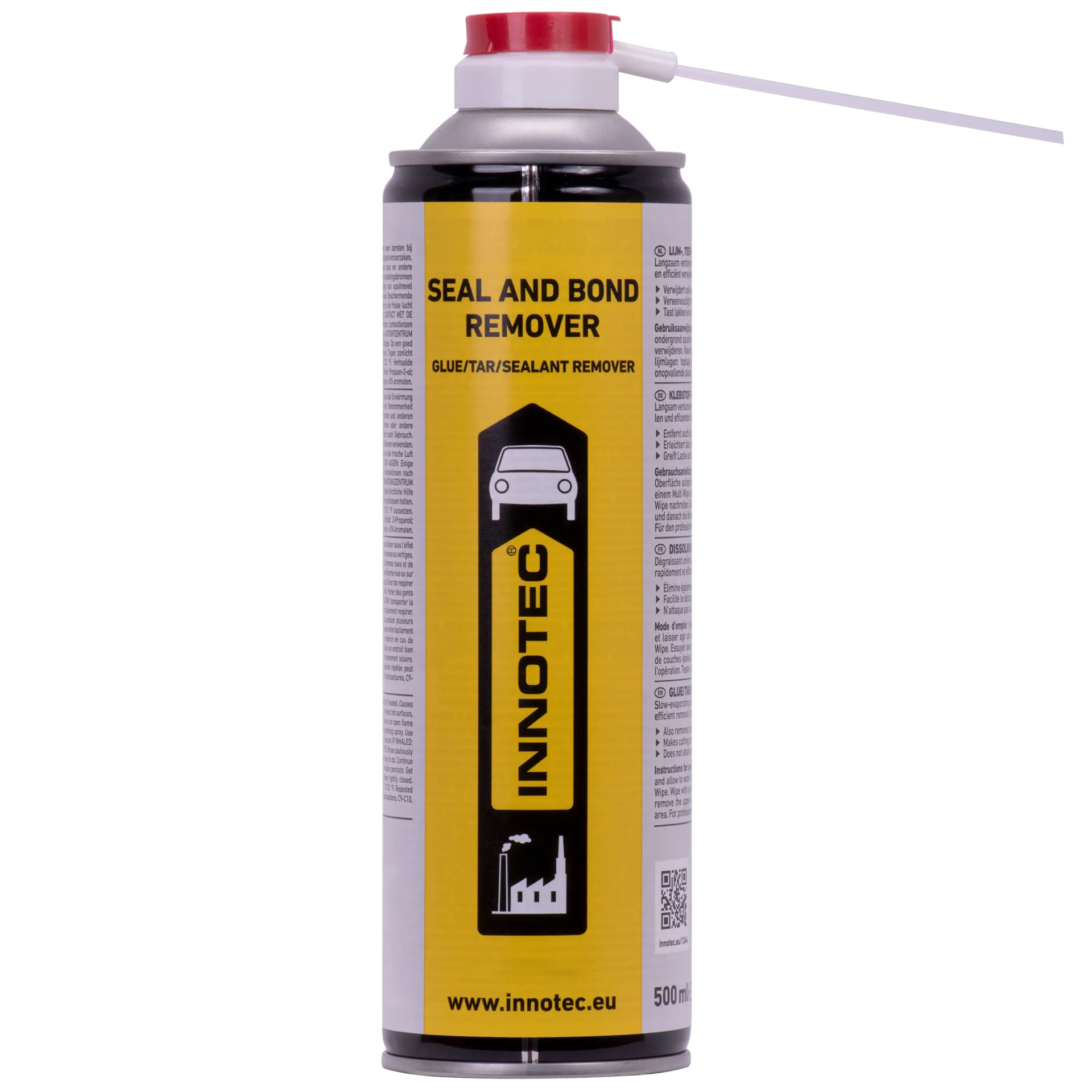
Wichtiger Hinweis
Tragen Sie bei der Arbeit mit chemischen Kleberesteentfernern immer Schutzhandschuhe aus Nitril und sorgen Sie für gute Belüftung. Bewahren Sie die Mittel außerhalb der Reichweite von Kindern auf, besonders wenn Sie gleichzeitig Spielmöbel reparieren.
Anwendung von Profi-Entfernern
Lesen Sie die Gebrauchsanweisung des jeweiligen Produkts. Auftragen, einwirken lassen, ablösen – das Prinzip ist einfach.
Meist tragen Sie das Mittel mit einem Pinsel oder dem mitgelieferten Applikator auf. Die Einwirkzeit variiert zwischen fünf und dreißig Minuten. Der Kleber löst sich auf oder quillt sichtbar auf.
Entfernen Sie die Masse dann mit einem Holz- oder Kunststoffspachtel. Bei lackierten Oberflächen verwenden Sie nur weiche Spachtel, um keine Kratzer zu hinterlassen. Wiederholen Sie den Vorgang bei Bedarf.
Wie gehen Sie schonend und Schritt für Schritt vor?
Systematik schützt Ihr Möbelstück. Gehen Sie immer vom schonendsten zum aggressivsten Mittel über.
- Vorbereitung: Reinigen Sie die Holzoberfläche um den Kleberest herum mit einem milden Holzreiniger. So verhindern Sie, dass Sie Schmutz in den Kleber einreiben.
- Test: Wählen Sie Ihre erste Methode (z.B. Öl) und testen Sie sie an einer verdeckten Stelle, etwa der Rückseite eines Schranks oder der Unterseite einer Tischplatte. Prüfen Sie Verfärbungen oder Aufrauungen nach 15 Minuten.
- Hauptbehandlung: Wenden Sie die getestete Methode auf die sichtbare Stelle an. Arbeiten Sie vom Rand des Kleberests zur Mitte, um ihn nicht zu verschmieren.
- Nachreinigung: Entfernen Sie alle Rückstände des Lösemittels oder Öls mit einem in Wasser getauchten, gut ausgewrungenen Lappen. Für fettlösende Mittel nutzen Sie Spiritus.
- Trocknen lassen: Lassen Sie das Holz vollständig an der Luft trocknen, bevor Sie eine Pflege auftragen oder das Möbelstück wieder benutzen.
Zusätzlicher Rat
Bei sehr empfindlichen Oberflächen wie Furnier oder antiken Lacken sollten Sie auf mechanisches Abkratzen verzichten. Konsultieren Sie lieber einen Restaurator oder verwenden Sie ein mildes, für Antiken zugelassenes Reinigungsmittel. Die Investition schützt den Wert.
Spezialfall: Klebereste von parkettiertem Holz
Parkett oder Dielenböden mit Kleberesten von Teppichklebeband erfordern besondere Vorsicht. Die Oberfläche ist meist geölt oder lackiert.
Beginnen Sie hier mit einem Fön und einem Plastikschaber. Wenn das nicht reicht, wählen Sie einen milden Kleberesteentferner, der für Parkett zugelassen ist. eignet sich oft für solche Anwendungen.
Nach der Entfernung müssen Sie die gereinigte Stelle eventuell abschleifen und den Bodenabschnitt neu versiegeln, um einen einheitlichen Farbton zu erhalten.
Was tun Sie nach der Reinigung für die Holzpflege?
Die Entfernung des Klebers ist nur der erste Schritt. Jetzt gilt es, die Holzoberfläche zu schützen und zu pflegen.
Eventuell hat das Lösemittel oder Ihre mechanische Arbeit die Oberfläche matt gemacht oder minimal beschädigt. Ein leichtes Anschleifen mit sehr feinem Schleifpapier (Körnung 240 oder höher) glättet die Stelle.
Wischen Sie den entstandenen Schleifstaub gründlich ab. Tragen Sie dann den ursprünglichen Holzschutz wieder auf. Ist das Möbelstück geölt, verwenden Sie das passende Möbelöl. Bei lackierten Flächen können Sie einen passenden Klarlack oder Politurwachs auftupfen.
Für Gartenmöbel, die nach der Kleberentfernung wieder ins Freie kommen, ist ein anschließender Schutz besonders wichtig. Eine Abdeckung Gartenmöbel schützt vor Witterung und verhindert, dass neue Verschmutzungen anhaften.
Langzeitschutz für Holzoberflächen
Regelmäßige Pflege beugt vor. Stauben Sie Möbel regelmäßig ab. Verwenden Sie für lackierte Oberflächen milde, spezielle Holzsprays.
Für geölte Möbel reicht oft eine Behandlung ein- bis zweimal pro Jahr mit dem passenden Öl. So bleibt die Oberfläche geschmeidig und widerstandsfähig gegen ungewollte Klebungen.
Lagern Sie Kleber, Farben und Lösungsmittel immer getrennt von Ihren Möbeln. Ein unachtsamer Tropfen kann sonst die nächste Reinigungsaktion notwendig machen.
Welche Fehler sollten Sie bei der DIY Möbel Reparatur vermeiden?
Ein kleiner Fehler kann die Holzoberfläche dauerhaft schädigen. Seien Sie achtsam.
Verwenden Sie keine Stahlwolle oder metallische Scheuerschwämme. Kleine Metallpartikel können sich im Holz festsetzen und später rosten, was zu schwarzen Flecken führt.
Überspringen Sie niemals den Test an einer unauffälligen Stelle. Was auf dem Etikett eines Entferners steht, muss nicht für Ihr spezielles Holz und seinen 30 Jahre alten Lack gelten.
Mischen Sie nie verschiedene chemische Reiniger. Die Reaktion kann gefährliche Dämpfe erzeugen oder das Holz angreifen. Verwenden Sie immer nur ein Produkt zur Zeit und spülen Sie dazwischen gründlich mit Wasser ab.
Der richtige Arbeitsplatz
Arbeiten Sie nicht in engen, geschlossenen Räumen. Die Dämpfe von Lösemitteln sind gesundheitsschädlich.
Legen Sie eine alte Decke oder Folie unter das Möbelstück, um den Boden zu schützen. Haben Sie alle Utensilien – Handschuhe, Lappen, Schaber, Produkte – griffbereit. Hektisches Suchen führt zu Unfällen.
Planen Sie genug Zeit ein. Eine sorgfältige Kleberestenentfernung kann je nach Größe und Härtegrad eine Stunde oder länger dauern. Eile führt zu Kratzern und Frust.
Die schonende Reinigung Ihrer Möbel von Kleberesten verlängert deren Leben und erhält ihren Wert. Mit der richtigen Vorbereitung, Geduld und den passenden Mitteln wie oder bewährten Hausmitteln meistern Sie diese Aufgabe der DIY Möbel Reparatur sicher. Denken Sie an den abschließenden Schutz der Holzoberfläche, besonders bei Möbeln für den Außenbereich oder für Kinder, wie sie im Sortiment für alle Betten für Kinder zu finden sind. Ihr Holz wird es Ihnen danken.
Häufige Fragen
- Welches Hausmittel entfernt Klebereste von Holz am besten?
- Hochprozentiger Alkohol (Isopropanol) oder Speiseöl eignen sich oft für wasserbasierte Kleber oder Etikettenreste. Tragen Sie das Mittel auf einen Lappen auf, lassen Sie es kurz einwirken und reiben Sie vorsichtig. Öl benötigt längere Einwirkzeit, hinterlässt aber einen Schutzfilm. Testen Sie immer zuerst.
- Kann ich Nagellackentferner für Klebereste auf Holz verwenden?
- Vermeiden Sie acetonhaltigen Nagellackentferner auf lackiertem oder geöltem Holz. Aceton kann den Finish auflösen und bleibende Schäden verursachen. Für reines, unbehandeltes Holz kann es in Ausnahmefällen funktionieren, aber ein spezieller Kleberesteentferner wie PRODUCT_58346 ist die sichere Wahl.
- Wie entferne ich alte, hartnäckige Klebestreifen von Möbeln?
- Bei alten Klebestreifen kombinieren Sie Wärme und Lösemittel. Erwärmen Sie den Kleber vorsichtig mit einem Fön, um ihn weich zu machen. Ziehen Sie dann so viel wie möglich ab. Für den Rückstand nutzen Sie einen speziellen Entferner für lösemittelharte Kleber wie PRODUCT_58997. Arbeiten Sie geduldig.
- Schadet ein Kleberesteentferner der Holzoberfläche?
- Hochwertige Entferner für Holz wie PRODUCT_57615 sind formuliert, um den Kleber zu lösen, nicht das Holz. Sie enthalten schonende Lösemittel. Der Schutz der Oberfläche hat Priorität. Ein Test an verdeckter Stelle ist dennoch Pflicht, besonders bei empfindlichen Lacken oder alten Möbeln.
- Was tun, wenn nach dem Entfernen ein heller Fleck auf dem Holz bleibt?
- Ein heller Fleck deutet auf eine beschädigte Oberflächenversiegelung hin. Nach der gründlichen Reinigung müssen Sie die Stelle neu versiegeln. Schleifen Sie den Bereich minimal an, reinigen Sie ihn und tragen Sie den passenden Holzschutz (Öl, Wachs, Lack) auf. So pflegen Sie die Holzoberfläche nachhaltig.
Das könnte Sie auch interessieren
- Klebereste entfernen: Die besten Hausmittel und Profi-Tipps
- Holz pflegen: Flecken und Grauschleier auf Lack entfernen
- Holzleim Test & Vergleich 2026: Die besten Kleber für Holz
- Holzkitt selber machen: Einfache Rezepte für dauerhafte Holzreparaturen
- Ledersofa reinigen: Die richtige Pflege für langlebige Möbel
- Fettflecken entfernen: So retten Sie Papier, Pappe und mehr