
In brief: Lavender is an ideal bee-friendly plant for the balcony because it provides plenty of nectar, is easy to care for and grows lushly even in containers. It attracts bees, bumblebees and butterflies. To thrive, lavender needs a sunny location, well-drained soil and regular but moderate pruning. With little effort, you can create a valuable insect oasis.
Lavender on the Balcony: A Bee-Friendly Summer Plant
A balcony filled with buzzing insects is a lively balcony. With lavender, you can bring not only the scent of Provence into your home, but also a reliable food source for bees, bumblebees and butterflies. This hardy perennial thrives beautifully in containers and turns even small spaces into valuable habitat for pollinators.
Why is lavender a perfect bee-friendly plant for the balcony?
Lavender provides insects with plenty of nectar and pollen for many weeks. Its long, narrow flower tubes are ideal for the tongues of bees and bumblebees. The plant flowers from June to August, providing a consistent food source during the main season.
At the same time, lavender is extremely undemanding. It tolerates heat and drought and requires little care. This makes it the ideal balcony plant for anyone with little time who still wants to do something good for nature. Its intense fragrance also helps keep annoying mosquitoes away.
Lavender is one of the ten garden plants richest in nectar. A single plant can receive hundreds of bee visits on a sunny day. It is indispensable in urban areas where natural food sources are scarce.
How do you choose the right lavender for your balcony?
Not all lavender is the same. Compact-growing varieties of English lavender (Lavandula angustifolia) are best suited to balconies. They do not grow too tall and form dense, bushy cushions.
Varieties such as 'Hidcote Blue', with deep violet flowers, and 'Munstead', with slightly lighter blooms, are tried-and-tested classics. They are fully winter-hardy. Avoid Spanish lavender (Lavandula stoechas), as it is sensitive to frost and less suitable for permanent balcony planting.
Top tip
Buy lavender in spring as a young potted plant from a nursery. Look for strong green shoots without yellow leaves. The roots should have started to fill the pot but should not be completely root-bound. This helps the plant establish quickly.
How do you plant lavender correctly in a container?
Success starts with planting. Choose a sufficiently large pot with a drainage hole. A diameter of 30 centimeters is the minimum for a strong plant. Use high-quality, well-drained container potting soil.
Mix in up to one-third sand or fine gravel to improve drainage. Lavender hates wet feet. A layer of expanded clay or gravel at the bottom of the pot prevents waterlogging. Plant the lavender at the same depth as it was in its nursery container.
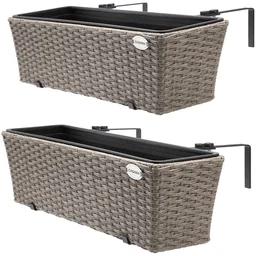
You can find suitable planters and cachepots in our range. Lavender plants look particularly attractive in classic terracotta pots or modern .
Where is the best place to position lavender on a balcony?
Lavender needs sun. Lots of sun. A warm, sheltered spot in full sun is ideal. At least six hours of direct sunlight per day are necessary for abundant flowers and an intense fragrance.
Do not place the container in exposed, windy corners. The delicate shoots can break. A wall that stores heat and protects the plant from wind is the perfect location. Visiting insects will feel at home there too.
Important note
Avoid waterlogging at all costs. Empty saucers that have filled with water immediately. Root rot caused by too much water is the most common reason lavender dies in containers. It is better to underwater the plant once than to overwater it once.
How do you care for your bee-friendly lavender plant?
Watering and fertilizing
Water lavender only when the soil is dry. Insert your finger one to two centimeters into the soil. If it feels dry there, it is time to water. Water thoroughly until some water runs out of the drainage hole.
Fertilizer is hardly necessary. A small application of organic all-purpose fertilizer in April supports new growth. Too much fertilizer leads to lush, soft growth that is susceptible to frost and produces fewer flowers. The natural supply of nutrients from fresh soil is usually enough.
Pruning correctly
Prune lavender regularly so it does not become woody and bare at the base. The main pruning takes place after flowering in late July. Cut back all spent shoots by about two-thirds. Never cut into old, leafless wood.
In spring, around March, follow up with a light shaping prune. Remove frost-damaged tips and shape the plant. Sharp garden or rose pruners are the right tools for this job.
The timing of pruning is crucial. If you prune in late summer, the plant still has time to produce new shoots that can harden before winter. Pruning in fall is disastrous: the fresh shoots will freeze and expose the wood to disease.
What dangers threaten lavender on the balcony?
Apart from waterlogging, root rot is rarely a problem. In a location that is too shady, the plant may sometimes rot from the inside out. Fungal infection appears as wilting, gray shoots. Remove affected parts of the plant immediately.
Pests usually avoid lavender because of its essential oils. Aphids may occasionally appear on young shoots. A strong jet of water or attracting beneficial insects such as ladybugs is enough to control them. Chemical products are not necessary.
How do you overwinter lavender in a container?
Hardy lavender varieties can survive frost if you protect the root ball. Place the container on an insulating base made of wood or foam. Wrap the pot with jute, bubble wrap or special garden fleece.
Place the protected container against a sheltered wall. Water occasionally on frost-free days so the root ball does not dry out completely. A clear cover tarp can provide additional protection during prolonged, extreme frost.
Additional advice
Combine lavender with other Mediterranean herbs such as rosemary or thyme in a large container. They have similar requirements and form an easy-care, fragrant and pollinator-friendly plant community. This saves space and looks attractive.
How can you create an insect-friendly balcony with lavender?
Choose variety. Plant several lavender plants in different pots or combine them in a large planter. Supplement your selection with other bee magnets such as sage, oregano or the wonderfully resilient stonecrop.
Provide a shallow bowl of water with stones as an insect drinking station. A bee hotel on a sunny, sheltered wall offers solitary bees nesting opportunities. This creates a complete habitat.
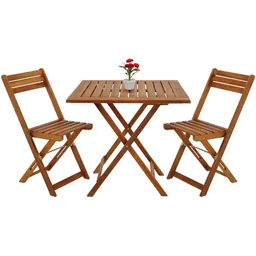
Relax amidst your buzzing paradise on comfortable

What are the long-term benefits of a lavender bee garden?
You are making a tangible contribution to species conservation. Every lavender plant helps strengthen the urban food web. You can observe a fascinating natural spectacle right outside your balcony door while supporting the pollination of crops in the surrounding area.
Lavender is a long-term investment. With good care, you can enjoy your plant for many years. It smells wonderful, flowers beautifully and helps wildlife. Dedicated gardening could hardly be easier. Start this season and plant your own bee garden.
Frequently Asked Questions
- Which lavender is best for bees on a balcony?
- English lavender (Lavandula angustifolia) is the best choice. It is hardy, compact and provides plenty of nectar. Varieties such as 'Hidcote Blue' or 'Munstead' are robust and flower reliably. Avoid heavily double-flowered cultivars, as they often no longer produce nectar.
- How often do I need to water lavender on a balcony?
- Water lavender in containers sparingly. Before watering, check with your finger whether the top layer of soil is dry. Waterlogging is fatal. On hot summer days, daily watering may be necessary. In spring and autumn, once a week is often enough. A good watering can makes the job easier.
- When and how should I prune balcony lavender?
- Prune lavender twice a year. In spring (March/April), remove frost-damaged shoots and cut the plant back by about one third. The main pruning follows after flowering in July/August: cut the faded stems back to just above the old wood. Use sharp garden shears for a clean cut.
- Can lavender survive winter in a balcony planter?
- Yes, hardy varieties such as English lavender can survive frost in a container. Protect the root ball by placing the pot on wood and wrapping it in jute or fleece. Put the container against a sheltered house wall. Water occasionally on frost-free days, as lavender dies from dryness in winter, not from the cold.
- Which other balcony plants are good companions for lavender and bees?
- Combine lavender with other sun-loving, drought-tolerant perennials. Good companions include sage, thyme, catmint and stonecrop. These plants have similar needs and extend the flowering season for bees. Avoid heavy feeders such as geraniums in the immediate vicinity.
You might also be interested in
- Bee-friendly balcony plants: How to create biodiversity in a small space
- Planting and caring for lavender: The ultimate guide
- Cat-friendly balcony plants: A non-toxic selection
- Year-round insect protection: A garden for beneficial insects
- A garden for biodiversity: Supporting insects and a wealth of flowers
- Raised bed on a balcony