
In brief: A lawn roller levels the ground, presses grass seed into place and smooths out molehills. The right choice depends on working width, filling weight and attachment type. Narrow hand-operated models are enough for small areas. Large water-filled rollers are suited to expansive lawns. Pairing one with a garden tool can save effort.
A lush, level lawn is a source of pride for any homeowner. Uneven ground after seeding, frost heave or molehills can spoil its appearance. A lawn roller can help. Our 2026 comparison shows which models stand out and what to look for when buying.
Table of contents
How does a lawn roller work?
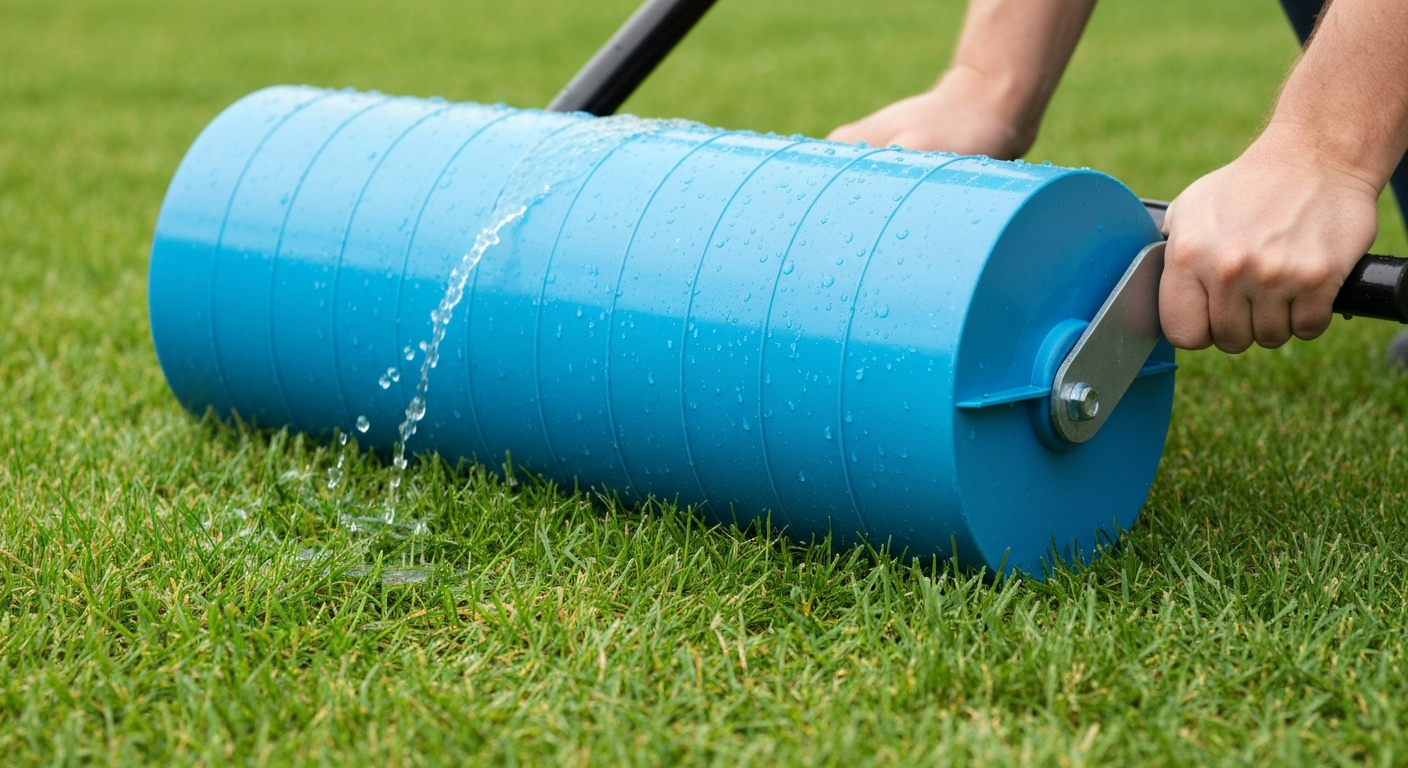
A lawn roller is a cylindrical garden tool that rolls over the grass and applies even pressure. This helps level the ground and press freshly sown grass seed into the soil, improving germination.
The roller also smooths out small bumps and hollows, including molehills and vole mounds. You can use it to level frost heave after winter, too, leaving the lawn with a smooth, even surface.
Tip: Roll your lawn only in dry weather. On wet ground, the roller can compact the soil too much, damaging grass roots and restricting growth.
What types of lawn rollers are available?
Lawn rollers generally differ in how they are operated and how they are built. The right choice depends on the size of your yard and how much effort you want to put in.
Hand-operated lawn rollers
You push these models across the lawn using a handle. Hand rollers are lightweight and easy to maneuver, making them ideal for small areas or spot jobs.
Tow-behind lawn rollers for tractors
Tow-behind rollers are a good choice for large areas. They attach to a garden tool, such as a riding mower, so you can get the job done quickly with little effort. One example is a garden roller made for AL-KO riding mowers.
Fillable and solid rollers
Many rollers are hollow and can be filled with water or sand, so you can adjust their working weight. A heavier roller applies more pressure. Solid rollers have a fixed, often lower weight and are easier to handle.
What to look for when buying a lawn roller
When comparing models, pay attention to a few key features. They determine how well the lawn roller will work for you.
Working width: The roller's width determines how much ground you can cover in each pass. A width of 50 cm is enough for narrow paths. Wider models measuring 80 cm or more are more efficient on large lawns.
Diameter and material: A larger diameter rolls more easily over obstacles. Rollers are often made of steel or durable plastic. Steel is more hard-wearing and adds weight.
Filling capacity and maximum weight: Capacity matters for fillable rollers because it determines how much extra weight you can add. More weight means greater pressure for leveling stubborn bumps.
Attachment system: For tow-behind models, the coupling must fit your tractor. Check compatibility before buying.
Warning: Never use an excessively heavy roller on wet clay soil. Excessive compaction deprives grass roots of oxygen and can cause large areas of lawn to die.
How to roll your lawn properly
Timing and technique both matter. Here's how to get the best results without damaging your lawn.
Spring is the best time to roll your lawn, especially for leveling frost heave. Roll right after overseeding to press the seed into the soil. The ground should be slightly damp, but not wet.
Fill the roller to suit the job. A little water is enough to lightly press down seed. To level old molehills, you will need more weight.
Roll in parallel passes, overlapping them slightly so you don't miss any spots. Avoid sharp turns, which can damage the lawn.
Alternatives and complementary tools
A roller won't solve every lawn problem. Sometimes another tool is a better fit.
A lawn aerator does the opposite of a roller: it aerates the soil instead of compacting it. A double-sided model such as
is a versatile choice. It removes moss and aerates the lawn.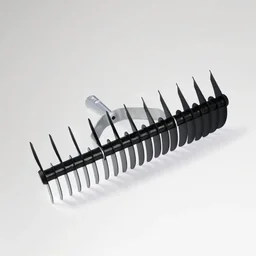
Lawn aerator shoes
are a simple alternative to a powered aerator. They aerate small areas as you walk over them.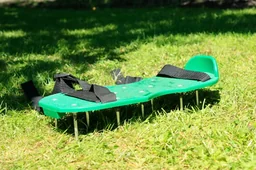
A simple wooden plank can sometimes help level larger areas. Pull it behind you, though this method is less effective than using a proper roller.
Note: A lawn roller isn't a cure-all. It smooths surface unevenness. For deeper soil problems, such as compaction, an aerator or scarifier is a better choice.
Care and storage
Taking good care of your lawn roller will help it last longer. Follow these steps.
Clean the roller after each use. Remove any soil and plant debris to help prevent rust. For fillable models, drain all the water. Store the roller in a dry, frost-free place.
Check the bearings and axles regularly to make sure they turn easily. On steel rollers, inspect the paintwork and touch up any rusty spots right away.
Store the roller hanging or standing on a clean surface. This helps prevent pressure marks and deformation.
Lawn Roller Comparison
Our comparison puts different models head to head. The table shows the key details at a glance.
The highest-rated lawn rollers in our range compared directly:
| Model | Customer rating | Availability |
|---|---|---|
| Garden roller for AL-KO lawn tractor | – | Currently unavailable |
| Garden roller for pressing and firming seed | – | Currently unavailable |
| GW 50 garden roller | – | Currently unavailable |
| Lawn aerator – dual-purpose garden tool | – | Currently unavailable |
| Lawn aerator shoes | – | Currently unavailable |
Among the hand rollers, the lawn roller – 50 cm length . Its compact width makes it easy to maneuver. It is ideal for small gardens and driveways. Filling it with water is simple.
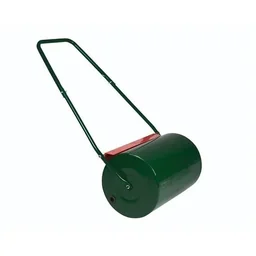
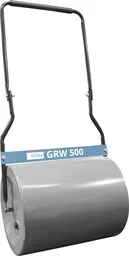
For large, demanding areas, the GRW 500 lawn roller is a great choice. With a 495 mm working width, it gets the job done quickly. Its sturdy steel construction ensures durability. It is a typical example of lawn rollers for professional use in the home garden.
Don’t forget complementary equipment. A lawn aerator should be part of every tool collection. It addresses problems that can result from rolling too often: compacted soil and a lack of oxygen.
Your choice depends on what you’ll use it for most. Do you mainly need to level the ground after sowing? Choose a narrow, fillable hand roller. Do you regularly work on large, level areas? A wide, attachable steel roller is hard to beat. Always pair rolling with aeration to promote healthy lawn growth.
Frequently Asked Questions
- When should you use a lawn roller?
- Use the roller immediately after sowing to press the seed into the soil. In spring, it can level areas lifted by frost. After dethatching, you can use it to smooth the surface. Avoid using it on wet soil to prevent compaction.
- Can a lawn roller damage your lawn?
- Yes, if you use it incorrectly. Don’t roll on excessively wet soil, as this damages the soil structure and can cause waterlogging. Too much weight can compact the soil excessively. Use the roller only for occasional, light leveling, not as part of your regular lawn care routine.
- What is the difference between a lawn roller and a lawn aerator?
- A lawn roller compacts and smooths the surface. A lawn aerator, such as model PRODUCT_100581, aerates the soil by creating holes. Aerator shoes PRODUCT_72816 serve a similar purpose. The two tools have opposite functions: compaction versus aeration.
- Should you fill a lawn roller with water or sand?
- Water is the usual choice. It’s easy to add and drain through the drain tap. Sand adds more weight for greater pressure. Choose sand if you need to work on heavy soil. Water is sufficient for standard tasks.
- How wide should a lawn roller be for my garden?
- The width should suit your garden. For narrow paths and small areas, 50 cm, as with PRODUCT_111790, is ideal. You can work large, level lawns efficiently with a roller 80 cm or wider. Make sure it’s compatible with your tractor.