
In brief: A leaf blower doesn’t collect fall leaves. It moves them into piles to clear large areas quickly. A leaf vacuum picks up leaves, shreds them depending on the model, and collects them in a bag. For lawns and garden beds, manual tools are often gentler. The best choice depends on the size of the area, the amount of leaves and the surface.
When maple, birch and fruit trees drop their leaves, fall yard work begins. You don’t always need a power tool to clear leaves. The key factors are the size of the area, whether the leaves are wet or dry, the surface and whether you want to pile the leaves or pick them up as you go.
A leaf blower uses a stream of air to move dry leaves into one place. A leaf vacuum picks them up and collects them in a bag. Many combination tools do both and also shred the leaves.
This guide explains when blowing leaves is faster, when vacuuming makes sense and when a rake and shovel are still the better choice. You’ll also learn what to look for when buying a tool and how to put fall leaves to good use.
What is the difference between leaf blowers and leaf vacuums?
Both tools save time, but they do different jobs. A leaf blower moves leaves with air, while a leaf vacuum pulls them through a tube and into a collection bag. The right choice depends on whether the leaves are wet or dry, how large the area is and how you plan to dispose of them.
Leaf blower: quickly pile leaves across large areas
A leaf blower works well on walkways, patios, driveways and large lawns. Use steady movements to guide leaves into a row or pile, then collect them with a rake, shovel or vacuum. This saves time, especially when the leaves are dry and light.
Work from the edges toward the center and use a low power setting. A stream of air that’s too strong can scatter leaves, kick up dust and damage delicate plants. A flat blower tube gives you more control than a wide-open nozzle.
- Advantages: covers large areas, weighs little and quickly gathers leaves into rows.
- Limitations: Leaves stay on the ground at first, so you’ll need a second step to collect them.
- Best for: dry leaves on hard surfaces, lawns and large open areas.
Leaf vacuum: pick up, shred and collect leaves
A leaf vacuum picks up leaves and feeds them directly into a collection bag. Many models shred the leaves first, so the bag fills more slowly and the shredded material is easier to add to compost. This makes a leaf vacuum practical for small and medium-sized areas.
Wet leaves are heavier and can stick to the suction tube, shredder and bag. Large twigs, stones and cones can damage the tool. Check the area before vacuuming, and empty the collection bag before it’s completely full.
| Tool | Best for | Limitations |
|---|---|---|
| Leaf blower | Large areas with dry leaves and hard walkways | Leaves must be picked up afterward |
| Leaf vacuum | Picking up and shredding leaves | Wet or coarse material can cause clogs |
| Rake | Garden beds, delicate lawns and small areas | Requires more physical effort |
Pro tip
Start with the lowest practical blower or suction setting. This gives you more control, protects garden beds and keeps dry leaves from blowing into hedges, window wells or neighboring yards.
How do you clear fall leaves in the right order?
Efficient leaf cleanup doesn’t start by turning on a tool. First check for twigs, stones, toys, garden hoses and loose decorations. These items slow you down and can damage the suction system, shredding blades or collection bag.
What order saves time?
- Check the area: Remove hard and heavy objects from lawns, walkways and patios.
- Choose a dry day: After it rains, wait for the leaves to dry on the ground.
- Gather the leaves: Use a leaf blower to bring them together in loose rows.
- Pick up the leaves: Use a rake and shovel or switch to the vacuum function.
- Clean up: Empty the bag, check the tube and remove plant debris from the tool.
How can you avoid doing the job twice?
Divide the yard into manageable sections. Start with areas where leaves can stay, then clear them from the lawn, walkways and entrances. This keeps you from blowing leaves over areas you’ve already cleaned.
For larger properties, set up a collection spot along the edge of the yard. Blow leaves in that direction and have bags, a compost bin or a tarp ready. For small areas, a sturdy rake, leaf scoop and container are usually all you need.
Important note
Don’t blow leaves into streets, storm drains, window wells, open water or neighboring yards. Wear safety goggles and hearing protection, keep your distance from people, and turn off the tool before clearing a clog.
Which tool works best on lawns, walkways and garden beds?
The surface determines the best way to clear leaves. On a smooth patio, you can quickly gather leaves with a stream of air. Between perennials, under shrubs and on loose soil, a rake or scoop gives you more control.
Lawns: clear leaves before they build up
A thin layer of scattered leaves can briefly protect the soil from drying out. But when leaves build up and stay on the lawn, less light reaches the grass. Moisture collects underneath, increasing the chance of bare or yellow patches.
Blow dry leaves into loose rows and pick them up afterward. Use a rake on delicate or newly seeded lawns. If you use a leaf vacuum on the lawn, keep it on a low setting so it doesn’t pick up soil, grass seed or loose grass.
Walkways, patios and driveways: save time with a blower
A leaf blower is especially quick on hard surfaces. Keep the nozzle low to the ground, and don’t aim it directly at walls, vehicles or windows. A slower setting works well for fine dust because it stirs up less dirt.
Once you’ve gathered the leaves, pick up the piles with a leaf scoop. A combination tool with a vacuum function saves you from switching between a blower and hand tools. On gravel paths, check whether the tool could suck up or throw small stones.
Garden beds and shrubs: you don’t need to remove every leaf
A loose layer of leaves can stay under trees, hedges and shrubs. It protects the soil, adds organic material and gives small animals a place to shelter. Remove thick layers, diseased leaves and leaves covering delicate perennials.
For these areas, traditional garden tools are often a better choice than a power tool. A fan rake lets you work carefully and is less likely to damage shoots, bark and ground cover. Collect healthy leaves separately if you want to use them as mulch.
- Lawns: Gather and pick up leaves regularly.
- Smooth walkways: Use a low blower setting to move leaves toward the collection spot.
- Garden beds: Remove thick layers and diseased leaves only.
- Gravel: Check the tool before using the vacuum function.
“Leaves aren’t waste in the garden; they’re an important part of the natural cycle.”
What should you look for when buying?
Wattage or motor speed alone says little about practical performance. Airflow, the suction tube, weight, noise level, battery life and collection bag size are what matter. Match the tool to the area you actually need to work on.
Battery, corded or petrol?
Battery-powered tools offer flexibility and are suitable for paths, small to medium-sized gardens and occasional use. Check the battery voltage, runtime, charging time and weight with the battery fitted. For longer jobs, you may need a second battery.
Corded tools provide a constant power supply, but require safe cable management and an accessible socket. Petrol models offer reach on large properties, but produce exhaust fumes, more noise and require more maintenance. Observe local quiet hours regardless of the power source.
Which power and features make the job easier?
Variable power control helps when moving between lawns, patios and beds. An adjustable blower tube, a wide nozzle and a shoulder strap improve control during longer jobs. With a combination tool, switching between blowing and vacuuming should not require complicated disassembly.
When choosing a leaf vacuum, look for a sturdy collection bag, an easily accessible zip compartment and an easy-to-reach suction tube. The shredding function reduces volume, but does not replace checking the leaves. Wet material, stones and thick branches do not belong in every tool.
- Weight and handle position when ready for use
- Adjustable air speed and suitable nozzles
- Collection bag capacity and easy emptying
- Availability of replacement bags, tubes and wear parts
- Protection against accidental starting when changing accessories
In the power tools category, you will find suitable tools for different power sources. Before buying, also check whether existing batteries, chargers and extension leads are compatible.
Additional advice
If possible, test the tool with a full collection bag or the battery fitted. The working weight changes during use. A lightweight housing alone does not guarantee ergonomic handling.
Which tools help with autumn garden maintenance?
For Garden + Outdoor work, the location and material matter more than the name on the box. A blower for the patio does not need the same design as a vacuum for a large lawn. Choose the tool according to the workflow, not just the highest power rating.
Which products suit which task?
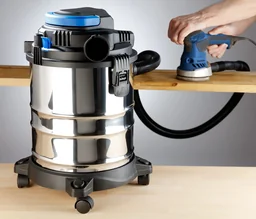
- , 3in1 stainless steel wet/dry vacuum and blower: The combination of vacuuming and blowing is suitable for patios, garages, work areas and hard surfaces. Use the vacuum function only for materials approved by the manufacturer, and remove large branches beforehand.
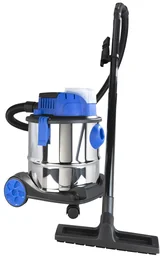
- , 18 V wet/dry vacuum WNTS, without battery and charger: This compact vacuum is suitable as an addition for dry, light leaf debris on hard surfaces. The specification without battery and charger is part of the product name. Check that your existing battery is compatible before use.
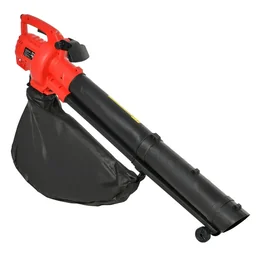
- , 3-in-1 electric leaf vacuum and blower, 3000 W, with 45-litre collection bag: This tool combines blowing, vacuuming and mulching and offers a large collection container. It is particularly suitable for users who want to collect larger quantities directly.
Find additional accessories in the garden equipment category. For small areas, a combination of a rake, leaf scoop and sturdy container is often the quietest and most controlled solution.
“Leaf blowers stir up dust and tiny organisms as well as leaves.”
How can you dispose of leaves sustainably and cleanly?
Healthy leaves are suitable for compost, as mulch under shrubs or as a loose protective layer on bare areas of soil. Mix large, tough leaves with softer plant material to allow air to reach the pile. Shredded leaves decompose faster than whole, wet layers.
What should not go on the compost heap?
Leaves showing clear signs of disease should be collected separately. Fungal spores and other pathogens can survive in home compost and later return to the garden. For these quantities, follow the requirements of your local authority or waste disposal service.
Do not put leaves in drains, streams or along roadside verges. Do not burn them in the garden. Instead, use an organic waste bin, composting site or local collection point if you cannot make use of the material yourself.
How can you keep the surrounding area clean?
Plan the work for dry weather and keep your distance from open windows, pets and delicate plants. Empty the collection bag onto a tarpaulin or directly at the composting site. This prevents the collected material from being spread over paths and lawns again.
After removing the leaves, check whether the lawn has bare patches or appears compacted. Remove thatch carefully if necessary and, for further autumn lawn care, use a suitable autumn lawn fertiliser according to the manufacturer's instructions.
The short answer: Use a leaf blower to gather dry leaves on large areas. Choose a leaf vacuum when you want to collect and shred the material directly. In flower beds, under shrubs and on delicate lawns, a rake and shovel are usually more precise.
Frequently asked questions
- Should I blow or vacuum leaves?
- Blowing is suitable for large, dry areas, paths and patios. First gather the leaves into piles, then collect them with a rake, shovel or vacuum. Vacuuming is worthwhile when you want to collect and shred the leaves directly. However, a leaf vacuum is more likely to clog on wet piles.
- Can I vacuum wet leaves with a leaf vacuum?
- Wet leaves stick together, increase the weight in the collection bag and can block the suction tube. After rain, wait until the top layer has dried. For small amounts of damp leaves, a rake and shovel are the better choice. Also check whether the operating instructions explicitly permit wet material.
- Is a leaf blower suitable for use on a lawn?
- Yes, when the grass is dry and you are moving the leaves into loose rows. Work at a low power setting and keep your distance from flower beds, young plants and bare areas of soil. A thick layer of leaves should not be left in place because it blocks light and air from reaching the lawn. Collect the rows afterwards.
- What should I do with the collected leaves?
- Healthy leaves are suitable as mulch under shrubs or as part of a compost mixture. Remove diseased leaves from the lawn and dispose of them according to local regulations. Do not store leaves in drains or burn them in the garden. This helps protect plants, waterways and neighbours.
- What protective clothing do I need when using a leaf blower?
- At a minimum, wear sturdy footwear, safety glasses and hearing protection during longer periods of use. Gloves protect your hands when finishing the job with a rake and when emptying the collection bag. Check the cable, battery, suction tube and collection bag before starting. Switch the equipment off before clearing a blockage.
You may also be interested in
- Leaf Vacuum Review & Comparison 2026: Leaf Vacuums and Leaf Blowers
- Choosing a Leaf Blower: Tips for the Perfect Purchase
- The Invention of the Leaf Blower: A Fascinating History
- How to Dispose of Leaves: Practical Autumn Tips for Garden Owners
- Chainsaws in Autumn: The Guide to Firewood and Tree Care
- Hot Air or Gas: The Ultimate Comparison of Weed Burners