
Kurz erklärt: Für eine dichte Ligusterhecke schneiden Sie zweimal jährlich: den Hauptschnitt Ende Juni und einen Formschnitt im August. Schneiden Sie die Hecke trapezförmig, sodass der Fuß breiter bleibt als die Krone. So gelangt Licht bis in die unteren Bereiche. Verwenden Sie scharfe, saubere Werkzeuge aus dem Bereich Gartenwerkzeuge. Junge Hecken schneiden Sie stärker zurück, um die Verzweigung von der Basis anzuregen.
Ligusterhecke schneiden: So erreichen Sie maximale Dichte
Eine dichte, undurchdringliche Ligusterhecke ist das Ergebnis von konsequenter Pflege und dem richtigen Schnitt. Liguster wächst schnell und verzeiht auch grobe Schnittfehler. Doch für optimale Ergebnisse folgen Sie einem klaren Plan. Dieser Artikel erklärt die Grundlagen des Heckenschnitts, die richtige Form und die besten Werkzeuge für Ihre Gartenarbeit.
Denken Sie an Ihre Ausrüstung. Schützen Sie den Boden unter der Hecke während der Schnittarbeiten mit einer robusten Plane, wie der
. Sie fängt Schnittgut auf und erleichtert die spätere Entsorgung.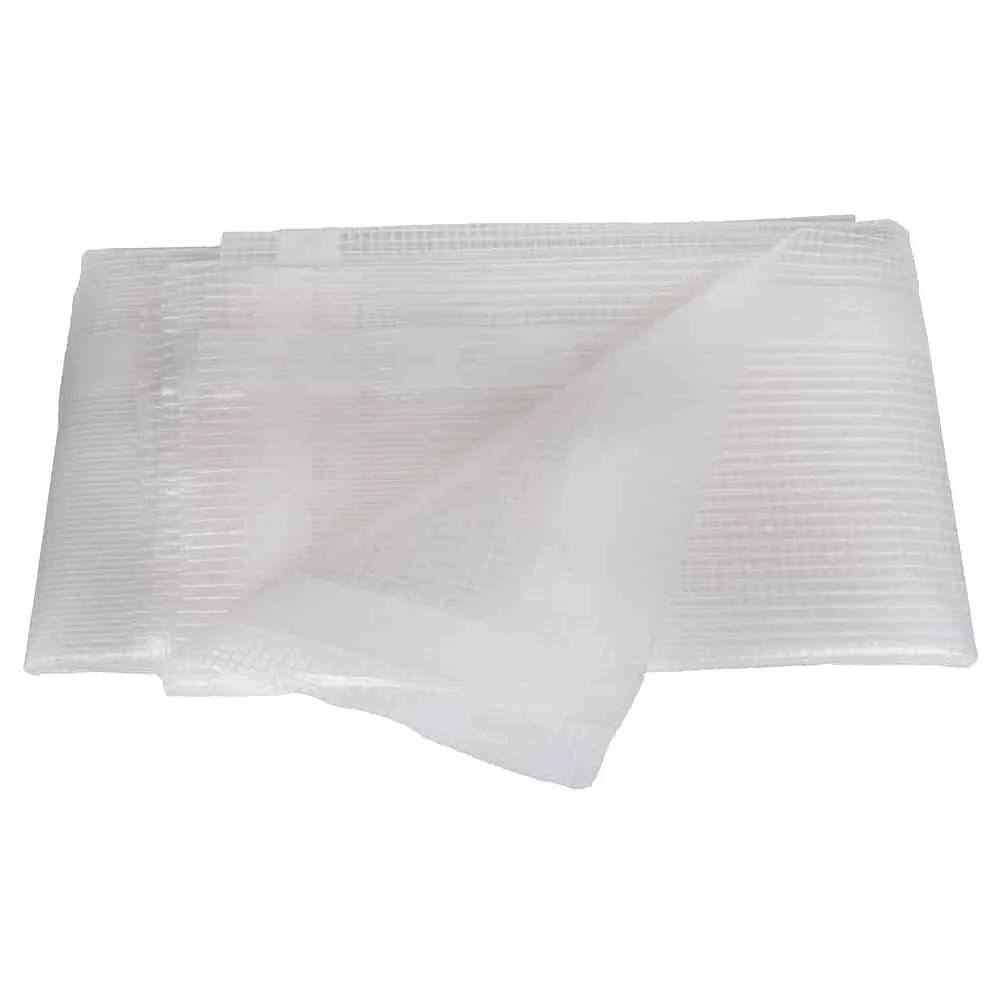
Die Wachstumsgesetze des Ligusters verstehen
Liguster (Ligustrum) treibt nach einem Schnitt besonders willig und buschig aus. Jeder Schnitt an der Spitze eines Triebs hemmt das Längenwachstum und regt die Bildung neuer Seitentriebe an. Diesen Effekt nutzen Sie, um von Beginn an eine kompakte Struktur aufzubauen.
Schneiden Sie zu selten, verkahlt die Hecke von innen. Die Blätter und Triebe bilden sich nur noch an den äußeren Enden. Ein regelmäßiger, fachgerechter Schnitt zwingt die Pflanze, auch im Inneren neue Knospen zu aktivieren.
Der Schnitt ist das wichtigste Gestaltungs- und Pflegemittel für eine Hecke. Bei Liguster gilt: Je häufiger und früher Sie in den ersten Jahren schneiden, desto dichter und standfester wird die grüne Wand.
Wann schneiden Sie Ihre Ligusterhecke am besten?
Der Zeitpunkt ist entscheidend für den Erfolg und den Schutz der Vögel. Planen Sie zwei Hauptschnitt-Termine in Ihrem Gartenkalender ein.
Der Hauptschnitt im Frühsommer
Ende Juni, nach der ersten starken Wachstumsphase und der Blüte, führen Sie den wichtigsten Schnitt des Jahres durch. Die Hecke hat dann bereits viel Masse gebildet. Sie kürzen diese auf die gewünschte Form und Höhe ein. Zu diesem Zeitpunkt ist die Brutzeit der meisten Vögel vorbei.
Wichtiger Hinweis
Prüfen Sie die Hecke vor dem Schnitt unbedingt auf bewohnte Vogelnester. Gemäß dem Bundesnaturschutzgesetz sind radikale Rückschnitte in der Zeit vom 1. März bis 30. September verboten, um brütende Tiere zu schützen. Pflegeschnitte zur Erhaltung der Form sind erlaubt, müssen aber vorsichtig und nestfrei erfolgen.
Der Nachschnitt im Spätsommer
Ein zweiter, leichter Formschnitt im August gleicht den letzten Zuwachs des Sommers aus. Dieser Schnitt hält die Konturen sauber und bereitet die Hecke auf den Winter vor. Schneiden Sie jetzt nicht zu tief ins Holz, um keine frischen Triebe zu provozieren, die vor dem Frost nicht mehr ausreifen.
Für alle Arbeiten im Freien finden Sie praktisches Zubehör in unserer Kategorie Gartenaustattung.
Wie schneiden Sie eine Ligusterhecke in die richtige Form?
Die Form bestimmt die Lichtverteilung und damit die dauerhafte Gesundheit Ihrer Hecke. Die ideale Form für eine blickdichte Hecke von Kopf bis Fuß ist ein Trapez.
Die Trapezform: Warum sie unverzichtbar ist
Schneiden Sie die Hecke so, dass der Fuß etwa 10 bis 20 Zentimeter breiter ist als die Krone. Diese leichte Schrägung gewährleistet, dass auch die unteren und inneren Blätter ausreichend Sonnenlicht erhalten. Eine gerade oder nach oben verjüngte Hecke beschattet sich selbst und wird unten kahl.
Profi-Tipp
Spannen Sie vor dem Schnitt eine Schnur als Orientierungshilfe. Dies gilt besonders für lange Heckenabschnitte. Die Schnur markiert die gewünschte Höhe und die trapezförmige Schräge. So vermeiden Sie Wellen und Ungenauigkeiten in der Linienführung.
Die Schnitttechnik Schritt für Schritt
Beginnen Sie mit den Seitenflächen. Arbeiten Sie von unten nach oben in gleichmäßigen, langen Bewegungen mit der Heckenschere. Halten Sie das Werkzeug parallel zur geplanten Heckenfläche. Schneiden Sie dann die Oberseite. Achten Sie darauf, dass die Schnittfläche eben bleibt.
Gehen Sie nach dem Grobschnitt mit einer Handschere nach. Kürzen Sie einzelne, besonders lange oder herausstehende Triebe, die das Gesamtbild stören. Dieser Feinschliff gibt der Hecke ein makelloses Aussehen.
Viele Hobbygärtner schneiden nur die äußere grüne Schicht. Für echte Dichte müssen Sie mutiger sein. Schneiden Sie bis in den vorjährigen, bereits verholzten Bereich zurück. Das aktiviert schlafende Augen und die Hecke verzweigt sich von innen heraus neu.
Welches Werkzeug brauchen Sie zum Liguster schneiden?
Die Wahl des richtigen Werkzeugs entscheidet über den Kraftaufwand und die Qualität der Schnittwunden. Stumpfe Klingen quetschen die Triebe und hinterlassen Eintrittspforten für Pilze.
Elektrische Heckenscheren für Effizienz
Für größere Hecken ist eine elektrische oder akkubetriebene Heckenschere unverzichtbar. Achten Sie auf ein handliches Gewicht und scharfe Klingen. Kabelgebundene Modelle bieten Dauerleistung, Akku-Geräte maximale Flexibilität. Eine große Auswahl finden Sie in der Kategorie Elektowerkzeuge.
Handwerkzeuge für den Feinschliff
Gute Gartenscheren und eine scharfe Bügelsäge gehören in jeden Werkzeugkoffer. Die Gartenschere verwenden Sie für den Formschnitt und das Einkürzen dünner Zweige. Die Säge kommt bei einem Verjüngungsschnitt für dicke, alte Äste zum Einsatz. Hochwertige Optionen bietet unser Sortiment an Gartenwerkzeugen.
Zusätzlicher Rat
Reinigen und desinfizieren Sie die Klingen Ihrer Werkzeuge vor und nach dem Schnitt. Dies verhindert die Übertragung von Krankheiten von einer Pflanze auf die nächste. Einfaches Abwischen mit Spiritus oder einem speziellen Desinfektionsmittel genügt. Ölen Sie bewegliche Teile regelmäßig.
Wie pflegen Sie eine Ligusterhecke nach dem Schnitt?
Der Schnitt stresst die Pflanzen. Unterstützen Sie die Regeneration mit gezielten Pflegemaßnahmen.
Wässern und Düngen für neuen Austrieb
Gießen Sie Ihre Hecke nach einem kräftigen Schnitt gründlich. Die Wurzeln können nun mehr Wasser aufnehmen, da die Blattmasse reduziert wurde. Eine leichte Düngergabe mit einem organischen oder mineralischen Volldünger etwa vier Wochen nach dem Hauptschnitt versorgt die Pflanze mit Nährstoffen für den nächsten Wachstumsschub. Düngemittel finden Sie in der Kategorie Dünger.
Schnittgut entsorgen oder verwerten
Das anfallende Grüngut können Sie häckseln und kompostieren. Ligusterblätter verrotten relativ schnell. Größere Mengen Schnittgut entsorgen Sie über die Biotonne oder den örtlichen Grünabfall. Die hilft, das Schnittgut sauber zu sammeln und zu transportieren, ohne dass Blätter und Zweige im Garten verteilt liegen.
Sonderfall: Eine alte, verkahlte Ligusterhecke verjüngen
Hat eine Hecke über Jahre nur oberflächlich einen Formschnitt erhalten, verholzt sie von innen. Die Rettung ist ein radikaler Verjüngungsschnitt.
Der Rückschnitt auf den Stock
Schneiden Sie im späten Winter, vor dem neuen Austrieb, die gesamte Hecke auf etwa 30 bis 50 Zentimeter über dem Boden zurück. Verwenden Sie dafür eine Säge und eine robuste Astschere. Diese Methode ist zwar radikal, aber Liguster treibt aus dem alten Holz zuverlässig wieder aus.
Teilen Sie den Rückschnitt bei sehr großen Hecken über zwei Jahre auf. Schneiden Sie im ersten Jahr eine Seitenfläche und die Oberseite stark zurück, im zweiten Jahr die andere Seite. So bleibt immer ein Teil der Hecke als Sichtschutz erhalten.
Pflege nach der Verjüngung
Nach dem Radikalschnitt ist die Pflege entscheidend. Wässern Sie regelmäßig und düngen Sie im Frühjahr. Schneiden Sie die neuen, weichen Triebe im ersten Jahr mehrmals leicht zurück, um sofort eine starke Verzweigung zu fördern. Schon in der darauffolgenden Saison haben Sie wieder eine junge, vitale Hecke.
Mit dieser Anlage zum Liguster schneiden sind Sie für alle Herausforderungen gewappnet. Von der jungen Pflanzung bis zur alten, renovierungsbedürftigen Hecke – der richtige Schnitt ist der Schlüssel zu einer dichten, gesunden und formschönen grünen Grenze in Ihrem Garten.
Häufige Fragen
- Wann ist der beste Zeitpunkt, um eine Ligusterhecke zu schneiden?
- Der Hauptschnitt erfolgt Ende Juni nach der ersten Wachstumsphase. Ein zweiter, leichterer Formschnitt ist im August möglich. Vermeiden Sie radikale Schnitte bei Frost oder starker Sonneneinstrahlung. Ein leichter Pflegeschnitt ist auch im zeitigen Frühjahr vor dem Austrieb erlaubt.
- Wie oft muss ich meine Ligusterhecke schneiden, damit sie dicht wird?
- Schneiden Sie junge Ligusterhecken in den ersten zwei bis drei Jahren zwei- bis dreimal pro Saison. Dies fördert die buschige Verzweigung von unten. Etablierte Hecken benötigen mindestens zwei Schnitte pro Jahr: einen im Juni und einen im August, um die Form zu halten und die Dichte zu erhalten.
- Warum wird meine Ligusterhecke unten kahl?
- Kahle Stellen entstehen meist durch eine falsche Schnittform. Wenn die Hecke oben breiter ist als unten, beschattet sie den eigenen Fuß. Schneiden Sie Ihre Hecke immer trapezförmig: Der Fuß sollte etwa 10-20 cm breiter sein als die Krone. So erreicht ausreichend Licht die unteren Triebe.
- Kann ich eine Ligusterhecke radikal zurückschneiden?
- Ja, Liguster verträgt auch einen radikalen Verjüngungsschnitt bis ins alte Holz. Führen Sie diesen im späten Winter durch, wenn keine Frostgefahr mehr besteht. Schneiden Sie nicht alles auf einmal, sondern verteilen Sie den Rückschnitt über zwei Jahre. Danach treibt die Hecke aus schlafenden Augen wieder zuverlässig aus.
- Welches Werkzeug eignet sich am besten zum Liguster schneiden?
- Für präzise Schnitte und saubere Wunden nutzen Sie eine scharfe, elektrische oder akkubetriebene Heckenschere. Für dickere, alte Äste beim Verjüngungsschnitt ist eine scharfe Astschere oder eine Bügelsäge unerlässlich. Stumpfes Werkzeug quetscht die Triebe und macht sie anfällig für Krankheiten.
Das könnte Sie auch interessieren
- Hecken richtig schneiden: Wann ist der beste Zeitpunkt?
- Buchsbaum richtig schneiden: Anleitung für perfekte Formen
- Sträucher richtig schneiden: Der ultimative Leitfaden
- Formschnitt an Ziergehölzen: So gestalten und pflegen Sie Ihre Sträucher
- Sommerflieder schneiden: Bester Zeitpunkt für Blütenpracht
- Hecke als Sichtschutz: Beste Pflanzen für Ihre Privatsphäre