
In brief: Reducing household waste starts with consciously choosing durable, reusable products and setting up a waste-sorting system. Avoid single-use items, choose sustainable alternatives such as fabric bags or reusable containers, and repair broken items. A zero-waste household is built through many small, consistent steps—not perfection.
Live sustainably: How to reduce household waste effectively
Every household produces waste. You decide how much and what kind. Waste reduction is not an ideology but a practical choice. It saves money, conserves resources and reduces the burden on the environment. This article shows you practical ways to produce less waste and support a more circular economy in everyday life.
How do I start systematically reducing household waste?
Start with an analysis. For one week, observe what ends up in your bin. Make a note of the most common types of waste. These are usually food packaging, single-use products or broken household items. You now know where to start.
Set realistic goals. You do not have to be perfect straight away. Choose one area, such as your weekly shop or personal care. Gradually replace single-use items with reusable alternatives. A system becomes established through repetition.
Top tip
Keep a "waste diary" for one week. Photograph your typical waste or make a list of keywords. This visual overview shows you the biggest opportunities for reducing waste in your household.
The kitchen: From packaging jungle to zero-waste zone
The kitchen is often the biggest source of waste. This is where plastic packaging, food waste and disposable kitchen products accumulate. Change your shopping habits. Buy loose produce at the market or from a zero-waste shop. Use your own containers for meat, cheese or cold cuts.
Store food correctly to prevent waste. Glass containers are transparent and do not affect the taste. Beeswax wraps replace cling film. A well-stocked pantry with basic ingredients prevents spontaneous purchases with excessive packaging.
Organise your food waste. A small container on the worktop collects peelings and leftovers. Empty it into the compost or organic waste bin every day. This helps prevent smells and flies.
Why is it worth saying goodbye to single-use items?
Single-use products are expensive. Add up the cost of constantly buying new plastic bags, kitchen roll or cotton pads. Investing in a sustainable alternative quickly pays for itself. You save money and reduce waste in the long term.
Single-use means wasting resources. Producing a short-lived plastic fork uses crude oil, energy and water. A stainless-steel fork, on the other hand, can serve you for decades. Choosing durability is an active contribution to the circular economy.
"The most effective waste is the waste that is never created. Every product we do not have to buy saves the entire chain of raw material extraction, production, transport and disposal."
Sustainable alternatives for everyday use
Fabric bags replace plastic bags. Choose sturdy models made from organic cotton or recycled materials. The
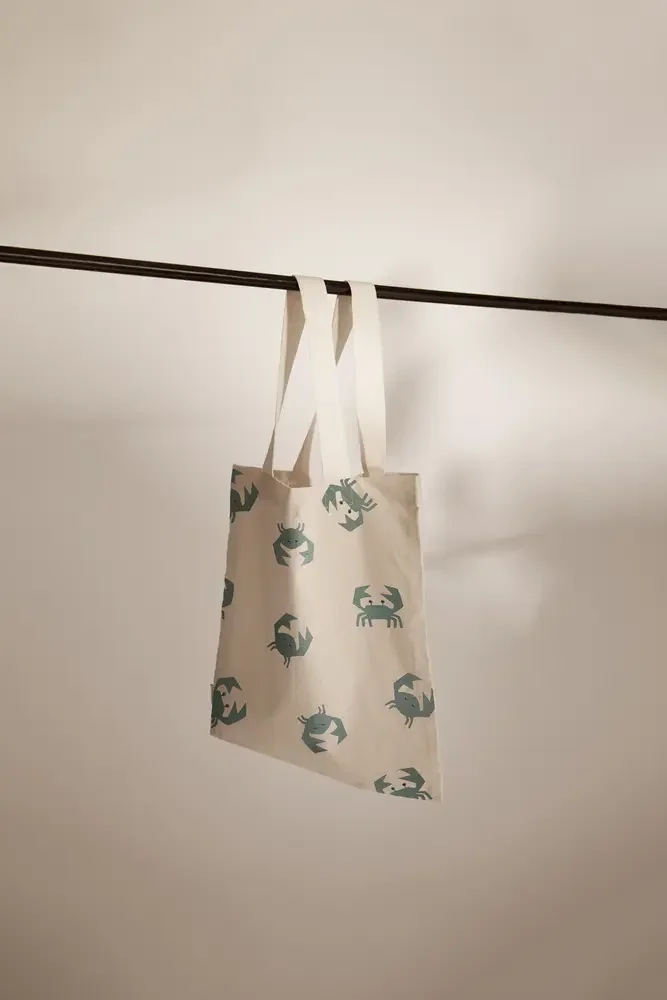
Washable microfibre cloths are ideal for cleaning. They remove dirt without chemicals and replace disposable wet wipes. For stubborn areas, use a robust brush such as the
. Its long service life makes it a sustainable tool for tackling dirt.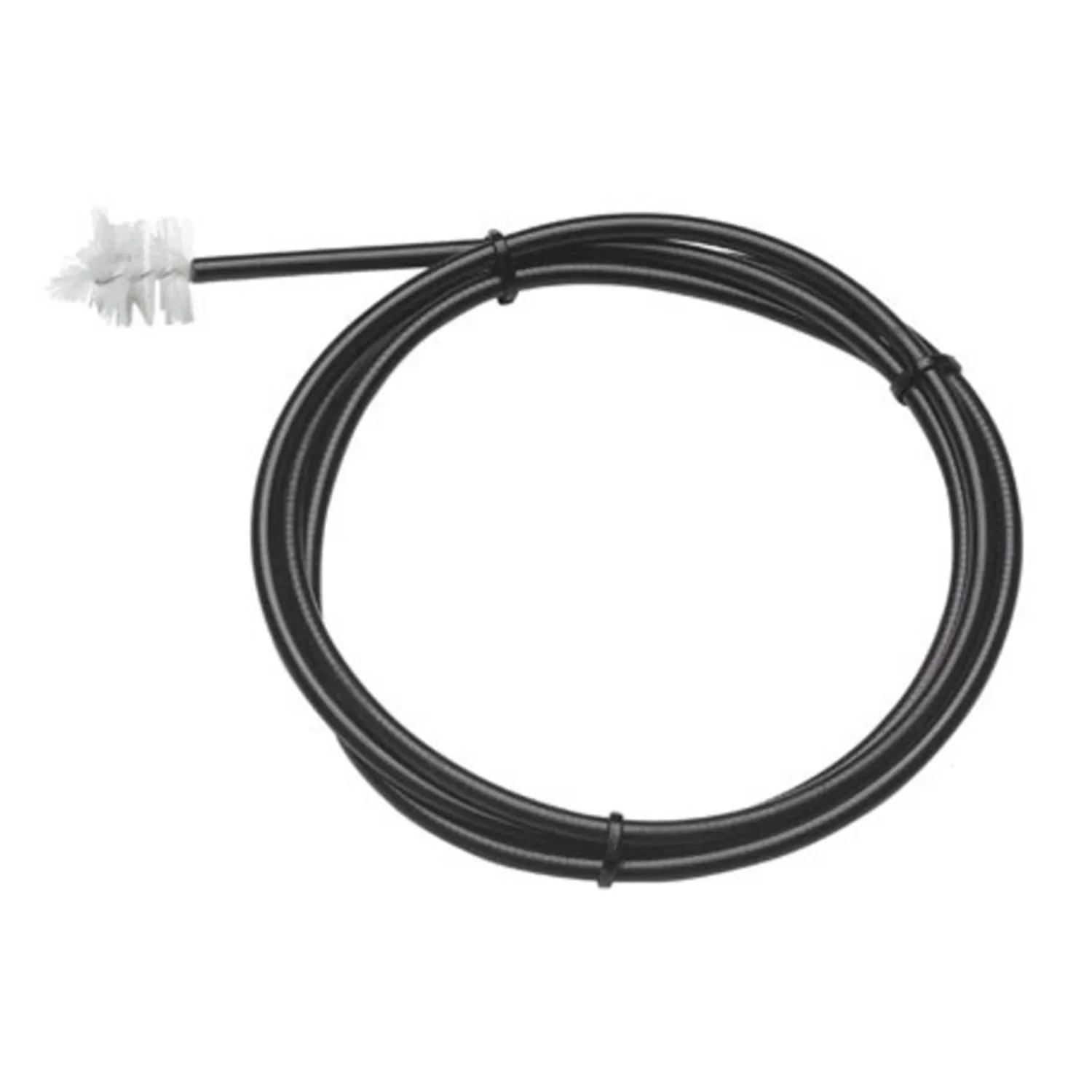
Choose repair instead of replacement. A faulty tap does not necessarily need to be replaced. Often, a new seal or thorough cleaning is enough. Special lubricating greases such as
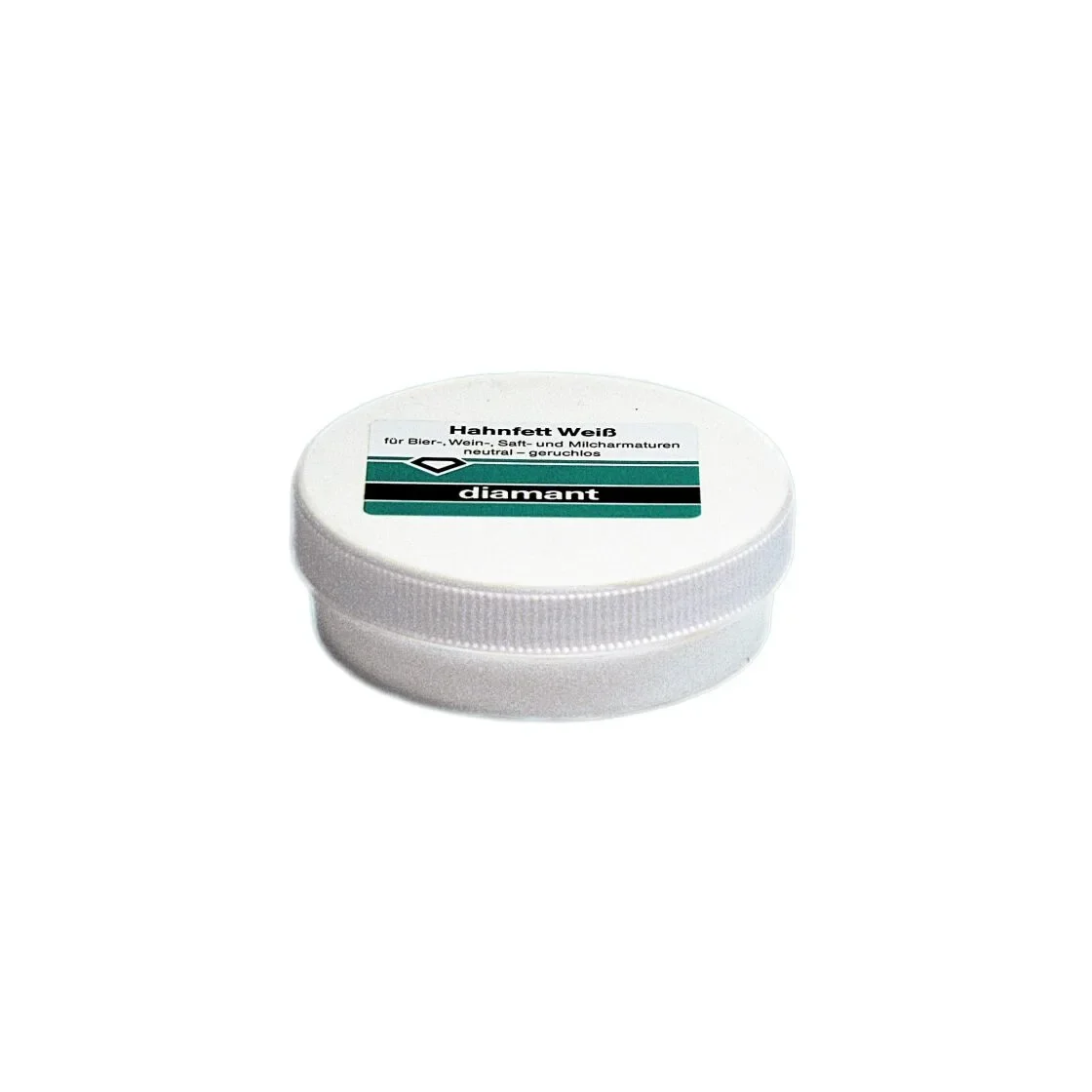
Important note
Pay close attention to the details when it comes to so-called "compostable" plastic bags. Many only break down in industrial composting facilities at high temperatures, not in a home garden or organic waste bin. They can disrupt recycling. Paper bags or your own container are better options.
How does the circular economy work in your own household?
A circular economy means using materials for as long as possible. Instead of “take, use, throw away”, the principle is “avoid, reuse, repair, recycle”. You are already applying this principle when you return glass bottles or collect waste paper.
Take this way of thinking further. Could you turn an old shirt into cleaning cloths? Could you use the jar from your last purchase of pickles to store pasta? By creatively reusing items, you close small loops in your everyday life. Discover inspiration for reusable ideas in our play food category, where products are often designed to last.
Separate your waste correctly. Only properly sorted materials can be recycled. Rinse out yoghurt pots. Separate the lid from the glass bottle. Check your local authority’s exact requirements. Correct waste separation is the basis for recycling materials.
Separate waste correctly and dispose of special waste
Electrical waste does not belong in household rubbish. Take old cables, mobile phones or toasters to a specialist retailer or recycling centre. There, experts recover valuable metals. This protects the environment and saves primary raw materials.
Hazardous waste such as paint, chemicals or medicines requires special treatment. Collect it separately and take it to a hazardous waste collection point. This prevents toxic substances from entering the soil or groundwater. Sturdy garden waste bags can be useful for transporting leftover materials.
“The highest level of the circular economy is design. Products designed from the outset for repairability, modularity and durability create hardly any waste and are the real solution.”
What sustainable alternatives are there to conventional packaging?
Reusable is better than single-use. When buying drinks, always choose reusable glass bottles where possible. Their environmental impact is unbeatable in regional return systems. Reusable systems are also available for foods such as yoghurt and cream in some supermarkets and health food shops.
Shopping without packaging is becoming increasingly popular. Bring your own jars, containers and reusable shopping bags. Fill them directly with pasta, rice, muesli or laundry detergent. This lets you avoid packaging waste completely. Shopping becomes a more mindful experience.
Make online shopping more sustainable: request plastic-free packaging that is kept to a minimum when placing online orders. Several items should be combined in one delivery. Reuse existing cardboard boxes for your own parcels.
Extra tip
Use deposit rings on glass bottles. These small plastic rings prevent deposit bottles from ending up in the glass recycling bin and losing their value. Even better: return reusable bottles directly to the shop and reclaim your deposit.
DIY: Homemade products help reduce waste
Making things yourself saves packaging. Make basil pesto instead of buying it in a plastic tub. Bake bread that only needs to be carried in a cotton cloth. Control over the ingredients and freshness are welcome added benefits.
Make your own cleaning products with ease. Use vinegar, citric acid, soda and soft soap to make an all-purpose cleaner, limescale remover and cream cleaner. You only need a few basic ingredients, which you can buy in larger packs or without packaging. Store the mixtures in old spray bottles.
Upcycling gives old materials a new purpose. A tin can becomes a pen holder. A discarded bicycle inner tube can be turned into sturdy rubber bands. Your creativity is the only limit. Explore categories such as Little items2 for ideas on giving small things a new lease of life.
How can I integrate zero waste into my bathroom and living room?
Plastic packaging and disposable products dominate the bathroom. Switch to solid products. A shampoo bar replaces a plastic shampoo bottle. Shaving soap with a brush and a metal safety razor makes disposable razors unnecessary. Solid deodorant creams come in glass jars or tins.
Cotton pads and makeup remover wipes create waste every day. Washable fabric pads made from soft cotton or microfibre are the solution. Simply wash them with your next load of laundry. They are often better quality than their disposable alternatives.
In the living room, reduce waste through quality and proper care. Invest in durable furniture instead of disposable products. Repair a wobbly chair before throwing it away. Decorate with natural materials such as wood, stone or plants instead of short-lived trend items.
Making special occasions more sustainable
Parties and celebrations often create a lot of waste. Plan ahead. Use real crockery and cutlery instead of disposable products. Decorate with reusable items such as fabric banners, candles or fresh flowers. For children’s birthday parties, you can find sustainable ideas in the We celebrate birthdays section.
Wrap gifts in attractive wrapping paper saved from previous occasions, fabric bags or newspaper. Keep the ribbon for reuse. Give experiences, vouchers or homemade gifts instead of mass-produced, heavily packaged items. That way, the joy remains—not the waste.
Christmas does not have to be dominated by plastic. A natural Advent wreath, homemade biscuits and gifts from second-hand shops or local craftspeople create a special atmosphere. Our Christmas toys ideas offer inspiration for sustainable toys.
Your journey towards less waste is personal. What matters is taking the first step and continuing to improve. Every item of packaging you avoid and every appliance you repair makes a difference. A sustainable household does not happen overnight; it develops through conscious everyday decisions. Start with one thing today.
Frequently asked questions
- What are the first steps towards a zero-waste household?
- Start by taking stock of your waste. Identify the biggest sources of waste, often packaging or single-use products. Then systematically replace these items with sustainable alternatives, such as a reusable shopping bag instead of plastic bags or bar soap instead of single-use bottles.
- How can I reduce plastic waste in the bathroom?
- Use bar soap, shampoo bars and metal safety razors. Replace cotton pads with washable fabric pads. Bamboo toothbrushes are a good alternative to plastic toothbrushes. When buying cosmetics, look for refill packs or package-free products.
- Is composting possible in an apartment?
- Yes, with a worm composter or a special Bokashi bin. These systems process organic kitchen waste with minimal odour into valuable compost or liquid fertiliser, even in small spaces such as a balcony or kitchen.
- How can I effectively prevent food waste?
- Plan your shopping with a shopping list. Store food correctly, keeping apples separate from other fruit, for example. Use your freezer to preserve food. Get creative with leftovers: turn vegetable scraps into soup and stale bread into a bake.
- What should I do with broken items that can no longer be repaired?
- Check whether any individual parts can still be used. Separate the materials for recycling wherever possible. Take electrical waste to a specialist retailer or recycling centre. Find out about local upcycling projects that creatively reuse materials.
You may also be interested in
- Zero waste at home: Simple tips for everyday life
- Stop food waste: 15 practical household tips
- Recycling at home: Effective waste separation for a sustainable lifestyle
- Live sustainably: Practical ways to make your home more eco-friendly
- Household waste separation: The simple rule of thumb
- Zero-waste Christmas tree decorations: Celebrate Christmas sustainably