
Kurz erklärt: Die Immergrüne Heckenkirsche (Lonicera nitida) ist eine ideale Heckenpflanze für einen pflegeleichten, ganzjährigen Sichtschutz. Sie wächst schnell, ist extrem schnittverträglich und eine robuste Alternative zum Buchsbaum. Mit regelmäßigem Schnitt formen Sie dichte, blickdichte Hecken, die Vögeln Schutz bieten und Ihren Garten das ganze Jahr über strukturieren.
Inhaltsverzeichnis
- Was macht die Immergrüne Heckenkirsche so beliebt?
- Wie pflanzen Sie Lonicera nitida richtig?
- Die richtige Pflege für eine dichte Hecke: So geht's
- Wann und wie oft sollten Sie die Heckenkirsche schneiden?
- Lonicera nitida als vielseitiger Sichtschutz im Garten
- Alternativen und beliebte Sorten der Heckenkirsche
Sie suchen eine Hecke, die schnell wächst, das ganze Jahr über blickdicht ist und kaum Ansprüche stellt? Dann ist die Immergrüne Heckenkirsche, Lonicera nitida, die perfekte Wahl für Ihren Garten + Outdoor Bereich. Dieses robuste Gehölz hat sich als pflegeleichte und widerstandsfähige Alternative zum krankheitsanfälligen Buchsbaum etabliert. Mit ihren kleinen, dichten Blättern und ihrem schnellen Wuchs schafft sie in kurzer Zeit einen perfekten Sichtschutz.
Was macht die Immergrüne Heckenkirsche so beliebt?
Lonicera nitida, auch Böschungsmyrte oder Heckenmyrte genannt, überzeugt durch eine Kombination aus Eigenschaften, die sie für Hecken und Formschnitte prädestinieren. Ihre Beliebtheit ist kein Zufall, sondern das Ergebnis handfester Vorteile.
Der offensichtlichste Pluspunkt ist ihr immergrünes Laub. Anders als sommergrüne Hecken bietet sie auch im tiefsten Winter einen zuverlässigen Sicht- und Windschutz. Die kleinen, glänzenden Blätter sorgen für eine feine, elegante Textur, die der des Buchsbaums sehr ähnlich ist. Dies macht sie zu einem idealen Ersatz, falls Sie mit dem Buchsbaumzünsler zu kämpfen haben.
Ihre Wuchsgeschwindigkeit ist beachtlich. Mit einem Zuwachs von bis zu 40 Zentimetern pro Jahr schließt sie Lücken schnell und bildet eine dichte grüne Wand. Gleichzeitig ist sie extrem schnittverträglich. Selbst radikale Rückschnitte ins alte Holz steckt sie problemlos weg und treibt zuverlässig wieder aus. Das macht die Pflege unkompliziert und verzeiht auch mal einen Schnittfehler.
Zudem ist die Heckenkirsche anspruchslos und robust. Sie gedeiht an sonnigen wie auch an schattigen Standorten und kommt mit den meisten Gartenböden zurecht. Ihre hohe Widerstandsfähigkeit gegenüber Krankheiten und Schädlingen reduziert den Pflegeaufwand auf ein Minimum.
Zusätzlicher Rat
Die dichte Verzweigung der Lonicera nitida bietet heimischen Vögeln wie dem Zaunkönig oder dem Rotkehlchen einen idealen Nist- und Schutzplatz. Mit einer Heckenkirsche schaffen Sie also nicht nur Privatsphäre, sondern auch wertvollen Lebensraum für die Tierwelt in Ihrem Garten.
Wie pflanzen Sie Lonicera nitida richtig?
Eine sorgfältige Pflanzung legt den Grundstein für eine gesunde und dichte Hecke, an der Sie viele Jahre Freude haben werden. Mit wenigen Schritten sichern Sie Ihrer Heckenkirsche einen optimalen Start.
Der ideale Standort und Boden
Die Lonicera nitida ist sehr anpassungsfähig. Sie wächst sowohl in der vollen Sonne als auch im tiefen Schatten. Ideal ist ein Standort im Halbschatten. An den Boden stellt sie ebenfalls keine hohen Ansprüche. Ein normaler, gut durchlässiger und nährstoffreicher Gartenboden ist perfekt. Was sie nicht verträgt, ist Staunässe. Sorgen Sie bei schweren, lehmigen Böden für eine gute Drainage, indem Sie Sand oder feinen Kies in das Pflanzloch mischen.
Eine sorgfältige Bodenvorbereitung ist der Schlüssel zum Erfolg jeder Heckenpflanzung. Lockern Sie den Boden tiefgründig und arbeiten Sie reifen Kompost ein, um den jungen Pflanzen den bestmöglichen Start zu ermöglichen.
Pflanzzeit und Pflanzabstand
Die besten Pflanzzeiten sind das Frühjahr und der Herbst. So haben die Pflanzen ausreichend Zeit, vor dem Sommerstress oder dem Winterfrost gut einzuwurzeln. Containerware können Sie theoretisch das ganze Jahr über pflanzen, solange der Boden nicht gefroren ist.
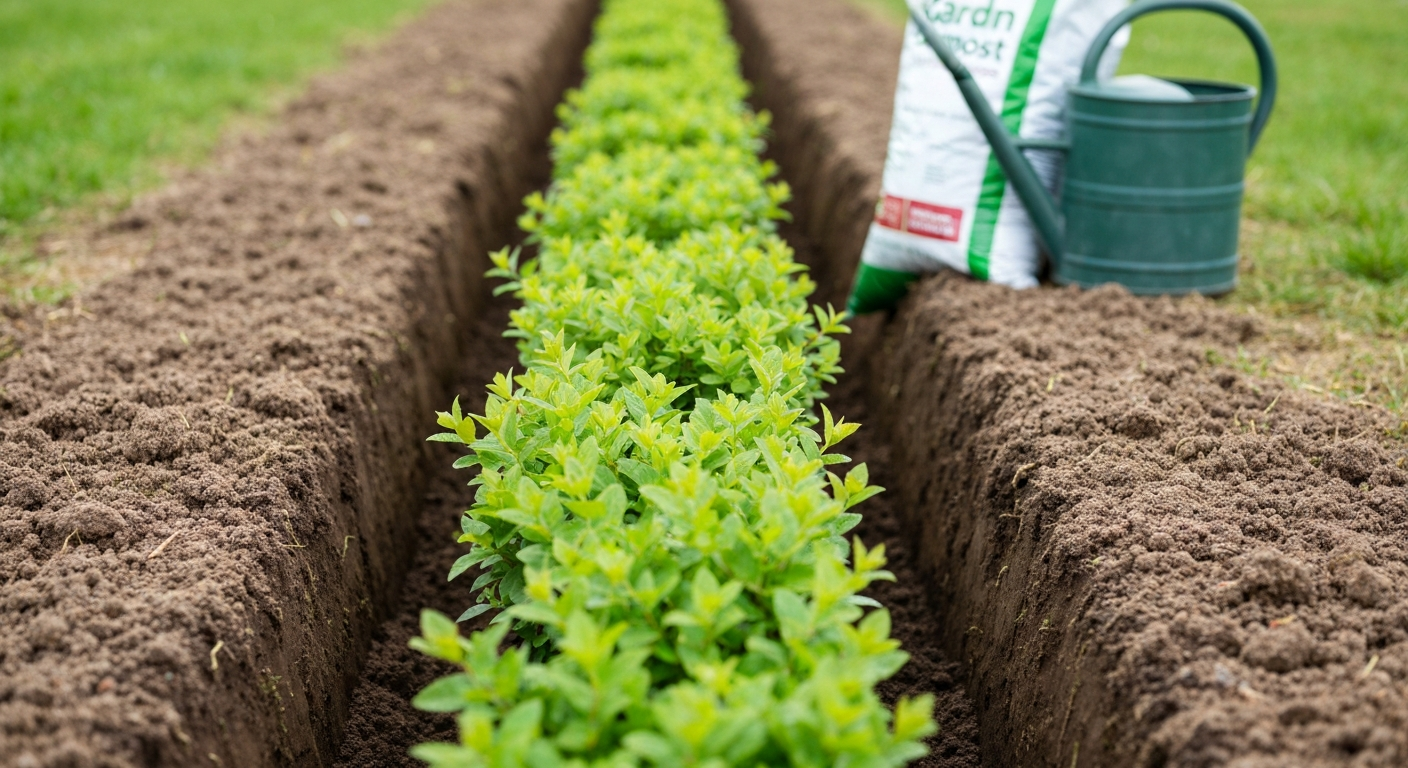
Für eine dichte Hecke setzen Sie etwa drei bis fünf Pflanzen pro laufendem Meter. Der genaue Abstand hängt von der Ausgangsgröße der Pflanzen ab. Heben Sie einen Pflanzgraben aus, der doppelt so breit und tief ist wie der Wurzelballen. Lockern Sie die Grabensohle auf und wässern Sie die Pflanzen vor dem Einsetzen gründlich. Setzen Sie die Lonicera so tief ein, wie sie zuvor im Topf stand, füllen Sie den Graben mit Erde auf und treten Sie diese leicht an. Ein großzügiges Angießen schließt die Pflanzung ab.
Die richtige Pflege für eine dichte Hecke: So geht's
Einmal etabliert, ist die Immergrüne Heckenkirsche äußerst pflegeleicht. Mit minimalem Aufwand erhalten Sie eine gesunde, dichte und attraktive Hecke.
Gießen und Wasserbedarf
Nach der Pflanzung ist regelmäßiges Gießen entscheidend, damit die Wurzeln gut anwachsen. Halten Sie den Boden in den ersten Wochen konstant feucht, aber nicht nass. Sobald die Hecke gut etabliert ist, kommt sie auch mit trockeneren Phasen gut zurecht. Bei langanhaltender Trockenheit, besonders im Sommer, sollten Sie jedoch zusätzlich wässern. Denken Sie auch daran, an frostfreien Tagen im Winter gelegentlich zu gießen, da immergrüne Pflanzen auch in der kalten Jahreszeit Wasser über ihre Blätter verdunsten.
Düngung für kräftiges Wachstum
Die Heckenkirsche ist kein Starkzehrer, freut sich aber über eine Nährstoffgabe im Frühjahr. Eine Schicht reifer Kompost oder eine Handvoll organischer Dünger, leicht in den Boden eingearbeitet, reicht völlig aus. Dies fördert ein kräftiges Wachstum und eine intensive Blattfarbe. Eine übermäßige Düngung ist nicht notwendig und kann sogar schaden.
Profi-Tipp
Eine Mulchschicht aus Rindenmulch oder Rasenschnitt unter der Hecke sieht nicht nur ordentlich aus, sondern hat viele Vorteile. Sie unterdrückt Unkraut, hält die Feuchtigkeit im Boden und liefert beim Verrotten langsam Nährstoffe. Für junge Pflanzen können Sie auch eine Pflanzenschutzmatte aus Kokos
verwenden, die den Boden schützt und das Anwachsen erleichtert.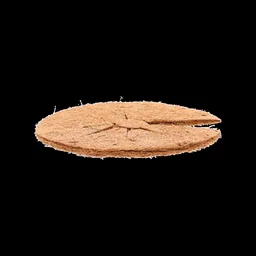
Schutz vor Schädlingen und Krankheiten
Einer der größten Vorteile der Lonicera nitida ist ihre Robustheit. Sie ist weitgehend unempfindlich gegenüber den typischen Heckenkrankheiten. Selbst der gefürchtete Buchsbaumzünsler lässt sie links liegen. Gelegentlich können Blattläuse auftreten, diese lassen sich aber meist mit einem kräftigen Wasserstrahl entfernen. Bei sehr feuchter Witterung an schattigen Standorten kann Mehltau ein Thema sein. Hier hilft ein luftiger Schnitt, damit die Blätter schnell abtrocknen können. Gezielter Ungeziefer- + Pflanzenschutz ist nur in seltenen Fällen notwendig.
Wann und wie oft sollten Sie die Heckenkirsche schneiden?
Der regelmäßige Heckenschnitt ist der wichtigste Teil der Pflege und entscheidet darüber, ob Ihre Hecke licht und lückig oder dicht und kompakt wird. Dank ihrer enormen Schnittverträglichkeit ist dies bei der Lonicera nitida aber eine einfache Übung.
Um die Hecke in Form zu halten und die Verzweigung anzuregen, sollten Sie sie zwei- bis dreimal pro Jahr schneiden. Ein erster, kräftigerer Schnitt erfolgt am besten nach dem ersten Wachstumsschub Ende Juni. Ein weiterer, leichterer Formschnitt kann Ende August oder Anfang September erfolgen. Vermeiden Sie den Schnitt bei starker Sonneneinstrahlung, um Verbrennungen an den Schnittstellen zu verhindern, und schneiden Sie nicht bei Frost.
Wichtiger Hinweis
Beachten Sie beim Heckenschnitt das Bundesnaturschutzgesetz. Zwischen dem 1. März und dem 30. September sind radikale Rückschnitte verboten, um brütende Vögel zu schützen. Schonende Form- und Pflegeschnitte sind jedoch erlaubt. Prüfen Sie die Hecke vor jedem Schnitt sorgfältig auf Nester.
Für eine gesunde Hecke, die auch im unteren Bereich dicht bleibt, empfiehlt sich ein Trapezschnitt. Schneiden Sie die Hecke so, dass sie an der Basis etwas breiter ist als an der Krone. So gelangt auch an die unteren Blätter ausreichend Licht und die Hecke verkahlt nicht von unten. Mit einer guten Heckenschere aus unserem Sortiment für Gartenwerkzeuge geht die Arbeit leicht von der Hand.
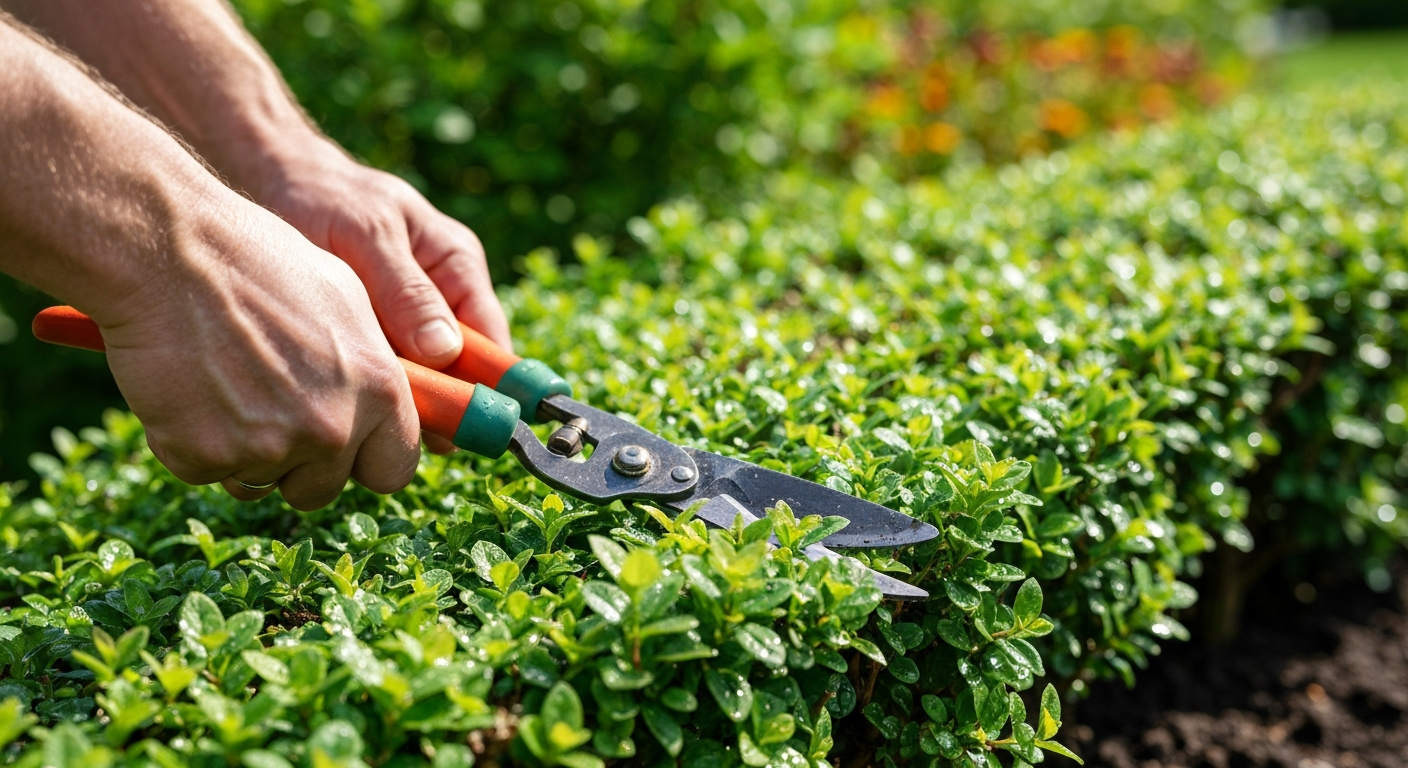
Der Trapezschnitt, bei dem die Hecke nach oben hin schmaler wird, ist nicht nur eine Frage der Ästhetik. Er sorgt dafür, dass auch die unteren Zweige ausreichend Licht bekommen und die Hecke von Grund auf dicht bleibt.
Lonicera nitida als vielseitiger Sichtschutz im Garten
Die Hauptaufgabe einer Hecke ist oft die Schaffung von Privatsphäre. Hier spielt die Immergrüne Heckenkirsche ihre Stärken voll aus. Durch ihren schnellen und dichten Wuchs entsteht in wenigen Jahren eine undurchdringliche grüne Wand, die neugierige Blicke abhält und den Garten in einen geschützten Rückzugsort verwandelt.
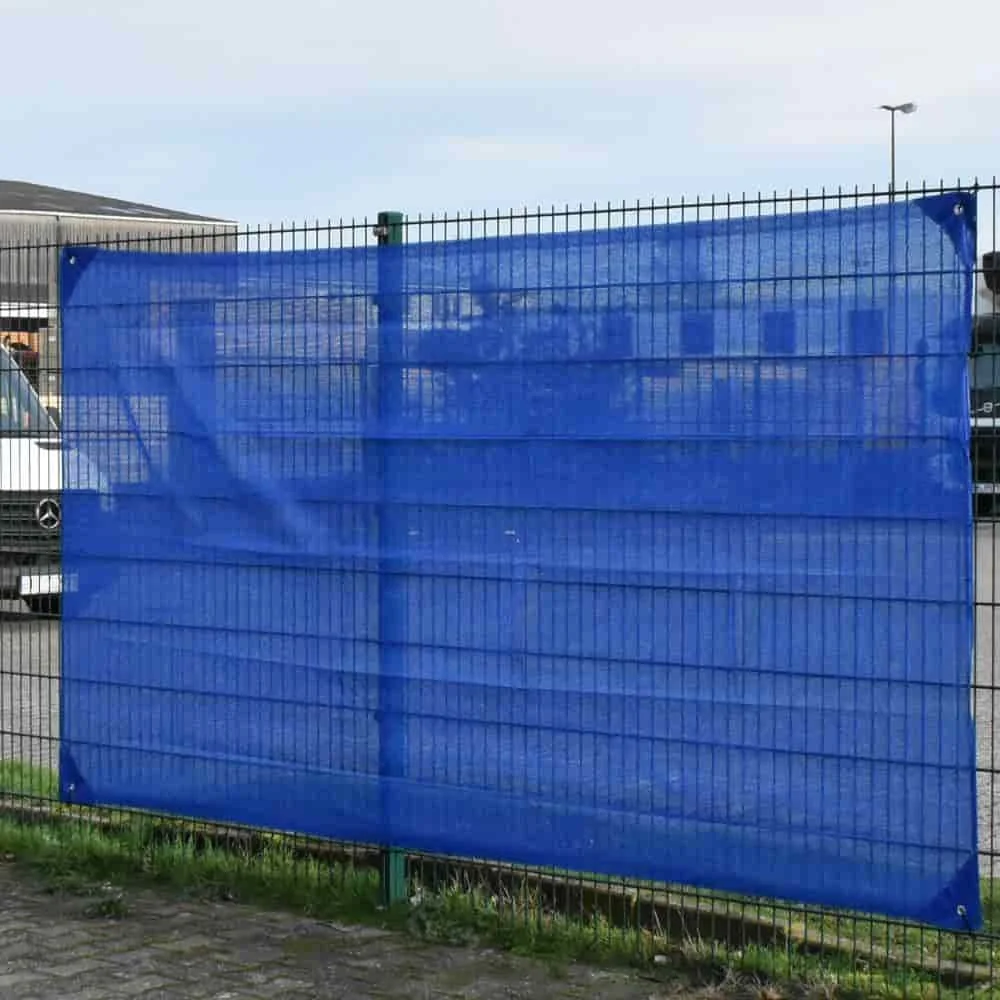
Doch was tun, bis die Hecke ihre volle Höhe erreicht hat? Für eine sofortige Lösung können Sie auf temporären Sichtschutz zurückgreifen. Eine grüne Bauzaunblende
oder ein blaues Bauzaunnetz kann an einem bestehenden Zaun befestigt werden und bietet sofortigen Schutz, während Ihre Lonicera-Hecke wächst. Diese praktischen Helfer finden Sie in unserer Kategorie Planen + Netze.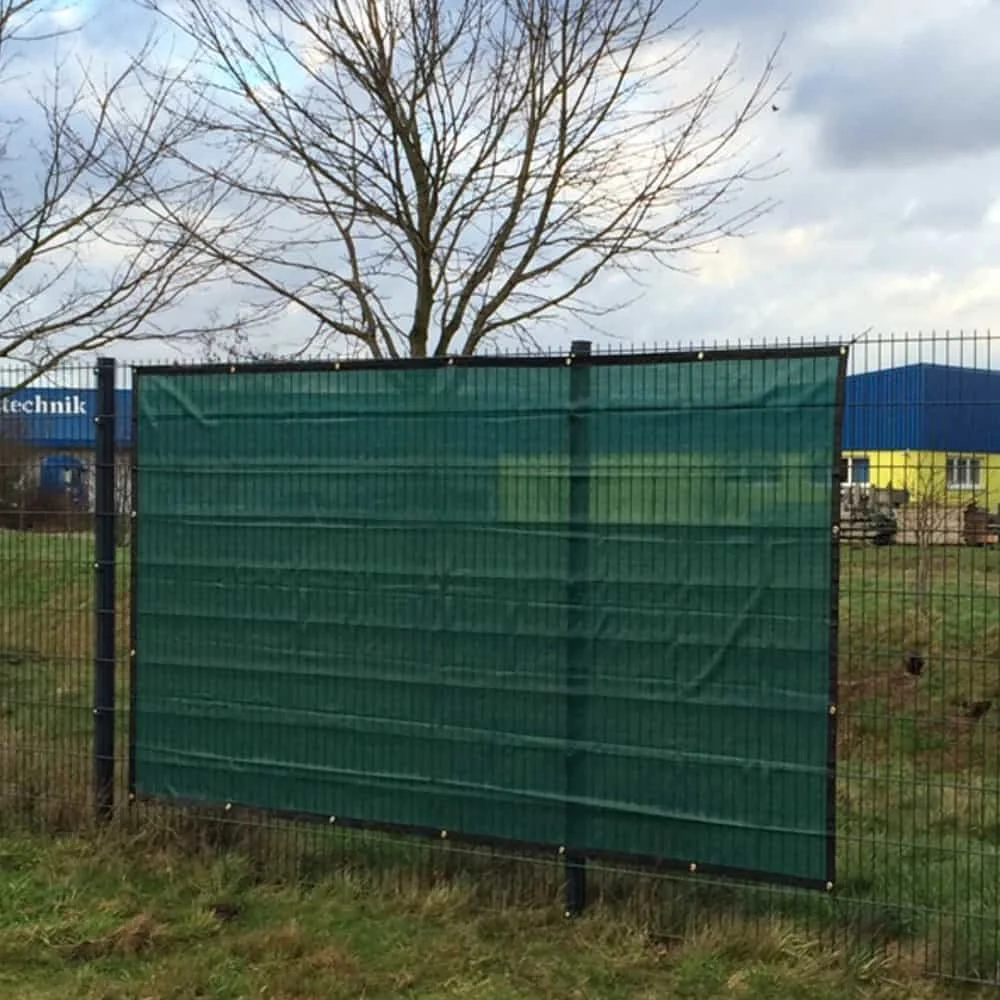
Lonicera nitida eignet sich aber nicht nur als klassische Hecke. Aufgrund ihrer Schnittverträglichkeit ist sie auch eine hervorragende Pflanze für den Formschnitt. Kugeln, Kegel oder andere geometrische Formen lassen sich leicht gestalten und setzen Akzente im Garten. In flacher Form geschnitten, dient sie als robuster und trittfester Bodendecker, der Unkraut effektiv unterdrückt. Auch in großen Kübeln auf Terrasse oder Balkon macht sie eine gute Figur.
Alternativen und beliebte Sorten der Heckenkirsche
Innerhalb der Art Lonicera nitida gibt es verschiedene Sorten, die sich in Blattfarbe und Wuchsform leicht unterscheiden. Zu den beliebtesten gehören:
- 'Maigrün': Wie der Name schon sagt, besticht diese Sorte durch einen frischgrünen, leuchtenden Austrieb. Sie wächst sehr kompakt und dicht.
- 'Elegant': Diese Sorte hat einen etwas überhängenden, bogigen Wuchs und wirkt dadurch besonders grazil und natürlich.
- 'Baggesen's Gold': Eine Sorte mit gelbgrünen Blättern, die besonders an sonnigen Standorten für leuchtende Farbakzente sorgt.
Im Vergleich zu anderen Heckenpflanzen positioniert sich die Lonicera nitida als unkomplizierter Allrounder. Sie ist wüchsiger als Eibe (Taxus), feiner belaubt als Kirschlorbeer (Prunus laurocerasus) und deutlich robuster als Buchsbaum (Buxus). Lediglich bei der Standortwahl ist Liguster (Ligustrum) ähnlich tolerant. Wer eine schnell wachsende, pflegeleichte und optisch ansprechende immergrüne Hecke sucht, trifft mit der Heckenkirsche eine ausgezeichnete Wahl.
Häufige Fragen
- Wie schnell wächst die Lonicera nitida?
- Die Immergrüne Heckenkirsche wächst je nach Sorte und Standortbedingungen zwischen 20 und 40 Zentimetern pro Jahr. Dieser schnelle Wuchs ermöglicht es Ihnen, in kurzer Zeit eine geschlossene, blickdichte Hecke zu etablieren. Regelmäßiger Schnitt fördert zudem eine noch dichtere Verzweigung der Pflanze.
- Ist die Heckenkirsche Lonicera nitida giftig?
- Ja, die Beeren der Lonicera nitida sind leicht giftig. Sie verursachen bei Verzehr Magen-Darm-Beschwerden. Da die Pflanze bei regelmäßigem Schnitt jedoch nur selten Blüten und Früchte ansetzt, ist die Gefahr gering. Dennoch sollten Sie bei Haushalten mit kleinen Kindern Vorsicht walten lassen.
- Wann ist die beste Zeit, um eine Heckenkirsche zu schneiden?
- Der beste Zeitpunkt für den Hauptschnitt ist im späten Frühling, etwa Ende Juni. Ein zweiter, leichterer Formschnitt kann im Spätsommer erfolgen. Vermeiden Sie einen Schnitt in praller Sonne oder bei Frost, um die frisch geschnittenen Triebe nicht zu schädigen und die Pflanze zu schonen.
- Wie viele Lonicera nitida pflanzt man pro Meter?
- Für eine dichte Hecke benötigen Sie etwa drei bis fünf Pflanzen pro laufendem Meter. Der genaue Abstand hängt von der Größe der gekauften Pflanzen und der gewünschten Dichte ab. Ein geringerer Abstand führt schneller zu einer geschlossenen Hecke, erfordert aber auch mehr Pflanzen.
- Ist die Lonicera nitida eine gute Alternative zum Buchsbaum?
- Ja, Lonicera nitida ist eine hervorragende Alternative zum Buchsbaum. Sie ist widerstandsfähiger gegen Krankheiten und Schädlinge wie den Buchsbaumzünsler, wächst schneller und ist ebenso schnittverträglich. Ihre kleinen, dichten Blätter ähneln optisch stark denen des Buchsbaums, was sie ideal für Formschnitte macht.
Das könnte Sie auch interessieren
- Kirschlorbeer 'Herbergii': Pflanzung und Pflege der Hecke
- Heckenpflanzen wählen und richtig setzen: Der komplette Leitfaden
- Thuja pflanzen und pflegen: Der ultimative Ratgeber
- Sichtschutznetz oder Hecke: Der direkte Vergleich für Ihren Garten
- Buchenhecke pflanzen & pflegen: Robuster Sichtschutz
- Schwarzdorn (Schlehe): Der robuste Alleskönner im Garten