
Kurz erklärt: Sie bekämpfen Maden am effektivsten durch direkte Beseitigung der Brutstätten. Entfernen Sie konsequent organische Abfälle, reinigen Sie Mülltonnen mit Essigwasser und verschließen Sie Kompost. Gegen Obstmaden helfen spezielle Fallen und das frühzeitige Aufhängen von Leimringen. Für einen dauerhaften Garten + Outdoor Schutz kombinieren Sie mechanische Barrieren mit natürlichen Pflanzenjauchen.
Maden im Garten und Haushalt: Ursachen und Identifikation
Maden sind die Larvenstadien verschiedener Fliegen- und Käferarten. Sie erscheinen nicht zufällig, sondern folgen immer einer attraktiven Quelle. Im Haus sind das offene Lebensmittel, feuchter Biomüll oder Tierfutterreste. Im Garten locken faulendes Obst, ungeschützter Kompost oder bestimmte Gemüsepflanzen die Insekten zur Eiablage an.
Die erste Maßnahme ist die genaue Beobachtung. Wo sammeln sich die Maden? Handelt es sich um weiße, beinlose Larven in der Biotonne? Das sind typische Fliegenmaden. Finden Sie hingegen wurmartige Larven in Äpfeln oder Pflaumen, haben Sie es mit Obstmaden wie dem Apfel- oder Pflaumenwickler zu tun. Die richtige Identifikation bestimmt Ihre Bekämpfungsstrategie.
Ein sauberer Garten ist der erste Schritt zur Schädlingskontrolle. Maden sind kein Zeichen von Vernachlässigung, sondern ein biologisches Feedback. Sie zeigen an, wo organisches Material ungeschützt verrottet und damit eine Ressource für Schadinsekten darstellt.
Verstehen Sie Maden als Symptom. Ihr Ziel ist nicht nur die akute Beseitigung, sondern die Beseitigung der Ursache. Das schafft langfristigen Schutz und reduziert den Arbeitsaufwand. Durchbrechen Sie den Kreislauf aus Eiablage und Larvenentwicklung.
Wie werde ich Maden in der Mülltonne und im Haus los?
Die Biotonne ist der häufigste Schauplatz. Fliegen legen ihre Eier auf feuchte, organische Abfälle. Die geschlüpften Maden finden dort ideale Bedingungen vor. Ihre Gegenmaßnahme muss schnell und gründlich sein.
Leeren Sie die befallene Tonne sofort komplett. Bürsten Sie sie anschließend mit einer harten Bürste und einer Mischung aus Wasser und Haushaltsessig aus. Essig neutralisiert Gerüche und wirkt desinfizierend. Lassen Sie die Tonne mehrere Stunden in der Sonne trocknen, bevor Sie einen neuen Müllsack einlegen.
Wichtiger Hinweis
Verwenden Sie niemals chemische Insektizide oder Desinfektionsmittel in Ihrer Biotonne. Diese Stoffe töten die für die Kompostierung wichtigen Mikroorganismen ab und können Ihren Kompost vergiften. Halten Sie sich an natürliche Reiniger wie Essig, Soda oder Kernseife.
Streuen Sie vor dem Neubefüllen eine Schicht Gesteinsmehl, Gartenkalk oder gelöschten Kalk auf den Tonnenboden. Diese Stoffe entziehen den Maden Feuchtigkeit und wirken austrocknend. Wickeln Sie feuchte Küchenabfälle stets in Zeitungspapier ein. Das bindet Flüssigkeit und macht die Abfälle weniger attraktiv.
Im Haushalt gilt absolute Sauberkeit als beste Prävention. Lagern Sie Obst nicht offen in Schalen. Bewahren Sie trockene Vorräte wie Mehl, Nudeln oder Haferflocken in fest schließenden Behältern auf. Saugen und wischen Sie regelmäßig, um selbst kleinste Krümel zu entfernen. Fliegengitter an Fenstern und Türen sind eine unverzichtbare physikalische Barriere.
Natürliche Helfer für den Hausgebrauch
Setzen Sie auf Duftbarrieren. Fliegen meiden den Geruch von Lorbeeröl, Lavendel oder Nelken. Tränken Sie Lappen mit ätherischen Ölen und legen Sie sie in den Unterschrank der Mülltonne. Stellen Sie Töpfe mit stark duftenden Kräutern wie Minze oder Basilikum auf die Fensterbank in der Küche.
Für bereits geschlüpfte Maden in schwer erreichbaren Ecken hilft Kieselgur. Dieses feine Pulver aus fossilen Kieselalgen ist für Menschen und Haustungefährlich, aber für Insekten tödlich. Es verletzt deren Chitinpanzer und führt zur Austrocknung. Streuen Sie es dünn in Ritzen und Ecken aus.
Effektive Strategien gegen Obstmaden im Garten
Obstmaden wie der Apfelwickler ruinieren die Ernte von Kernobst. Der unscheinbare Falter legt seine Eier an die jungen Früchte. Die geschlüpften Larven bohren sich ins Innere und fressen sich satt. Sie erkennen den Befall an kleinen Bohrlöchern und vorzeitiger Fruchtfäule.
Die Bekämpfung setzt früh im Jahr an. Bringen Sie im Spätwinter Leimringe um die Stämme Ihrer Obstbäume an. Diese fangen die flugunfähigen Weibchen des Frostspanners ab, einer weiteren Schadraupe. Ab Mai hängen Sie Pheromonfallen in die Baumkrone. Sie locken männliche Apfel- oder Pflaumenwickler an und verhindern so die Paarung.
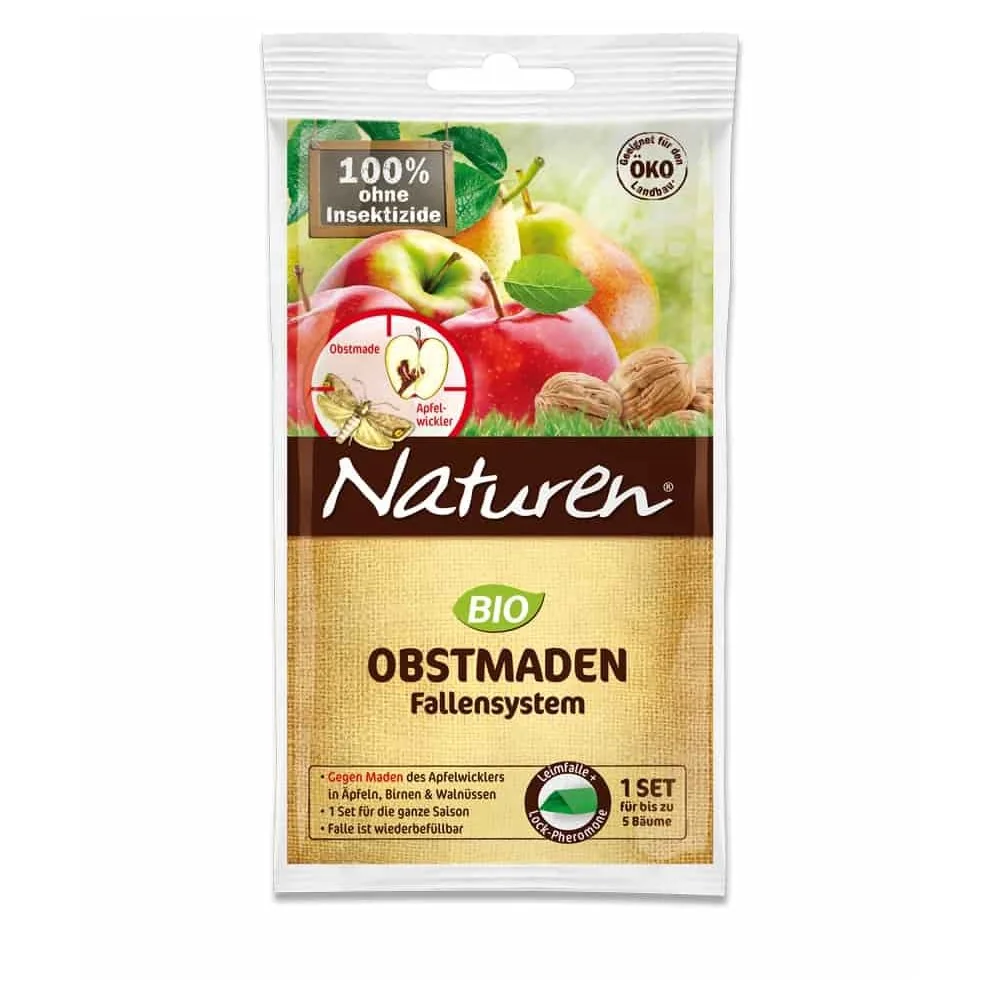
und sind solche spezialisierten Fallen. Sie sind wartungsarm und wirken gezielt gegen die jeweilige Schmetterlingsart, ohne Nützlinge zu gefährden. Hängen Sie je Baum eine Falle in die windzugewandte Krone.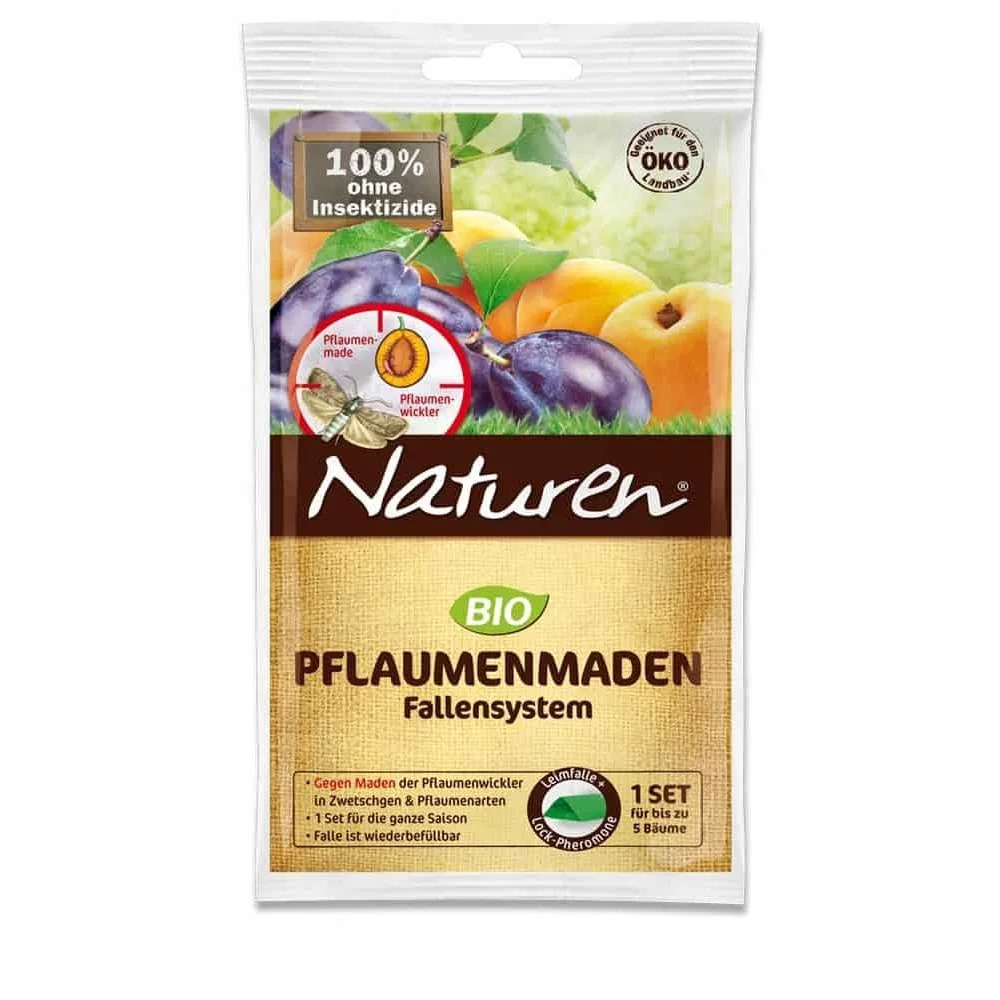
Profi-Tipp
Sammeln Sie von Juni bis August regelmäßig alle befallenen Früchte vom Boden auf und entsorgen Sie sie über den Restmüll, nicht auf dem Kompost. Damit unterbrechen Sie den Entwicklungszyklus, da die Larven in den abgefallenen Früchten nicht zur Verpuppung kommen. Dies ist eine der wirksamsten mechanischen Methoden.
Fördern Sie natürliche Fressfeinde. Vögel wie Meisen sind effiziente Larvenjäger. Bringen Sie Nistkästen an. Auch Ohrwürmer vertilgen Blattläuse und kleine Raupen. Stellen Sie mit Holzwolle gefüllte, umgedrehte Tontöpfe als Unterschlupf in die Bäume. Ein vielfältiger Garten mit Hecken und Blühstreifen bietet diesen Nützlingen Lebensraum.
Natürliche Schädlingsmittel für den Gemüseschutz
Im Gemüsebeet sind es oft die Larven von Gemüsefliegen, die Schaden anrichten. Die Möhrenfliege, die Zwiebelfliege oder die Kohlfliege legen ihre Eier an die Wurzelhälse der Pflanzen. Die Maden fressen dann an den Wurzeln oder dringen in die Rüben ein.
Der beste Schutz ist eine mechanische Barriere. Kulturschutznetze mit einer Maschenweite unter 0,8 mm halten die Fliegen zuverlässig ab. Bringen Sie die Netze direkt nach der Aussaat oder Pflanzung auf und achten Sie auf einen bodenbündigen Abschluss. Im Garten + Pflanzenzubehör Sortiment finden Sie passende Halterungen und Befestigungen.
Pflanzenjauchen wirken vorbeugend und stärkend. Besonders bewährt hat sich Brennnesseljauche. Sie düngt nicht nur, sondern ihr Geruch verwirrt Schadinsekten. Ackerschachtelhalmbrühe stärkt durch ihren hohen Kieselsäuregehalt die Zellwände der Pflanzen und macht sie widerstandsfähiger. Sprühen Sie die verdünnten Brühen regelmäßig auf die Blätter.
Die Mischkultur ist ein Jahrtausende altes Prinzip des Gemüseschutzes. Bestimmte Pflanzenpaare schützen sich gegenseitig. Karotten und Zwiebeln sind das klassische Beispiel: Der Geruch der Zwiebel vertreibt die Möhrenfliege, der Duft der Möhre die Zwiebelfliege.
Setzen Sie auf abwehrende Begleitpflanzen. Bohnenkraut schützt Bohnen vor der Schwarzen Bohnenlaus. Basilikum neben Tomaten hält Weisse Fliegen fern. Ringelblumen im Beet unterdrücken Nematoden im Boden. Planen Sie Ihre Beete intelligent und nutzen Sie diese natürlichen Wechselwirkungen.
Bei akutem Befall: Natürliche Intervention
Finden Sie bereits Maden an den Wurzeln, hilft oft nur das Entfernen der befallenen Pflanze. Lockern Sie den Boden um die benachbarten Pflanzen vorsichtig und arbeiten Sie etwas Dünger mit Neem- oder Niemölanteil ein. Dies wirkt systemisch und macht die Pflanze für saugende und beißende Insekten unattraktiv.
Gegen oberirdisch fressende Raupen spritzen Sie bei Befallsbeginn ein Präparat auf Basis von Bacillus thuringiensis. Dieses biologische Spritzmittel wirkt spezifisch gegen Larven von Schmetterlingen und ist für andere Insekten, Menschen und Haustiere völlig ungefährlich.
Vorbeugung: So machen Sie Ihren Garten madenresistent
Vorbeugung ist immer einfacher als Bekämpfung. Gestalten Sie Ihren Garten so, dass Schädlinge gar nicht erst ideale Bedingungen vorfinden. Das beginnt mit der Bodenhygiene. Lockern Sie die Erde regelmäßig, das stört Puppenstadien im Boden. Eine mulchfreie Zone um besonders gefährdete Pflanzen wie Kohl verhindert, dass die Kohlfliege ihre Eier direkt an den Wurzelhals legt.
Halten Sie Ihre Beete unkrautfrei. Viele Wildkräuter dienen Schadinsekten als Zwischenwirt. Achten Sie auf eine ausgewogene Nährstoffversorgung. Überdüngte, weichwüchsige Pflanzen sind anfälliger für Schädlingsbefall als robuste, standfeste Exemplare. Ein Gartenaustattung mit qualitativ hochwertigen Werkzeugen erleichtert diese Pflegearbeiten.
Zusätzlicher Rat
Führen Sie ein Gartenbuch. Notieren Sie, wann und wo welcher Schädling aufgetreten ist. Über die Jahre erkennen Sie Muster und können gezielt gegensteuern. Viele Probleme wie der Apfelwickler treten in Zyklen auf. Mit diesem Wissen starten Sie Ihre vorbeugenden Maßnahmen zum optimalen Zeitpunkt.
Wasser ist ein kritischer Faktor. Bewässern Sie gezielt an die Wurzeln, nicht von oben über die Blätter. Tropfbewässerungssysteme oder Gießkannen sind ideal. Staunasse Böden schwächen die Pflanzen und fördern Fäulnis, die wiederum Fliegen anlockt. Ein durchdachtes Sanitär + Bewässerung Konzept ist hier Gold wert.
Der richtige Umgang mit Kompost und Schnittgut
Ein gut geführter Komposthaufen zieht keine Schadfliegen an. Mischen Sie feuchte, stickstoffreiche Küchenabfälle immer mit ausreichend trockenem, kohlenstoffreichem Material wie Häckselgut, Herbstlaub oder zerkleinertem Strauchschnitt. Decken Sie den Kompost mit einer Schicht aus Stroh oder Grasschnitt ab.
Lagern Sie frischen Rasenschnitt nicht in großen, dichten Haufen. Er beginnt zu faulen und wird zur Madenfalle. Mischen Sie ihn unter oder lassen Sie ihn als dünne Schicht antrocknen, bevor Sie ihn kompostieren. Bei großen Mengen lohnt sich die Anschaffung eines Elektowerkzeugs wie eines Häckslers.
Mit diesen Maßnahmen schaffen Sie ein robustes, widerstandsfähiges Gartenökosystem. Maden werden dann zu einem seltenen Problem, das Sie mit gezielten Mitteln wie der
für Schnecken oder den spezifischen Obstfallen schnell in den Griff bekommen. Ihr Lohn ist eine gesunde, reiche Ernte aus einem lebendigen Garten.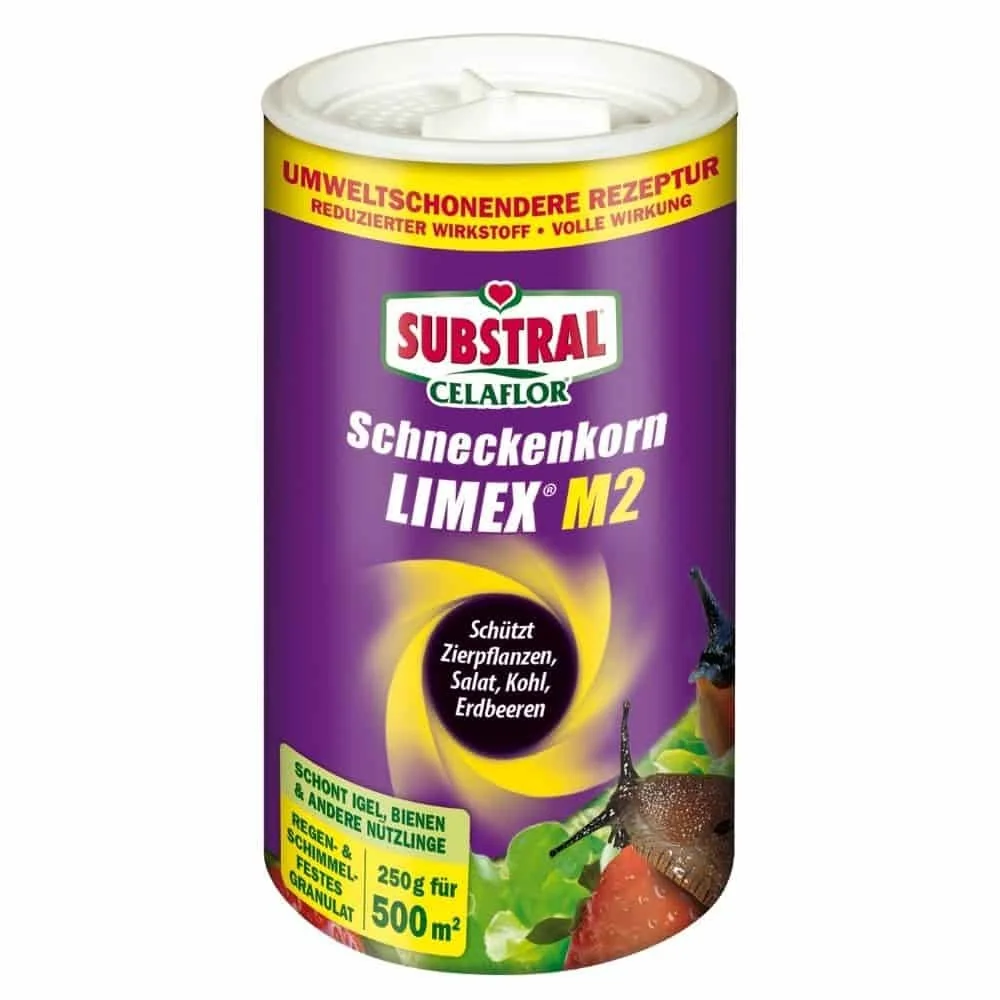
Häufige Fragen
- Was hilft sofort gegen Maden in der Mülltonne?
- Streuen Sie sofort reichlich Gesteinsmehl oder Gartenkalk in die Tonne. Das entzieht den Maden Feuchtigkeit und tötet sie ab. Anschließend leeren, gründlich mit Essigwasser ausspritzen und trocknen lassen. Stellen Sie die gereinigte Tonne in den Schatten und lagern Sie Biomüll vorher in Zeitungspapier ein.
- Kann ich Obstmaden im eigenen Garten ohne Chemie bekämpfen?
- Ja. Hängen Sie ab Mai spezielle Pheromonfallen wie die PRODUCT_24805 für Pflaumenwickler in Ihre Bäume. Diese locken männliche Falter an und unterbrechen den Fortpflanzungszyklus. Zusätzlich fördern Nistkästen für Vögel natürliche Fressfeinde. Regelmäßiges Auflesen befallener Früchte entfernt die Larvenquelle.
- Welche Pflanzen schützen mein Gemüsebeet vor Madenbefall?
- Pflanzen Sie stark duftende Kräuter wie Basilikum, Thymian oder Lavendel als Randbepflanzung. Sie wirken abschreckend auf viele Schadinsekten. Eine Mischkultur mit Zwiebeln und Lauch hält beispielsweise die Möhrenfliege fern. Netzabdeckungen aus dem Planen + Netze Sortiment bieten mechanischen Schutz.
- Sind Maden im Komposthaufen schädlich?
- Nein, die meisten Kompostmaden sind nützlich. Sie zerkleinern organisches Material und beschleunigen die Rotte. Problematisch werden nur Larven von Schadfliegen. Verhindern Sie diese durch eine korrekte Kompostführung: Feuchtes Material mit Strukturmaterial wie Häckselgut mischen und den Haufen nicht überfüttern.
- Wie beuge ich Maden im Haus dauerhaft vor?
- Lagern Sie trockene Lebensmittel wie Mehl oder Nüsse in fest verschließbaren Glas- oder Plastikdosen. Verschließen Sie Müllbeutel knotenfest und leeren Sie den Biomüll täglich. Kontrollieren Sie dunkle, feuchte Ecken wie unter dem Spülbecken regelmäßig. Fliegengitter an Fenstern sind eine essentielle Barriere.
Das könnte Sie auch interessieren
- Maden in der Biotonne: Effektiv bekämpfen und dauerhaft vermeiden
- Kleidermotten bekämpfen: Hausmittel und effektive Methoden
- Mücken- und Fliegenabwehr: Natürliche Tipps für Haus und Garten
- Fliegen im Haus bekämpfen: Hausmittel & Tipps
- Speckkäfer bekämpfen: Effektive Hausmittel & Prävention
- Fruchtfliegen loswerden: Natürliche Hausmittel gegen die Plage