
In brief: A handmade Easter basket combines creativity with natural materials. Use simple supplies like willow branches, moss, blown-out eggs, or felt. The base is often a small basket or bowl. Decorate it with spring flowers, colorful ribbon, or personalized tags. The result is unique Easter decor that also makes a lovely gift.
Make a DIY Easter Basket: Creative Ideas
Spring is on its way, bringing the urge to freshen up your home. A handmade Easter basket is more than just a place for candy. It is a personal creation that captures the excitement of the season. You do not need expensive materials. Often, a walk through the garden or park is all it takes.
Here are practical ideas you can try right away. From classic willow baskets to modern upcycling projects, there is something for everyone. Find inspiration for your spring decorations.
Pro tip
Before you start, decide on the size and style you want. Will the basket sit on a table or hang from a tree? That will help you choose your materials. Flexible willow rods work well for hanging baskets, while sturdy bowls are better for tabletops.
How do I make a natural Easter basket from willow?
A classic basket made from willow rods has a rustic look and fits perfectly in the garden. Gather fresh, one-year-old willow branches. They are especially flexible. Cut them to about 50 to 80 centimetres long.
Soak the branches in lukewarm water for an hour. This makes them pliable and helps keep them from breaking. Start with the thickest rods. Form a circle and twist the ends together.
The key is to apply even pressure as you weave. Pull too tightly and the basket will lose its shape; weave too loosely and it may fall apart. Work gently and take regular breaks to check its shape from a distance.
Now weave more rods through the base ring, alternating from the inside to the outside. After three to four layers, you will have a sturdy base. Build up the sides by angling the rods farther upward. To finish, tuck the ends inward and hide them.
The perfect lining for your willow basket
A hard willow basket is not a cozy home for Easter eggs. Line it with something soft. Fresh moss is a great choice. It smells like the forest and helps retain moisture.
Pull the moss into manageable pieces. Press it firmly into the hollow of the basket and spread it evenly. Dried hay or straw makes a warm, golden alternative.
For an extra-soft finish, place a piece of soft fabric in the basket first, then add the moss. This keeps small twigs from poking through.
Why are blown-out eggs a better choice?
Store-bought plastic eggs are practical but not very sustainable. Real blown-out eggs add an authentic touch to your decorations. They are lightweight, can be painted, and last for years.
Carefully blow out a raw egg. Use a thick needle to make a small hole at the top and bottom of the shell. Blow through the top hole until the contents come out. Rinse the empty shell with water and let it dry.
Important note
Use only fresh, clean eggs. Wash your hands and the eggs thoroughly before and after blowing them out. Do not use eggs with cracks. Empty shells are fragile, so handle them with care.
Now for the creative part. Paint the eggs with acrylic paint. For a delicate shade, use natural dyes made from onion skins or turmeric. Decorate them with small feathers or colorful gift ribbon.
For a special touch, make a tiny hole in the tip. Thread a thin piece of string through it and tie a knot. Then you can hang the eggs from an Easter tree or place them in the basket.
What modern alternatives are there to the classic basket?
Not everyone has willow branches on hand. Fortunately, everyday objects offer plenty of possibilities. A flat cork coaster can become the base of a basket. Wrap it with craft wire, then secure moss and twigs in place.
Old colanders or small wooden boxes can be transformed with little effort. Just line them with fabric and fill them. Even half a coconut shell can make an exotic basket. Drill holes if you want to hang it.
Making a modern Easter basket means seeing everyday objects in a new way. Look at a flowerpot, tea tin, or glass and imagine what it could become. With paint, fabric, and natural materials, you can create something completely new.
Upcycling saves resources and makes every basket unique. Look around your home for unused items. A broken bowl, an old children's toy, or wooden crates could be just what you need.
The quick solution: a felt Easter basket
Felt is soft, colorful, and easy to work with. You do not need a sewing machine. Cut a circle about 20 cm in diameter from felt. Cut a straight slit from the edge to the center.
Now shape the circle into a cone by overlapping the cut edges. Tack or glue the edge in place with fabric glue. Keep the opening wide. Turn the cone inside out so the seam is on the inside.
Fill the felt basket with colorful wool or cotton balls. Add painted eggs and small figures. This basket is especially suitable for children because it is soft and safe.
How do I incorporate an Easter basket into my garden decor?
Easter celebrations do not have to stay indoors. Give your Garden + Outdoor area a spring makeover, too. Hang handmade baskets from the still-bare branches of shrubs or trees.
Place filled baskets on the garden table or an outdoor windowsill. Be sure to use weather-resistant materials. Avoid water-soluble paint or glue.
Additional advice
Pair your Easter baskets with early spring flowers. Plant daffodils, primroses, or pansies directly in larger baskets lined with foil. This combines your decorations with vibrant greenery. After Easter, simply plant the flowers in the garden bed.
For atmospheric evening decor, place a battery-powered LED light in the basket. It creates a magical glow. Use special weatherproof lights from the Garden equipment range.
Remember the animals that live in your garden. Fill a basket with bird food or hang it in the hedge. That way, your Easter decoration can also help support local wildlife.
Which Easter crafts are suitable for children?
Children love getting involved. Choose projects with simple steps and safe materials. Painting blown-out eggs is a classic. Set out some washable finger paints.
Children can easily make an Easter nest from colorful paper. Cut strips from sturdy construction paper and weave them loosely over a small bowl. Secure the ends with glue dots.
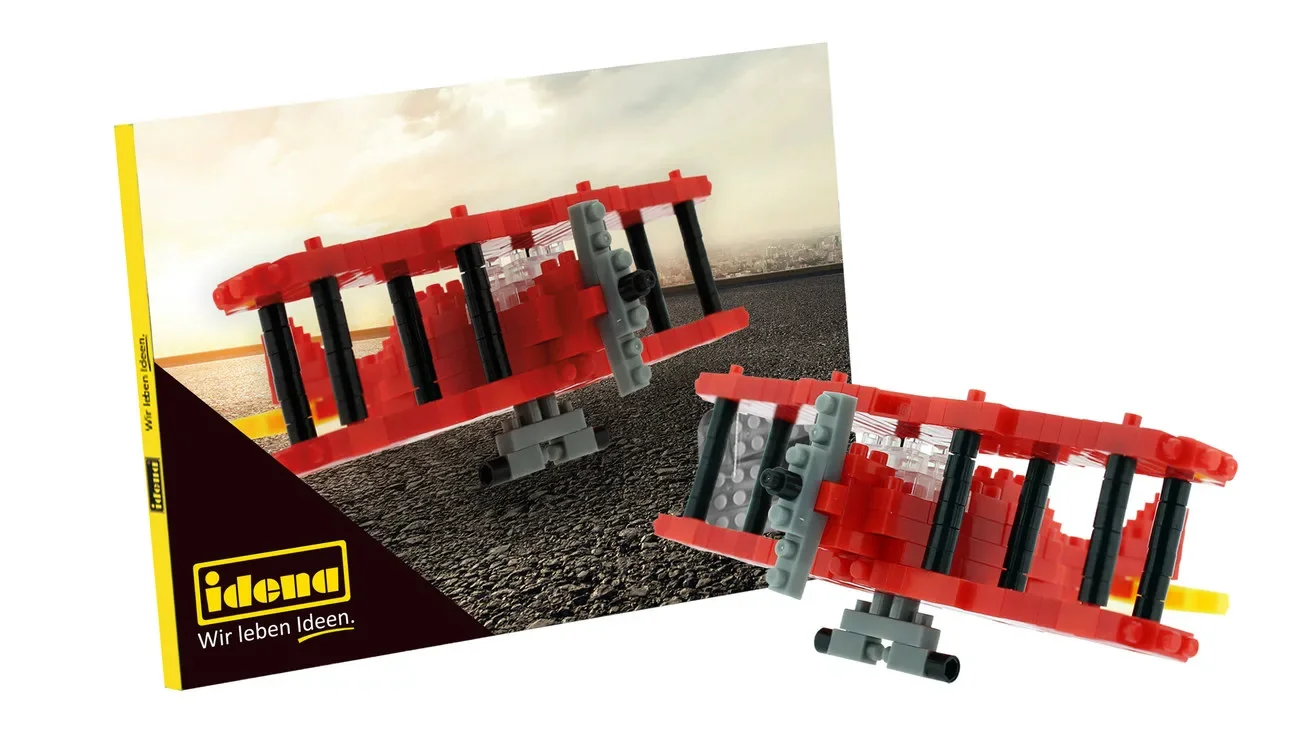
Creative kits are ideal for hours of crafting fun. The
and provide ready-made building blocks for imaginative postcards and small figures. Children can use them to create not only Easter designs but also spring scenes. The mini building blocks help develop fine motor skills.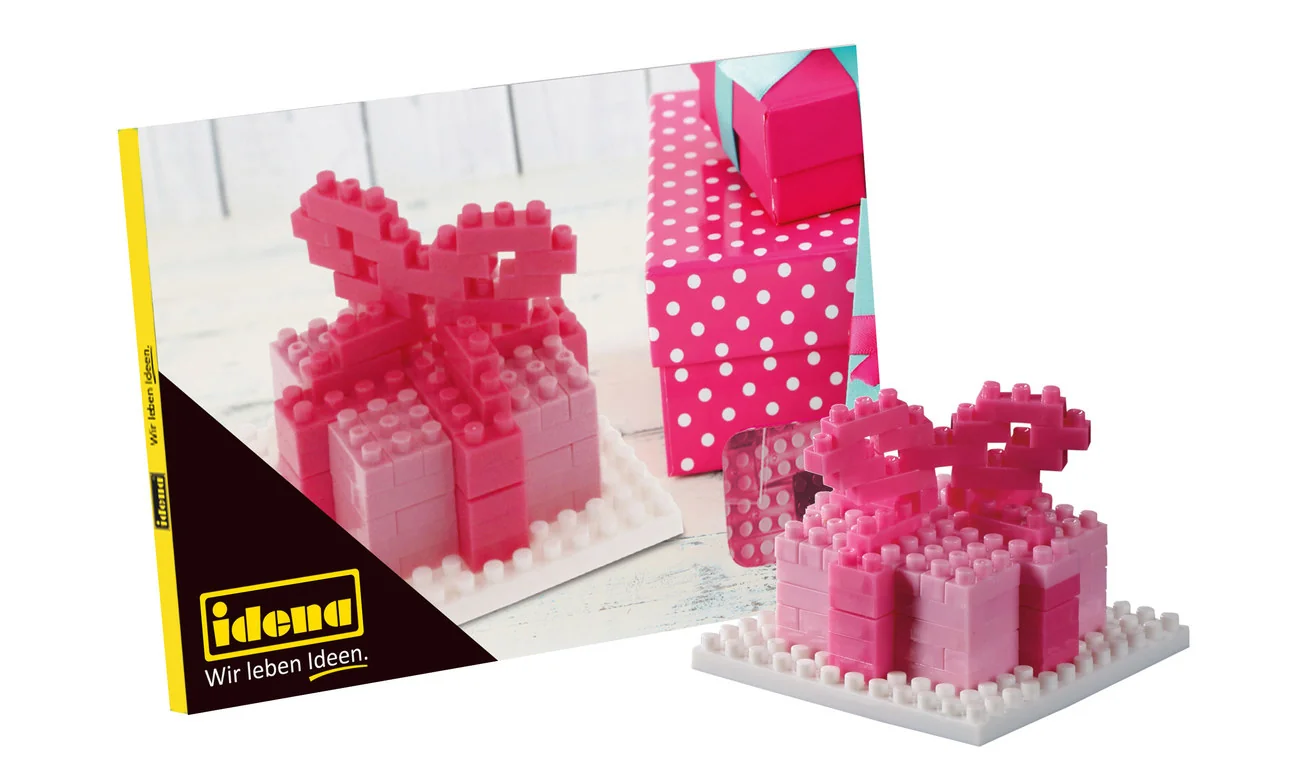
Let the children gather materials. Small stones, smooth sticks, and feathers are easy to find. They can then proudly add these treasures to their own nest.
Edible Easter decorations: a nest made from chocolate and cookies
This idea combines crafting with a sweet treat. Melt some chocolate candy coating. Briefly dip thin butter cookies or rice cakes in the chocolate. Place them right away over an upside-down small bowl to shape a nest.
Chill the nest in the refrigerator, then carefully remove it. Fill it with small chocolate eggs, colorful sprinkles, and marshmallows. This edible nest will be the centerpiece of your Easter table and a fun treat to share.
For activities with children, it's best to use pre-shaped wafer cups or ready-made shortcrust pastry shells. That way, no one has to handle hot chocolate.
How do I care for homemade Easter decorations?
Natural materials such as moss and willow need a little care to stay beautiful. Keep fresh nests out of direct sunlight, which can dry them out and make them brittle.
Occasionally mist the moss with a little water from a spray bottle to keep it lush and green. Avoid soaking it, though, as excess moisture can encourage mold.
To store your nests until next year, clean them thoroughly and remove any organic matter. Keep them in a dry, dark place, ideally in a cardboard box.
Products such as
can also support your Easter decorating. A healthy, well-kept garden with flowering plants provides beautiful materials for your crafts. A nourishing fertilizer like this orchid fertilizer can also help other spring flowers in your home.
With these ideas and tips, you can make Easter personal, creative, and full of life. Your homemade Easter nest will become a centerpiece of the celebration.
Frequently Asked Questions
- What natural materials work best for an Easter nest?
- Flexible, sturdy materials from the garden are ideal. Fresh willow branches are easy to bend, while moss makes soft nest lining. Dried grass or straw creates a natural base, and ivy or boxwood adds fresh greenery. You can often find these materials in your own garden or while out for a walk.
- How can I make sure decorations stay attached to my Easter nest?
- Choose an adhesive that suits the material. Hot glue quickly attaches feathers, beads, or felt to willow and wicker. Craft wire wraps securely around branches and is barely visible. You can simply tie thin string or ribbon around the nest. For heavier items, such as small figures, use a small screw. Check that everything is secure before filling the nest.
- Is it safe to make an Easter nest with young children?
- Yes. Choose child-friendly tools and materials. Blunt plastic craft scissors are a safe choice, and glue sticks are easier to use than hot glue. Large beads or pieces of felt can help reduce the risk of swallowing. Simple tasks, such as adding moss or painting eggs, are fun for little ones. Always supervise children. Find inspiration for more projects in our Baby Room Ideas category.
- What can I use instead of willow branches?
- Many everyday items can be turned into an Easter nest. A small paper plate makes a good base. Wrap jute twine or yarn several times around a balloon, let it dry, then remove the balloon to reveal a spherical nest. Flexible hazel branches or cork bark are good alternatives. Even an old sieve or shallow bowl can become a nest when covered with moss.
- How should I store a homemade Easter nest for next year?
- First, remove anything perishable, such as real eggs or fresh greenery. Carefully shake out the nest, then store it in a dry, well-ventilated box, preferably lined with newspaper. Avoid damp basements. This helps materials such as willow and moss keep their shape. Next spring, simply decorate the nest again.
You may also be interested in
- DIY Easter decorations: creative ideas with natural materials
- Make your own Easter vase: creative decorating ideas
- Make your own Easter lanterns: creative DIY ideas
- Make delicate decorative eggs: creative Easter decorating ideas
- Crafts for kids: creative DIY ideas for the whole family
- Decorate Easter branches: fresh ideas for spring