
In brief: A slippery stone floor on patios and garden paths becomes safer when you first remove water, moss and deposits, allow the surface to dry completely and address the underlying cause. Clean according to the type of stone, improve drainage and, if necessary, add anti-slip strips or a tested coating. Check the surface regularly.
A slippery stone floor is not only dangerous in freezing conditions. Rain, dew and splashing water combine with moss, algae, soil or leaves to form a slippery film. The risk of falls increases on patios and garden paths, especially in shady areas and where drainage is poor.
You do not need harsh chemicals as a blanket solution to improve safety. First identify the cause, remove deposits according to the type of stone and make sure water can drain away. Then decide whether a mechanical solution, a tested coating or a structural change is needed.
Why does stone flooring on patios and garden paths become slippery?
Stone itself is not automatically slip-resistant. A rough, clean surface gives shoe treads grip. Water, organic deposits and grease fill these uneven areas and reduce friction.
Polished natural stone, glazed slabs and heavily compacted concrete surfaces are particularly affected by moisture. Weathered stone can also become problematic when a smooth layer of algae or fine dirt forms.
The most common causes
- Moss and algae: They grow in damp joints and on shady slabs. In the rain, they form a soft, smooth layer.
- Leaves and soil: Organic material holds water on the surface and becomes a slippery film underfoot.
- Grease and barbecue residue: Small amounts on the patio are enough to significantly reduce slip resistance.
- Insufficient slope: Standing water dries slowly and encourages new growth.
- Blocked drains: Dirt, roots and leaves prevent rainwater from draining quickly.
- Smoothly polished surfaces: A smooth slab provides less mechanical grip when wet than a textured surface.
The type of stone determines the right cleaning method
Granite and many concrete pavers tolerate vigorous mechanical cleaning better than limestone or more delicate sandstone. Marble, travertine and other calcareous stones are sensitive to acids. Jointing material, impregnating sealers and existing coatings also affect your choice.
Read the stone manufacturer's instructions before cleaning. If you are unsure what type of stone you have, test every product and nozzle on a concealed area first. A small test helps prevent light-coloured marks, damaged joints and permanent surface damage.
Expert tip
Photograph slippery areas in dry weather and immediately after rain. Comparing the images shows whether water is standing or whether the deposits only become slippery when wet. This helps you treat the cause rather than just the visible dirt.
How do you check whether patios and garden paths are safe to walk on?
Start with a visual inspection in daylight. Look for green or black deposits, glossy surfaces, loose slabs, sunken edges and standing water. Do not check only the middle of the patio; also inspect transitions, steps and bends in the path.
The five most important checks
- Compare dry and wet conditions: Walk slowly over the surface, first with dry soles and then when the surface is damp. Use shoes with good tread.
- Brush away deposits: If a slimy layer can be moved with a shoe sole or brush, the surface needs thorough cleaning.
- Check the joints: Open or washed-out joints collect dirt and water. Loose slabs can also shift under load.
- Check the slope: After rain, observe where puddles remain for more than a few minutes. Mark these areas for later correction.
- Test the lighting: Dark paths feel less secure when wet. Check whether steps, edges and changes of direction are clearly visible in the evening.
Hazardous areas around patios and garden paths
Pay particular attention to the patio exit, areas beneath gutters, paths beside hedges and access routes to the garage or garden shed. These areas often combine water, shade and frequent use.
Do not just make trip hazards look better. Level sunken slabs, secure loose covers and keep paths clear of garden hoses, tools and plant pots. You can also find advice on suitable protective measures in the Occupational Health & Safety section.
“Floors must be designed so that they can be walked on safely.”
How do you clean a slippery stone floor without damaging it?
Good cleaning starts with dry cleaning. First remove leaves, twigs, soil and loose moss. This prevents you from unnecessarily diluting the dirt and helps you see which areas actually have a solid surface.
Step 1: Dry-clean the surface and open the joints
Sweep the area with a stiff-bristled broom. A joint scraper with a sturdy blade is suitable for narrow joints. Work from the clean side towards the dirty side so that you do not spread the loosened material again.
Carefully loosen roots and firmly attached moss with a hand brush. Avoid damaging the joints unnecessarily. Overly aggressive treatment creates hollows where water and dirt can collect again later.
Step 2: Choose a cleaner suitable for the type of stone
Use a mild cleaner that is expressly approved for sensitive natural stone. Do not use vinegar, citric acid or other acidic products on calcareous stone. These substances can dull the surface and damage its structure.
Depending on the manufacturer's instructions, stronger cleaners may be suitable for robust concrete paving. Follow the recommended dosage and contact time. More cleaner does not automatically mean greater cleanliness and can leave residues that make the stone slippery again.
Step 3: Work with water and a brush
Wet the surface in sections and work in the cleaner with a stiff brush. Do not allow the product to dry. Loosen the dirt in small areas and remove the dirty water before it runs into clean joints.
- Dry-clean the surface first.
- Test the cleaner in a concealed area.
- Apply and brush in sections.
- Rinse thoroughly with clean water.
- Allow the stone floor to dry completely and check the result.
A surface cleaner makes the job easier on larger patios. It distributes the water jet more evenly than a concentrated nozzle. In the range of garden tools, you will find suitable aids for manual cleaning and maintenance.
How to use a pressure washer correctly
A pressure washer can remove moss, but it can also wash out joints and roughen soft stone surfaces. Do not hold the nozzle vertically over the joint and do not work at maximum pressure. A surface cleaner or wide nozzle distributes the force more effectively.
Start at a greater distance and with low power. Only reduce the distance if the test area remains undamaged. After cleaning, check the joints and refill any washed-out material with suitable jointing sand or a suitable jointing mortar.
Important note
Do not use a high-pressure jet on loose-laid slabs, damaged joints or sensitive natural stone without testing its effect first. Wear non-slip footwear and keep children and pets away from the wet work area. Cleaning products and dirty water must not be allowed to flow uncontrolled into ponds or open water.
Which measures improve safety over the long term?
A clean surface remains safe only if water drains away quickly and new growth has little opportunity to take hold. Alongside cleaning, you should therefore also check drainage, plant growth and how the area is used.
Keep water away from the stone floor
- Clean gutters and downpipe grates so that rainwater does not run across the patio.
- Remove leaves from drains and drainage channels.
- Trim plants that permanently shade paths or wet them with water.
- Repair sunken slabs and shallow hollows where puddles remain.
- Do not direct water straight onto areas that are frequently walked on.
A small adjustment to the gradient is often more effective than cleaning more frequently. In the case of larger depressions or incorrectly laid slabs, a specialist company should lift the surface and realign it.
Improve slip resistance mechanically
On smooth steps and heavily used transitions, tested anti-slip strips can improve grip. Choose strips with a water-shedding surface and attach them to a clean, dry and sound substrate.
Structured mats are suitable for paths only if they lie flat and water can drain away underneath. Raised edges create a new trip hazard. Check adhesive strips, mats and profiles regularly for lifting, cracks and trapped dirt.
Use coatings only as a tested system
A coating can change the surface and make cleaning easier. However, it does not replace an analysis of the underlying causes. Check whether the system is suitable for outdoor areas, frost, UV light and the type of stone present.
A bonding primer improves the connection between the substrate and the coating, but it does not automatically create a slip-resistant surface. Use only compatible components and test the colour, gloss level and adhesion in an inconspicuous area.
“The slip resistance of a floor also depends on the type and amount of contamination.”
Which products and care plan are right for patios and garden paths?
Choose products according to the specific problem. A moss killer for lawns does not belong on paving slabs. A bonding primer is not a ready-made slip-prevention solution. Fixings only help when the profile, screw and substrate are compatible.
Using products effectively
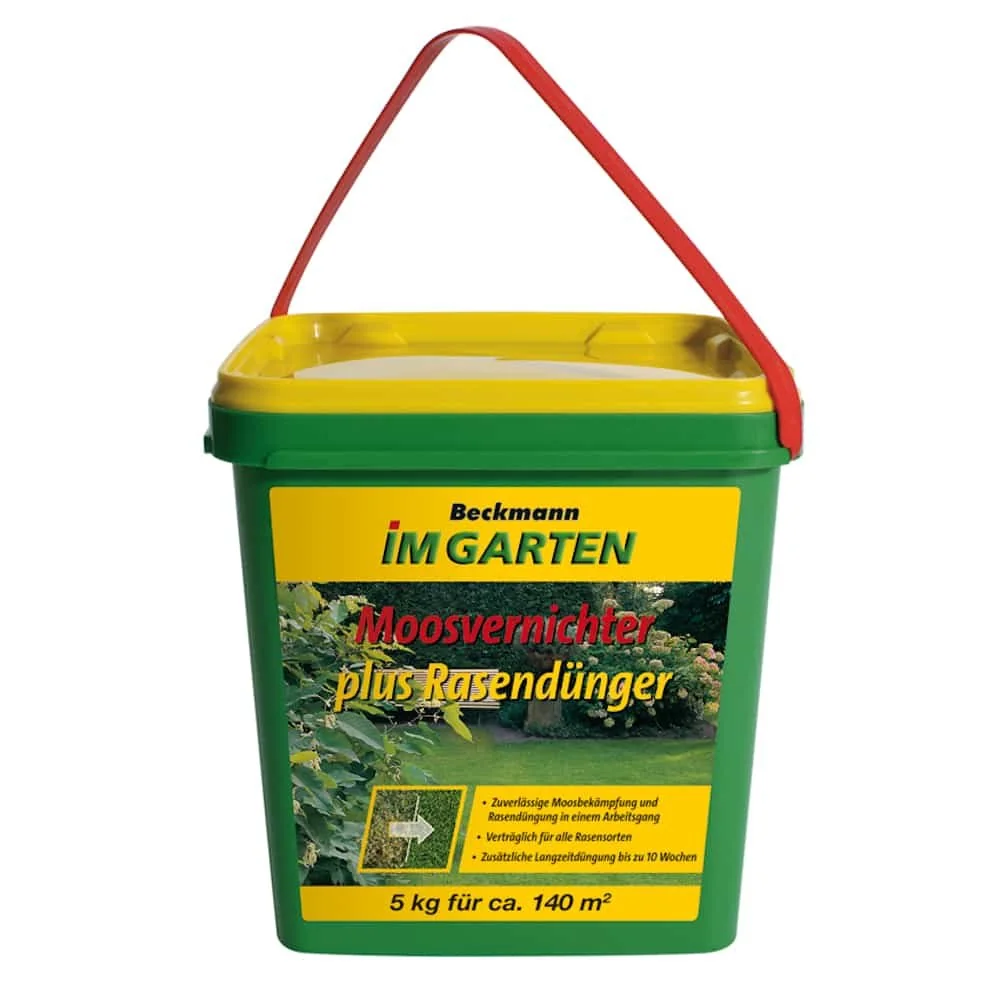
- : The iron-based moss killer lawn fertiliser is intended for lawns next to garden paths. Use it only as directed by the manufacturer on grass, and prevent granules or dissolved product from reaching the stone surface. Find the right category under iron fertiliser for moss.
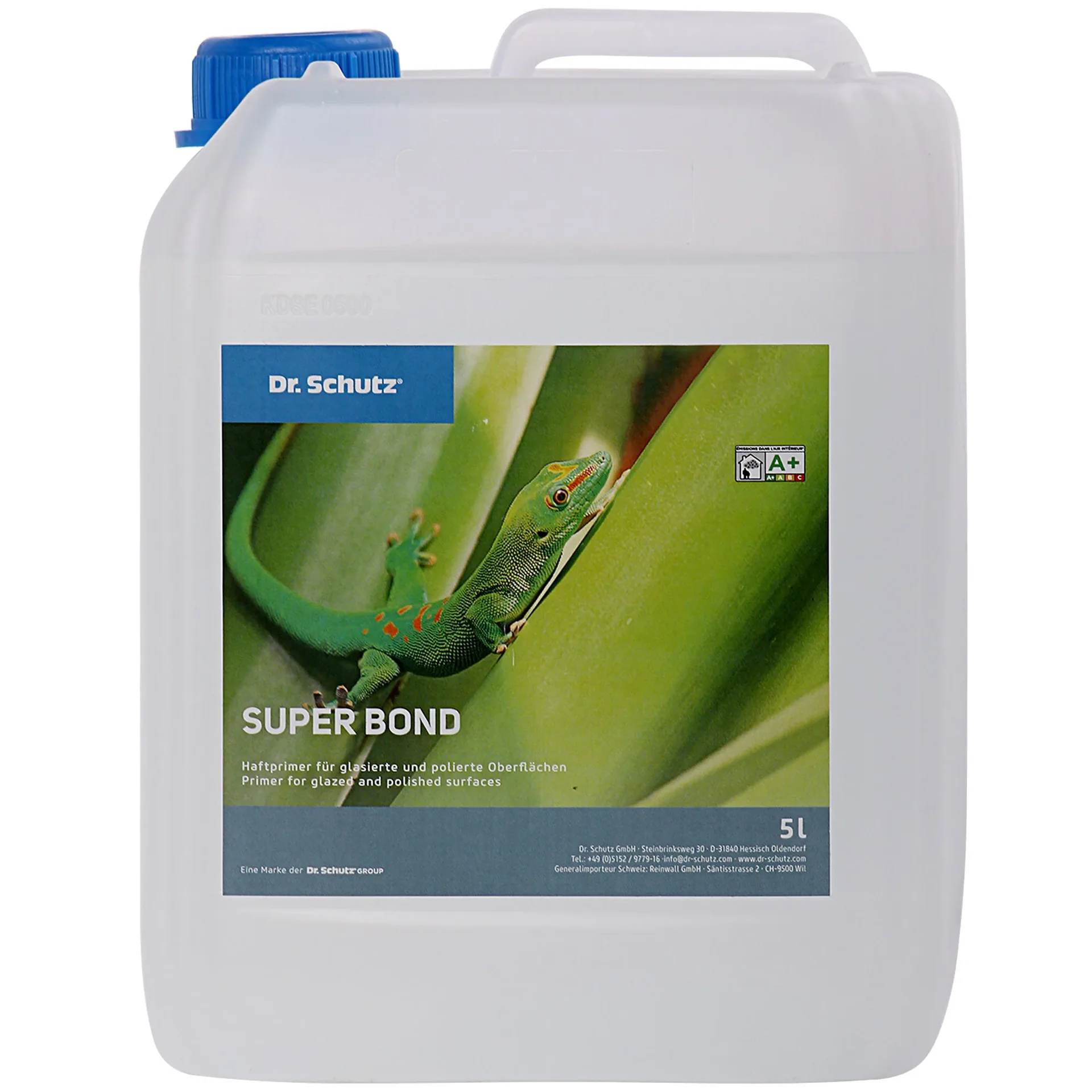
- : DR. SCHUTZ Super Bond adhesion primer is designed for polished and glazed ceramic and stone floors. It should only be used as part of a compatible coating system and does not provide a slip-resistant surface on its own. Check that it is approved for your outdoor flooring.
- : This assortment of self-locking hex nuts can be useful for mechanically fastened anti-slip profiles if the thread, screw length and profile are compatible. Use corrosion-resistant fasteners and check the fixing after installation.
For further measures relating to patios, paths and outdoor areas, the Garden + Outdoor section offers suitable product categories. The selection is no substitute for inspecting the existing stone surface.
A simple care plan
- Weekly: Remove leaves, twigs and soil from frequently used paths. Look out for new green deposits and wet patches.
- After heavy rain: Check drains, puddles and overflowing gutters. Eliminate the cause before moss takes hold.
- In spring: Clean patios and garden paths thoroughly, check the joints and level any loose slabs.
- In autumn: Sweep up leaves regularly and cut back plants that shade or narrow the paths.
- Before winter: Remove standing water, repair damaged joints and mark slippery steps for the darker months.
The final check after every cleaning
Only walk over the surface once it is completely dry. Check that the surface is evenly clean, that water drains away and that profiles or mats are securely in place. A dry test area with shoes offering good grip will show whether the measure provides the desired protection against accidents.
If the stone surface remains slippery despite cleaning, the cause is probably the surface itself, the gradient or the way it is used. Have smooth natural stone and ceramic surfaces professionally assessed before sanding, coating or permanently bonding them.
Additional advice
Make a brief note of the cleaning product, dosage and result. This will help you identify which method works for your type of stone and avoid repeated tests with unsuitable products.
A safe stone surface is achieved through several small measures: keep it clean, divert water, maintain the joints and make hazards visible. Check patios and garden paths regularly, especially after prolonged periods of rain and in autumn.
Frequently asked questions
- Why is my stone patio becoming slippery?
- Moss, algae, leaves, soil and grease collect on patios and garden paths. Combined with rain or condensation, this buildup forms a slippery film. Polished or heavily weathered stone makes the problem worse. Shade, insufficient drainage and blocked joints keep the surface damp for longer.
- How do I remove moss from paving slabs?
- First remove loose moss with a joint scraper and stiff brush. Then wash the slabs with a small amount of water and a cleaner suitable for the type of stone. If necessary, use a surface cleaner and low pressure. Rinse away any residue, let the area dry and dispose of the loosened moss.
- Can I use a pressure washer on paving slabs?
- Yes, but only with care. Use a wide nozzle or surface cleaner, keep your distance and do not direct the jet straight at the joints. Excessive pressure can roughen surfaces, dislodge sand and force water beneath the slabs. Test an inconspicuous area first, then refill any open joints.
- What works long-term against slippery garden paths?
- The most effective combination is a clean, dry surface, proper drainage and regular checks. Remove leaves and moss early, cut back overhanging plants and keep drains clear. On smooth surfaces, tested anti-slip strips, textured paving or a professionally applied coating can improve safety.
- Which cleaner is suitable for natural stone?
- For natural stone, choose a cleaner that is explicitly approved for the type of stone you have. Calcareous stones such as marble or limestone are sensitive to acids. Test every product in a hidden area, follow the recommended contact time and rinse thoroughly. Household vinegar and aggressive acids are not a safe standard solution.
You may also be interested in
- Laying natural stone slabs: Create durable garden paths and patios
- Cutting paving stones: How to get the perfect cut for garden paths
- How do you choose the right paving for garden paths and driveways?
- Best Garden Paths 2026: Review and comparison
- Cleaning paving stones: Effective methods for garden and patio
- Beautifying exposed aggregate concrete slabs: DIY ideas for patios and gardens