
In brief: Choosing between manual and electric pruning shears depends on the size of your garden and the thickness of the branches. Manual bypass pruners are ideal for precise cuts on thin, fresh shoots and delicate plants. For thick branches or large gardens, cordless pruning shears make the job easier and reduce strain on your joints.
A well-maintained garden is the result of many small tasks. One of the most important is making the right cuts. Whether you are pruning roses, shaping fruit trees or removing faded perennials, a good pair of pruning shears is essential. But with so many options available, should you stick with classic manual pruning shears or choose an electric model to make the work easier? The answer depends on your garden, your plants and your needs.
This guide covers the key things to consider. You will learn about the differences between cutting systems and find out which garden tool is right for you.
The basics: What makes a good pair of pruning shears?
Before deciding between manual and electric, it helps to understand the cutting principle behind every pair of pruning shears. There are two basic designs, and knowing the difference is key to keeping your plants healthy.
Bypass pruners: A clean cut for live growth
Think of a pair of household scissors: two sharp blades glide past each other. Bypass pruners work in the same way. They make a clean, smooth cut without crushing plant tissue. The small wound can heal quickly, reducing the risk of pathogens entering the plant.
Use bypass pruners for live, fresh, green growth. They are the go-to tool for pruning roses, young shrub shoots, perennials and thinner live branches. The Anvil Pruning Shears + Bypass Pruning Shears Set gives you both types for a range of garden jobs.
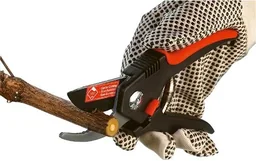
Anvil pruners: Powerful cuts through dead wood
Anvil pruners work differently. A sharp blade presses against a broad, solid metal surface called the anvil. This tends to crush the branch rather than slice through it, so less force is needed. Anvil pruners are ideal for hard, dry or dead wood, though the cut is less clean and may crush some of the surrounding tissue.
Use anvil pruners mainly to cut back dead branches or very hard wood. They are less suitable for live shoots because crushing can damage the plant. Their strength is the cutting power they deliver with relatively little effort.
A clean, smooth cut heals best on the plant. A sharp blade is essential: blunt tools crush shoots and create entry points for pathogens.
When are manual pruning shears the best choice?
Classic hand pruners are found in millions of gardens, and for good reason. They offer precision, simplicity and direct control over every cut.
For delicate jobs, such as deadheading roses or shaping a boxwood, manual pruning shears are hard to beat. You can feel the branch’s resistance and control the cutting force precisely. They are lightweight, easy to handle and fit in a pocket. With no battery or cord, they are ready to use anywhere, anytime.
Manual pruning shears are ideal for small to medium-sized gardens, balcony gardeners and anyone making targeted cuts on individual plants. They are also affordable and highly durable when properly cared for. Maintenance is simple: clean, oil and sharpen them from time to time.
Expert tip
Pay attention to ergonomics. A good pair of pruning shears should fit your hand well. Models with a rotating handle or different handle sizes can reduce strain on your hands and joints. Try different sizes and shapes to find the most comfortable fit.
Why cordless pruning shears can transform your gardening
When it is time for the annual fruit tree pruning or you have a large garden full of shrubs, manual work can quickly become tiring. Hundreds of cuts can leave your hand exhausted and your energy drained. This is where cordless pruning shears come into their own.
At the press of a button, they cut through branches that would take considerable force with manual pruning shears. The Easy Prune Classic Cordless Pruning Shears helps with every cut and reduces strain on your joints. They are a valuable aid for people with reduced hand strength, joint problems such as arthritis or a lot of pruning to do.
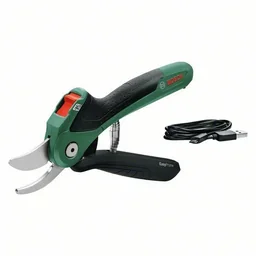
They can save considerable time and energy. Jobs that once took a whole afternoon can be finished much faster. Modern cordless pruning shears are lightweight, have long-lasting batteries and usually use the bypass principle for clean cuts. They add a powerful, precise helper to your range of power tools.
Additional advice
When buying cordless pruning shears, check the stated battery runtime and maximum cutting capacity. A spare battery can be useful for large projects. Also check whether the battery works with other garden tools from the same manufacturer.
The key buying criteria at a glance
To find the right pruning shears for you, consider four key factors. Answer these questions honestly, and you’ll be well on your way to choosing the right model.
Type and thickness of the material you’ll cut
What do you plan to cut? If it’s mostly thin, green shoots on perennials and roses, manual bypass pruning shears are a great choice. If you regularly need to remove thicker, dead wood from shrubs, loppers or powerful cordless pruning shears will do a better job. Most cordless models can easily handle branches 25 millimetres or more in diameter.
Your garden size and workload
Do you have a small urban garden or just a few potted plants? A high-quality pair of manual pruning shears can serve you well for many years. If you have a large garden with numerous fruit trees, ornamental shrubs, and hedges, cordless pruning shears can speed up the work and make it more comfortable. They’re an investment in both your time and reduced muscle strain.
Your physical condition
Be honest with yourself. Do you have enough hand strength to make precise cuts, even after the hundredth one? Or do you quickly notice fatigue or joint pain? Cordless pruning shears aren’t a luxury; they’re an ergonomic tool that can help you enjoy gardening for longer and with less pain.
Important note
Safety comes first! Take extra care when using cordless pruning shears. They have tremendous cutting power. Always wear sturdy gardening gloves and keep your other hand well away from the cutting area. Activate the shears only when you’re ready to make a cut.
Budget and maintenance
Manual pruning shears cost considerably less upfront and are easy to maintain. Cordless pruning shears require a larger initial investment. Remember that the battery also needs to be stored and charged correctly. Over time, though, the investment can quickly pay off by reducing the effort required.
More than pruning shears: the right accessories for bigger jobs
Pruning shears are an all-purpose garden tool, but sometimes they reach their limits. To keep your Garden + Outdoor area looking its best, you may need specialized tools.
When branches are thicker than your thumb, it’s time to use loppers. Their long handles provide leverage, allowing you to cut through arm-thick branches with less effort. The 2-piece tree pruning set includes pruning shears and loppers, so you’ll be ready to prune trees.
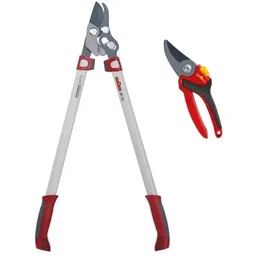
Pruning shears aren’t suitable for shaping hedges. For that job, you need hedge trimmers designed to cut many small shoots cleanly at once. Whichever tool you use, regular maintenance is essential. Clean, sharp blades help your tools last longer and keep your plants healthy.
Proper care of garden tools is a necessity. Cleaned after every use and sharpened regularly, they stay functional longer and help protect your plants from the spread of disease.
Conclusion: the best tool is the one that suits you
There’s no one-size-fits-all answer to whether manual or electric pruning shears are better. The best pruning shears are the ones that make gardening easier, more efficient, and more enjoyable for you. For precise, light pruning, manual bypass pruning shears are still essential. But when you need more power and stamina or have a large area to cover, cordless pruning shears are a worthwhile investment in your comfort and enjoyment of gardening.
Think about your needs, take a look at your garden, and decide which tool you’d like to help with garden maintenance. Browse the selection to find the right model for your needs.
Frequently asked questions
- What’s the difference between bypass and anvil pruning shears?
- Bypass pruning shears have two blades that slide past each other to make a clean, precise cut. They’re ideal for fresh, living wood. Anvil pruning shears have a blade that presses against a solid base (the anvil). They provide more cutting power and are better suited to hard or dead wood.
- How thick a branch can pruning shears cut?
- A good pair of manual pruning shears can cut branches around 2 to 2.5 centimetres in diameter. Cordless pruning shears can cut branches up to 3 centimetres or more, depending on the model. For thicker branches, use loppers or a saw.
- Are cordless pruning shears worth it for a small garden?
- For a very small garden or balcony, cordless pruning shears often aren’t necessary. However, if you have lots of shrubs, have physical limitations such as arthritis, or simply appreciate the convenience and reduced effort, they can be worthwhile even in a small space.
- How should I care for my pruning shears?
- After each use, wipe the blades with a cloth to remove plant sap and dirt. This helps prevent rust and the spread of disease. Oil the joint regularly and sharpen the blades when needed. Always store the pruning shears dry and closed.
- Can I use pruning shears to trim a small hedge?
- You can use pruning shears to cut individual branches that stick out from a hedge. However, they aren’t suitable for shaping an entire hedge. For that, use hedge trimmers designed to cut many thin shoots in a straight line for a clean finish.
You might also be interested in
- How to choose pruning shears: tips for finding the right pair
- Ratchet loppers vs. bypass loppers: the ultimate comparison
- Pruning shears review and comparison 2026
- Cordless grass and shrub trimmer: a garden buying guide
- How to choose loppers: the ultimate garden comparison
- Which push lawn mower is right for your garden?