
In brief: Control mice and rats in your home in three steps: identify the infestation safely, remove food and water sources, and seal entry points. Use suitable traps or approved bait safely and out of children's reach. For heavy infestations, recurring animals or if you are unsure how to clean up safely, hire a pest control professional.
Control mice and rats in your home in three steps: identify the infestation safely, remove food and water sources, and seal entry points. Use suitable traps or approved bait safely and out of children's reach. For heavy infestations, recurring animals or if you are unsure how to clean up safely, hire a pest control professional.
How can you identify mice and rats in your home?
A single sighting may mean that an animal has accidentally entered your home. Fresh droppings, gnaw marks and noises at night in several places, however, point to an active rodent infestation. Check the kitchen, pantry, utility room, cellar and areas around heating and water pipes.
Mice usually move along walls and under furniture. Rats also use sheltered routes, but leave noticeably larger signs and often make louder noises. Do not just inspect visible areas; also check the backs of cupboards, skirting boards and appliances.
How to interpret typical signs correctly
- Droppings: Mouse droppings are usually only a few millimetres long, dark and pointed at the ends. Rat droppings look larger, thicker and more cylindrical.
- Gnaw marks: Two parallel incisor teeth leave notches in cardboard, plastic, wood and food packaging. Fresh edges look light and clean.
- Runways: Greasy, dark streaks may appear along skirting boards and walls. They are caused by the animals' fur.
- Nests: Torn paper, insulation material, fabric or dry plant material may indicate a sheltered resting place.
- Noises and smells: Scratching, scraping and occasional squeaking at night suggest animals in wall cavities. A pungent smell of urine indicates activity over a longer period.
Fresh droppings often have a slight sheen and feel soft. Older droppings dry out and lose their dark colour. Do not touch signs with your bare hands or spread them by sweeping or dry wiping.
Mouse or rat? The key differences
| Feature | Mouse | Rat |
|---|---|---|
| Droppings | Small, narrow and often pointed at the ends | Larger, thicker and cylindrical |
| Gnaw marks | Fine notches on packaging and wood | Wide, noticeably deeper bite marks |
| Noises | Quiet rustling and scratching | Distinct scraping and thudding |
| Typical areas | Food supplies, kitchen units and cavities | Cellars, pipes, drains and bin areas |
The size of the signs provides an initial indication, but does not replace professional identification. If you see a rat during the day or observe several animals at once, act immediately. Rats normally avoid open, brightly lit areas.
Expert tip
Take photos of droppings, gnaw marks and damaged packaging before cleaning. Record where and when you found them and their size. A simple room log shows whether activity is decreasing and helps a professional find the animals' route more quickly.
Why do rodents enter homes?
Rodents look for warmth, food, water and sheltered nesting sites. A home often provides all these conditions at once: food is left in open packets, pet food remains in the bowl overnight and leaking pipes provide water.
Even clean homes are not automatically protected. A mouse can use a very small opening to enter a warm indoor space. Rats can get in through damaged cellar windows, open pipe penetrations or routes from the sewer system.
Which entry points should you check first?
- Doors and windows: Check gaps under front, cellar and balcony doors. A damaged seal can be enough to provide small animals with access.
- Pipe and cable penetrations: Gaps around water, heating and power lines connect wall cavities with living areas.
- Ventilation: Missing or damaged grilles allow animals into cellars, pantries and shafts.
- Facades and cellars: Cracks, open light wells and damaged sections of masonry need robust sealing.
- Drains and pipes: Defective pipe connections can make it easier for rats to enter from the cellar or sewer system.
Mice can squeeze through openings of about 6 millimetres. Rats need more space, but can get through damaged covers and larger gaps. Do not fill these areas with expanding foam alone. Use metal mesh, mortar, sheet metal or a solid combination of mesh and sealant.
If you notice unusual pipework, backflow problems or open penetrations, it is worth having the home drainage pipe system inspected. Have damage to shared pipes checked by the property management company or a professional contractor.
Which food sources attract mice and rats?
Open food supplies, crumbs under kitchen appliances, overflowing bins and pet food attract rodents. Store flour, cereals, nuts, pet food and birdseed in tightly sealed containers made of glass, metal or sturdy plastic.
Put pet bowls away after feeding and clean the area underneath. Suitable storage solutions can also be found in the pet supplies section. Seal bin bags and waste containers completely.
Do not leave any food scraps outdoors. Spilled birdseed, open compost bins and stored food create a permanent food source right next to the building.
“The best way to prevent a rodent infestation is to remove food, water and shelter.”
How do you get rid of mice in your home for good?
Mice will not reliably disappear if you only catch individual animals. You need to cut off their food and water supply, identify their routes and seal access to the building at the same time. Start with a clear process so you can distinguish cause from effect.
The first day of a mouse infestation
- Secure food: Remove open packages from drawers and cupboards. Check every package for small holes and discard any damaged food.
- Document signs: Take photos of droppings and gnaw marks. Mark areas where you see activity and watch for recurring travel routes.
- Eliminate water sources: Dry sinks, repair dripping faucets and do not leave pet water out overnight.
- Set traps: Place suitable traps directly against walls and behind furniture. The trigger should face the wall because mice prefer to run along edges.
- Check access points: Inspect baseboards, gaps beneath doors, pipe penetrations and wall connections. Seal active access points only when you no longer suspect that animals remain inside the building.
Set up several traps rather than just one if you find signs in different rooms. Check every trap daily and remove captured animals hygienically. Never place traps where children or pets can reach them.
Which traps and baits are suitable?
For individual mice along narrow travel routes, may be suitable. If you repeatedly observe activity along a longer section of wall, consider a multi-catch trap such as . Read the relevant manufacturer's instructions before use.

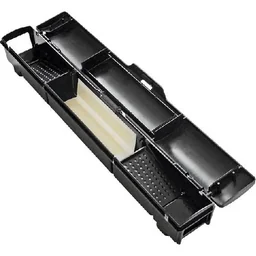
Use approved baits such as or only as directed in the product instructions. Never leave bait exposed in the kitchen, pantry or children's bedroom. Use a suitable bait station and avoid any contact with food, pet food and surfaces used to prepare food.


Bait does not solve the access problem. If you do not seal the entry point and eliminate the food source, more animals will return. Glue traps are not suitable for controlled, hygienic pest control. A larger infestation or animals in wall and ceiling cavities requires a professional strategy.
Important note
Keep baits and traps out of the reach of children and pets. Use rodenticides only in approved bait stations and according to the label. Remove dead animals while wearing disposable gloves, seal them twice in a trash bag and then thoroughly clean the affected area.
How do you deal with rats in an apartment?
Rats in an apartment often indicate access from the basement, utility shafts, neighboring areas or the sewer system. A single rat can therefore point to a problem affecting the entire building. If you are a tenant, inform your landlord or property management immediately and document the sighting.
What signs indicate a rat infestation?
- Large, cylindrical droppings in the kitchen, basement, utility room or near drains.
- Broad gnaw marks on wood, plastic, cable insulation or insulation materials.
- Loud scratching and banging in walls, shafts or suspended ceilings.
- A strong urine or ammonia smell in poorly ventilated areas.
- Animals visible during the day, recurring noises or multiple escape routes.
If you need to control rats, do not use small mouse traps as a substitute for professional treatment. A rat can move or avoid traps. Do not touch the animals, corner them or blindly seal an active access point while animals could still be inside the building.
What should you do about rats in an apartment building?
Secure food, pet food and trash. Keep children and pets away from the affected room and close the door if this can be done safely. Do not inspect shafts or tight cavities yourself.
Hire a professional pest control company for pest control to assess the entry route, source of the infestation and necessary safety measures. In an apartment building, the basement, trash room, utility areas and adjoining apartments often need to be inspected together.
How do you clean contaminated surfaces?
Do not sweep or vacuum dry rat and mouse droppings. Movement can release contaminated particles into the air. Thoroughly ventilate the area, wear disposable gloves and dampen droppings, nesting material and soiled surfaces with a suitable cleaning or disinfecting product.
Then wipe up the residue and double-bag the material. Clean your gloves or dispose of disposable gloves safely, then wash your hands thoroughly. A professional service should handle cleaning in heavily contaminated rooms, when nesting material is present in insulation or when contamination keeps recurring.
“Rodents can spread diseases through urine, feces, saliva and nesting materials.”
How can you prevent a new rodent infestation?
After treatment, sealing entry points determines long-term success. Do not inspect your home just once; check it again after a few days. New signs despite empty traps show that an entry point or food source is still present.
Seal your home and building effectively
- Fit suitable seals under doors and replace damaged brush strips.
- Seal gaps around pipes and cables with metal mesh and a strong sealant.
- Secure basement windows, ventilation grilles and light wells with sturdy grilles.
- Repair cracks in the plinth, façade and masonry.
- Check pipe and cable penetrations behind kitchen units, radiators and washing machines.
Soft expanding foam alone will not reliably keep strong rodents out. Mice and rats can gnaw through it. Use a material suitable for the size of the opening and the surface in question.
Secure food, waste and outdoor areas
Clean up crumbs immediately and wipe work surfaces after preparing food. Store supplies in airtight containers, keep the bin closed and do not leave pet food out overnight.
Remove food scraps, overripe windfall fruit and uncovered compost around the house. Do not store firewood directly against the façade and keep dense vegetation away from basement windows. In the Garden + Outdoor section, you will find solutions to help organise and secure outdoor areas more effectively.
When is DIY pest control not enough?
Contact a pest control professional if fresh signs continue to appear after a week. This also applies if there are several animals, nests in cavities, rat droppings, damaged cables or contaminated food.
Professional help is particularly advisable if children, pets, older people or anyone with health vulnerabilities lives in the household. Specialist companies choose products and placements to suit the living situation and can check concealed entry points using suitable equipment.
Additional advice
Keep a brief monitoring log for two weeks after treatment. Record new signs, captured animals, traps checked and openings repaired. Even if the log remains free of new signs, continue maintaining the seals and storing supplies securely.
Effective mouse control in the home and safe rat control in a flat combine hygiene, sealing and appropriate measures. Remove the cause, monitor the signs and seek professional support early if you are unsure.
Frequently asked questions
- How can you tell if you have mice in your home?
- Mice leave small, pointed droppings, gnaw marks on packaging and quiet scratching sounds at night. Greasy run marks may appear on walls and skirting boards. If you find several fresh signs in different places, there is probably an active infestation. Remove food sources and check possible entry points.
- How do you get rid of mice in your home?
- First remove exposed food, pet food and water sources. Seal gaps around doors, walls and pipe penetrations with metal mesh and a strong sealant. Catch any remaining animals with suitable traps placed along the walls. Check the traps daily. If signs continue, contact a pest control professional.
- How do you control rats in a flat?
- Rat infestations in a home usually require professional help. Secure food and waste, keep children and pets away and document droppings, gnaw marks and noises. Inform your landlord or property manager. A pest control professional will identify the entry route and infestation source and place approved bait correctly.
- Can you simply vacuum up mouse droppings?
- No. Dry droppings can release contaminated particles into the air. Ventilate the room, wear disposable gloves and dampen the droppings with a suitable disinfectant. Wipe everything up, double-bag the waste and wash your hands. In cases of heavy infestation, a specialist company should carry out the cleaning.
- When do you need a pest control professional?
- Contact a specialist company if there are rats, recurring signs, several animals, nests in cavities or visible contamination of food. This also applies if children, pets or anyone with health vulnerabilities lives in the household. If signs of mice remain despite traps and sealed entry points, the cause needs professional investigation.
You may also be interested in
- How to get rid of mice in your home: Effective tips & products
- Rats in the home? Effective control strategies
- Get rid of rats successfully: Methods without poison or traps
- Rat problems in autumn & winter: Act now and prevent them
- Martens in the home and garden: Effective measures and protection
- Rat trap vs rat poison: Which is safer and more effective?