
In brief: Our 2026 model building test & comparison shows that the right choice depends largely on the desired level of detail and scale. Beginners can get started with simple model kits, while experienced model builders should choose highly detailed sets with many individual parts. For track systems in particular, precise fitting and the material are crucial for a realistic result.
Model building fascinates enthusiasts with the opportunity to create detailed miniature worlds. Whether historical vehicles, finely detailed aircraft models or complex model railroad landscapes, this hobby combines practical skills with creative planning. Our 2026 test & comparison helps you find the best products for your project. We compare different model kits and track systems and provide sound buying advice.
What types of model building are there?
Model building is not all the same. You should first decide which area interests you most. The most common categories are vehicle modeling, aircraft modeling and model railroad building. Each area has its own requirements for tools, materials and precision.
Vehicle modeling
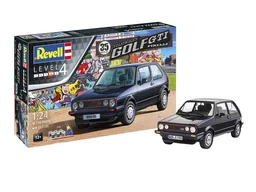
Vehicle modeling focuses on detailed replicas of cars, trucks and motorcycles. Model kits of iconic vehicles are particularly popular, such as the . With 118 individual parts, this 1:24-scale Volkswagen Golf GTI kit offers a challenging project for experienced model builders.
Model railroad building
Model railroad building requires extensive planning. In addition to the trains themselves, the focus is on creating a realistic landscape with tracks, buildings and vegetation. Choosing the right track material is fundamental here.
Tip: When building a model railroad, start with a small, manageable track plan. This lets you gain initial experience without taking on too much.
How do I choose the right model kit?
Choosing a model kit depends on your experience level and interests. Pay attention to the stated number of parts and the difficulty level. Beginners should start with fewer parts to build confidence and enjoy early successes.
Scale and level of detail
The scale indicates the reduction ratio. A scale of 1:24 means that the model is 24 times smaller than the original. Larger scales such as 1:24 allow for more detail but also require more display space. Smaller scales such as 1:87 save space, but the individual parts are more delicate.
Material and workmanship
High-quality model kits are characterized by precisely manufactured plastic parts, crisp engravings and a precise fit. Cheap products often have poorly finished molded parts that require extensive reworking.
What is important when choosing a track system?
For a working model railroad, the track system is the backbone of your layout. The choice between flexible and curved track has a major influence on the route design.
Curved track for precise radii
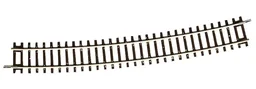
Curved track is pre-formed and guarantees a consistent curve radius. It is ideal for repeatable, standardized track sections. A product such as the (curved track R10) is suitable for broad, realistic curves. For very tight radii, you can use (curved track R20).
Warning: With curved track, always check the minimum permitted radius of your model vehicles. Curves that are too tight can cause derailments.
Flexible track for custom layouts
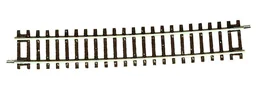
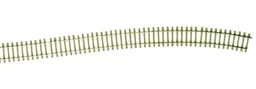
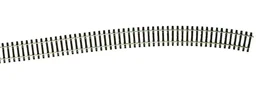
Flexible track offers maximum design freedom. It can be bent into almost any shape you want, making it perfect for natural, free-flowing layouts. Choose between track with (concrete sleepers) for a modern look or (wooden sleepers) for the classic charm of old railroad lines.
What accessories do I need?
In addition to kits and tracks, the right accessories are essential for a successful result. Basic tools are a necessary investment.
Tools for assembly
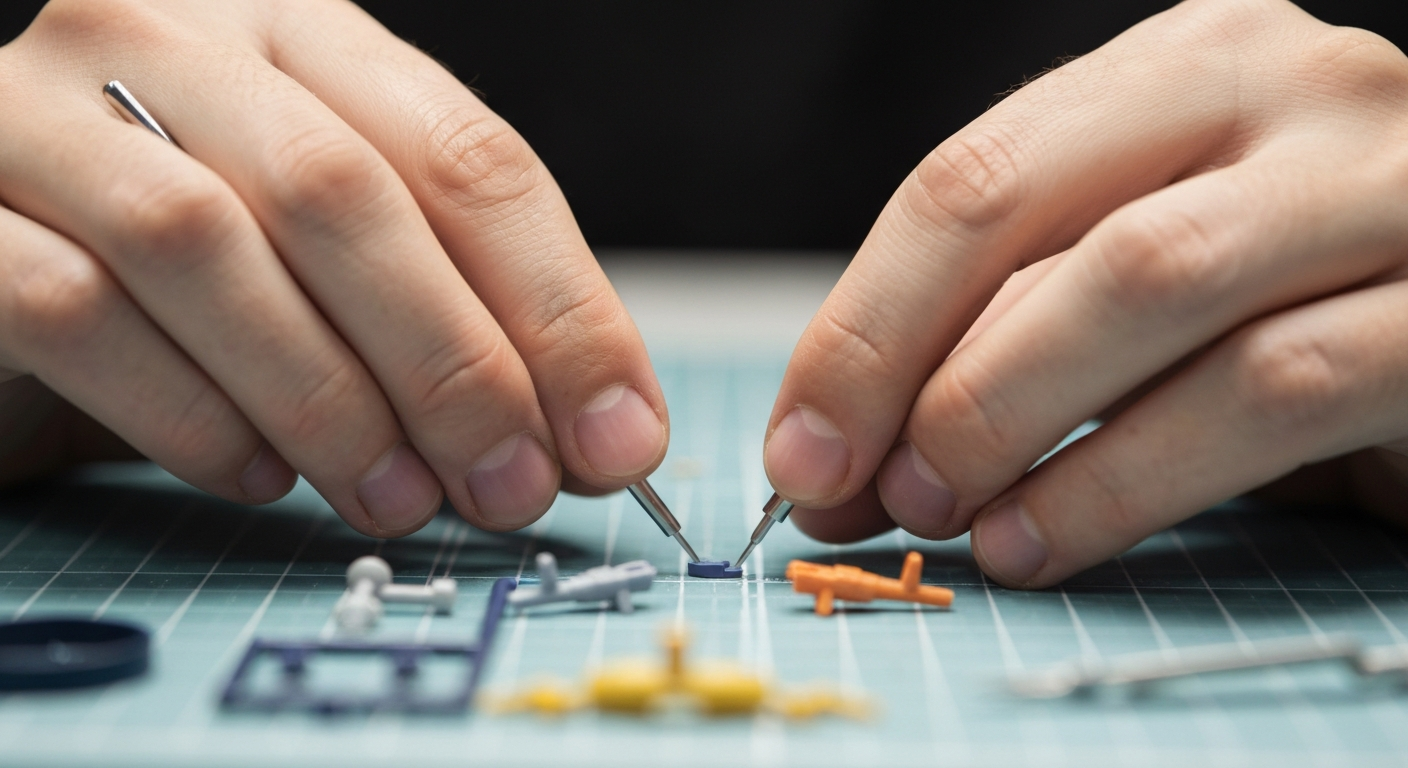
You need fine side cutters to remove parts from the sprue, sandpaper in various grits to smooth the edges, and tweezers for holding small parts. Suitable model glue securely bonds the components.
Paints and varnishes
For painting, you need basic colors, brushes in various sizes, and optionally clear varnish to protect the finished model. For professional results, using an airbrush is worthwhile.
Note: Work in a well-ventilated room when handling glues, solvents, or varnishes. Protect your work surface with a mat.
How do I plan my first model-building project?
Good planning prevents frustration and helps you use your time and materials efficiently. Take time to prepare.
Read the step-by-step instructions
First, read through the kit's instructions in full. Understand the sequence of steps before you start gluing. Identify critical sections that require particular care.
Set up your workspace
Set up a dedicated, well-lit workspace. Keep all the tools and materials you need within reach. Organized storage for the many small parts is essential.
Where can I find more inspiration and parts?
The model-building hobby thrives on sharing ideas and continuous development. Make use of the opportunities offered by specialist retailers and the community.
Specialist retailers and online stores
Specialist stores offer a wide selection of kits, spare parts, and accessories. You can also find special paints and tools there that are not available in hardware stores. Browse our model building range and discover more exciting products related to technology.
Forums and communities
Model builders from around the world exchange ideas in online forums and on social media. Here, you can get advice when you run into problems, admire other people's work, and find inspiration for your own projects.
The highest-rated model-building products from our range compared directly:
| Model | Customer rating | Availability |
|---|---|---|
| 35 Years Volkswagen Golf GTI Pirelli model kit in 1/24 scale. 118 individual parts | – | Currently unavailable |
| 1-Fan Cooling Pad (15.6")/ black | – | Currently unavailable |
| 12 pieces Curved track R10, radius 888 mm, curve angle 15° | – | Currently unavailable |
| 12 pieces Flexible track F4 with concrete sleepers, length 920 mm | – | Currently unavailable |
| 12 pieces Flexible track F4 with wooden sleepers, length 920 mm | – | Currently unavailable |
Conclusion: How to make the right choice
Choosing the right model-building product depends on your personal goals. Do you want to build a detailed display model such as the Volkswagen Golf GTI () or create a working model railway with precise tracks like or ? Consider your available budget, space, and above all your own patience and level of hands-on experience. Start with a manageable project and gradually take on more. With the right preparation and our tips from this test and comparison, nothing stands in the way of getting started with the fascinating hobby of model building.
Frequently asked questions
- Which model-building scale is suitable for beginners?
- Larger scales such as 1:24 or 1:32 are ideal for beginners. They offer larger parts that are easier to work with. Complex, smaller scales require more experience and dexterity.
- What should I look for when choosing model railway tracks?
- Pay attention to the radius, curve angle, and material. Choose the radius to suit the space available to you. Flexible tracks offer more design freedom, while curved tracks create precise curves.
- Do I need special tools for model building?
- Yes, basic tools are recommended. These include tweezers, fine side cutters, sandpaper, and suitable glue. For painting, you will also need brushes or an airbrush.
- What is the difference between wooden and concrete sleepers on railway tracks?
- The difference lies in their realistic appearance. Wooden sleepers imitate older sections of track, while concrete sleepers represent modern railway lines. The choice depends on the model railway theme you want to create.
- Can I combine tracks from different manufacturers?
- This is often problematic. Make sure the systems and scales are compatible. Differences in rail height or sleeper width can cause problems when trains pass through.