
Kurz erklärt: Im Modellbau Test & Vergleich 2026 zeigt sich, dass die Wahl stark vom gewünschten Detailgrad und Maßstab abhängt. Für Einsteiger bieten einfache Bausätze einen guten Einstieg, während erfahrene Modellbauer auf hochdetaillierte Sets mit vielen Einzelteilen setzen sollten. Besonders bei Gleisen ist die Passgenauigkeit und das Material entscheidend für ein realistisches Ergebnis.
Der Modellbau fasziniert mit der Möglichkeit, detailgetreue Miniaturwelten zu erschaffen. Ob historische Fahrzeuge, filigrane Flugzeugmodelle oder komplexe Eisenbahnlandschaften – dieses Hobby verbindet handwerkliches Geschick mit kreativer Planung. Unser Test & Vergleich für 2026 hilft Ihnen, die besten Produkte für Ihr Projekt zu finden. Wir stellen verschiedene Bausätze und Gleissysteme gegenüber und geben Ihnen eine fundierte Kaufberatung an die Hand.
Welche Modellbau-Arten gibt es?
Modellbau ist nicht gleich Modellbau. Sie sollten sich zunächst für einen Schwerpunkt entscheiden. Die gängigsten Bereiche sind der Fahrzeugmodellbau, der Flugzeugmodellbau und der Eisenbahnmodellbau. Jede Sparte hat ihre eigenen Anforderungen an Werkzeug, Material und Genauigkeit.
Fahrzeugmodellbau
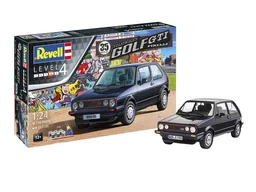
Im Fahrzeugmodellbau stehen detailgetreue Nachbildungen von Autos, Lkw oder Motorrädern im Vordergrund. Besonders beliebt sind Bausätze markanter Modelle, wie der . Dieser Bausatz des Volkswagen Golf GTI im Maßstab 1:24 bietet mit 118 Einzelteilen ein anspruchsvolles Projekt für fortgeschrittene Modellbauer.
Eisenbahnmodellbau
Der Eisenbahnmodellbau erfordert umfangreiche Planung. Neben den Zügen selbst steht der Aufbau einer realistischen Landschaft mit Gleisen, Gebäuden und Vegetation im Fokus. Die Wahl des richtigen Gleismaterials ist hier fundamental.
Tipp: Beginnen Sie im Eisenbahnmodellbau mit einem kleinen, überschaubaren Streckenplan. So sammeln Sie erste Erfahrungen, ohne sich zu übernehmen.
Wie wähle ich den richtigen Bausatz?
Die Auswahl eines Bausatzes hängt von Ihrem Erfahrungslevel und Ihrem Interesse ab. Achten Sie auf die angegebene Teilezahl und den Schwierigkeitsgrad. Einsteiger sollten mit weniger Teilen starten, um Erfolgserlebnisse zu sammeln.
Maßstab und Detailtreue
Der Maßstab gibt das Verkleinerungsverhältnis an. Ein Maßstab von 1:24 bedeutet, dass das Modell 24-mal kleiner ist als das Original. Größere Maßstäbe wie 1:24 erlauben mehr Details, benötigen aber auch mehr Stellfläche. Kleinere Maßstäbe wie 1:87 sind platzsparender, aber die Einzelteile sind filigraner.
Material und Verarbeitung
Hochwertige Bausätze zeichnen sich durch präzise gefertigte Kunststoffteile, klare Gravuren und eine passgenaue Verarbeitung aus. Billige Angebote leiden oft unter unsauberen Gussteilen, die viel Nacharbeit erfordern.
Was ist bei Gleissystemen wichtig?
Für eine funktionierende Modellbahn ist das Gleissystem das Rückgrat Ihrer Anlage. Die Entscheidung zwischen flexiblen und gebogenen Gleisen prägt den Streckenverlauf maßgeblich.
Gebogene Gleise für präzise Radien
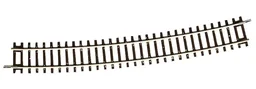
Gebogene Gleise sind vorgeformt und garantieren einen gleichmäßigen Kurvenradius. Sie sind ideal für wiederholbare, standardisierte Streckenelemente. Ein Produkt wie das (gebogenes Gleis R10) eignet sich für großzügige, realistische Kurven. Für sehr enge Radien können Sie auf (gebogenes Gleis R20) zurückgreifen.
Warnung: Achten Sie bei gebogenen Gleisen unbedingt auf den minimal zulässigen Radius Ihrer Fahrzeugmodelle. Zu enge Kurven führen zu Entgleisungen.
Flexible Gleise für individuelle Strecken
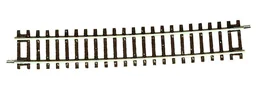
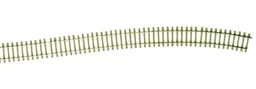
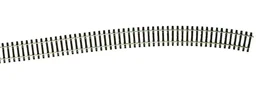
Flexible Gleise bieten maximale Gestaltungsfreiheit. Sie lassen sich in nahezu jede gewünschte Form biegen. Das ist perfekt für natürliche, frei geschwungene Streckenverläufe. Entscheiden Sie sich zwischen Gleisen mit (Betonschwellen) für ein modernes Aussehen oder (Holzschwellen) für den klassischen Charme alter Bahnstrecken.
Welches Zubehör benötige ich?
Neben den Bausätzen und Gleisen ist das richtige Zubehör entscheidend für ein gelungenes Ergebnis. Grundlegendes Werkzeug ist eine notwendige Investition.
Werkzeug für die Montage
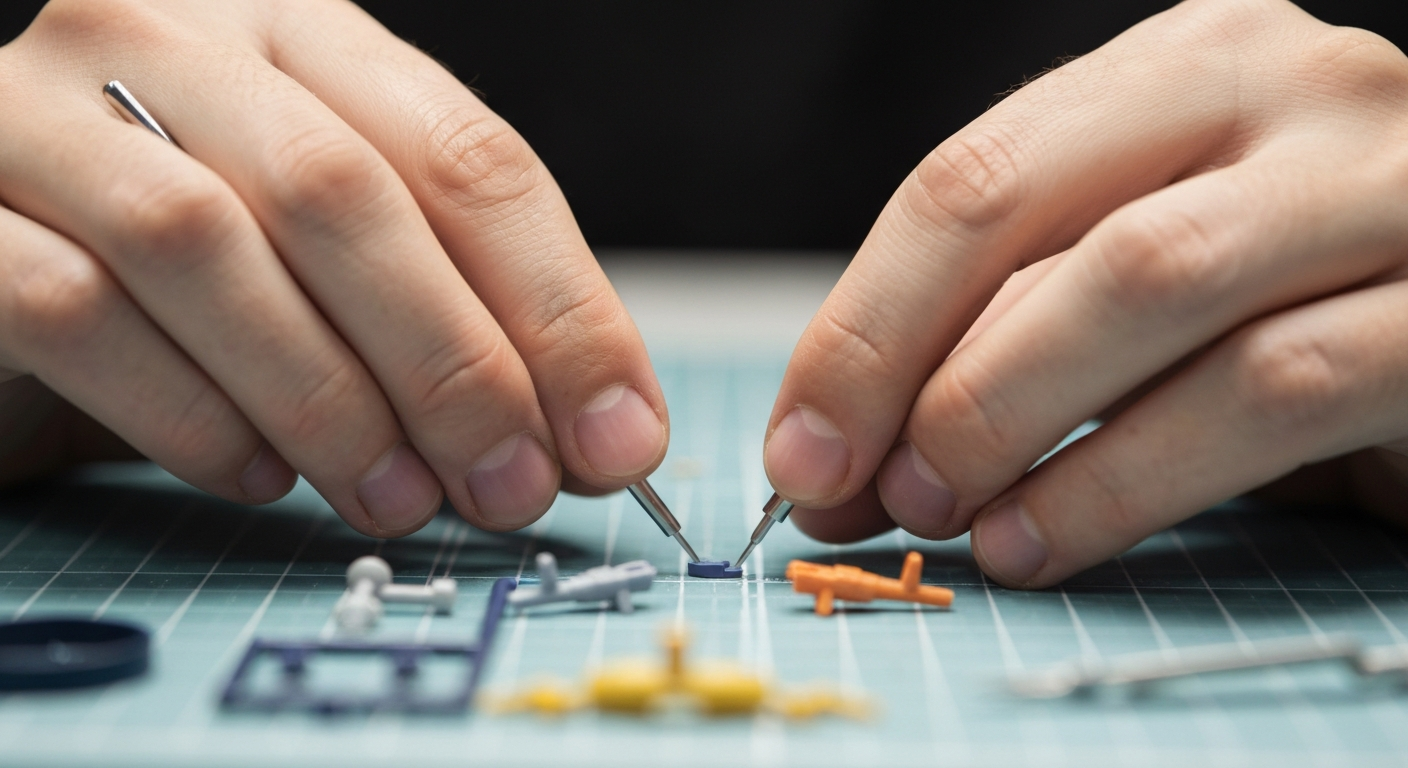
Sie benötigen einen feinen Seitenschneider zum Entfernen der Teile vom Gussrahmen, Schleifpapier verschiedener Körnungen zum Glätten der Kanten und eine Pinzette zum Halten kleiner Teile. Ein passender Modellbaukleber verbindet die Komponenten sicher.
Farben und Lacke
Für die farbliche Gestaltung brauchen Sie Grundfarben, Pinsel in verschiedenen Stärken und eventuell Klarlack zum Schutz des fertigen Modells. Für professionelle Ergebnisse lohnt sich der Einsatz einer Airbrush.
Hinweis: Arbeiten Sie in einem gut belüfteten Raum, wenn Sie mit Klebern, Lösungsmitteln oder Lacken hantieren. Schützen Sie Ihre Arbeitsfläche mit einer Unterlage.
Wie plane ich mein erstes Modellbau-Projekt?
Eine gute Planung verhindert Frust und hilft, Zeit und Material effizient einzusetzen. Nehmen Sie sich Zeit für die Vorbereitung.
Schritt-für-Schritt-Anleitung lesen
Lesen Sie die Bauanleitung des Bausatzes zunächst komplett durch. Verstehen Sie die Abfolge der Schritte, bevor Sie mit dem Kleben beginnen. Identifizieren Sie kritische Passagen, die besondere Sorgfalt erfordern.
Arbeitsplatz einrichten
Richten Sie sich einen festen, gut beleuchteten Arbeitsplatz ein. Halten Sie alle benötigten Werkzeuge und Materialien griffbereit. Eine sortierte Aufbewahrung für die vielen kleinen Teile ist unerlässlich.
Wo finde ich weitere Inspiration und Teile?
Das Hobby Modellbau lebt vom Austausch und der ständigen Erweiterung. Nutzen Sie die Möglichkeiten, die Ihnen Fachhändler und die Community bieten.
Fachhandel und Online-Shops
Spezialisierte Shops bieten eine große Auswahl an Bausätzen, Ersatzteilen und Zubehör. Sie finden dort auch spezielle Farben und Werkzeuge, die in Baumärkten nicht verfügbar sind. Stöbern Sie in unserem Sortiment im Bereich Modellbau und entdecken Sie weitere spannende Produkte rund um Technik.
Foren und Communities
In Online-Foren und sozialen Medien tauschen sich Modellbauer aus der ganzen Welt aus. Hier erhalten Sie Tipps bei Problemen, bewundern die Arbeiten anderer und finden Anregungen für eigene Projekte.
Die meistbewerteten Modellbau aus unserem Sortiment im direkten Vergleich:
| Modell | Kundenbewertung | Verfügbarkeit |
|---|---|---|
| Modellbausatz "35 Years Volkswagen Golf GTI Pirelli" im Maßstab 1/24. 118 Einzelteile | – | Derzeit nicht verfügbar |
| 1-Fan Cooling Pad (15.6")/ schwarz | – | Derzeit nicht verfügbar |
| 12 StückGebogenes Gleis R10, Radius 888 mm, Bogenwinkel 15° | – | Derzeit nicht verfügbar |
| 12 Stück Flexibles Gleis F4 mit Betonschwellen, Länge 920 mm | – | Derzeit nicht verfügbar |
| 12 Stück Flexibles Gleis F4 mit Holzschwellen, Länge 920 mm | – | Derzeit nicht verfügbar |
Fazit: So treffen Sie die richtige Wahl
Die Entscheidung für das richtige Modellbau-Produkt hängt von Ihren persönlichen Zielen ab. Möchten Sie ein detailreiches Standmodell wie den Volkswagen Golf GTI () bauen oder eine funktionierende Eisenbahnanlage mit präzisen Gleisen wie oder erschaffen? Berücksichtigen Sie Ihr verfügbares Budget, den Platz und vor allem Ihre eigene Geduld und handwerkliche Erfahrung. Starten Sie mit einem überschaubaren Projekt und steigern Sie sich langsam. Mit der richtigen Vorbereitung und unseren Tipps aus diesem Test & Vergleich steht Ihrem Einstieg in das faszinierende Hobby Modellbau nichts mehr im Weg.
Häufige Fragen
- Welcher Modellbau-Maßstab ist für Anfänger geeignet?
- Für Anfänger eignen sich größere Maßstäbe wie 1:24 oder 1:32 ideal. Sie bieten größere Teile, die sich leichter verarbeiten lassen. Komplexe, kleine Maßstäbe erfordern mehr Erfahrung und Fingerspitzengefühl.
- Worauf muss ich bei Modellbau-Gleisen achten?
- Achten Sie auf Radius, Bogenwinkel und Material. Passen Sie den Radius an Ihre verfügbare Fläche an. Flexible Gleise bieten mehr Gestaltungsfreiheit, gebogene Gleise sorgen für präzise Kurven.
- Brauche ich Spezialwerkzeug für den Modellbau?
- Ja, grundlegendes Werkzeug ist empfehlenswert. Dazu gehören Pinzetten, feine Seitenschneider, Schleifpapier und ein passender Kleber. Für Lackierarbeiten benötigen Sie zudem Pinsel oder eine Airbrush.
- Was ist der Unterschied zwischen Holz- und Betonschwellen bei Gleisen?
- Der Unterschied liegt im realistischen Erscheinungsbild. Holzschwellen imitieren ältere Streckenabschnitte, Betonschwellen moderne Bahntrassen. Die Wahl ist eine Frage des gewünschten Modellbahn-Themas.
- Kann ich Gleise verschiedener Hersteller kombinieren?
- Das ist oft problematisch. Achten Sie auf kompatible Systeme und gleiche Maßstäbe. Unterschiede in der Schienenhöhe oder der Schwelenbreite können zu Problemen bei der Fahrzeugdurchfahrt führen.