
In brief: Mold on window seals is caused by condensation that collects on the coldest surface in the room. High humidity, incorrect ventilation and a damaged seal are the main causes. To remove it, use special cleaners or household remedies such as denatured alcohol. However, the most effective solution is to eliminate the source of moisture and ensure regular air exchange.
Mold on Window Seals: Causes & Removal
Black spots or a grayish coating on the window frame are a warning sign. Mold on a window seal is not merely a cosmetic problem. It indicates a damp indoor climate and can pose health risks. The good news is that you can remove the mold and prevent it from returning with a few simple measures.
This article explains the technical and usage-related causes. It guides you step by step through safe removal and provides practical tips for mold prevention and proper window seal care.
Important note
If the mold covers a large area (more than about half a square meter) or has already penetrated the wall, consult a professional. Always wear gloves and a respirator mask (FFP2) to protect yourself from spores.
Why Does Mold Form on the Seal in Particular?
The window seal is the weak point. This is where warm indoor air and cold outdoor air meet directly. The warm, humid air in the room cools down sharply at this point. Cold air cannot hold as much moisture. The excess moisture condenses.
It collects as condensation on the seal and the adjacent frame. This constant moisture provides mold spores, which are present everywhere in the air, with an ideal breeding ground. The plastic or rubber of the seal itself is not the food source. That is the household dust and organic residue that accumulate there.
The Three Main Causes in Detail
Understand these causes to tackle the problem at its root.
1. Excessive indoor humidity: Every activity produces moisture. Cooking, showering, breathing and even houseplants release water into the air. In a four-person household, this can amount to up to twelve liters per day. Without sufficient ventilation, this moisture remains in the room.
2. Incorrect ventilation habits: Leaving windows tilted open continuously is the biggest mistake. It cools the wall around the window significantly without ensuring a complete exchange of air. The humid air barely circulates. The energy waste is enormous, while the effect on the indoor climate is negative.
Relative humidity is the crucial factor. If it remains above 60% on cold surfaces, mold growth is almost unavoidable. A simple measuring device can provide clarity.
3. Damaged or dirty seal: A porous, torn or hardened seal loses its elasticity. It no longer closes properly. Moisture and dirt also collect in the cracks and recesses. Cleaning becomes more difficult, increasing the risk of mold on windows.
How Do I Remove Mold from a Window Seal?
Proceed systematically and gently to protect the material. Harsh methods can destroy the seal.
Preparation and Protection
Open the window wide. Ensure good ventilation while you work. Place a protective sheet or old towels on the windowsill. Wear rubber gloves and a particulate-filtering mask. Have all the necessary items ready.
Method 1: Using Special Cleaners
Specialist retailers offer chlorine-free mold removers and products specifically designed for seal care. The is practical for small, localized areas. It applies the active ingredient precisely where needed.
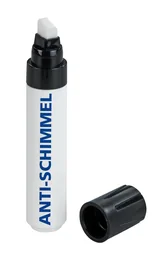
Pro tip
Before cleaning, carefully separate the seal from the frame using a blunt plastic scraper or the edge of an old credit card. This allows you to reach the hidden sides and the groove. After cleaning, simply press it back into the channel.
Always follow the manufacturer's instructions. Never spray the product directly, as this can cause overspray on the glass or plaster. Instead, apply it with a soft cloth or brush. Leave it to work. Wipe away the loosened residue with clean water. Dry the seal thoroughly with a microfiber cloth.
Method 2: Using Household Remedies
For light to moderate mold growth, household remedies are a good choice. High-proof alcohol (at least 70% isopropanol or denatured alcohol) disinfects and dries without leaving residue. Vinegar essence (diluted with water at a ratio of 1:3) works because of its acidic pH.
Important: Always test any household remedy on an inconspicuous area of the seal first. Some plastics can become brittle or discolor when exposed to alcohol or acid. Apply the solution, wipe it off and rinse afterward if necessary.
After Cleaning: Care and Protection
A cleaned seal benefits from regular care. Special rubber care sticks keep the material flexible and help prevent dirt from settling again. In our garden tools assortment and household cleaners, look for suitable products. Well-maintained rubber seals close more effectively and are less susceptible to damage.
Many people believe that mold removal requires harsh chemicals. Often, simply removing the breeding ground—dust and moisture—combined with a disinfecting alcohol is enough. Mechanical cleaning is the first and most important step.
How can I prevent mold on window seals long term?
Prevention is the best protection. It saves work and protects your health. The strategy is based on three pillars: moisture control, proper ventilation and regular maintenance.
1. Measure and manage humidity
You can only control what you measure. A reliably displays the temperature and humidity. Place it in the center of the room, not directly by the window. This keeps you informed about your indoor climate at all times.
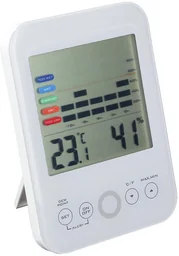
Target range: 40-60% relative humidity at a room temperature of 19-22°C. If the level remains higher for an extended period, you need to ventilate more often or reduce sources of moisture. If possible, do not dry laundry indoors. Use the extractor fan when cooking. Suitable garden irrigation systems also demonstrate how targeted water use works.
Additional advice
Do not place large pieces of furniture directly against an exterior wall. Leave a gap of at least 5-10 centimetres. This allows air to circulate and prevents the wall behind the cabinet from cooling down further. It helps prevent mold on the wall and in the window reveal.
2. Ventilate properly – cross-ventilation
Forget leaving the window tilted open. Open the window fully three to four times a day. In winter, 5 minutes is enough; in spring and fall, ventilate for 10-15 minutes. Create a draft by opening windows opposite each other.
Fully exchanging the air replaces humid indoor air with drier outdoor air. The walls and furniture do not cool down significantly in the process. Once the windows are closed, the indoor air warms up again quickly, while the walls retain their stored heat for longer. This saves energy.
3. Regular inspection and care
Make checking the seals part of your routine. Twice a year, in spring and fall, inspect all windows and doors. Are the seals clean, intact and flexible? Clean them with mild dish soap and a soft cloth.
Then apply a conditioning silicone spray or glycerin. A simple test: Place a sheet of paper between the closed window and the frame. If you can pull it out only with noticeable resistance while the window is closed, the seal is still in good condition. Find the right equipment for all work around your home in our industrial supplies category.
When does a window seal need to be replaced?
Cleaning and care have their limits. A permanently damaged seal must be replaced. It is not difficult. You can find replacement seal profiles at a hardware store or from the window manufacturer.
Signs that replacement is necessary
- Cracks and breaks: The material has become porous and tears when touched.
- Permanent deformation: The seal no longer returns to its original shape.
- Hardened material: The rubber has become rock-hard and brittle.
- Recurring mold: Despite an optimal indoor climate, mold keeps returning in the same place.
- Drafts: You feel a cold draft even when the window is closed.
How to replace the seal yourself
Pull the old seal completely out of the groove. Thoroughly clean the groove to remove dirt and old adhesive residue. Do not grease the groove. Cut the new seal profile to size. Start at an upper corner and press the seal into the groove piece by piece.
Do not overstretch the material. At the end, cut it to fit precisely. Close the window carefully to seat the seal. Find inspiration and tools for all your DIY projects around the home and garden in the power tools category.
Mold on a window seal is a warning sign. It indicates that the balance between moisture, temperature and ventilation has been disrupted. Proper cleaning removes the symptoms. Consistent prevention through measurement, cross-ventilation and care solves the problem in the long term. This protects your building, saves on heating costs and maintains a healthy indoor climate.
Frequently Asked Questions
- Is mold on a window seal dangerous to your health?
- Yes, mold spores can trigger allergic reactions, respiratory irritation and asthma attacks. Mold is particularly risky for children, older people and allergy sufferers. You should therefore remove the mold promptly and thoroughly to minimize the number of spores in the indoor air.
- Can I remove mold from a seal with household products?
- Yes, high-proof alcohol (denatured alcohol/isopropanol) or a mixture of water and vinegar essence are effective. Apply the solution with a cloth, leave it to work and then wipe it off. Test the product in an inconspicuous area first, as vinegar can damage the surface of some plastics.
- When do I need to replace a window seal completely?
- Replace the seal if it is porous, cracked or permanently deformed. Heavy mold growth that has penetrated the material is also a reason for replacement. An intact seal is essential for thermal insulation and prevents moisture from building up in the joints.
- How often should I ventilate in winter to prevent mold?
- Ventilate at least three to four times a day for 5-10 minutes by opening the windows fully. Leaving windows tilted open is inefficient and cools the wall down. Ventilation is particularly important after cooking, showering and sleeping. A hygrometer helps keep humidity within the ideal range of 40-60%.
- Can windows that are too airtight cause mold?
- Yes. Modern, highly airtight windows significantly reduce natural air exchange. Humid indoor air cannot escape and condenses on cold surfaces such as the window seal. That is why controlled ventilation is even more important with new windows than with older ones.