
In brief: For a mosquito bite, first cool the skin with a clean, damp cloth and wash the area. Ribwort plantain, lemon balm or a cooled herbal compress may provide additional soothing relief on intact skin. Use only plants that you can identify with certainty and that are clean, and never use undiluted essential oils. If you experience shortness of breath, circulatory problems or severe swelling, call 112.
Direct answer: For a mosquito bite, first cool the skin with a clean, damp cloth and wash the area. Ribwort plantain, lemon balm or a cooled herbal compress may provide additional soothing relief on intact skin. Use only plants that you can identify with certainty and that are clean, and never use undiluted essential oils. If you experience shortness of breath, circulatory problems or severe swelling, call 112.
What happens when a mosquito bites, and why does it itch?
A female mosquito pierces the skin with its proboscis and releases saliva into the bite. The saliva contains proteins that slow blood clotting. These foreign proteins are precisely what trigger the immune system's response.
The body releases histamine, among other substances. The small blood vessels widen, fluid enters the tissue and nerve endings signal itching. A red, raised swelling develops, which may remain a few millimetres in size or spread considerably further.
For some people, the itching starts immediately; for others, it does not begin until several hours later. The skin reaction often subsides within two to three days. Significant local swelling does not automatically indicate a dangerous allergy, but unusually severe swelling should be monitored.
A mosquito bite is not a venomous sting. Medicinal plants do not neutralise mosquito saliva. When used as a home remedy, any potential benefit mainly comes from cooling, moisture and the subjectively soothing care of the skin.
Expert tip
Always cool the bite first. Only then prepare a herbal compress with clean water and a fresh cloth. This helps you distinguish the effect of the cold from that of the plant and prevents heat, dirt or vigorous rubbing from making the itching worse.
How do you provide first aid for a mosquito bite?
You do not need a complicated mixture for first aid. Clean hands, water, a cloth and a cold pack are sufficient in most cases. Treat the area as soon as possible, before scratching damages the skin.
Which steps help during the first ten minutes?
- Wash: Clean your hands and rinse the bite with lukewarm water. Mild soap removes sweat, soil and any plant residue.
- Cool: Apply a damp, clean cloth or a cold pack wrapped in fabric for about ten minutes. Never place ice directly on the skin, as it can cause cold injury.
- Do not scratch: Keep your fingernails short and, at most, gently press or dab the area. Scratching breaks the skin and allows bacteria to enter the small wound.
- Soothe further: If the skin remains intact, you can then apply a suitable plant compress. Stop using it as soon as burning, increased redness or new swelling occurs.
- Monitor: Check the area over the next few hours. If the redness quickly spreads further or general symptoms develop, seek medical advice.
For severe itching, a pharmacy can recommend an age-appropriate gel or another suitable treatment. Read the package leaflet and observe special advice for children, pregnancy, allergies and sensitive skin.
Can a bite relief device complement the treatment?
The mosquito bite pain reliever
may be an additional option when used as intended. Use the device only according to the instructions, not on scratched skin and not near the eyes or mucous membranes. Age recommendations and safety instructions determine whether it is suitable for the person concerned.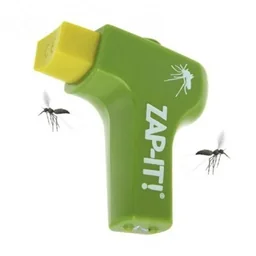
Such a product does not replace cooling or medical assessment. If you experience shortness of breath, circulatory problems or rapidly increasing swelling, every minute counts. Call the emergency services in these cases.
“Cool the bite with a cold cloth or cold pack and avoid scratching.”
Which garden herbs can help relieve itching?
Medicinal plants may complement cooling skin care for itching. However, no standardized clinical studies have shown that freshly crushed garden leaves or homemade infusions are safe and effective for quickly relieving mosquito bites. Don’t expect them to work like proven treatments.
Correctly identifying plants is essential. Use only plants from your own garden or a controlled source, and make sure they haven’t been treated with pesticides. Don’t harvest near busy roads, dog parks, or places where animals may have soiled the ground.
Wash fresh leaves and flowers under clean water and pat them dry. To harvest sturdy stems, you can
use. A clean cut helps keep the plant healthy and makes hygienic preparation easier. You can also find suitable accessories in our garden tools and garden and plant accessories sections.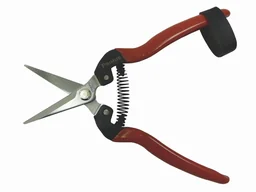
Narrowleaf plantain as a simple leaf compress
Narrowleaf plantain, botanically known as Plantago lanceolata, has narrow leaves with several clearly visible lengthwise veins. Its flower head sits atop a long, leafless stem and looks like a small brown spike. Don’t mistake an unknown herb for narrowleaf plantain just because its leaves look similar.
Take a fresh, undamaged leaf and wash it thoroughly. Crush it with a clean spoon until some plant juice is released, then place the leaf in a clean cotton cloth. Leave the compress on unbroken skin for about ten minutes. Don’t rub the plant juice in vigorously.
Narrowleaf plantain has traditionally been used for minor skin irritation and insect bites. However, applying a crushed garden leaf directly to the skin isn’t a standardized treatment. If the area burns, becomes redder, or develops new hives, remove the compress and rinse the skin.
Lemon balm as a cooled infusion
Lemon balm has a fresh lemon scent and softly hairy, serrated leaves. To make a compress, finely chop about one tablespoon of fresh leaves and pour 250 milliliters of boiling water over them. Let the infusion steep for ten minutes, strain it, and allow it to cool completely.
Soak a clean cloth in the cold infusion and place it on the bite for five to ten minutes. Don’t use the liquid if it smells musty, has been left warm for a long time, or has come into contact with unwashed hands. Store the infusion in the refrigerator for no more than 24 hours.
The moisture and coolness of lemon balm may feel soothing, but garden use hasn’t been shown to provide reliable relief. If you have sensitive skin, first test the infusion on a small area of healthy skin.
Lavender flowers instead of undiluted lavender oil
Lavender can be used to make a mild flower infusion. Pour 250 milliliters of boiling water over one teaspoon of dried flowers, let it steep for ten minutes, and allow it to cool. Apply the compress only to unbroken skin.
Don’t apply undiluted lavender essential oil to a mosquito bite. Fragrance compounds such as linalool can irritate the skin or trigger contact allergies. This is especially important for young children, people with atopic dermatitis, and anyone with already irritated skin. Use even diluted oils only with professional advice.
Chamomile and calendula: watch for allergies
Chamomile and calendula grow in many gardens and have traditionally been used for skin care. Both belong to the daisy family. If you’re allergic to chamomile, arnica, mugwort, or other plants in the daisy family, avoid these plants because cross-reactions are possible.
If you have no known allergies, you can test a weak infusion that has cooled completely as a short compress. Use each cloth on only one area and pat the skin dry afterward. If you experience burning, blisters, or increased redness, rinse the skin with water and stop using the infusion.
Which home remedies for mosquito bites should you avoid?
Many household and garden remedies promise fast relief from mosquito bites. Acids, alcohol, and strong fragrances may temporarily mask the itching, but they can irritate the skin further. The red area may then look larger, even though the underlying immune reaction isn’t subsiding any faster.
What should you not put on a mosquito bite?
- Lemon juice and vinegar: The acid can sting and further irritate sensitive or scratched skin.
- Alcohol and disinfectants: These products dry out the skin. Don’t use them as general treatments for itching.
- Toothpaste and harsh pastes: Fragrances, fluoride, and other ingredients haven’t been tested as bite treatments and can cause contact reactions.
- Onion, garlic, and unknown plant juices: Strong ingredients can irritate the skin. Spurge plants and giant hogweed can even cause severe inflammation or light-induced skin damage.
- Undiluted essential oils: They expose the skin to concentrated ingredients, increasing the risk of burning, rash, and sensitization.
Never apply soil, saliva, or leaves from areas that haven’t been maintained to a fresh bite. A treatment isn’t automatically hygienic just because it’s natural. A clean cloth with cold water is a better first choice.
What should you do if you’ve already scratched a mosquito bite?
Rinse the area with water and mild soap. Gently pat it dry and, if necessary, cover an open scratch with a clean, nonstick compress. Don’t apply an herbal paste, oil, or infusion to the area.
Watch for increasing warmth, throbbing pain, pus, or redness that spreads in a ring-like pattern. These signs may indicate an infection rather than a normal local reaction and should be assessed by a doctor.
Important note
If you have trouble breathing, swelling of the lips, tongue, or throat, circulation problems, or rapidly developing hives, call 112 immediately. These signs may indicate a severe allergic reaction. Herbs, cooling, or a bite relief device can’t replace emergency medical care in this situation.
When is a mosquito bite more than a local reaction?
A small, itchy area of redness without any other symptoms can usually be monitored at home. Seek medical advice if the reaction is significantly stronger than with previous bites or spreads across a large area of skin within a short time.
Which warning signs require medical advice?
- Immediate emergency: Difficulty breathing, wheezing, swelling of the face or throat, dizziness, circulatory problems or widespread hives require you to call 112.
- Large local reaction: Rapidly increasing swelling, severe tightness or pain, or a reaction near the eye should be assessed by a medical professional promptly.
- Possible infection: Warmth, pus, fever, red streaks or increasing pain after scratching indicate that the area should be checked by a doctor.
- Symptoms after travelling: Seek medical advice if you develop fever, severe fatigue, headache or aching limbs after spending time in an area with mosquitoes. Tell the medical practice your travel destination and when you were there.
How can you prevent new mosquito bites in the garden?
Remove standing water regularly. Empty plant saucers, watering cans, buckets, toys and bowls at least once a week. Cover rain barrels securely. Even small amounts of water are often enough for mosquitoes to lay their eggs.
In the evening, wear long, light-coloured clothing and closed shoes. Add protection at seating areas with mosquito nets or suitable repellents.
can help reduce the number of mosquito bites, but it does not replace protective clothing or the removal of breeding sites.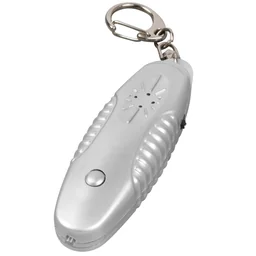
For furnishing your seating area and looking after your home and garden, you will find suitable solutions in the Garden + Outdoor category and in Garden equipment. Include mosquito protection in your plans when designing your outdoor space rather than waiting until after several bites.
“The best way to prevent diseases spread by mosquitoes is to avoid mosquito bites.”
Additional advice
Always prepare herbal infusions fresh and with clean water. Keep leftovers refrigerated for no more than 24 hours and discard them if their smell or appearance changes. If using plant-based applications on infants, young children, or people with allergies or sensitive skin, consult a pharmacist or pediatrician beforehand.
The practical order: Wash the area, cool it for ten minutes, do not scratch, and only then test a cleanly prepared compress made with a correctly identified plant. Natural mosquito bite relief is a complementary measure. If the skin gets worse or general symptoms appear, stop treating it at home and seek medical advice.
Frequently asked questions
- Which home remedy from the garden works fastest for a mosquito bite?
- Cold usually works fastest: Place a clean, damp cloth or a wrapped cold pack on the area for ten minutes. Plantain or a cooled lemon balm compress may provide additional relief afterwards. However, there is limited reliable clinical evidence for freshly prepared garden remedies. Only test any application on unbroken skin.
- Can I place plantain directly on a mosquito bite?
- Yes, provided you can identify the plant with certainty, use a clean, undamaged leaf, and the skin has not been scratched open. Wash the leaf, crush it with clean hands or a spoon, and place it briefly on the bite as a compress. Remove it immediately and wash the area if it causes burning.
- Is lavender oil suitable for mosquito bites?
- Do not apply undiluted lavender oil to a mosquito bite. Essential oils can cause irritation or contact allergies, especially on sensitive skin and in children. At most, use a mild, cooled flower infusion and keep it away from the eyes, mucous membranes and broken skin. If you are unsure, ask a pharmacist.
- When should I see a doctor about a mosquito bite?
- Call 112 if you have difficulty breathing, swelling of the lips, tongue or throat, circulatory problems or rapidly developing hives. You should also seek medical advice for severe and increasing swelling, pus, fever, red streaks or severe pain. After travelling, fever is also a reason to seek medical evaluation.
- How can I prevent mosquito bites in the garden?
- Empty plant saucers, buckets and toys regularly, cover rain barrels and wear long, light-coloured clothing in the evening. Mosquito nets and suitable repellents provide additional protection. A mosquito repellent product such as PRODUCT_98577 can reduce new bites, but it does not replace measures to eliminate standing water.
You may also be interested in
- Repelling mosquitoes with plants
- Natural mosquito repellents: Home remedies for a bite-free summer
- Relieve a cold naturally: Medicinal herbs from the garden
- Getting rid of mosquitoes in the garden: Effective strategies against mosquitoes
- Treating insect bites: Quick relief with home remedies
- Wasp stings: First aid and preventive measures in the garden