
In brief: Mulching is a simple yet effective way to improve soil in an organic garden. An organic cover layer made from materials such as grass clippings, wood chippings or leaves retains moisture, suppresses weeds and supports soil life. It breaks down slowly and supplies plants with nutrients. This creates a healthy ecosystem and significantly reduces maintenance.
What is mulching and how does it work?
Mulching means covering the soil around your plants with a protective layer. You can use organic materials such as grass clippings, shredded branches or leaves. This layer acts like insulation for the garden soil.
It suppresses weed growth by blocking light. At the same time, it significantly reduces water evaporation. The soil stays moist and cool for longer, even on hot days.
Over time, earthworms and microorganisms break down the mulch. They turn it into valuable humus. This process improves soil structure in the long term and releases nutrients.
What specific benefits does mulching offer your soil?
Mulch protects the sensitive soil surface from direct sunlight and heavy rain. Both can damage the topsoil and cause erosion. A protected surface remains loose and crumbly.
Moisture remains in the plants' root zone for longer. You need to water much less often. This saves time and precious tap water.
The active community of organisms in the soil benefits enormously. Earthworms, springtails and fungi find ideal living conditions beneath the mulch layer. They mix the soil and build up humus.
Expert tip
Apply mulch to soil that is already moist. Water the beds thoroughly before spreading the mulch layer. This stores moisture optimally beneath the cover and immediately supports biological activity.
Improved soil structure and nutrient cycle
Slow decomposition continuously creates new humus. This binds nutrients and improves the soil's ability to retain water. Heavy soils become more permeable, while light sandy soils retain water better.
The nutrient cycle is completed directly in the bed. What starts as clippings or leaves becomes plant food. You reduce the need for external fertilisers. Information about suitable organic amendments can be found in our organic fertiliser category.
How do your plants benefit from mulching?
Plants develop healthier and more extensive root systems in mulched soil. The loose, moist and nutrient-rich ground provides ideal growing conditions. The roots can spread easily.
The roots are exposed to less severe temperature fluctuations. The mulch layer buffers heat in summer and cold in winter. This results in more even plant growth.
Many pests find it harder to reach your plants. Slugs often avoid dry mulch materials such as bark mulch or shredded prunings. Overall plant health improves, while the need for plant protection decreases.
A layer of mulch is like a service station for the soil. It provides food, water and protection for the entire soil ecosystem, which in turn nourishes the plants. It is a perfect symbiosis.
Less stress, more growth
Plants experience less drought stress. They do not have to use energy searching for water. Instead, this energy goes into leaf growth, flower formation and fruit set.
Shallow-rooted plants, including many vegetables, benefit particularly. Their fine roots lie directly in the humus-rich, moist zone beneath the mulch. The result is stronger plants and often higher yields.
Which mulch material is suitable for which purpose?
The choice of material depends on how you intend to use it. Grass clippings are ideal for vegetable beds. They decompose quickly and release many nutrients. Let the clippings dry for a day before applying them to prevent rotting.
Shredded shrub and tree prunings are ideal for paths and beneath shrubs and trees. Their coarse structure decomposes more slowly and suppresses weeds very effectively. You can combine them with our
when creating permanent paths.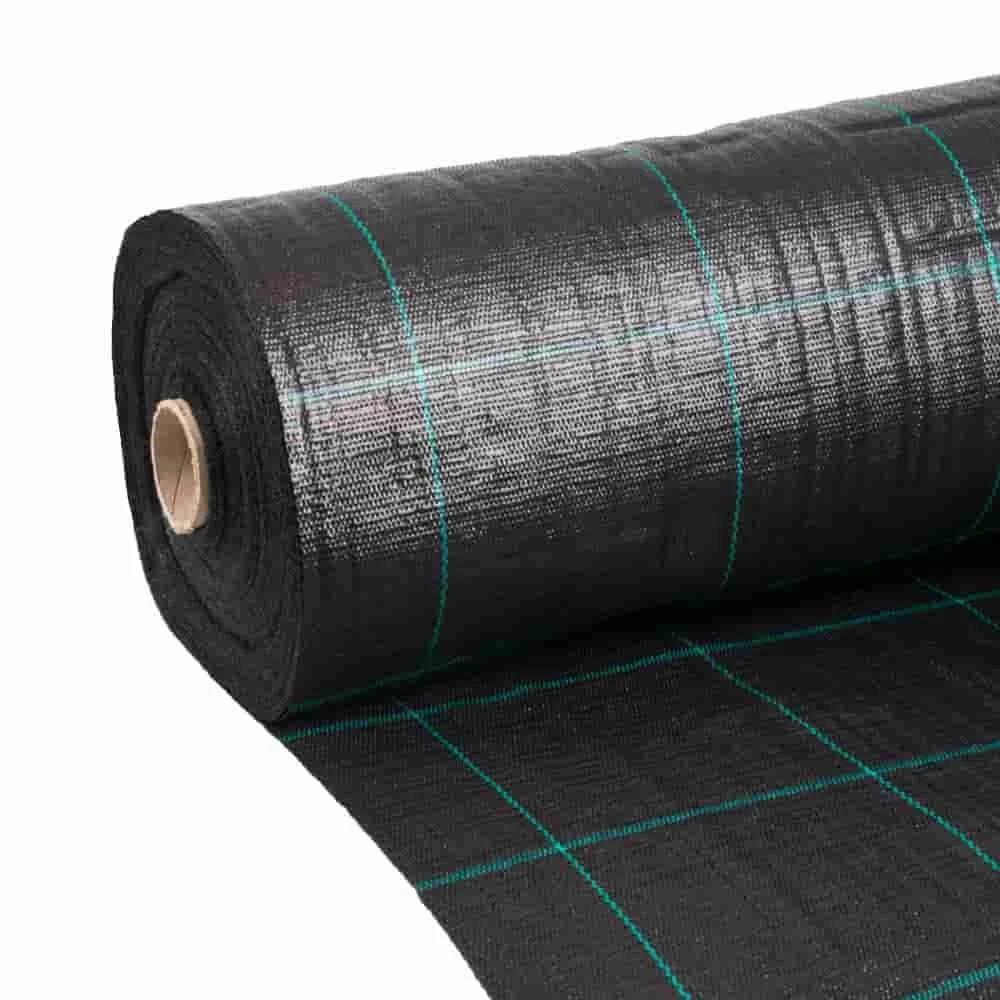
Bark mulch or bark compost is suitable for ornamental beds and beneath woody plants. It has a high lignin content and decomposes very slowly. Pay attention to quality and use only well-composted products.
Important note
Never mulch with fresh, uncomposted manure or material heavily contaminated with seeds, such as immature compost. This can burn your plants or introduce masses of weeds into your bed. Use only mature, weed-free materials.
Special materials for specific purposes
Straw is a classic mulch material for strawberries and potatoes. It keeps the fruit clean and dry. It is also suitable for pumpkins and courgettes.
Leaves are suitable in autumn for covering cleared beds or protecting delicate perennials. Oak leaves make the soil slightly more acidic and are suitable for rhododendrons or blueberries. For general soil improvement, you can also lightly work our
, rock dust into the soil before mulching.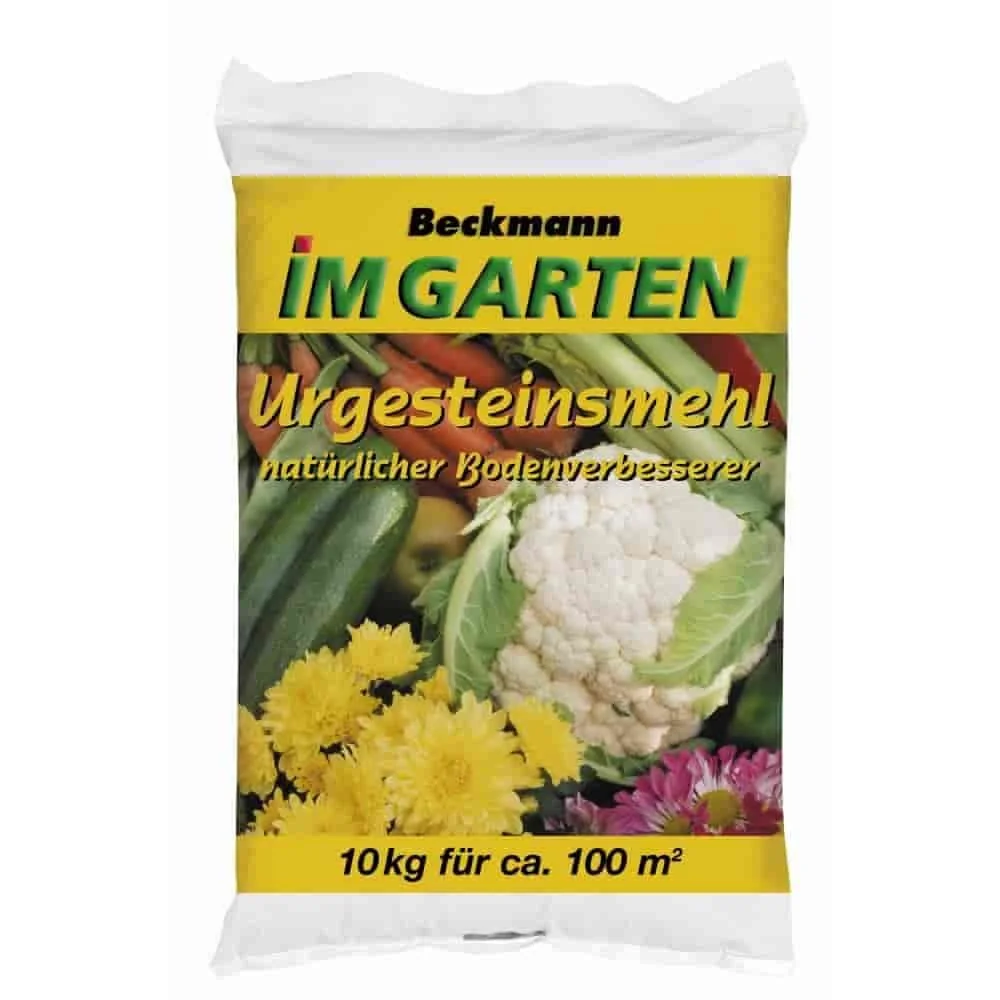
How do you mulch correctly? A step-by-step guide
Prepare the bed. Thoroughly remove any existing weeds. Loosen the surface of the soil with a digging fork without damaging the roots of your crops.
Provide the soil with nutrients if necessary. In poor soils or when using carbon-rich mulch such as straw, lightly work in some organic fertiliser such as our
or horn meal. You can find an overview under Plant Fertilisers & Flower Fertilisers.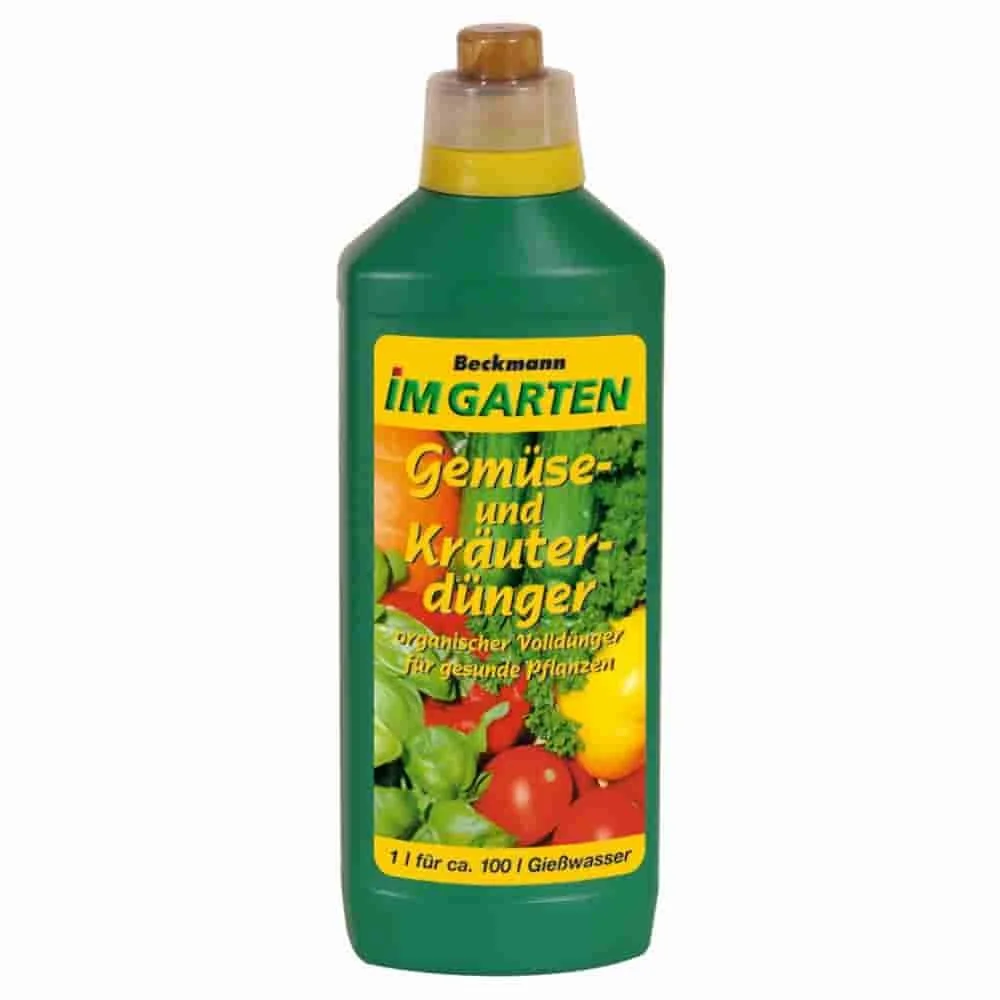
Apply the mulch layer evenly. It should be 5 to 10 centimetres thick. Distribute the material by hand or with a shovel. Make sure that no plant stems are covered directly by the mulch.
The most common mistake when mulching is applying a layer that is too thin. Below 5 cm, it will not suppress weeds effectively and the soil will dry out too quickly. Don't be afraid to apply a substantial layer.
Maintaining mulched areas
Check the mulch layer regularly. After heavy rainfall, it can become compacted or waterlogged. If this happens, loosen it gently with a rake.
After a few months, the layer will become thinner. Simply add more material. You do not need to remove the old mulch. It will continue to decompose in place.
In autumn, you can lightly work the remaining mulch layer, which is often already largely decomposed, into the top layer of soil. In spring, start again with a fresh layer.
Additional advice
For particularly sustainable soil improvement, combine mulching with green manure. In late summer or in cleared beds, sow plants such as Persian clover or phacelia. Mow them before flowering and leave them as mulch or lightly incorporate them into the soil.
What mistakes should you avoid when mulching?
Do not mulch cold, wet soil in early spring. The layer would delay the soil warming up. Wait until the soil has warmed and the plants are actively growing.
Avoid piling mulch directly around the stems of plants or trees. This encourages stem rot and provides snails and rodents with a hiding place. Keep a small, clear ring around the base of each plant.
Do not use material that may have been treated with herbicides or pesticides. This applies particularly to grass clippings from other areas or straw from conventional farming. The active ingredients could damage your garden plants.
Choosing the wrong material
Spruce or fir needles make the soil considerably more acidic. Use them only for special acid-loving plants such as blueberries. They are unsuitable for most vegetables and ornamental plants.
Fresh, green material rots when applied in layers that are too thick. Grass clippings should always be applied only in thin layers of a few centimetres or allowed to dry first. Our
, the soil activator, can help speed up decomposition and optimise the process.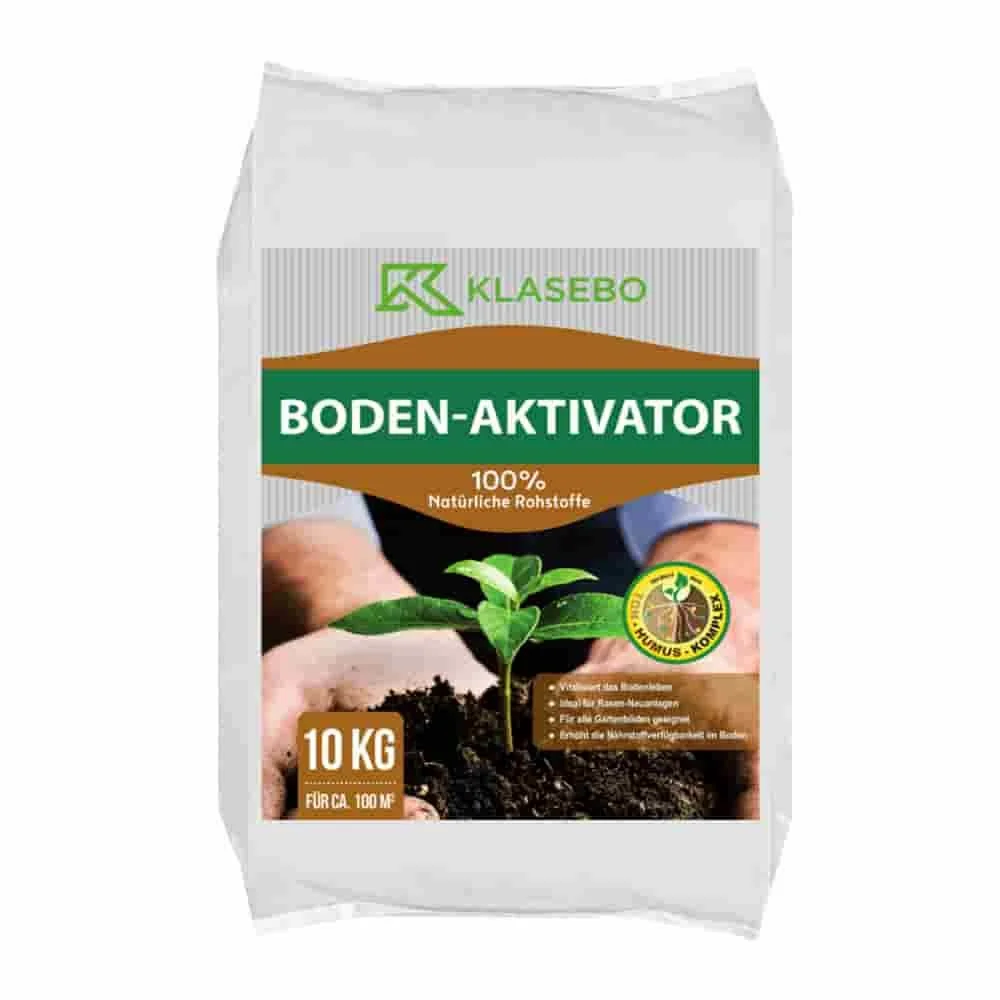
Mulch is not a substitute for basic soil care. In heavily compacted or nutrient-poor soils, you must address the underlying causes first. A layer of mulch alone will not solve deep-rooted problems. You can find information on basic soil topics in the Garden + Plant Accessories category.
Mulching as part of year-round garden care
Incorporate mulching into your seasonal gardening routine. In spring, mulch the beds after the first weeding and soil loosening. In summer, you can top up the mulch, especially after weeding.
In autumn, mulch protects sensitive perennials and roses over winter. Use loosely piled leaves or shredded prunings for this purpose. The layer protects the root balls from severe frost.
You can even plan during winter. Collect suitable materials such as leaves or shred the tree prunings that accumulate. This ensures you have enough mulch material ready in spring. The effort is worthwhile: a mulched garden is a vibrant, healthy and easy-care garden.
Frequently asked questions
- Which materials are best for mulching?
- Classic organic materials include grass clippings, shredded hedge trimmings, leaves, straw and bark mulch. Fast-decomposing materials such as grass clippings or straw are suitable for vegetable beds. Under shrubs and trees, you can use longer-lasting bark mulch. Make sure the material is free from weeds.
- How thick should the mulch layer be?
- An effective mulch layer is about 5 to 10 centimetres thick. For fine materials such as grass clippings, 5 cm is sufficient. Coarse material such as wood chippings or pieces of bark can be applied at a thickness of 10 cm. Important: Leave a small mulch-free zone around the plant stems to prevent rotting.
- When is the best time to mulch?
- The ideal time is late spring, when the soil has already warmed up and the plants are well established. However, you can mulch at any time during the season, especially after weeding or before periods of drought. In autumn, a layer of mulch protects plant roots from frost.
- Does mulch remove nitrogen from the soil as it decomposes?
- Yes, but only temporarily and directly at the boundary between the mulch and the soil. Microorganisms need nitrogen to break down organic matter. With carbon-rich materials such as bark mulch or straw, you can compensate for this requirement with a little horn meal or organic fertiliser, which you lightly work into the soil before mulching.
- Can I use weed control fabric under mulch?
- In an organic garden, we advise against combining weed control fabric with organic mulch. The fabric prevents earthworms from mixing the mulch and soil as intended and inhibits the natural nutrient cycle. A sufficiently thick layer of pure mulch reliably suppresses weeds naturally.
You may also be interested in
- Granulated organic cattle manure: The best fertiliser for your garden?
- Mowing or mulching the lawn: Which is better for your garden?
- How to use bark mulch correctly
- No-dig gardening: Gardening without digging
- Organic horse manure: Natural goodness for your garden
- How to control aphids: Organic methods for the garden