
In brief: The 2026 test and comparison shows that choosing the right nail depends largely on the material and intended application. Shorter nails are suitable for light wood joints, while longer and thicker models are necessary for load-bearing structures. An assortment such as the Basic Box offers flexibility for various projects. In addition to length, the head and material are also crucial for achieving a clean and durable result.
Are you working on a DIY project and wondering which nail is right for the job? Our test and comparison for 2026 will help you choose. We compare different types and show which model is suitable for each task. Whether you want to hang a picture, build a wooden deck or knock together a crate, choosing the right nail is essential for a stable and neat result.
Nails are the classic fastening element in fastening technology. They join materials quickly and permanently. But the choice is extensive. Nails differ in material, length, thickness and head shape. Our comparison focuses on models relevant to DIY enthusiasts and provides clear buying advice.
Table of contents
What sets the nails in the test apart?
At their core, all nails serve the same purpose: they hold materials together. The differences lie in the details. Length, diameter and the design of the head are decisive. A thicker nail provides greater holding power, but also requires more force to drive in and can split wood more easily.
The material is another important factor. Most standard nails are made of steel. For visible indoor applications, however, models with a decorative coating such as brass are popular. For outdoor use, nails must be corrosion-resistant, meaning galvanised or made of stainless steel.
Head shapes and their applications
You will find various head shapes. The countersunk head nearly disappears into the material and is suitable for invisible connections. The large flat head provides a broad contact surface and prevents the nail from pulling through soft materials such as cardboard or thin wood. The decorative brass head, on the other hand, remains visible and becomes a design feature.
Classic picture nails compared
Special picture nails are the first choice for hanging pictures and lightweight decorations. They are slim, have a pointed shape and often feature a small, decorative head. The Home Classic range with brass head is a typical example of this category.
These nails impress with their attractive appearance. The brass head does not need to be painted over after driving in the nail. The assortment in different lengths from 20 mm to 50 mm allows you to choose the right nail for the weight of your picture and the condition of the wall. A lightweight frame can be hung with a shorter nail, while heavy mirrors or shelves require a longer version.
Tip: When working with unfamiliar walls, such as plasterboard, always test in a concealed area to check whether the selected nail provides sufficient hold. For cavity walls, special wall plugs or hooks are often the better choice.
A practical option is the
. This assortment bag with 100 pieces offers a useful mix for the home and saves you from having to choose a single length.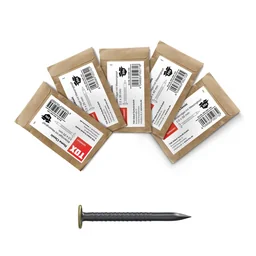
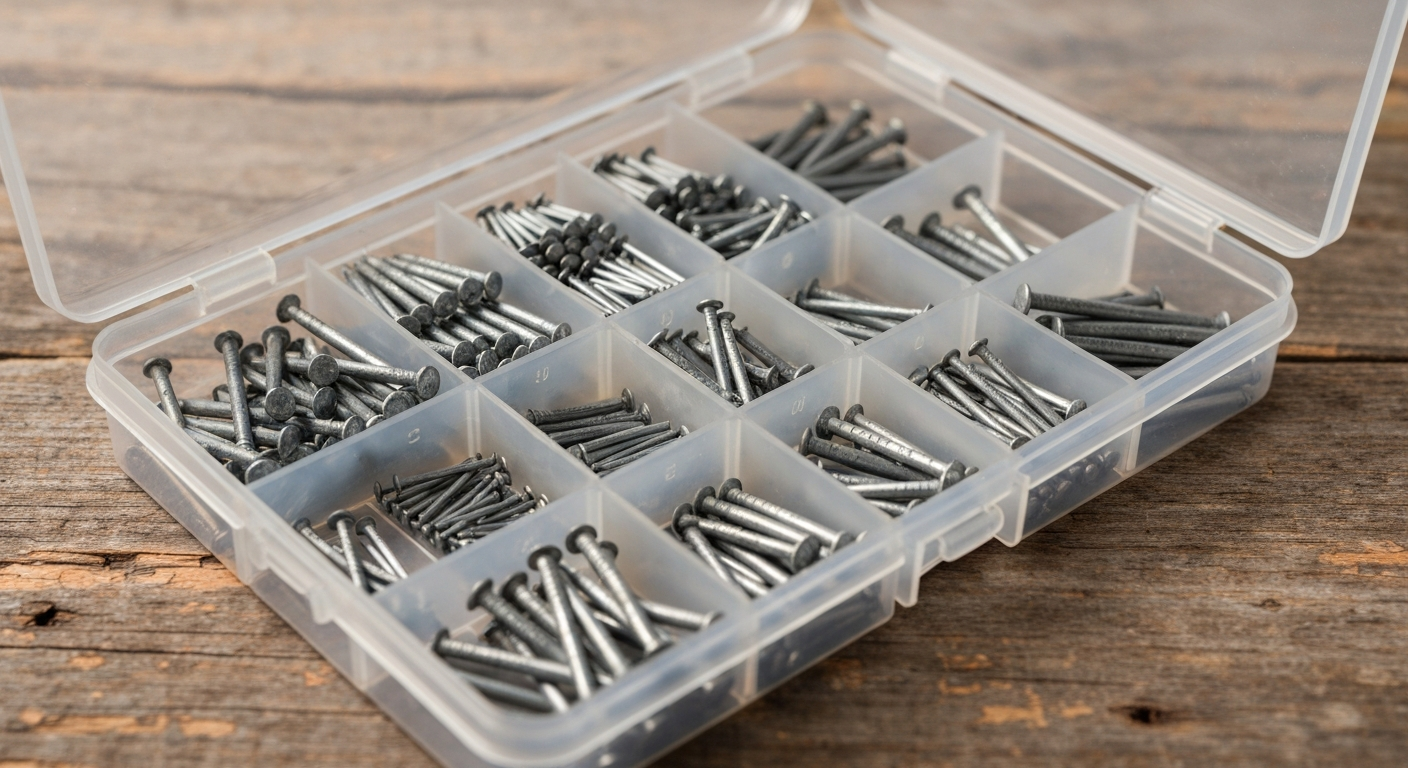
Versatile assortments for flexibility
For keen DIY enthusiasts or households that regularly repair or make things, investing in an extensive nail assortment is worthwhile. Such a set offers maximum flexibility.
The
is an example of such a basic assortment. With 580 pieces, you will have the right nails to hand for most smaller projects. From short nails for small crates to longer ones for sturdier connections, such a set covers a wide range. This saves time and prevents frustration when a project suddenly requires a different nail size.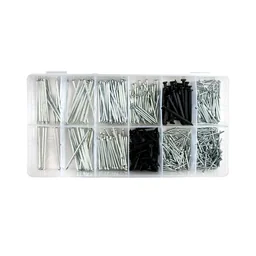
Important: Store nails in a dry place protected from moisture. Even galvanised nails can begin to rust when stored for a long time in a damp environment, which affects their strength.
What should a good basic assortment contain?
A good household assortment should contain different lengths and thicknesses. Ideally, it should include a mix of thin, short nails for delicate work and robust, longer nails for furniture or garden projects. Also look for a sturdy storage box that makes sorting and quick access easy.
Choosing the right length
Choosing the right length is one of the most common sources of errors. A nail that is too short will not provide a secure hold. A nail that is too long may protrude from the back or damage the material on the other side.
A simple rule: The nail should be long enough to pass completely through the material being attached and penetrate sufficiently deep into the supporting material underneath. For a stable connection, the section embedded in the supporting wood should be at least as long as the thickness of the part being attached. For heavy loads, choose correspondingly longer nails.
For the
, the 50 mm nail from the Home Classic range, this means it is suitable for attaching thicker wood or situations where you need particularly strong hold, such as mounting heavy wooden wall shelves onto timber framing.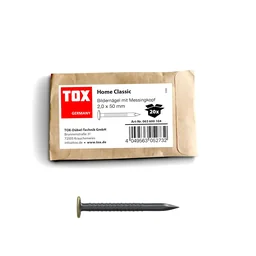
Tips for perfect results
With the right technique, you can achieve clean results while protecting both your tools and the material. Start the nail with light taps to position it.
Then drive it in with firm, controlled blows from your wrist and elbow. Hold the hammer firmly at the end of the handle for maximum leverage. Try to drive the nail in straight. If it bends, pull it out with a nail puller and use a new one.
Note: When working with hardwood or nailing close to an edge, drilling a small pilot hole is recommended. It prevents the wood from splitting and makes driving the nail in much easier. The drill bit should be slightly thinner than the nail diameter.
The right hammer for the job
Choose a hammer that matches the nail. A lightweight tool hammer is sufficient for small picture nails. For longer and thicker construction nails, you need a carpenter's hammer with more weight and leverage. A well-padded handle also protects your wrists.
Storing and caring for nails
Proper storage is essential to keep your nails in good condition and ready to use. Store them in a dry place. Moisture causes rust, even on coated nails over the long term.
Sort your nails by type and size. Use the original packaging or clear, labeled storage containers. This saves you a lot of time searching for the right nail on your next project. Check older nails for early signs of rust before use. Rusty nails have significantly reduced load-bearing capacity.
Sustainability and disposal
Always use as many nails as necessary, but as few as possible. A well-planned, stable connection often requires fewer nails than expected. Old, rusty nails belong in metal recycling. Unused, clean nails can be stored for many years and used when needed.
The most highly rated nails in our range compared directly:
| Model | Customer rating | Availability |
|---|---|---|
| Home Classic picture nail with brass head 2,0 x 20 mm, 20 pieces | – | Currently unavailable |
| Home Classic picture nail with brass head 2,0 x 25 mm, 20 pieces | – | Currently unavailable |
| Home Classic picture nail with brass head 2,0 x 30 mm, 20 pieces | – | Currently unavailable |
| Home Classic picture nail with brass head 2,0 x 40 mm, 20 pieces | – | Currently unavailable |
| Home Classic picture nail with brass head 2,0 x 50 mm, 20 pieces | – | Currently unavailable |
Our test and comparison shows that the best choice always depends on your specific project. For decorative indoor applications, the Home Classic nails with brass heads are an excellent choice. For general workshop use or versatile applications, a large assortment such as the Basic Box is a great option. Always consider the right length and thickness for the required holding power.
With this knowledge, you can confidently browse our nails range and find the right product for your next task. You can find more tools and accessories in the tools category. We wish you every success with your projects!
Frequently Asked Questions
- What nail length do I need for a strong wood joint?
- The required length depends on the thickness of the pieces of wood being joined. As a rule of thumb, the nail should be at least three times as long as the thinner piece of wood it needs to penetrate. For a 2 cm thick strip, choose a nail that is at least 6 cm long to ensure sufficient grip in the wood underneath.
- What are the advantages of nails with brass heads?
- Nails with brass heads, such as the Home Classic series, provide a decorative finish and do not need to be filled or painted over after being driven in. The gold-colored head remains visible and creates a deliberate accent. These nails are ideal for visible indoor fastening, such as for picture rails or decorative wood joints.
- Are nail assortments useful for DIYers?
- Yes, an assortment such as the Basic Box is very practical for DIYers. You have various nail sizes for different projects readily available and avoid having to buy several individual packs. This is particularly efficient and cost-effective when starting a new project or carrying out general household repairs.
- Can I use any nail for outdoor projects?
- No, outdoor projects require specially coated nails or nails made from corrosion-resistant material. Galvanized nails or stainless steel nails offer protection against rust. Never use untreated steel nails outdoors, as they can rust quickly and lose their holding power.
- How can I prevent wood from splitting when nailing?
- To minimize splitting, drill a small pilot hole before nailing, especially in hardwood or near edges. Use a nail with a fine point and drive it in straight with controlled blows. Alternatively, you can slightly blunt the tip of the nail with a hammer, which reduces the risk of splitting.