
In brief: Choosing the best natural stone depends on how it will be used. Granite and basalt are the first choice for patios and paths thanks to their hardness. Sandstone impresses with its warm appearance on facades, while limestone is well suited to masonry. In addition to appearance, frost resistance and slip resistance are key factors.
Natural stone gives your garden, patio or facade a timeless character. Each piece is unique. But the choice is vast: granite, sandstone, basalt or limestone? Our 2026 test and comparison will help you find the right stone for your project. We assess key properties such as hardness, frost resistance and appearance and provide clear buying advice.
Table of contents
What types of natural stone are there?
Natural stones differ greatly in how they are formed and in their properties. This affects where they can be used and how they should be maintained.
Granite: The all-rounder for outdoor use
Granite is an igneous rock that is extremely hard, dense and frost-resistant. It is ideal for heavily used areas such as patios, driveways and steps. Its appearance ranges from grey and red to bluish, often with distinctive flecking.
Sandstone: The warm classic
Sandstone is a sedimentary rock with a warm, often yellowish to reddish colour. It is softer than granite and must be frost-resistant and sealed for outdoor use. It is ideal for facade cladding, garden walls and paths with lighter traffic.
Basalt and greywacke: The robust dark stones
Basalt is a volcanic rock that is very hard and dark. Greywacke is an especially hard sandstone. Both are perfect for modern garden design, paving and bound-gravel paths. They have a clean, elegant appearance.
Limestone and travertine: Elegant but demanding
Limestone and its porous relative travertine are elegant, light-coloured stones. They are more susceptible to acids (e.g. lemon juice) and must always be sealed for outdoor use. They are often used indoors or as accents in the garden.
What should you look for when buying?
Not every natural stone is suitable for every project. These criteria are crucial.
Frost resistance: The most important factor for outdoor use. The stone must be able to repel water so that it does not crack in freezing conditions. Ask specifically about certification.
Slip resistance: Particularly for patios, steps and pool surrounds, a rough surface with good slip resistance is vital. Polished surfaces are often unsuitable here.
Thickness and format: For walkable surfaces, a minimum thickness of 3 cm is recommended. Larger slabs look more modern but are harder to lay. Small formats such as paving stones are easier to handle.
Always order a sample slab before buying a large quantity. The colour and texture may differ from the image. This helps you avoid unpleasant surprises.
The best natural stones compared
The most highly rated natural stone products in our range compared directly:
| Model | Customer rating | Availability |
|---|---|---|
| Wetterglas 🏆 Test winner | ★ 4,8 (23) | In stock |
| 10 mm fine-wire staples, 1,000 pieces, 0,7 mm | ★ 4,9 (15) | In stock |
| Fireplace and stove glass cleaner 0,5 l | ★ 4,9 (15) | In stock |
| Nail clippers with magnifying glass, white | ★ 4,8 (8) | In stock |
| 8 mm fine-wire staples, 1000 pieces, thickness 0,7 mm | ★ 4,9 (7) | In stock |
Our comparison shows that granite and basalt lead in terms of durability and ease of maintenance. Sandstone scores with its appearance and workability but requires more protection.
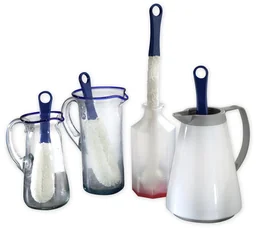
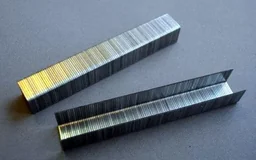
Specialist products can be useful for cleaning and maintaining your natural stone surfaces. The is suitable for fireplace glass, but also for dirty stone surfaces outdoors. For a thorough deep clean, the is a good choice. When laying thin slabs or securing covers, a staple gun with the right can be helpful.

How do you lay and care for natural stone?
Proper installation ensures long-lasting results. Good maintenance preserves its beauty.
The ideal base
A stable, compacted and well-drained base is essential. For patios and paths, a gravel sub-base and sand bed are standard. Ensure a slight slope of around 2% to allow water to drain away.
To grout or not?
Joints allow rainwater to drain away more effectively. Use permeable jointing sand or special garden jointing compounds. Narrow joints look more elegant but take more time to install.
Never use cement mortar to grout natural stone paving in the garden. It is impermeable to water and can lead to waterlogging and frost damage. Use special permeable jointing compounds.
Care and sealing
Clean natural stone regularly with water and a soft brush. For dirt and stains, use pH-neutral stone cleaners. Apply a sealant after installation and then at regular intervals. It protects against stains and the effects of the weather.
Calcareous stones such as sandstone and travertine absorb liquids quickly. Always seal these stones before first use to prevent permanent stains, for example from red wine or oil.
Which mistakes should you avoid?
Some mistakes cost money and frustration in the long run.
Using the wrong stone in the wrong place: Soft sandstone on a heavily used patio wears down quickly. Frost-sensitive stone outdoors can crack in winter.
Inadequate sub-base: Don’t cut corners on the sub-base. Settlement cracks and uneven surfaces are the result.
Aggressive cleaning: Pressure washers or acids damage the surface and strip away the sealant.
Missing sealant: Especially with limestone-based stones, oil or wine splashes can cause permanent stains.
Conclusion: Your path to the perfect natural stone
Choose natural stone primarily according to its intended use. Granite and basalt are robust all-rounders for heavily used areas. Sandstone adds warmth to less heavily used spaces. Limestone and travertine are elegant but require more maintenance.
Invest in a professional sub-base and high-quality sealant. This will ensure you can enjoy your natural stone for many years. Browse our range in the natural stone section or find inspiration in the garden category. With the right planning and installation, your natural stone project will be a lasting success.
Frequently Asked Questions
- Which natural stone is best for a patio?
- Frost-resistant and durable stones such as granite or basalt are ideal for patios. Make sure the surface is slip-resistant, especially when wet. The stone should be at least 3 cm thick.
- Do I need to seal or impregnate natural stone?
- Sealing protects against stains and weathering, especially for stones such as sandstone or travertine. For granite, it is often optional. The product must be suitable for the type of stone.
- How do I clean natural stone surfaces properly?
- Clean natural stone with pH-neutral products and soft brushes. Avoid aggressive cleaners or pressure washers, as they can damage the surface. Special products such as PRODUCT_72970 can help remove stubborn dirt.
- Can I install natural stone myself?
- Yes, with good DIY skills and the right tools. A stable, compacted base and a suitable laying pattern are essential. For large slabs or complex patterns, we recommend hiring professionals.
- How much does natural stone cost compared with concrete pavers?
- Natural stone often costs more to buy than concrete. However, it offers durability, a unique appearance, and lasting value. You should compare the total costs, including installation.