
In brief: Create a wildlife-friendly garden for insects and birds by avoiding pesticides, planting native flowering plants and preserving features such as deadwood hedges and sandy nesting patches. Leave faded perennials standing over winter and provide nesting aids as well as year-round food sources such as PRODUCT_23311 or PRODUCT_23369. A messy garden is a living garden.
Wildlife-Friendly Garden in Spring: How Can I Create a Habitat for Insects & Birds?
Spring is the ideal time to transform your garden into a vibrant haven for biodiversity. A wildlife-friendly garden needs no chemicals, gives native plants space and creates shelter for animals. You can get started with simple but effective measures.
Avoid pesticides and synthetic fertilizer. These substances damage the delicate balance in the soil and poison food chains. Instead, use compost and mulch made from your own garden clippings.
Start by taking stock. Which areas are sunny and which are shady? Where does fallen foliage collect? These natural conditions determine your choice of plants and garden features.
Expert tip
Keep a simple garden journal. Record flowering times, bird species and insects you observe. Over the years, this will show you how your wildlife-friendly haven is developing and where you may need to make adjustments.
The Soil: The Foundation of All Life
Healthy, living soil is the foundation. Earthworms, springtails and fungi loosen the soil and make nutrients available. Disturb this microscopic ecosystem as little as possible.
Avoid deep digging. It destroys soil layers and tunnels. Work compost into only the surface layer or leave it as mulch. This protects the soil from drying out and suppresses weeds.
Simply leave one corner of your garden undisturbed. A pile of old leaves, branches and faded stems becomes a valuable winter shelter and nursery for countless small creatures.
How Can I Create an Insect-Friendly Garden?
Insects need two things: food and shelter. Pollen- and nectar-rich flowers provide food. Unkempt corners and well-placed nesting aids provide shelter.
Choose plants with single, open blooms. Double flowers often look spectacular but provide neither nectar nor pollen. Classic choices include bellflowers, viper's bugloss, oregano and sedum.
Make sure there is a continuous succession of blooms from early spring to late fall. Start with bulbs such as winter aconites and wild tulips. Follow with perennials such as columbines and scabious. Finish with fall asters and ivy, which blooms in September.
“A garden without insects is like a lake without fish. They are essential pollinators and the primary food source for birds, hedgehogs and bats. Every bloom counts.”
Don’t overlook so-called “weeds.” Ground ivy, daisies and dandelions are valuable early food sources. A small patch of wild herbs or an unmown meadow area can make a big difference.
Create Structure: More Than Just an Insect Hotel
Nesting aids are important, but natural structures are even better. Leave the pithy stems of blackberry, mullein or elderberry in place. Many solitary bees nest in them.
A sunny, bare patch of ground without vegetation provides a nesting site for ground-nesting solitary bees. A sandy, nutrient-poor patch is enough. Protect it from foot traffic.
A deadwood pile made of branches and logs is a top-class hotel. Beetles, solitary bees, lacewings and earwigs find shelter here. Fungi break down the wood and create new life.
Important note
Buy only insect hotels with cleanly drilled holes in hardwood or inserts made of reed and pithy stems. Roughly drilled holes with ragged edges can injure insects’ wings. You can find a good model in our category insect hotels.
Why Is My Garden So Important for Birds in Spring?
In spring, birds begin nesting. They need protein-rich food for themselves and their young, safe nesting sites and materials for building their nests. Your garden can provide all of these.
Native shrubs and trees are the best choice. They host the caterpillars and insects that tits, robins and sparrows feed to their young. Rowan, hawthorn and bird cherry trees are true food oases.
Dense hedges made from hornbeam, hazel or wild rose offer perfect protection from cats and sparrowhawks. Do not trim hedges in spring and summer, so you do not disturb nesting birds.
Provide nesting materials. Hang scraps of wool, animal hair or short lengths of sisal in a wire basket. Do not use synthetic fibers. Also leave some leaves and small twigs on the ground.
Additional tip
Place a shallow water bowl in a spot with good visibility. Birds can drink and bathe in it. Clean the bowl every day to prevent the spread of disease. In winter, replace the bird bath with a frost-proof bird drinker.
Feed Birds the Right Food at the Right Time
Experts now recommend feeding birds year-round, especially in intensively farmed areas with little natural habitat. In spring and summer, food quality is particularly important.
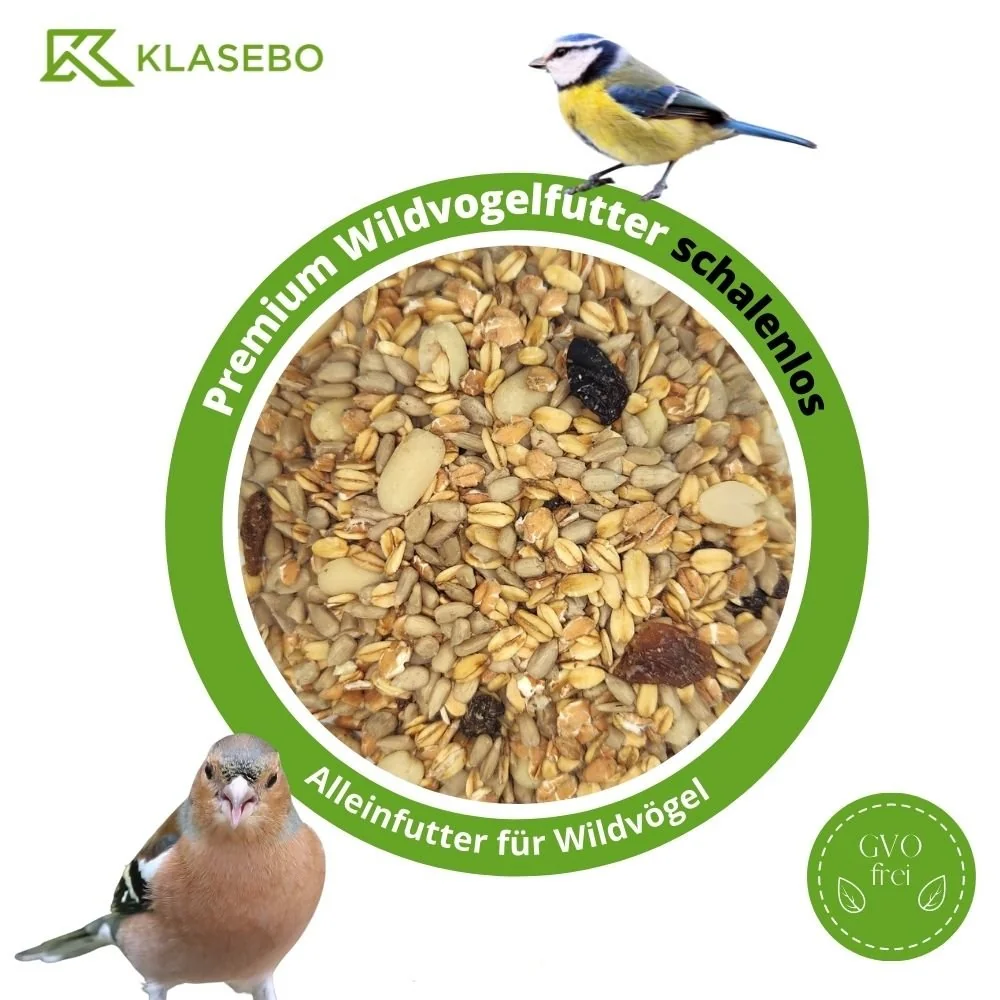
Offer protein-rich soft food. Shelled mixes with a high proportion of dried insects such as mealworms are ideal. Our
or the are perfect for this.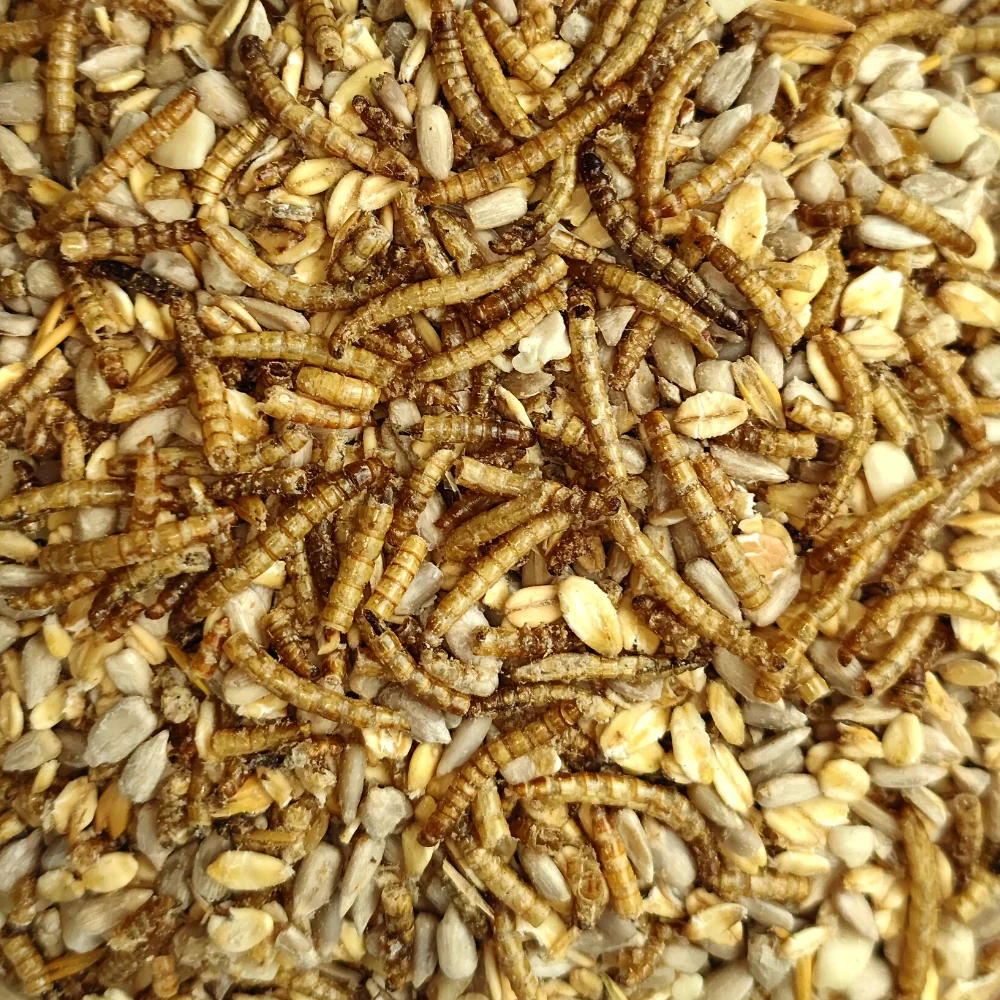
Peanuts are an excellent source of energy. The
offer them in a practical form. Make sure they are good quality to prevent mold. You can find more options in the bird food range.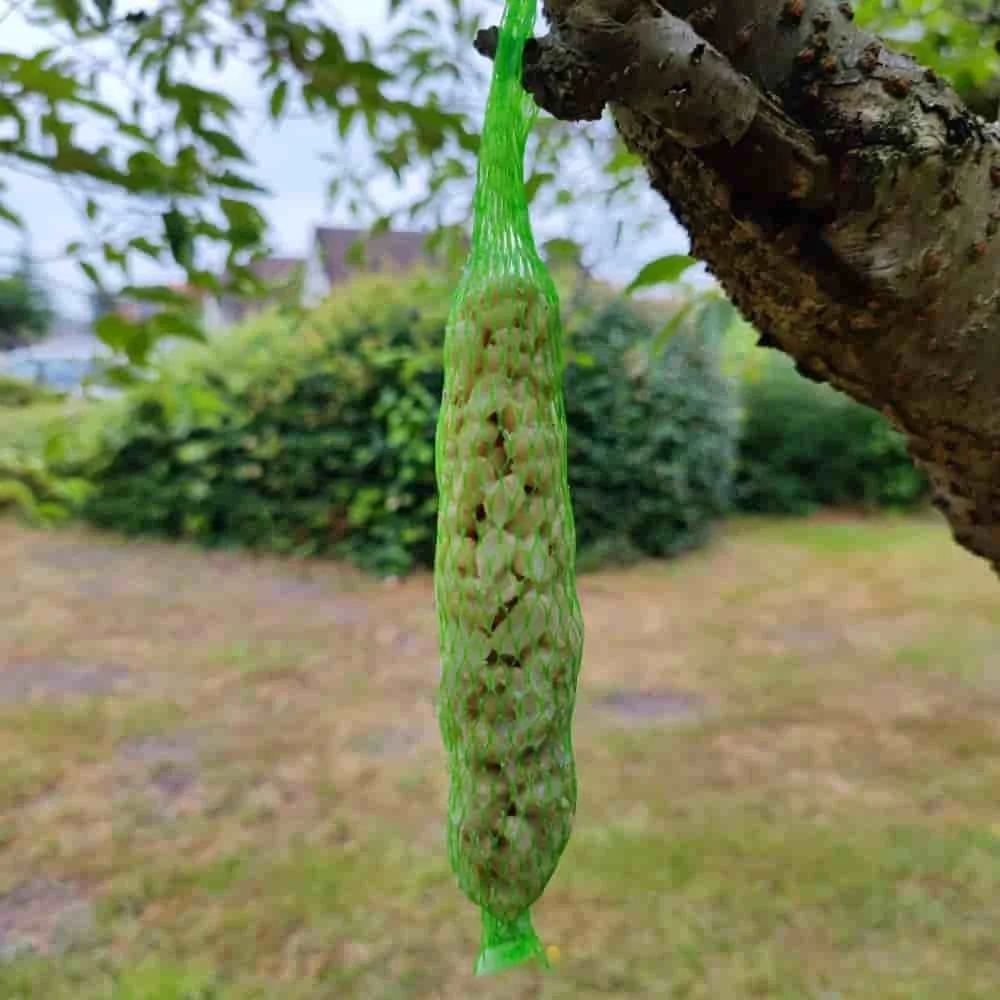
Position bird feeders where birds can easily approach them but cats cannot reach them. Clean feeding stations regularly with hot water.
“The art of creating a bird-friendly garden lies in allowing nature to take its course. Leave the thistles standing, leave the leaves on the ground and let one corner grow wild. This untidiness creates the life that attracts birds.”
What practical work needs to be done in spring?
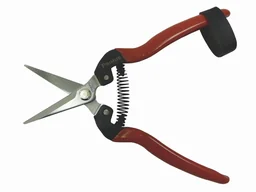
A wildlife-friendly garden requires a rethink when it comes to maintenance. You do less, but do it more selectively. Your tools should be sharp and gentle, like the
.
Cut back perennials only when they have completely dried out and are no longer home to insects. This often does not happen until late spring. Cut the stems at different heights to continue providing nesting opportunities.
Do not scarify or fertilize your lawn across the entire area. Leave clover, daisies and speedwell in place. They provide food for bees. Mow less often and never shorter than five centimetres. Or turn areas of lawn into wildflower meadows.
Plant new plants. Dig a generous planting hole, mix compost into the soil and water thoroughly. A layer of mulch made from shredded garden cuttings helps retain moisture.
Choosing plants: native species are essential
Exotic ornamental plants are often of little use to our insect populations. Choose regional species instead. They are adapted to the climate and soil and are easy to care for.
For sunny locations: meadow sage, scabious, betony and maiden pink. For partial shade: goat’s beard, wild teasel and hedge woundwort. For damp soil: purple loosestrife and yellow flag iris.
Do not forget trees and shrubs. Sea buckthorn provides berries for birds, while its flowers feed insects. Cornelian cherry flowers very early and is an important source of food for bees.
Find everything you need for planting and care in our extensive garden and plant accessories category.
From theory to practice: your action plan
Start small. Create a one-square-metre bed for insects or plant a native shrub. Every step counts.
Observe. Take time to sit in the garden with a cup of coffee. See which visitors arrive. Adapt your approach accordingly.
Connect with others. Ask garden centers about native perennials. Swap seeds with your neighbors. Find inspiration in parks with natural areas.
Be patient. A wildlife-friendly garden develops over many years. It will never be “finished”, and that is part of its appeal. It is a dynamic, living system.
With the right tools from our garden tools range and high-quality food such as the
you can give your garden and its animal inhabitants the perfect start to the season.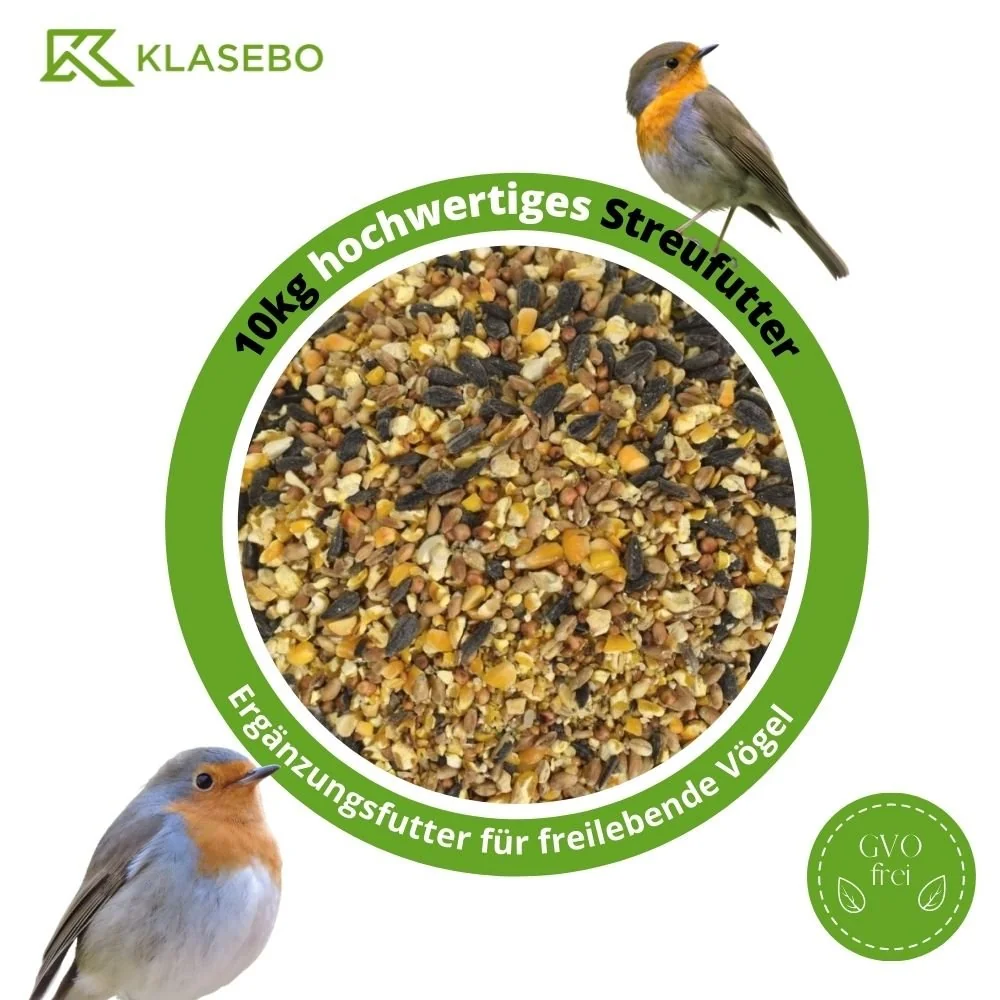
Frequently asked questions
- Which plants are particularly good for insects in spring?
- Choose early-flowering native perennials and shrubs. Snowdrops, crocuses, pussy willow and lungwort provide the first food from February/March. Later come ground ivy, cuckooflower and single flowers on ornamental cherry trees. A continuous succession of blooms through to fall is important.
- How can I make my garden bird-friendly without much effort?
- Leave fallen leaves and old plant material in one corner as shelter and a food source for insects that birds feed on. Plant dense, native hedges such as hornbeam or blackthorn as nesting sites. Put out a shallow bowl of water and offer high-quality food such as PRODUCT_23316 all year round.
- Can I tidy my garden at all in spring?
- Yes, but do so selectively and late in the season. Only start tidying once temperatures remain consistently above 10 degrees and there is no longer any risk of frost at night. Leave the faded stems of perennials such as coneflowers and thistles standing – they provide winter quarters for insects and a food source for birds.
- Do I really need an insect hotel?
- A well-designed insect hotel from our Insect Hotels category can be useful, but it is no substitute for natural structures. Sunny, open patches of soil, piles of deadwood and pithy stems are more valuable. The hotel should be clean, dry and securely mounted.
- Which bird food is suitable in spring and summer?
- In spring and summer, birds need protein-rich food to raise their young. Shell-free, soft varieties containing dried insects such as mealworms are ideal. PRODUCT_23311 or PRODUCT_24281 are perfect. Avoid large, hard grains, which could cause young birds to choke.
You may also be interested in
- Spring gardening: How to get the season off to a perfect start
- Insect-friendly garden: How to create a habitat for beneficial insects
- Supporting wild bees and insects: How to make your garden and balcony insect-friendly
- Spring flowers in the garden: A colorful start to the year
- Encouraging garden birds: Nesting sites and food
- Garden for biodiversity: Supporting insects and a wealth of flowers