
Kurz erklärt: Die Hausbau Bemusterung ist der praktische Entscheidungsprozess für alle Materialien und Ausstattungsdetails Ihres Neubaus. Mit einer strukturierten Checkliste vergleichen Sie vor Ort Farben, Oberflächen und Qualitäten. Diese Phase legt den visuellen und haptischen Charakter Ihres Hauses fest und beeinflusst langfristig Wartung, Wert und Wohngefühl. Gehen Sie methodisch vor, um später keine teuren Änderungswünsche zu haben.
Hausbau Bemusterung: Ihre Checkliste für die richtige Auswahl
Die Phase der Bemusterung entscheidet über den Charakter Ihres neuen Hauses. Hier legen Sie Farben, Materialien und Oberflächen fest. Eine gute Vorbereitung ist der Schlüssel für ein stimmiges Ergebnis, das auch nach Jahren noch gefällt.
Nutzen Sie die folgenden Abschnitte als Leitfaden. Gehen Sie Schritt für Schritt vor und dokumentieren Sie jede Entscheidung.
Wie bereite ich mich optimal auf die Bemusterungstermine vor?
Ohne Vorbereitung werden Sie von der Fülle der Möglichkeiten überrollt. Sammeln Sie vorab Inspiration. Pinterest-Boards oder eine physische Sammelmappe mit Ausschnitten aus Zeitschriften helfen.
Definieren Sie Ihren Stil in drei Wörtern. Modern, skandinavisch, rustikal? Diese Leitlinie filtert unpassende Optionen schnell aus.
Erstellen Sie einen groben Farb- und Materialplan. Welche Grundfarben sollen in welchen Räumen dominieren? Notieren Sie Must-haves und No-gos.
Profi-Tipp
Besichtigen Sie Musterhäuser oder fertige Objekte Ihres Bauträgers. Fotografieren Sie Kombinationen, die Ihnen gefallen. Fragen Sie die Bauherren nach ihren Erfahrungen mit den gewählten Materialien nach einigen Jahren Nutzung.
Checkliste für Ihre Vorbereitung
- Inspiration sammeln: Digitale Boards, Magazinausschnitte, Fotos.
- Budgetrahmen klären: Wissen, welche Posten im Paket enthalten sind und wo Aufpreise fällig werden.
- Raumbücher anlegen: Pro Raum eine Seite für geplante Materialien und Farben.
- Proben anfordern: Für Schlüsselelemente wie Bodenbelag oder Küchenarbeitsplatte schon vor dem Termin große Muster bestellen.
Ein guter Anfang ist die Beschäftigung mit Garten + Outdoor-Themen, denn hier beginnen oft die ersten Gestaltungsideen für den Außenbereich.
Welche Materialien muss ich bei der Hausbau Bemusterung auswählen?
Die Liste ist lang. Ein systematischer Ansatz verhindert, dass Sie wichtige Punkte vergessen. Unterteilen Sie die Auswahl in Gewerke.
Außenbereich und Hülle
Hier geht es um Langlebigkeit und Wetterbeständigkeit. Entscheidungen für die Fassade, Dachziegel, Fenster und Haustür fallen in diesen Bereich. Vergleichen Sie nicht nur die Optik, sondern auch technische Daten wie Wärmedämmwerte (U-Werte) bei Fenstern.
Die Fassade ist die Visitenkarte des Hauses und unterliegt ständiger Bewitterung. Entscheiden Sie sich für Materialien, die nicht nur gut aussehen, sondern auch mit minimalem Pflegeaufwand lange schön bleiben.
Für alle wasserführenden Elemente am Haus ist die Planung eines zuverlässigen Hausabflussrohrsystem essentiell, auch wenn dies oft unsichtbar verbaut wird.
Innenausbau: Böden, Wände, Türen
Diese Elemente prägen das Raumgefühl maßgeblich. Entscheiden Sie sich für Bodenbeläge wie Fliesen, Laminat, Parkett oder Vinyl. Vergleichen Sie die Nutzungsklassen. Ein Flur benötigt einen belastbareren Belag als ein Schlafzimmer.
Wählen Sie Wandfarben oder Tapeten. Testen Sie Farbmuster immer großflächig und bei unterschiedlichem Licht – morgens, mittags und abends. Die Entscheidung für Türen, Zargen und Griffe wirkt sich auf den gesamten Flur aus.
Wichtiger Hinweis
Verlassen Sie sich nie auf kleine Farbfächer oder digitale Darstellungen. Licht verändert Farben dramatisch. Bestellen Sie große Anstrichplatten (mind. A4) und stellen Sie sie für einige Tage in den zukünftigen Räumen auf.
Sanitär, Elektro und Küche
Im Bad wählen Sie Waschbecken, Wanne, Dusche, Armaturen und Fliesen. Achten Sie auf die Pflegeleichtigkeit von Oberflächen. Glänzende Armaturen zeigen weniger Wasserflecken als matte.
Die Elektroplanung umfasst Schalter, Steckdosen, Beleuchtungspunkte und deren Design. Planen Sie ausreichend Steckdosen und überlegen Sie, wo Sie praktische Elektowerkzeuge anschließen werden.
Für die Küche werden Fronten, Arbeitsplatte, Spüle und Armatur bemustert. Die Haptik der Griffe ist ebenso wichtig wie die Beständigkeit der Arbeitsplatte gegen Hitze und Schnitte.
Wie bewerte ich Qualität und Langlebigkeit der Materialien?
Optik ist ein Faktor, Haltbarkeit ein anderer. Fragen Sie gezielt nach. Welche Garantie gibt der Hersteller auf das Produkt? Nach welchen Normen (z.B. für Abriebklasse bei Böden) ist es klassifiziert?
Fordern Sie Referenzobjekte an. Ein Bauträger sollte Ihnen zeigen können, wie sich die angebotene Fensterlackierung oder Terrasse nach fünf Jahren bewährt hat.
Die teuerste Wahl ist nicht automatisch die beste. Entscheidend ist die Eignung für den konkreten Einsatzort. Ein hochglanzpoliertes Waschbecken im Gäste-WC ist pflegeleichter als im täglich genutzten Familienbad.
Für den Außenbereich, etwa für die Abdeckung eines Geräteschuppens oder eines kleinen Gewächshaus, sind Materialien wie stabile Folien und Gitter relevant. Ihre Qualität entscheidet über den Schutz Ihrer Geräte oder Pflanzen.
Praktische Testfragen für Ihr Beprobung
- Pflege: Wie reinige ich dieses Material? Welche Mittel sind tabu?
- Alltagstauglichkeit: Wie reagiert der Bodenbelag auf Stöckelschuhe oder heruntergefallene Töpfe?
- Beständigkeit: Ist das Material UV-beständig (für sonnige Räume)? Ist es kratzfest?
- Geruch: Riechen bestimmte Bodenbeläge oder Lacke stark aus? Relevant für Allergiker.
Zusätzlicher Rat
Nehmen Sie Alltagsgegenstände zu den Terminen mit. Reiben Sie mit Ihrer eigenen Schuhsohle über den Bodenmuster. Stellen Sie eine Tasse Kaffee auf die Arbeitsplattenprobe. So simulieren Sie den echten Gebrauch.
Wie organisiere ich den Ablauf und dokumentiere die Entscheidungen?
Legen Sie mit Ihrem Bauträger einen verbindlichen Zeitplan für alle Beprobungstermine fest. Welches Gewerk wird wann besprochen? Blocken Sie ausreichend Zeit pro Termin ein – Hektik führt zu Fehlentscheidungen.
Führen Sie ein Bemusterungsprotokoll. Notieren Sie zu jeder Entscheidung: Produktname, Artikelnummer, Farbe/RAL-Nummer, Lieferant und etwaige Aufpreise. Lassen Sie sich Muster aushändigen oder zumindest detaillierte Datenblätter geben.
Digitale vs. physische Dokumentation
Eine Cloud-Ordner-Struktur ist ideal für Fotos, Scans und PDFs. Legen Sie Ordner an nach Gewerken: "01_Fassade", "02_Fenster", "03_Boden" usw.
Parallel dazu hilft eine physische Mappe. Heften Sie alle ausgehändigten Muster, Farbkarten und unterschriebenen Bestätigungslisten ab. Diese Mappe nehmen Sie zu jedem Folgetermin mit.
Produkte für die Organisation im Haushalt, wie der praktische
, zeigen, wie durchdachte Auswahl und gute Verarbeitung den Alltag erleichtern – ein Prinzip, das auch für die Hausbau Bemusterung gilt.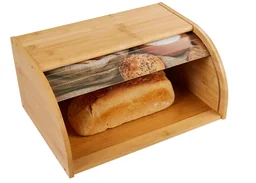
Was passiert nach der Bemusterung?
Die Arbeit ist nicht getan, wenn die letzten Muster gewählt sind. Lassen Sie sich alle getroffenen Entscheidungen in einer abschließenden, schriftlichen Bemusterungsliste zusammenfassen und von beiden Seiten unterschreiben. Dieses Dokument ist Teil Ihres Vertrages.
Kontrollieren Sie bei der ersten Baubegehung und bei der Schlüsselübergabe, ob die verbauten Materialien den getroffenen Vereinbarungen entsprechen. Halten Sie Abweichungen sofort schriftlich fest.
Bewahren Sie Ihre Muster und Protokolle gut auf. Bei späteren Reparaturen oder Erweiterungen wissen Sie genau, welches Parkett oder welche Fliese Sie nachkaufen müssen. Die richtige Planung erstreckt sich auch auf den Garten, etwa bei der Auswahl eines passenden Vogelfutterhaus oder der Gartenbewässerung.
Gehen Sie methodisch vor. Die Bemusterung ist Ihre Chance, den Rohbau in Ihr persönliches Zuhause zu verwandeln. Jede gut überlegte Entscheidung zahlt sich über die gesamte Nutzungsdauer des Hauses aus.
Häufige Fragen
- Was genau versteht man unter einer Hausbau Bemusterung?
- Die Bemusterung ist ein zentraler Schritt in der Hausbau Planung, bei dem Sie alle sichtbaren und funktionalen Materialien für Ihren Neubau festlegen. Sie wählen konkret vor Ort aus Mustern und Proben aus, zum Beispiel Fliesen, Parkett, Farben für Wände und Lacke, Sanitärarmaturen, Türgriffe und Küchenoberflächen. Diese Entscheidungen prägen das spätere Erscheinungsbild und die Haptik Ihres Hauses.
- Wann findet die Bemusterung im Hausbau Prozess statt?
- Die intensive Phase der Bemusterung beginnt typischerweise direkt nach der Fertigstellung und Freigabe der Baupläne, noch vor dem eigentlichen Baubeginn. Sie erstreckt sich oft über mehrere Wochen, da viele Gewerke nacheinander abgestimmt werden müssen. Beginnen Sie frühzeitig mit der Sammlung von Ideen, um im Termin mit dem Bauträger oder Architekten zielgerichtet entscheiden zu können.
- Welche Fehler sollte ich bei der Materialauswahl vermeiden?
- Vermeiden Sie isolierte Entscheidungen. Ein Bodenbelag wirkt immer im Kontext von Wandfarbe und Möbeln. Entscheiden Sie nie nur anhand eines kleinen Katalogmusters, sondern fordern Sie großflächige Proben an. Unterschätzen Sie nicht die praktischen Aspekte wie Pflegeaufwand und Beständigkeit – ein mattes Waschbecken zeigt beispielsweise mehr Kalkflecken als ein glänzendes.
- Kann ich bei der Bemusterung noch Kosten sparen?
- Ja, gezielte Entscheidungen beeinflussen die Kosten. Standardgrößen bei Fliesen sind günstiger als Sonderformate. Einheitliche Materialien in Bad und Flur reduzieren Zuschnitte. Fragen Sie nach alternativen, ähnlichen Produkten aus dem Basisangebot des Bauträgers. Investitionen in langlebige Qualität bei stark beanspruchten Elementen wie Fenstern sparen langfristig Reparaturen.
- Sollte ich zur Bemusterung alleine gehen oder Begleitung mitnehmen?
- Nehmen Sie auf jeden Fall eine zweite Person mit, idealerweise die Mitbewohner. Zwei Perspektiven verhindern vorschnelle Entscheidungen und helfen, Vor- und Nachteile abzuwägen. Ein professioneller Innenarchitekt oder ein erfahrener Bauleiter als neutrale Begleitung kann zudem auf technische Details, Lichtwirkungen und harmonische Kombinationen hinweisen, die Laien übersehen.
Das könnte Sie auch interessieren
- Eigenheim bauen: Wichtige Schritte der Bauplanung
- Baustoffe im Überblick: Die richtige Wahl für Ihr Projekt
- Badumbau planen: Die ultimative Checkliste für Ihr Projekt
- Badausstattung wählen: So gestalten Sie Ihr Traumbad
- Hausanschlüsse planen: Ihr Leitfaden für Strom, Wasser & Co.
- Massivhaus bauen: Fundament, Wände, Bauplanung