
In brief: An oil-filled radiator heats using thermal oil in a sealed system. It operates quietly, does not dry out the air and distributes heat evenly. It continues to radiate heat even after being switched off. For targeted heating, it is a cost-effective supplement to central heating.
How does an oil-filled radiator work?
The housing of an oil-filled radiator contains a sealed system of heating elements and thermal oil. The electric heating element warms the oil. The oil then circulates through the fins and transfers heat to the surrounding area across a large surface.
The process is quiet and produces little dust. Unlike a fan heater, an oil-filled radiator does not stir up the air. Heat is released through radiation and convection. This makes it particularly comfortable.
The thermal oil serves only as a heat-transfer medium. You never need to refill it. The system remains permanently sealed. Oil cannot escape from an intact appliance.
Why use an oil-filled radiator as a supplementary heater?
Turning up the central heating to warm a single cold room is expensive. A mobile oil-filled radiator solves this problem. You can place it exactly where you need heat.
This saves energy and money. You heat only the room you are using. Unused areas remain cool. This selective heating method is efficient.
Typical locations include the garden shed, hobby room or workshop. An oil-filled radiator is also a practical helper in a home office on frosty days. It is ready to use quickly and easy to transport.
Pro tip
Combine the oil-filled radiator with a timer or a smart thermostat such as the
. This lets you preheat the room precisely for when you use it. It avoids idle running and noticeably reduces electricity costs.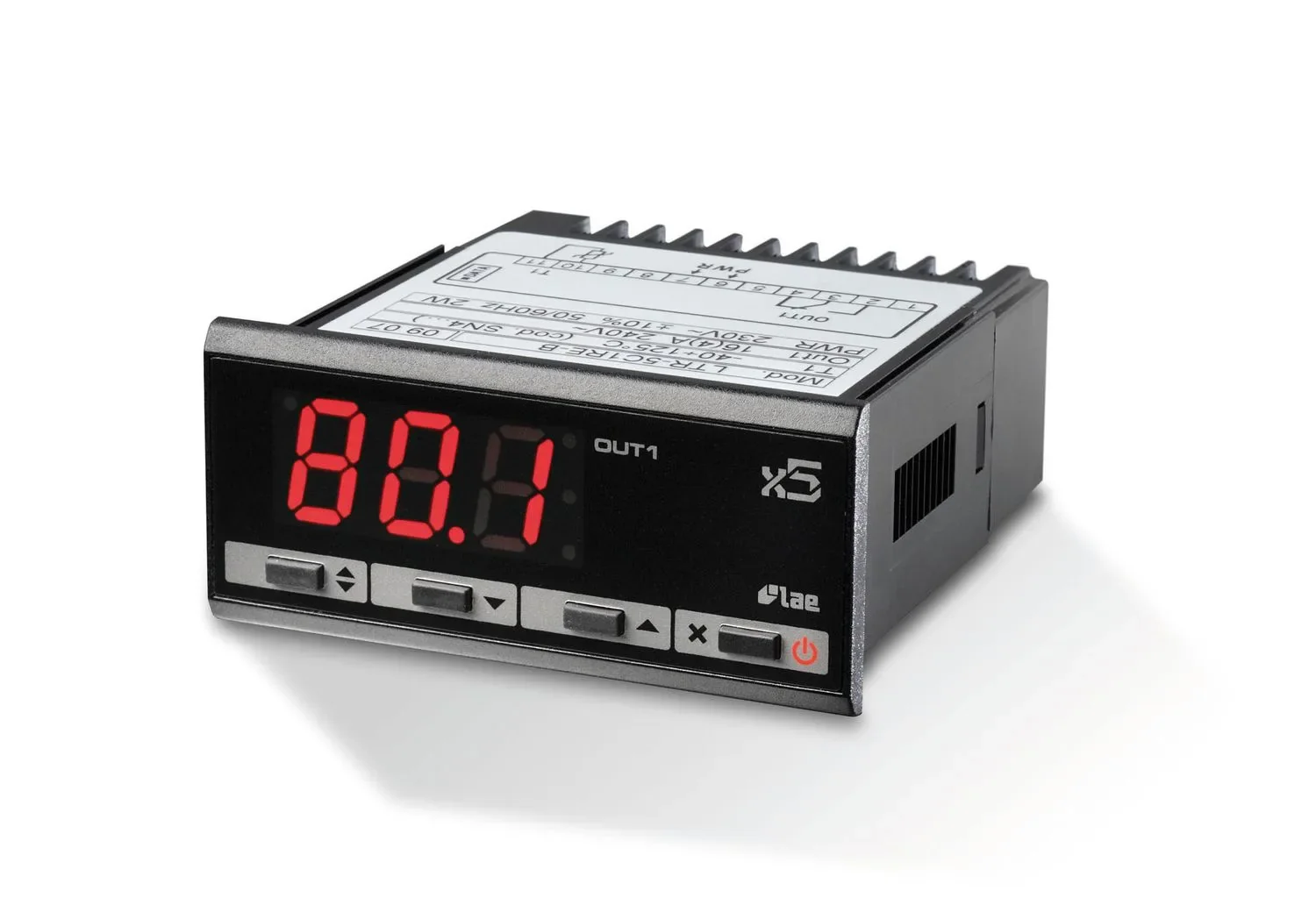
What wattage do I need?
The heating output required depends on the room size and insulation. A rough rule of thumb is around 30-40 watts per cubic metre of room volume. For a room measuring 30 m³ (approx. 12 m² with a ceiling height of 2,5 m), that would be 900-1200 watts.
For poorly insulated rooms such as a garden shed, choose the higher wattage. In well-insulated living spaces, the lower setting is often sufficient.
Many models, such as the
or the offer several heat settings. You can choose between 600, 900 and 1500 watts. This allows you to adjust the output flexibly to the current temperature and room.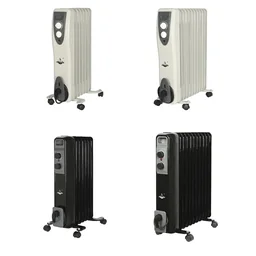
Keep an eye on output and electricity consumption
An appliance rated at 1500 watts uses 1,5 kilowatt-hours per hour at full power. Multiply this by your electricity rate. A thermostat controls the running time and maintains the temperature. This means the heater does not run continuously, reducing consumption.
Investing in an appliance with continuously variable or multi-stage power control quickly pays off. This prevents small rooms from becoming overheated, so you pay only for the heat you actually need.
What should I look for when buying one?
1. Number and shape of fins
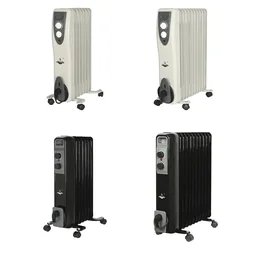
More fins mean a larger surface area. A larger surface area releases heat more efficiently. An 11-fin oil-filled radiator (such as ) heats a room faster than a 7-fin model (such as ).
Seven fins are sufficient for smaller rooms or occasional foot warming. For continuous use or larger areas, 11 fins are the better choice. The shape of the fins affects convection. More modern profiles are often more efficient.
2. Integrated thermostat
A thermostat is essential for efficient heating. You set the desired room temperature. The appliance switches on and off automatically. This saves electricity and maintains a constant climate.
Digital thermostats with a display are practical. They show the target and actual temperatures. An external thermostat such as offers even more flexibility and control.
Important note
Without a thermostat, the oil-filled radiator continues heating uncontrollably. This leads to overheated rooms and high electricity bills. When buying, be sure to look for an integrated thermostat or plan to purchase an external controller.
3. Mobility: castors and weight
A mobile oil-filled radiator should have good castors. You need to be able to move it easily between different rooms. Look for lockable wheels and a manageable weight.
Depending on their filling and design, oil-filled radiators weigh 10 to 20 kilograms. The weight contributes to stability. Lighter models are easier to transport.
4. Safety features
Modern appliances have overheating protection. It switches off the heating element if it becomes too hot. A tip-over switch deactivates the heater if it falls over.
A housing with rounded edges reduces the risk of injury. Check these features before buying. Your safety comes first.
The surface of an oil-filled radiator in operation can reach temperatures that cause severe burns. Always position the appliance so that children in particular cannot come into contact with the hot surface.
How can I use an oil-filled radiator efficiently?
Place the heater in an unobstructed position in the room. Keep it at least 50 cm away from furniture, curtains and other objects. This ensures good air circulation and helps prevent fire hazards.
Close the doors and windows of the room being heated. This prevents heat from escaping unnecessarily. Insulate cold areas such as draughty windows as well.
Use the heat settings sensibly. Start by heating up at full power. Then switch to the lower maintenance setting or turn down the thermostat.
Additional advice
It is worth checking your rooms before winter arrives. Seal draughty windows. Use garden fleece as additional insulation for frost-hardy plants or protect your garden furniture from frost. The less cold enters from outside, the less your oil-filled radiator has to work.
Saving Energy in Detail
The key to saving energy is combining the right output with intelligent control. Don't heat continuously—heat only when needed. There's no need to keep a room at 22 degrees for 24 hours if you only use it in the evening.
Programmable thermostats are ideal for this. They provide warmth when you arrive, while the heater stays off the rest of the time. Compared with manual operation, this can save up to 30 percent on energy.
Compare the purchase price with the running costs. A cheaper model without a thermostat may cost more in the long run. Calculate the electricity costs for the intended period of use.
Care and Maintenance
Oil-filled radiators require little maintenance. When the heater is switched off and cold, wipe the housing with a dry cloth. Do not use harsh cleaning products or water.
Regularly check the power cable for damage. Store the heater in a dry place during the summer, for example in the workshop supplies section of your workshop.
The castors should turn easily. Remove any dust that has accumulated in the ventilation slots from time to time. This ensures optimal heat output.
Conclusion: Targeted Heating Where You Need It
An oil-filled radiator is no substitute for a modern central heating system. It is a precise tool for targeted, comfortable heating. Where other heaters are noisy or dry out the air, it stands out with its cosy radiant heat.
Choose a model with enough fins, a good thermostat and the necessary safety features. Use it wisely to save energy. That way, the next cold snap won't leave you feeling cold.
Be well prepared for the cold season. With the right equipment, you only heat the areas you need—and save money in the process.
Frequently Asked Questions
- How much electricity does an oil-filled radiator use?
- Electricity consumption depends on the wattage and running time. A 1500-Watt heater uses around 1.5 kWh of electricity per hour of continuous operation. At an electricity price of 30 cents per kWh, one hour therefore costs around 45 cents. A thermostat significantly reduces costs by regulating the heating output.
- Are oil-filled radiators dangerous?
- Modern oil-filled radiators have safety features such as overheat protection and tip-over protection. The surface gets very hot, so place the heater in a clear space away from flammable materials such as non-woven fabrics or curtains. Never leave the appliance unattended around small children or pets.
- Which rooms are suitable for an oil-filled radiator?
- Oil-filled radiators are ideal for rooms that are used infrequently or have poor insulation. These include guest rooms, workshops, hobby rooms in basements or the garden shed. They heat up quickly and are portable. In well-insulated living spaces, use them as supplementary heating on cold days.
- Oil-filled radiator or convection heater: which is better?
- An oil-filled radiator primarily gives off heat through radiation, similar to a traditional radiator. The air remains more humid. A convection heater warms the air directly, causing it to circulate, which is faster but is often perceived as drier. An oil-filled radiator is quieter and retains heat for longer. The choice comes down to personal comfort.
- Can I use an oil-filled radiator for continuous heating?
- Yes, but it is often not economical. Central heating is more efficient for heating an entire house. An oil-filled radiator is worthwhile when you want to heat individual rooms temporarily, such as a garden office for a few hours. This saves energy by avoiding the need to heat the entire building.
You might also be interested in
- Convection Heating: Heat Efficiently and Save Money
- Oil Heating: Efficient Heat for Your Home?
- Heater Test & Comparison 2026: The Best Models Reviewed
- Heating Advice: Heat Efficiently and Sustainably
- Radiator Types Compared: Easy, Efficient Heating
- Choosing a Wall-Mounted Heater: Tips for Convection Heaters