
In brief: An oil heating system provides reliable, efficient warmth when it is modern and well maintained. A new condensing boiler and properly tuned settings can improve efficiency. Good insulation, regular maintenance and careful control of room temperature help keep heating costs low. Pairing your system with solar thermal energy can reduce your dependence on oil prices.
Oil Heating Systems: Efficient Warmth for Your Home
Your oil heating system has kept your home warm for years. But how efficiently is it really running? Heating technology has come a long way. With the right know-how, you can get more from your system, cut heating costs and prepare your home for the future. This guide walks you through the steps to take.
How does a modern oil heating system work?
The principle is simple. Heating oil burns in the boiler and heats water in the heating circuit. A pump sends the hot water to radiators or radiant floor heating. The technology used to recover heat makes a big difference. Older constant-temperature boilers operate inefficiently.
Modern condensing boilers also recover heat from the flue gases. As the hot gases cool and condense, they release additional energy. This allows these appliances to achieve a standard efficiency of over 100 percent. They use almost all of the fuel’s energy.
“Condensing technology is the most efficient way to burn oil. With an old boiler, the investment usually pays for itself within a few years through the fuel costs saved.”
The key components at a glance
Knowing the key components of your heating system can help you understand how it works. The boiler generates heat, and the circulation pump moves water through the system. Modern high-efficiency pumps use up to 80 percent less electricity than older models.
The heating oil tank stores the fuel. A safe house drainage pipe system is important for emergency drainage. The control system regulates temperature and heating schedules. Hydraulic balancing helps distribute hot water evenly to all radiators.
Why is regular maintenance so important?
An annual inspection by a heating professional is essential. It helps protect your safety and your wallet. A dirty burner or a scaled-up heat exchanger can noticeably reduce efficiency. Energy consumption rises, and so do costs.
Important note
Have your oil heating system serviced only by a certified professional. Tampering with safety equipment can be fatal. A professional checks flue gas values, burner settings and all safety valves, then adjusts the system for optimal performance.
As part of chimney sweeping and inspection requirements, the chimney sweep measures flue gas loss. This value shows how much energy escapes unused through the chimney. A high reading is a warning sign that your system is inefficient.
What you can do between service visits
Check the pressure in the heating circuit regularly using the boiler’s pressure gauge. If it is below the specified value, you may need to top up the water, depending on your system. Bleed your radiators if they start to gurgle or stop heating evenly.
Keep the area around the boiler free of dust and clutter, and make sure there is a good supply of air. Check the oil tank and its connections for moisture or rust. For other areas of your home, such as garden furniture, a transparent cover is a practical way to protect them.
How can I reduce my heating costs in practice?
Room temperature is the biggest factor you can control. Every degree lower saves around six percent on heating energy. 20 degrees Celsius is usually comfortable in a living room. In bedrooms, 17 to 18 degrees is suitable and healthy.
Set a nighttime temperature setback on your heating controls. At night and when you’re away, the temperature can drop by four to five degrees. Modern programmable thermostatic valves can do this automatically in each room.
Pro tip
Have your system hydraulically balanced. A professional calculates the exact heating needs of each radiator and adjusts the valves and pump accordingly. This one-time adjustment can cut heating costs by 10 to 15 percent and may qualify for financial support.
Insulate radiator recesses from the outside with special insulating foil to keep heat from escaping through the exterior wall. Close shutters and curtains at night to create an insulating layer of air in front of the window.
The heating pump: A hidden energy guzzler
Older circulation pumps often run all year. Replace yours with an electronically controlled high-efficiency pump that adjusts its output to match demand. It costs a few hundred euros, but the savings can pay for it within a few years.
“Many homeowners underestimate the savings potential of a modern heating pump. You can often save over 100 euros a year on electricity costs alone, while enjoying significantly greater comfort.”
What alternatives and add-ons are available for oil heating?
Hybrid systems are the way forward. Pair your oil heating system with renewable energy sources to reduce oil use and heating costs while improving energy security.
Solar thermal is an ideal addition. Roof-mounted collectors heat your water and support your heating system. In summer, you can often leave your oil heating system off completely. For your garden pool, a suitable cover or a separate heating system is a good option.
You can also add a wood-burning stove or pellet boiler as a second heat source. That lets you use more affordable fuel when it is available. The oil heating system only kicks in when temperatures drop very low or as a backup.
Additional advice
Check which government incentives are available. Replacing an old oil heating system with a condensing boiler, adding solar thermal, or having the system hydraulically balanced may qualify for support. Check with BAFA or KfW for current programs.
Products for an energy-efficient home
It is not just your heating system that matters. An energy-efficient household uses energy wisely. The
SOLARMAT pool heating system uses solar energy to heat your swimming pool. That lets you extend the swimming season without high energy costs.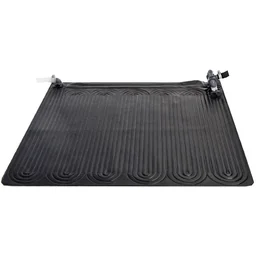
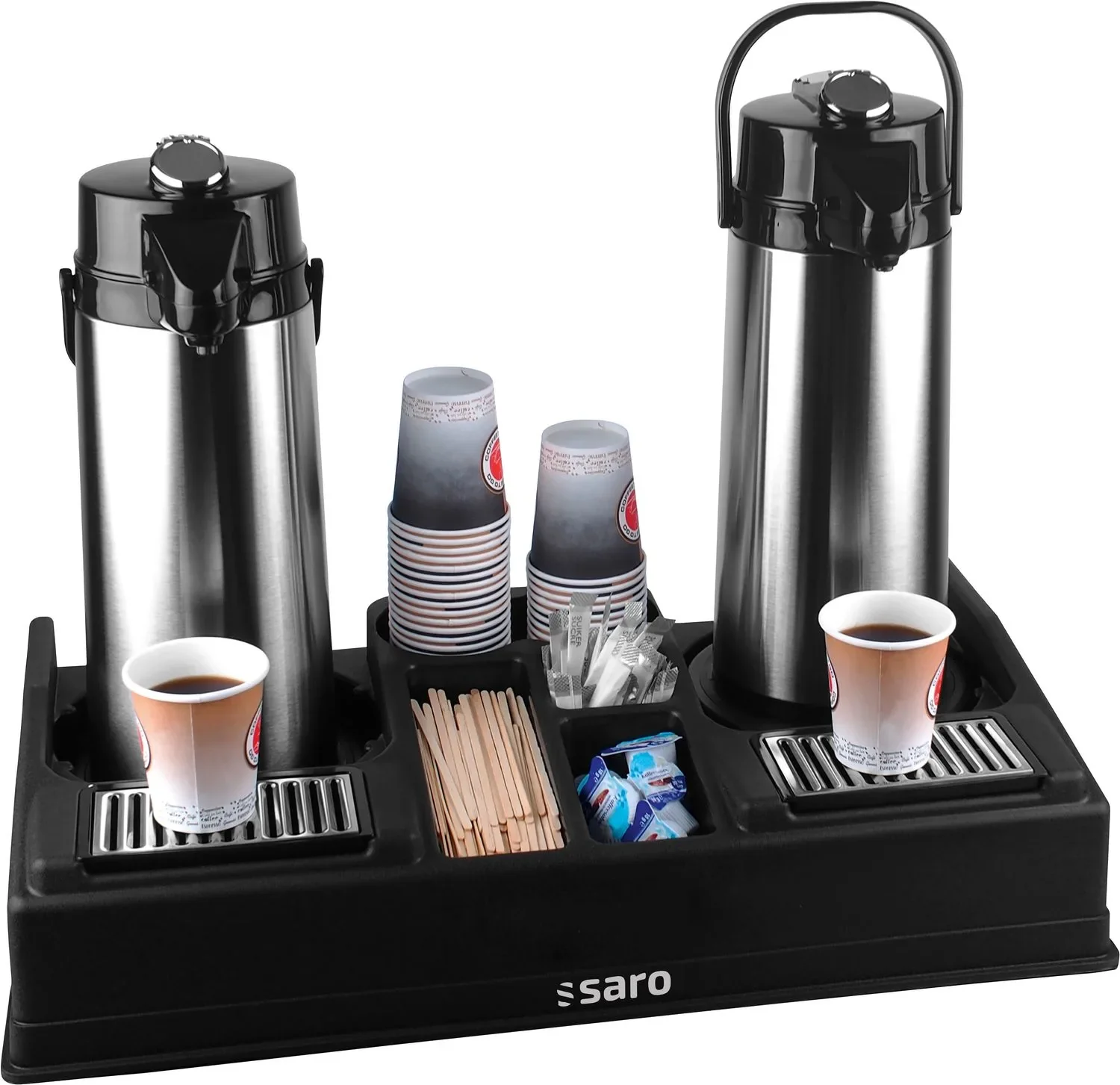
For enjoying coffee at home, the
How do I prepare my home for the next heating season?
Get ready before winter. Check your oil tank level in the fall. Order heating oil early to avoid shortages and high peak-season prices. Keeping the tank full also helps prevent condensation.
Have your heating system serviced early, before cold weather sets in. Heating contractors are less likely to be fully booked. Test all radiators and thermostats, and replace any faulty parts.
Seal windows and doors. Drafts make any heating system less efficient. For your garden and patio, find practical solutions in the Garden + Outdoor section. Remember your animal companions, too: A well-stocked bird feeder helps birds through the winter.
Long-term outlook: renovation and insulation
The best heating system can only do so much in a poorly insulated home. Check the insulation in your roof, exterior walls, and basement ceiling. These upgrades often pay for themselves sooner than replacing the boiler. Modern triple-pane windows significantly reduce heat loss.
Choose quality for every renovation project. Cheap insulation materials or poor installation can cause structural damage. Bring in an independent energy consultant. They can create a personalized plan for an efficient, comfortable home.
Your oil heating system is a reliable partner. With smart upgrades and modern technology, you can make it more efficient, cost-effective, and ready for the future. Take the first step today.
Frequently asked questions
- Is it worth replacing an old oil heating system with a condensing boiler?
- Yes, replacing an old boiler is almost always worthwhile. Modern oil condensing boilers capture heat from the exhaust gases and can achieve efficiencies of over 100 percent. They use up to 30 percent less heating oil than outdated standard boilers. Lower heating costs help pay back the investment, and government incentives can make the upgrade even more attractive.
- How often should my oil heating system be serviced?
- Annual servicing by a qualified professional is required by law and helps keep your system efficient. A chimney sweep also checks flue gas losses. Between professional appointments, you can monitor the system pressure and bleed the radiators yourself. Keeping the area around the boiler clean helps it operate safely.
- What can I do right away to lower my heating costs?
- Lower your thermostat by one degree to save around six percent of energy. Bleed all radiators so they can work at full capacity. Keep furniture away from radiators. Close shutters and draw the curtains at night. Having a professional hydraulically balance your heating system can deliver the biggest immediate savings.
- Can I combine my oil heating system with renewable energy?
- Absolutely. Pairing it with solar thermal for hot water and heating support is highly efficient. In summer, sunlight often meets all your hot water needs, allowing you to leave the oil heating system off. You can also add a heat pump or wood-burning stove as a second system to increase your energy independence.
- How much does a new oil tank cost, and what should I consider?
- A new double-walled steel tank for indoor use costs between 1.500 and 3.000 euros, including installation, depending on its size. Make sure it has TÜV approval and is inspected regularly. The location must comply with fire safety regulations. For outdoor tanks, protection from frost and UV radiation is also important.
You may also be interested in
- Gas heating for your home: Costs, benefits, and efficiency
- Setting up an oil heating system in your boiler room: Practical tips
- Portable oil heaters: Heat wherever you need it
- Replacing an oil heating system: What homeowners need to know
- Heat pumps: How efficient heating technology works
- Ordering heating oil: How to find the best prices