
In brief: Whether you clad or paint your foundation depends on the surface, moisture exposure and look you want. Foundation paint works well on sound, dry stucco and is easy to refresh. Brick veneer or foundation panels offer more protection from splashback and impacts, but need a level, dry surface and carefully finished edges and joints.
The foundation is the transition between your home’s exterior walls and the ground. It protects the bottom of the wall from splashback, dirt, frost and minor impacts. It also affects the proportions of your home and helps give the exterior a clean, modern or rustic look.
When deciding whether to clad or paint your foundation, consider more than appearance. First check for moisture, inspect the stucco and joints, and think about the wear and tear the area gets. This guide covers when paint is enough, which cladding options work, and how to coordinate the foundation with walkways and landscaping.
Clad or paint the foundation: What works for your home?
A painted foundation has a flat, understated look. It works well with smooth stucco exteriors, can be matched to windows, doors and the roof, and is relatively easy to refresh during a future renovation. The surface must be dry, sound and level enough for paint.
What does the foundation do?
The foundation area gets more splashback than the rest of the exterior wall. Rain bounces off walkways, patios and the ground before hitting the wall. Road salt, soil, leaves, garden tools and bumps from bicycles or trash cans add to the wear.
A suitable finish needs to be durable, frost-resistant and rated for outdoor use. The surface must not trap water behind the paint or cladding. Before changing the finish, check whether cracks, peeling or white salt deposits could indicate moisture damage.
When is painting enough?
Paint the foundation when the stucco is firmly bonded, there is no water pressure and you simply want to refresh the look. Textured foundation paint can hide minor unevenness and provide a tougher finish than standard exterior paint. If the stucco is badly damaged, repair it first.
Painting works especially well on homes with clean, minimalist architecture. Choose a shade slightly darker than the exterior walls, or use a light color to make the foundation less noticeable. Keep the color line clean and level so the home looks balanced.
When is cladding worth it?
Cladding is a good choice if you want more protection from impacts and the added texture of another material. Brick veneer, natural stone, manufactured stone or suitable foundation panels can significantly change the look. They turn a smooth stucco surface into a distinctive architectural feature.
Cladding takes more planning than painting. The material must be suitable for the surface, adhesive, foundation height and joints. Check that it is frost-resistant and that water can drain away at the bottom edge.
Pro tip
Before you buy, hold several color cards and material samples against the exterior walls. Check them in direct sunlight, shade and when wet. A gray that looks neutral in the store may look bluish next to red brick.
“Find and address the cause of moisture before applying a new finish. Paint may hide damage temporarily, but it cannot replace missing waterproofing.”
Which materials work for foundation cladding?
When choosing foundation cladding, appearance is only one consideration. The material must stand up to changing temperatures, rain, frost and impacts. Weight, size, installation method and the ability to replace damaged pieces later also matter.
Foundation stucco and paint
Colored foundation stucco works well for a uniform finish. It can even out minor surface irregularities and comes in many textures. For the topcoat, use an exterior coating that is compatible with the stucco and rated for foundation use.
Textured stucco collects dirt to varying degrees depending on its grain size. Coarse textures have a rustic look and hide minor flaws, but soil and splash marks can be harder to clean. Fine finishes look modern, but require more care when preparing and coating the surface.
Brick veneer and natural stone
Brick veneer gives a home a traditional or Scandinavian look. Thin brick is lighter than full-size facing brick, so it is often a better fit for renovations. Use a system rated for outdoor installation, and plan the joints, corners and transitions in advance.
Natural stone has an upscale look, and every piece has its own pattern. Slate, granite, sandstone and quartzite vary widely in color, water absorption and weight. Heavier panels in particular need a sound surface and secure fastening.
Foundation panels and modern panel materials
Lightweight foundation panels made from suitable plastic, fiber cement or composite materials allow for larger sizes and clean lines. They can speed up installation when the system is designed for the existing surface. Check for UV resistance and frost suitability, and follow the manufacturer’s requirements for ventilation or sealing.
Large panels leave little room for measurement errors. Windows, downspouts, outside corners and doors need neat cutouts. Small mistakes stand out on a clean-lined surface, so measure each side individually and allow for expansion joints.
- For traditional homes: Brick veneer or warm-toned natural stone complements brick, wood and pitched roofs.
- For modern homes: Large-format panels, smooth stucco and a dark foundation emphasize clean, boxy shapes.
- For light-colored exteriors: Light gray, sandstone-look finishes or understated foundation stucco keep the base from looking too heavy.
Important note
Do not glue or screw foundation cladding onto damp, hollow or crumbly stucco. Remove loose material and find the cause of the moisture. If there is water pressure, visible white salt deposits or recurring cracks, have the area inspected by a qualified contractor.
How do you paint a foundation for lasting results?
When painting a foundation, preparation determines how long the finish will last. Don’t just clean the visible surface; also inspect the connections to the ground, exterior walls, windows, and downspout. Work only in dry weather and within the temperature range specified by the product.
Inspecting and preparing the surface
- Assess damage: Mark cracks, hollow areas, peeling paint, algae, and salt deposits. Small damaged areas can be repaired individually, while more extensive damage requires a thorough inspection.
- Clean the surface: Remove dust, soil, moss, and loose paint. Use a suitable cleaning method without forcing water or dirt into open cracks.
- Check the old coating: Depending on the system, a sound, matte old coating may be recoated. If it is peeling or heavily chalking, you must remove it.
- Repair and prime: Fill cracks and damaged areas with a suitable exterior repair material. The primer must match the surface’s absorbency and the foundation paint you plan to apply.
- Mask off: Protect the exterior walls, window frames, doors, walkways, and plants. You can get a straight edge only if you mask carefully and remove the tape at the right time.
What tools do you need?
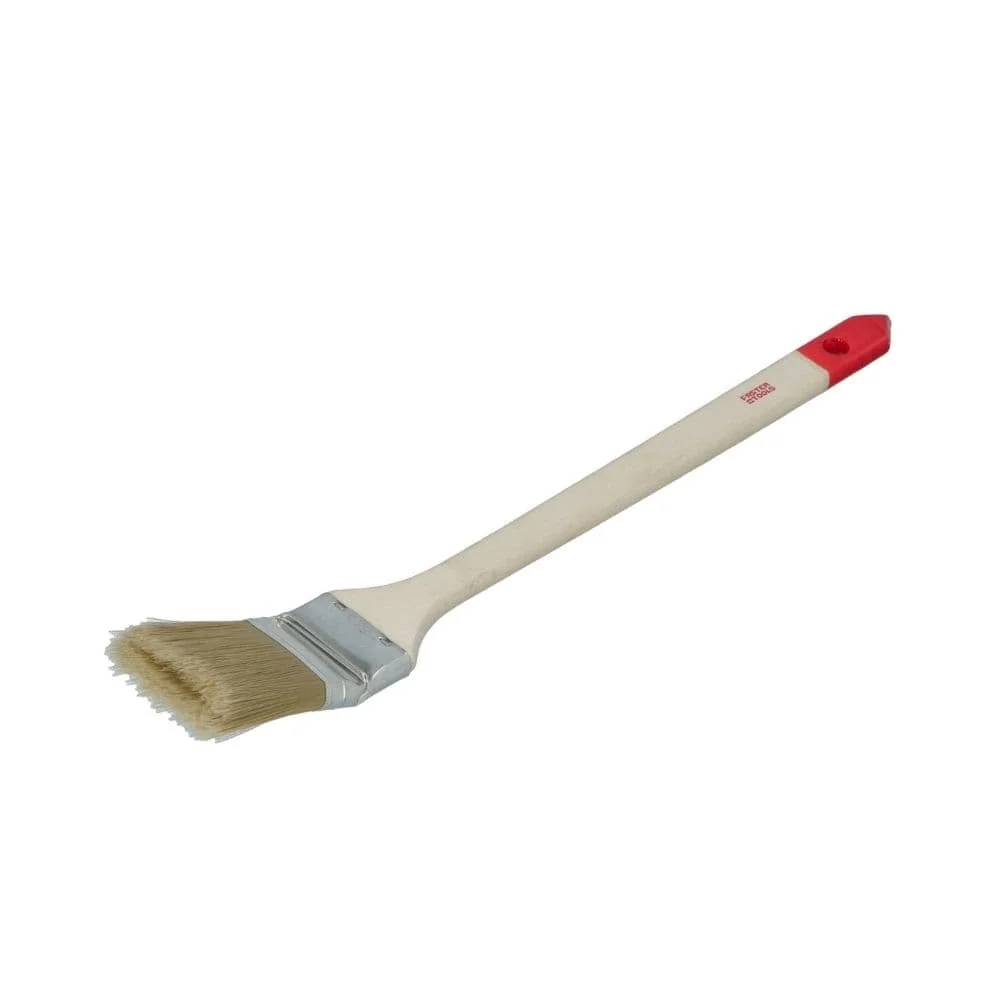
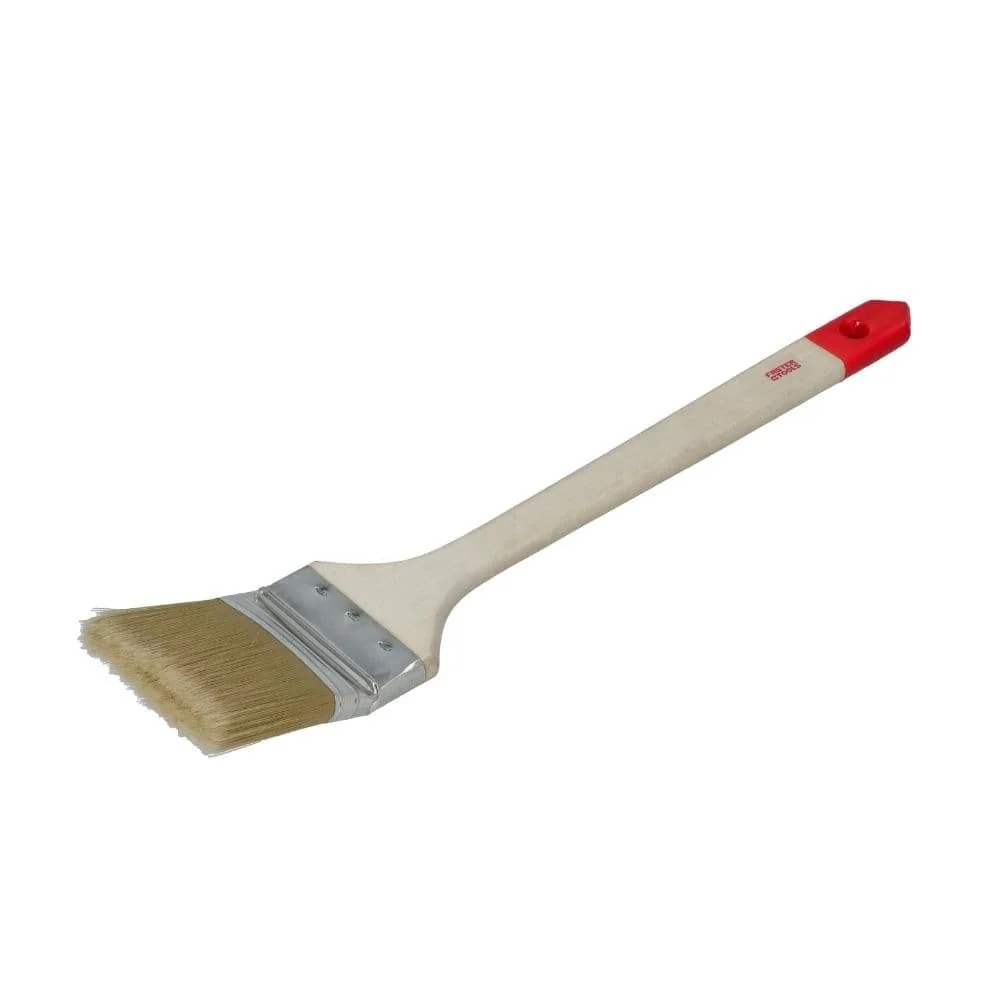
For large, even surfaces, use an exterior paint roller with a suitable nap length. Corners, recesses, and the area beneath window sills are easier to paint with a narrow brush. For these detailed areas, you can use the
, and the . Check beforehand that the bristles are suitable for the paint you’re using, and use an exterior paint roller designed for the main surface.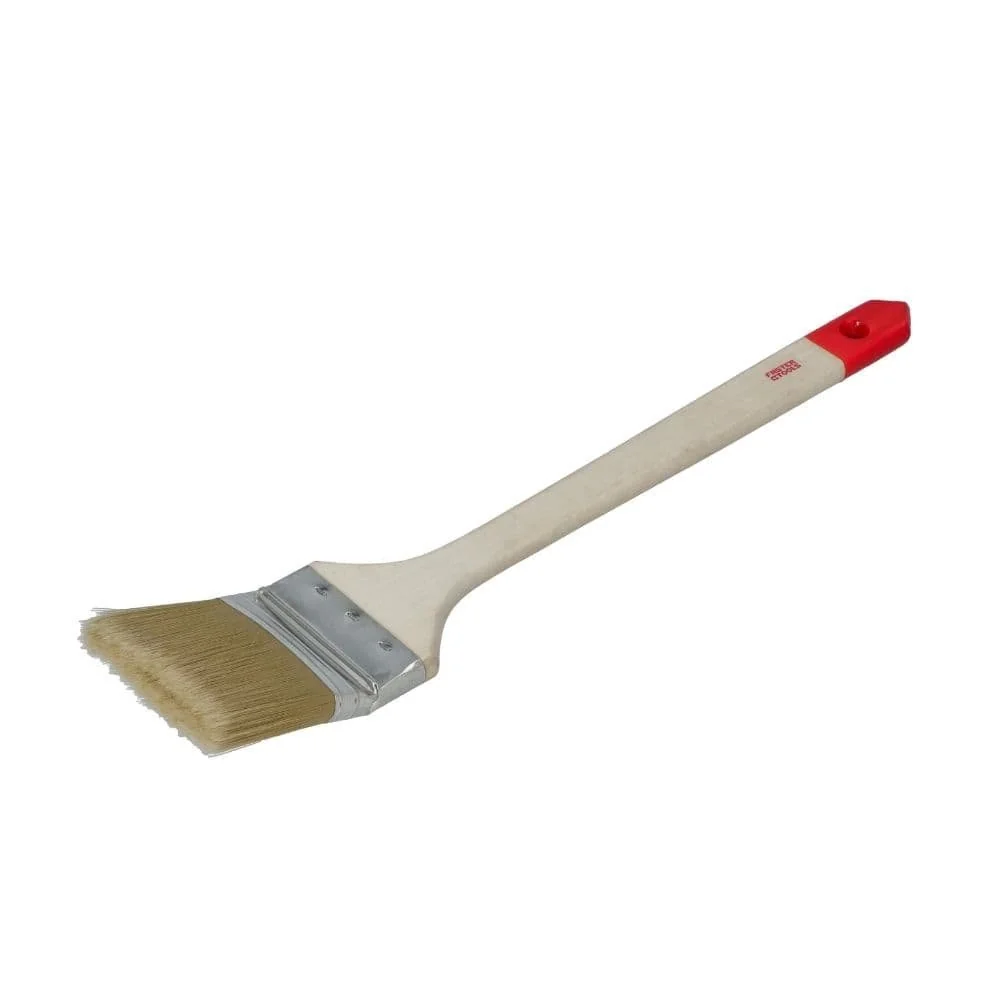
Paint the edges and connections first, then roll the surface while the paint is still wet. This helps prevent visible lap marks. Two thin, even coats are usually better than one thick coat, unless the technical data sheet specifies otherwise.
How do you avoid visible lap marks?
Divide long foundation walls into natural sections, such as at corners or downspouts. Don’t stop working in the middle of an open area. Check the surface from different angles while the paint is still workable.
Additional advice
Test the foundation paint in an inconspicuous area and let the sample dry completely. The dry color, texture, and sheen can differ significantly from the wet surface. Also check whether the paint is compatible with the existing coating.
Which colors and patterns make the exterior look cohesive?
When designing an exterior, the foundation acts as a frame. It can visually ground the house, emphasize its contours, or blend in almost invisibly. First decide whether the foundation should recede quietly or stand out as a deliberate design feature.
Light, medium, or dark foundation color?
- Light shades: Off-white, gray, sand, and greige make low houses feel lighter. They work well with light-colored stucco and small properties.
- Medium shades: Medium gray, taupe, and warm beige are low-maintenance options. They show fewer splash marks than very light surfaces.
- Dark shades: Charcoal, slate, and deep brown create a distinctive finish. Use them selectively because dark surfaces absorb heat, and dirt can stand out more against light areas.
The foundation color does not have to match the window frames or roof exactly. However, it should be in the same color family or create a clearly planned contrast. Two to three main colors are enough for most houses.
Which patterns suit the exterior?
A simple stucco foundation suits an exterior with many window divisions, projections, or wood details. A textured stone look, on the other hand, can enliven a very smooth, simple exterior. Avoid using several eye-catching patterns at the same time, or the foundation, windows, doors, and roof will compete with one another.
On low buildings, a foundation that is too tall or very dark can make the house look squat. On tall, narrow houses, a clearly defined foundation adds visual stability. For this reason, assess the effect not only up close, but also from the street.
“A coating only performs well over the long term when the substrate, primer, and topcoat are compatible. That is why design begins by inspecting the building component, not by choosing a color.”
How do you plan connections, walkways, and planting?
A beautiful foundation loses its impact if water collects along the bottom edge or soil constantly splashes onto the coating. Plan the surrounding area at the same time as the exterior. The finished ground connection must drain water away and must not permanently cover the foundation area.
What applies to the bottom edge?
Do not leave the cladding unprotected in soil, bark mulch, or permanently damp gravel. Depending on the construction, the bottom edge needs a suitable foundation connection, drip edge, or clearance from the ground. Follow the specifications for the relevant system.
Walkways and patios should slope away from the house. Before painting or cladding, check that downspouts are watertight and drain rainwater safely. You can find information and products related to pipes, drains, and irrigation in the Plumbing + Irrigation section.
How do you protect the exterior and garden during the work?
Carefully cover windows, doors, walkways, and sensitive plants. The Tarpaulins + Nets section offers suitable protection for surfaces and materials. Remove splashes immediately, especially from dark panels and porous natural stone.
Flower beds and shrubs should not grow directly against the foundation. Leave a low-maintenance strip of gravel, paving stones, or another suitable surface. The Garden + Plant Accessories section can help you choose edging solutions and plants.
For maintaining the strip and removing soil, leaves, or vegetation, you will find suitable Garden Tools. Discover more solutions for your home, patio, and property in the Garden + Outdoor section.
- Keep downspouts, drains, and joints free of leaves.
- Avoid splash protection surfaces that reflect water directly back onto the wall.
- Trim plants regularly so they do not constantly touch the foundation.
- Clean the foundation using a suitable method without roughening the coating.
What mistakes should you avoid when finishing a house foundation?
Many problems stem not from choosing between paint and cladding, but from doing the work in the wrong order or using unsuitable materials at the joints. A foundation cannot withstand a surface that stays damp or an improvised mix of materials. Plan the details before you apply the first coat of paint.
The most common mistakes
- Covering up moisture: A fresh coat of paint will not dry out the wall. Fix leaks, missing waterproofing and splash-back issues first.
- Using the wrong exterior paint: Not every exterior paint is suitable for the heavily exposed foundation area. Look for products specifically approved for foundations.
- Cladding uneven surfaces: Panels and stone veneer follow the surface beneath them. Level uneven areas before installing the cladding.
- Leaving untidy edges: A crooked transition between the foundation and facade stands out. Measure the height around the house and use a clear reference line.
- Letting water collect along the bottom edge: Check the ground, walkways and downspouts. The foundation needs effective drainage.
- Combining too many materials: Stick to a few colors and finishes. This keeps the facade looking cohesive and gives the house a polished appearance.
Make your decision with these five questions
Answer these questions before you buy:
- Is the surface dry, sound and free of loose material?
- How much exposure will the foundation get to splash-back, walkways and gardening work?
- Do you want a subtle finish or a contrast in materials?
- Is the system you chose compatible with the stucco, waterproofing, ground and joints?
- Can you prepare and coat the surface properly yourself?
If the surface is in good condition and the facade has a clear design, a high-quality foundation coating is often enough. If the foundation faces heavy wear or you want to change the look with a different material, frost-resistant cladding is a good option. Either way, the result depends on proper preparation, suitable products and a well-designed ground-level connection.
Frequently Asked Questions
- Is cladding or paint better for a damp house foundation?
- Neither cladding nor paint will solve the underlying problem of a damp house foundation. First identify missing waterproofing, splash-back, faulty joints or rising damp. Once the surface is dry and sound, choose a vapor-permeable foundation paint or a suitable cladding system. Otherwise, peeling, frost damage and efflorescence can occur.
- What paint should I use on a house foundation?
- Use a weather-resistant coating specifically approved for foundations and exterior use. It must withstand splash-back, frost and mechanical wear and be compatible with the existing stucco. Check the product data sheet and surface before buying. Do not use interior paint, chalk paint or ordinary wall paint on a house foundation.
- How tall should a clad house foundation be?
- The foundation height depends on the building, ground and splash-back zone. It often extends around 30 to 50 centimetres above the finished ground level, but the exact height depends on the joints and waterproofing plan. Do not extend the cladding straight into soil or gravel. Keep water away from the bottom edge.
- Can I install foundation panels directly over old stucco?
- Only if the old stucco is sound, clean, dry, even and suitable for the adhesive system. Remove loose areas, check for cracks and apply primer according to the manufacturer's instructions. If the surface is hollow, damp or very sandy, repair it first. Cladding installed over damaged stucco will eventually come loose.
- What foundation color goes with a white facade?
- Light gray, greige and sand tones pair well with a white facade if you want the house to look light and airy. Charcoal creates a crisp, modern finish but shows dust and splash marks more easily. Coordinate the foundation, windows, roof, doors and walkways around two or three color families to keep the facade looking balanced.
You may also be interested in
- Exterior Paint: How to Paint Outdoor Surfaces Properly
- Painting Walls: Top Tips for a Perfect Finish
- Clean Edges When Painting Walls: How to Create Perfect Transitions
- Painting a Garden Shed: How to Keep It Looking Good & Protected
- Renovating a Facade: Step by Step to a New Look
- Creative Painting Ideas: New Colours for Your Home