
In short: A good patio heater provides reliable warmth, is safe to use and suits your outdoor space. In our 2026 test, models with even heat distribution, long burn times and durable materials stand out. Choose gas, wood or electric based on how you plan to use it. Key features include stability, ease of use and maintenance.
A patio heater can extend the time you spend outdoors, creating a cozy spot for relaxing on cooler evenings. In our 2026 test and comparison, we look at which models stand out for heat output, safety and ease of use.
Find out what to consider when buying a patio heater, including how to choose between gas, wood and electric models. Our comparison can help you find the right heater for your patio.
Table of contents
What types of patio heaters are available?
Your choice of fuel affects a heater's feel and ease of use. Here are the three main types.
Gas patio heater
Gas patio heaters are popular because they start at the push of a button and offer adjustable heat output. They require a propane tank.
Many models feature modern designs and work well for regular use. They are also straightforward to maintain.
Wood-burning patio heater
Wood-burning patio heaters offer an authentic fire experience. Flickering flames and the scent of burning wood create a cozy atmosphere. They do not require gas or electricity.
You will need to store and add wood, and lighting the fire takes longer. Ash also needs to be removed regularly.
Electric patio heater
Electric patio heaters are simple to use: just plug them in and switch them on. They produce no open flame.
Like other radiant heaters, they often direct heat toward a specific area. They work well in covered spaces or on balconies. Operating costs depend on your electricity rate.
What to look for when buying
Along with the heater type, we assess other important features that affect comfort and everyday use.
Heat output and coverage
Heat output is measured in kilowatts. A higher rating means more heat, but it also uses more fuel.
Check how far the heat reaches. A good heater can warm a seating area of 10-15 square meters and distribute heat evenly.
Tip: Look for a model with a reflector to direct heat toward your seating area. This helps you use energy efficiently.
Burn time and efficiency
How long will the heater run on one fill? For gas heaters, burn time depends on the tank size and heat setting. Wood-burning heaters need more wood about once an hour.
Efficient models burn fuel effectively, helping reduce costs and environmental impact.
Ease of use and comfort
Consider how easy the heater is to operate. Gas heaters with piezo ignition are convenient, while a large firebox door makes it easier to load wood into a wood-burning heater.
Built-in shelves are handy for drinks or a lighter. Wheels make it easier to move the heater.
The best patio heaters of 2026 compared
Our test reveals a few clear favorites. These models stand out for their performance and safety in everyday use.
For a cozy atmosphere and the experience of a natural fire, the
is a great choice. Its design fits in with a variety of garden styles.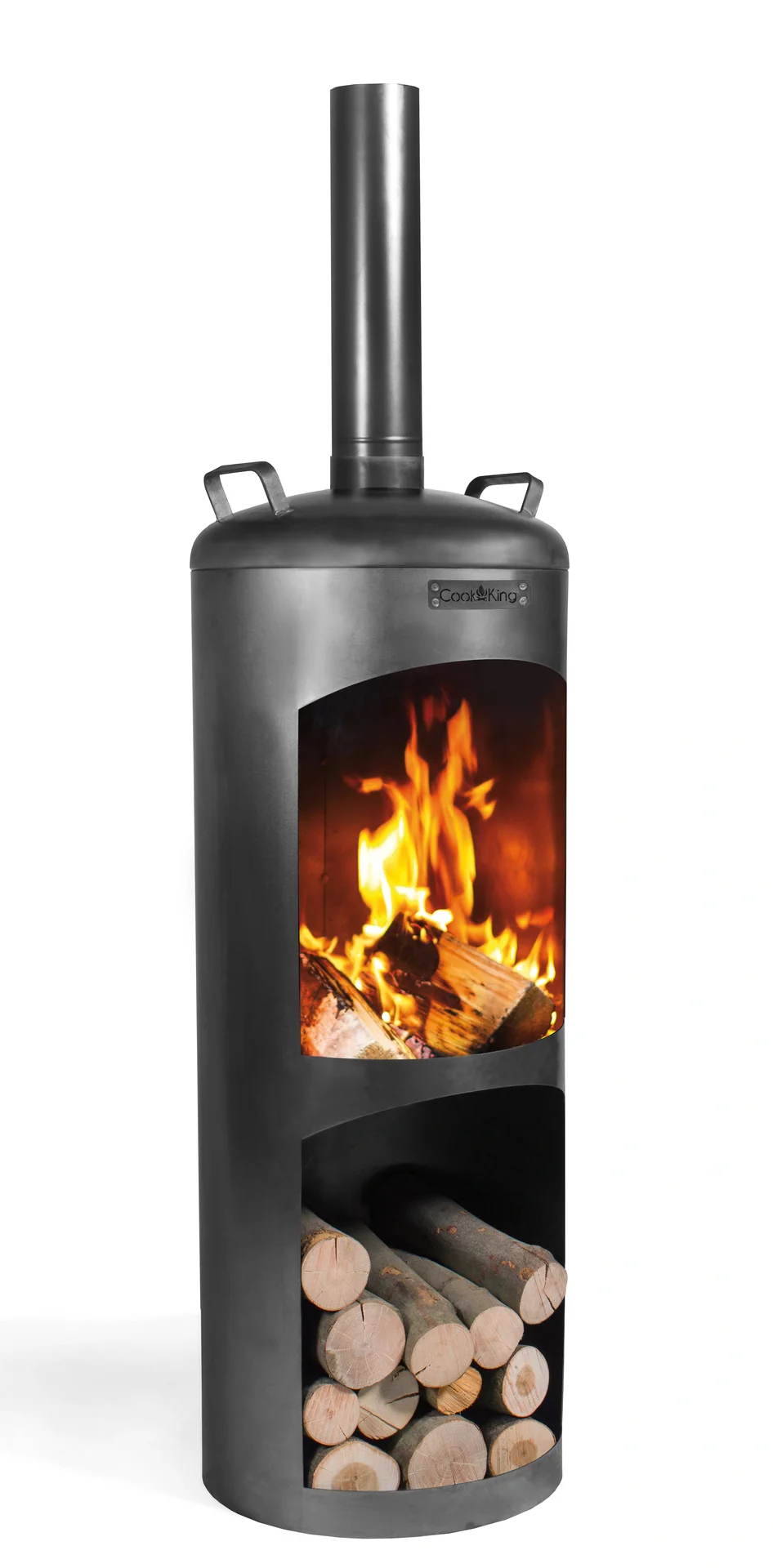
The
is a standout option for style-conscious gardeners. Its distinctive look adds a pop of color to your outdoor space.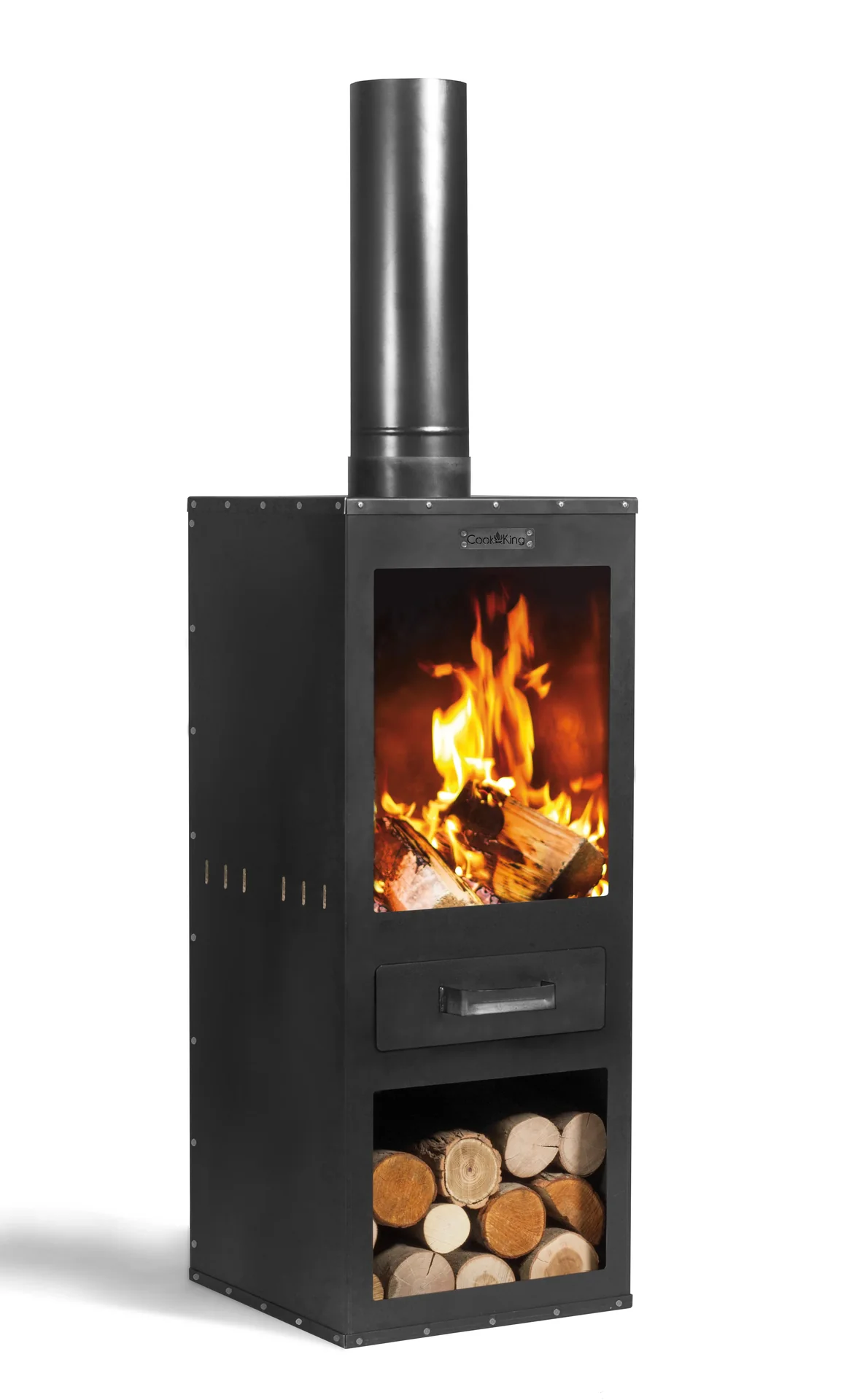
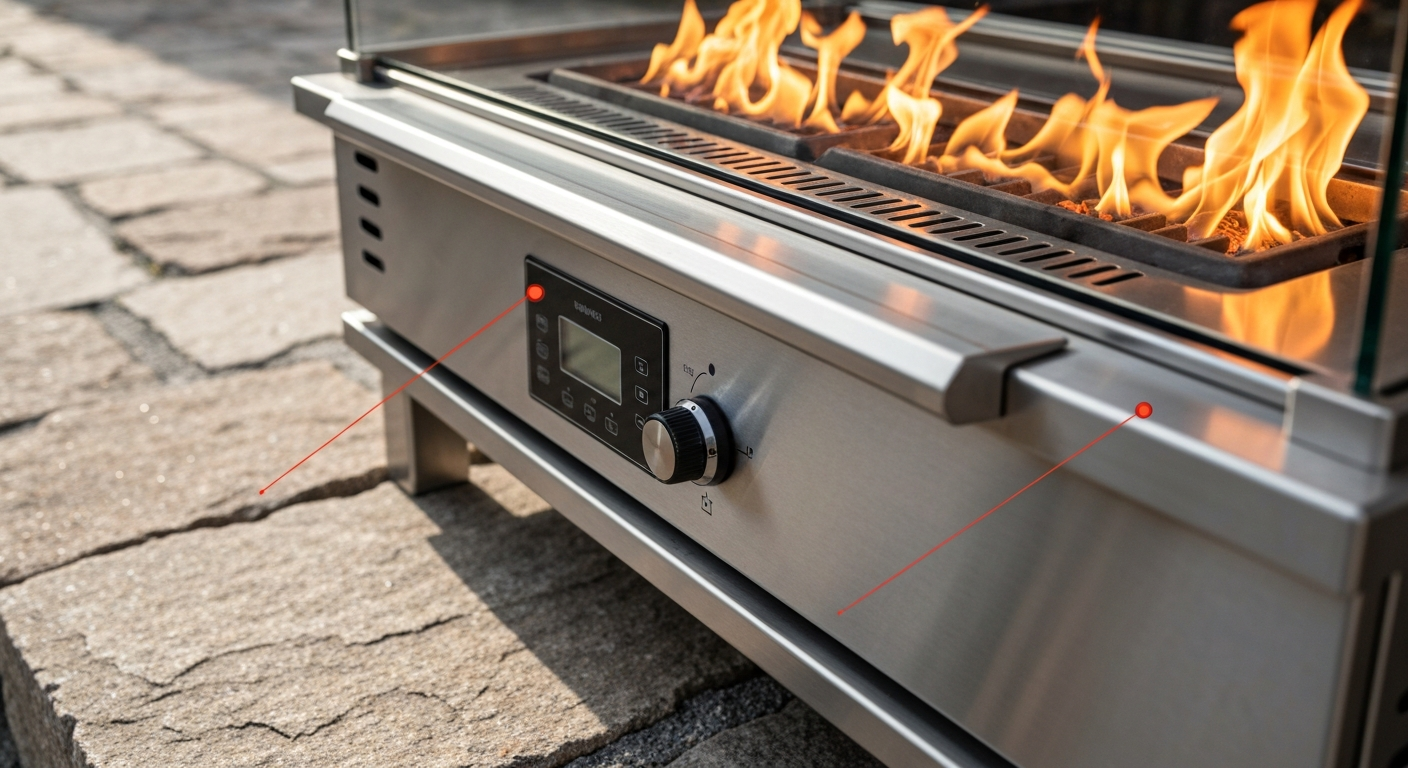
The table below summarizes the key details of the tested models, so you can compare them at a glance.
Here is a direct comparison of the highest-rated patio heaters in our range:
| Model | Customer rating | Availability |
|---|---|---|
| CookKing Faro patio heater | – | Currently unavailable |
| CookKing Rosa patio heater | – | Currently unavailable |
Important: Check that you have enough room before buying. Measure the planned installation area, and always maintain the required safety distances from furniture and walls.
Safety and maintenance for everyday use
A patio heater is a fire appliance, so safety comes first. With proper care, you can keep it in good condition for years.
Safety features to check
Good models have a tip-over safety switch that automatically extinguishes the flame if the heater falls over. This feature is especially important for gas heaters.
A sturdy base helps prevent wobbling. For wood-burning heaters, a spark guard helps keep embers from escaping. Check for these features before buying.
Cleaning and maintenance
Clean your heater regularly. For gas models, check the burner nozzles. For wood-burning heaters, remove the ash after each use.
Protect your heater during winter. A purpose-made cover or storage in a shed can extend its service life. Check that all screws and connections are tight.
Note: Use only the specified fuel. Gas heaters require propane. For wood-burning heaters, use only dry, untreated wood. Do not burn treated wood, trash or paper.
Where to place and how to use your patio heater
Where you place the heater affects both how well it warms your space and how safely it operates. Keep these points in mind.
Choosing the right location
Place the heater on a firm, level surface. Stone slabs or patio pavers are ideal. Wood-burning heaters need a fireproof surface.
Position the heater so its warmth reaches the seating area. Keep it away from awnings, plants and garden furniture. A minimum distance of 2 meters is recommended.
Using and storing fuel
Always store propane tanks upright and outdoors. Never store them in enclosed spaces. Connect the tank correctly and check for leaks.
For wood-burning heaters, use only dry logs. Damp wood burns poorly and creates a lot of soot. Keep your wood supply protected from rain.
Design and Materials: What Suits Your Patio?
A patio heater is also a design feature. Choose a model that matches your style.
Materials Compared
Steel: Robust and durable, often coated with heat-resistant paint. It needs protection against rust.
Cast iron: Very sturdy and retains heat for a long time. However, it is heavier and can rust when exposed to moisture.
Stainless steel: Offers a modern look and excellent weather resistance. It is often used in high-quality models.
Ceramic: Especially common in wood-burning heaters, ceramic withstands extremely high temperatures and has a natural appearance.
Shapes and Colours
Classic patio heaters are round or cylindrical and radiate heat evenly. Modern designer models often have a cubic shape.
Colours range from black and grey to more distinctive shades. Choose a colour that matches your garden furniture. A neutral shade is a timeless choice.
Consider patio heaters that also provide ambient lighting. Combine different light sources to create an inviting atmosphere.
Conclusion: How to Find Your Perfect Patio Heater
The right patio heater for you depends on your priorities. Want maximum convenience? A gas patio heater is a great choice. Just switch it on and adjust the heat.
Prefer the authentic experience of a fire? A wood-burning patio heater creates unmatched ambience. Keep in mind, though, that handling firewood and ash takes extra effort.
For balconies or covered patios, electric models are often the only option. They are clean and easy to use.
Whatever type you choose, look for safety features and sturdy construction. A good patio heater will last for years, turning your patio into an outdoor living space you can enjoy throughout the year.
Explore our selection of patio heaters and find the right model for you. With the right heater, you can make the most of mild summer evenings and cool fall nights.
Frequently Asked Questions
- Which is better: a gas or wood-burning patio heater?
- Gas patio heaters are more convenient because they start right away and let you adjust the heat precisely. However, they require a propane tank. Wood-burning heaters offer a cozy flame and do not rely on gas, but they take more effort to light and clean. The right choice depends on how much convenience you want.
- How safe is a patio heater on a patio?
- Modern patio heaters are very safe when set up correctly. Place yours on a firm, level surface with plenty of clearance from flammable materials. Choose a model with tip-over protection and a stable base. Check gas lines regularly for leaks.
- Can I use a patio heater on a balcony?
- It depends on the heater's design and local regulations. Electric heaters are often a good option for balconies. For gas or wood-burning heaters, check clearance requirements and ventilation, and make sure your landlord or building rules allow them. Safety comes first.
- How do I properly care for and clean my patio heater?
- Let the heater cool completely before cleaning it. Remove ash regularly from wood-burning heaters. For gas heaters, check the burner nozzles for blockages. Clean the housing with a mild cleaner and a soft cloth. Protect the heater from the weather during winter.
- What should I consider when setting up a wood-burning patio heater?
- Place the wood-burning heater on a fireproof surface, such as stone or special fire-resistant slabs. Keep it at least 2 metres away from plants, furniture and the house wall. Keep a spark guard handy. Store firewood in a dry place, away from the heater.
You May Also Be Interested In
- Wood-Burning Stove Test & Comparison 2026: The Best Models Reviewed
- Garden Furniture Test & Comparison 2026
- Weed Burner Test & Comparison 2026
- Weather Station Test & Comparison 2026: The Best Models in Practical Testing
- Sun Sail Test & Comparison 2026: The Best Models in Practical Testing
- Pedestal Fan Test & Comparison 2026