
In brief: In our 2026 paver lifter comparison, models with sturdy steel frames, a load capacity of at least 500 kg and ergonomic handles stand out. Choose a lifting mechanism suited to the sizes of pavers you typically handle. A non-slip grip and stable base help prevent accidents. Here’s what to look for when buying.
Planning to pave a patio or replace a garden path? A paver lifter can take much of the heavy lifting off your hands. In our comparison, we highlight models that stand out in 2026 and explain what to look for when buying this specialist tool.
What does a good paver lifter do?
A quality paver lifter lets you raise heavy stone or concrete pavers with control and position them precisely. That helps protect your back and the pavers themselves, avoiding scratches and chipped edges. With the right tool, you can work faster and get a more professional finish.
Key buying criteria compared
Not every paver lifter is right for every job. Compare these features before choosing a model.
Load capacity and material
Load capacity is a key performance feature. A capacity of 500 kg is often enough for standard pavers. If you plan to move solid natural stone slabs or thick curbstones, choose a model rated for 1000 kg or more. The frame should be made of sturdy steel. Galvanized steel offers extra corrosion protection if the tool is stored outdoors.
Lifting mechanism and ease of use
Look for an ergonomic lifting mechanism that helps reduce effort. A long lever arm makes heavy loads easier to lift. The gripping jaws should slide easily under the edge of a paver and hold it securely. A non-slip handle adds comfort and safety.
Safety and stability
The paver lifter should have a wide, stable base to help prevent it from tipping when lifting a load. Its gripping jaws should hold the paver securely without slipping. Check whether the model has a locking mechanism to keep the load at the required height.
Tip: Before buying, test the paver lifter with pavers of the thickness you usually handle. Does it feel safe and easy to use? Are the jaws wide enough for your pavers?
Paver lifter comparison: Models that stand out in 2026
Our comparison features reliable paver lifters for a range of needs. Use the table to compare their features at a glance.
Our highest-rated paver lifters compared at a glance:
| Model | Customer rating | Availability |
|---|---|---|
| Kerb lifter | – | Currently unavailable |
| Door lifter | – | Currently unavailable |
| Fritz Göbel Replacement Plate for Push Scraper 300 mm - Robust Design | – | Currently unavailable |
| Fritz Göbel Agricultural Drill - Robust Construction, Various Tasks | – | Currently unavailable |
| Fritz Göbel Large Seal for H84 - Secure Closure | – | Currently unavailable |
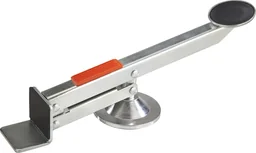
Alongside general-purpose paver lifters, specialized tools are available for specific jobs. The
is designed for precisely positioning curbstones, for example. A can also come in handy for heavy doors or window frames on construction projects.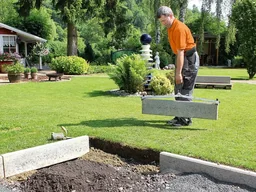
Important: Never exceed the manufacturer's stated load capacity. Overloading can cause the mechanism to fail suddenly and lead to serious injury. If needed, use two lifters to distribute the weight of very heavy pavers.
How to use a paver lifter correctly
Using the right technique is key to working safely and getting good results. Position the lifter at the center of one of the paver's long sides. Slide the gripping jaws all the way under the edge. Slowly and steadily raise the paver until it clears the ground. You can then move it and position it precisely.
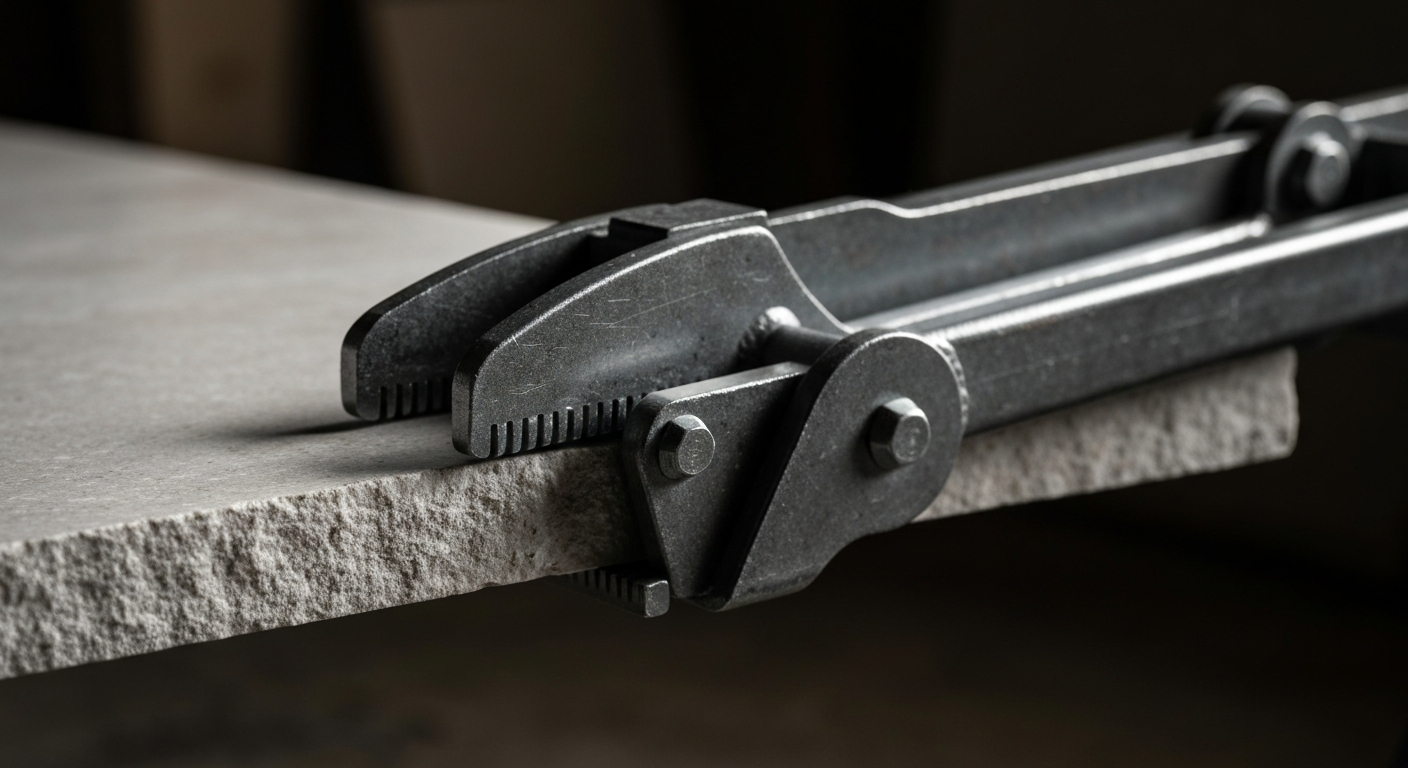
For large pavers or uneven ground, a tool such as the
may offer advantages thanks to its sturdy construction. It's designed for a range of tasks on farms and construction sites.
Maintaining and caring for your tool
A paver lifter can last for years with proper care. Remove soil and dirt after each use, and regularly check moving parts for wear. Keep hinges and levers moving smoothly with a specialty lubricant for paver lifters and other construction equipment.
Note: Store your paver lifter in a dry place, protected from the weather. This helps prevent rust on key mechanical parts and can significantly extend the tool's service life.
Conclusion: Choose the right paver lifter for your project
The right paver lifter depends on the size and weight of the pavers you need to move. For most home garden projects, a sturdy model with a load capacity of 500 kg is enough. Look for quality construction and reliable safety features. A good paver lifter from our comparison can help you lay pavers with less strain on your back and greater precision. Invest in a tool built to last.
Frequently Asked Questions
- What is a paver lifter used for?
- A paver lifter is a specialist tool for lifting and accurately positioning heavy pavers, curbstones or paving stones. It helps protect your back, improves jobsite safety and allows you to position pavers with millimeter precision. This is essential when laying, replacing or repairing patios and walkways.
- What lifting capacity should a good paver lifter have?
- A heavy-duty paver lifter for DIY and semi-professional use should be able to lift at least 500 kg. This lets you safely handle most concrete and natural stone pavers. For especially heavy pavers or commercial use, we recommend models with a lifting capacity of 1000 kg or more.
- Can I also use a paver lifter to install curbstones?
- Yes, many universal paver lifters are also suitable for installing edging stones and curbstones. The shape of the gripping jaws is crucial. Look for a model with suitably shaped or interchangeable jaws. However, specialist construction equipment such as curbstone lifters is often better suited to this task.
- What safety precautions should I take?
- Safety is the top priority. The paver lifter must have a firm, non-slip grip. The gripping jaws must securely hold the paver without slipping. Check the lifting mechanism before every use to make sure it is working properly. Always wear sturdy footwear and gloves.
- What is the difference between a paver lifter and a standard lifter?
- A paver lifter is specially designed for flat, heavy loads. Its gripping jaws are wide and flat so they can grip the entire edge of a paver. A universal or automotive jack has small forks that slide underneath the load—this is not possible with pavers and could damage them.
You may also be interested in
- Turntable Test & Comparison 2026: The Best Models Reviewed
- Pallet Jack Test & Comparison 2026
- Grease Gun Test & Comparison 2026: The Best Models Reviewed
- Plate Compactor Test & Comparison 2026: The Best Models Reviewed
- Weed Puller Test & Comparison 2026: The Best Models Reviewed
- Workshop Test & Comparison 2026: The Best Equipment Reviewed in Practice