
In brief: A pellet heating system costs between 15,000 and 28,000 euros to purchase, including installation and storage. Running costs are often lower than those of oil or gas because pellets are affordable. Attractive government grants through KfW can significantly reduce the investment costs and shorten the payback period.
Rising oil and gas prices are prompting many homeowners to rethink their heating systems. A pellet heating system offers a sustainable and often more affordable alternative. It uses locally sourced, renewable raw materials and provides CO2-neutral heating. But how much does switching cost? This article gives you a detailed overview of installation, running and maintenance costs and explains how you can benefit from government grants.
What is a pellet heating system and how does it work?
A pellet heating system is a central heating system that generates heat by burning wood pellets. These small compressed pieces are made from dried, untreated wood waste such as sawdust or wood shavings. They are manufactured under high pressure without chemical binders and have a high energy content.
Operation is largely automated and convenient. A modern heating system of this type consists of three main components:
- Pellet boiler: The heart of the system burns the pellets and heats the water for the heating circuit. Modern boilers achieve efficiencies of over 90 %.
- Pellet storage: This is where you store your fuel supply for an entire heating season. The storage system can be a flexible fabric tank (bag silo), a purpose-built room or an underground tank.
- Conveying system: An auger or vacuum suction system transports the pellets fully automatically from the storage area to the boiler. You do not need to refill it manually.
The heat generated is transferred to the home's heating system via a buffer tank, meaning radiators or underfloor heating. The ash produced during combustion collects in a container that only needs to be emptied a few times a year.
Installation costs: What expenses should you expect?
Investing in a pellet heating system costs more than installing a new gas or oil heating system. However, the costs are offset by lower running costs and grants. For an average single-family home, budget for total costs of between 15,000 and 28,000 euros. These consist of several items.
Pellet boiler costs
The pellet boiler itself is the largest individual expense. Prices vary depending on output (in kilowatts, kW), manufacturer and technological features. For a single-family home, the boiler typically costs between 8,000 and 15,000 euros. Less expensive models are often more simply equipped, while more expensive versions may feature fully automatic cleaning or more advanced controls.
Pellet storage and conveying system
The costs of storage and conveying technology depend on the solution you choose and the structural conditions. A simple bag silo is available for around 2,000 euros. A custom-built storage room or an underground tank can cost up to 5,000 euros. The conveying system, whether an auger for short distances or a flexible suction system, adds a further 1,000 to 3,000 euros.
Pro tip
Make sure your pellet storage area stays dry. Moisture causes pellets to swell and become unusable. The storage area must be completely watertight and well ventilated to preserve the high quality of the fuel.
Installation and accessories
Professional installation by a heating engineer is essential for safe and efficient operation. Expect to pay between 3,000 and 6,000 euros for this work. This amount covers connecting the heating system, removing the old system and integrating it hydraulically. Additional costs may apply for the following:
- Chimney renovation: A moisture-resistant stainless steel liner is often required (approx. 1,000 – 2,500 euros).
- Buffer tank: A thermal storage tank is essential for optimum operation and costs between 1,500 and 3,000 euros. It increases efficiency and reduces burner starts.
- Hydraulic balancing: This ensures even heat distribution throughout the house and is often a requirement for grants (approx. 500 – 1,500 euros).
You may also need various power tools and accessories for the installation work, although the installer will usually bring these with them.
Running Costs: How Expensive Is Heating with Pellets?
This is where pellet heating shows its strengths. Compared with fossil fuels, running costs are usually significantly lower and more stable. They consist of fuel, maintenance and electricity costs.
Over the past ten years, the price development of wood pellets has been significantly more stable and cheaper on average than that of fossil fuels such as heating oil or natural gas. Heating with pellets therefore offers a high level of supply security and helps protect your budget.
Pellet Prices in Detail
The price of wood pellets is generally stated per tonne. An average single-family home with 150 m² of living space consumes around four to five tonnes of pellets per year. Prices fluctuate seasonally and regionally. Pellets are often cheaper in summer than in winter. Expect an average price of 300 to 400 euros per tonne. This corresponds to a price of around 6 to 8 cents per kilowatt-hour (kWh), which is often below the price of heating oil (approx. 10-12 ct/kWh) or gas (approx. 8-10 ct/kWh).
Maintenance and Upkeep
A pellet heating system requires regular care to operate efficiently. A professional should service it once a year. This costs between 200 and 400 euros. During servicing, the burner is cleaned, wear parts are checked and the controls are optimised.
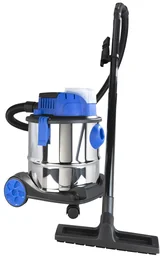
You can empty the ash container yourself on a regular basis. Depending on the model, this is only necessary one to four times a year. For cleaning the boiler room and the area around the boiler, a robust vacuum cleaner such as the
3-in-1 stainless steel wet and dry vacuum cleaner and blower or the lighter 18 V wet and dry vacuum cleaner. The chimney sweep must also inspect the system regularly, which incurs additional costs of 50 to 100 euros per year.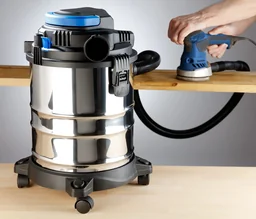
Additional Advice
Use only certified pellets bearing the ENplus A1 seal. They guarantee high quality, low ash content and trouble-free operation of your system. Inferior pellets can damage the feed system and boiler.
System Electricity Consumption
A pellet heating system requires electricity for the controls, feed system and ignition. However, consumption is manageable. Modern systems are very efficient and incur annual electricity costs of around 100 to 200 euros. This is a small but fixed item in the overall operating cost calculation.
Government Grants: How Can You Save on the Purchase?
The government supports the switch to renewable energy with attractive grants. Through the “Federal Funding for Efficient Buildings” (BEG), administered by the Kreditanstalt für Wiederaufbau (KfW), you can significantly reduce the high purchase costs.
The funding consists of various components (as of 2024, subject to change):
- Base grant: For installing a biomass heating system such as a pellet heating system, you receive a grant of 30% of the eligible costs.
- Climate Action Bonus: If you replace a functioning oil, coal, gas-fired central heating or night storage heating system, you receive an additional 20% bonus. This bonus also applies to gas and biomass heating systems that are at least 20 years old.
- Income bonus: Households with an annual taxable income of up to 40,000 euros can apply for an additional 30% bonus.
The bonuses can be combined, but the maximum grant rate is capped at 70% of the eligible costs. The maximum eligible investment for a single-family home is 30,000 euros. This means that a maximum grant of 21,000 euros is possible.
Important Note
It is essential to submit your grant application to KfW *before* signing a supply or service contract with the installer. Retrospective applications are not possible. Make sure to plan this step into your project at an early stage.
Cost-Effectiveness Comparison: Is Pellet Heating Right for You?
Despite the high initial investment, a pellet heating system can pay off in the long term. The payback period depends on current energy prices, your heating requirements and the grant you receive. In general, the higher your previous oil or gas consumption, the faster the switch pays for itself.
A pellet heating system is particularly suitable for buildings that have not been optimised for a heat pump. In older, less renovated homes with standard radiators, pellet heating can fully demonstrate its strengths because it can easily provide high flow temperatures.
For those planning for the long term, pellet heating is an economically and environmentally sound decision. It makes you less dependent on fossil fuels and strengthens the regional economy by using local wood resources.
To maximise the efficiency of any heating system, you should ensure that your radiators are working optimally. Regular bleeding prevents annoying noises and ensures that the heat is released fully. With a tool such as the
radiator key, you can save on heating costs quickly and easily, regardless of your primary heat source. The right operating supplies ensure longevity and efficiency.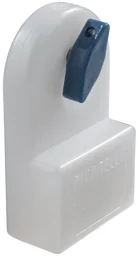
Ultimately, the choice of heating system is a personal one. A pellet heating system is an investment in the future that offers greater independence, stable heating costs and peace of mind through sustainable heating. Obtain specific quotes from specialist contractors and seek professional advice to find the best solution for your home.
Frequently asked questions
- What are the annual running costs of a pellet heating system?
- Annual running costs for a detached house are usually between 1.200 and 1.800 euros. This includes the cost of pellets, electricity to run the system, annual servicing by a qualified professional and chimney sweep fees. Pellet prices are the biggest factor.
- Is pellet heating more environmentally friendly than gas heating?
- Yes, heating with wood pellets is CO2-neutral. The CO2 released during combustion corresponds to the amount the tree absorbed from the atmosphere while it was growing. By contrast, burning fossil natural gas releases additional greenhouse gases into the atmosphere.
- Do I need a special chimney for a pellet heating system?
- In many cases, the existing chimney can be used, but it often needs to be refurbished. Pellet heating systems have lower flue gas temperatures, which can lead to condensation. A moisture-resistant flue pipe, often made of stainless steel or ceramic and installed inside the existing chimney, is usually required.
- How much space do I need for a pellet store?
- The space required depends on your annual consumption. For a typical detached house, you need a storage volume of around 6 to 9 cubic metres to store a year's supply of pellets. This could be a fabric silo, a brick-built room or an underground tank.
- Can I combine a pellet heating system with solar thermal?
- Yes, the combination is ideal. A solar thermal system can provide hot water during the warmer months, allowing the pellet heating system to remain switched off completely. This reduces wear on the heating system, lowers pellet consumption and further improves the overall efficiency of your heating system.
You may also be interested in
- Pellet prices at a glance: What homeowners need to know
- Pellet heating: A sustainable option for your home
- Home heating systems: Costs and efficiency compared
- Planning a solar energy system: Costs, grants and profitability
- Reducing CO2 emissions from heating: Tips for greater efficiency
- Gas heating at home: Costs, benefits and efficiency