
In brief: Choosing the right pipe cutter depends on the material, pipe diameter and intended use. Ratchet pipe cutters are the first choice for precise, burr-free cuts on copper and multilayer composite pipes. For larger diameters or occasional use, manual pipe cutters with cutting wheels are a good solution. Our test shows what you need to look out for.
A pipe cutter is an essential tool for anyone working with pipework. Whether you are installing a heating system as a DIY enthusiast or fitting plumbing systems every day as a professional, a clean, precise cut is the basis for a durable, watertight connection. In 2026, the range has become even more specialised. Our test and comparison will help you find the pipe cutter that perfectly matches your requirements from the wide range of models available.
Table of contents
What types of pipe cutters are available?
Not every pipe cutter is made for every task. Choosing the right type is the first step towards a successful purchase.
Manual pipe cutters with cutting wheels
This is the classic type. Place the pipe in the U-shaped guide, set the desired diameter and turn the tool around the pipe. A sharp cutting wheel cuts into the material as you do so. These models are robust, versatile and often found in the hand tools range.
Ratchet pipe cutters for precise cuts
Ratchet pipe cutters are the professionals' choice. A lever with a ratchet mechanism transfers force efficiently to the cutting wheel. This allows you to work precisely with little effort, even in confined installation situations. They are ideal for frequent use and demanding materials.
Specialist cutters for large diameters or steel
For very large pipe diameters or hard materials such as steel, there are two-handed chain pipe cutters and shears. These are often used in industrial applications. They are rarely necessary for household use.
Tip: For most plumbing and heating installation work, ratchet pipe cutters are the first choice. They combine precision with comfortable handling.
What should you look for when buying?
In addition to the type, other factors determine whether a pipe cutter is suitable. Check these points before buying.
Material compatibility
A pipe cutter for copper pipes will not automatically cut steel pipes cleanly. The hardness of the cutting wheel must match the material. Check the manufacturer's specifications. For multilayer composite pipes, you often need special cutting wheels that separate the aluminium layer cleanly without crushing the plastic layers.
Diameter range
Choose a cutter whose maximum diameter is well above the diameter of the pipes you typically work with. If you mostly work with 15-mm and 22-mm pipes, a tool that cuts up to 35 mm is a good choice. This gives you some flexibility. A cutter that is too small will quickly become overloaded.
Ergonomics and ease of use
The handle should sit comfortably in your hand. With ratchet models, a smooth-running mechanism is important. An adjustable depth stop helps prevent the cutting wheel from penetrating too far and causing damage. It is best to inspect cutting tools in person so you can test how they feel in use.
Warning: Never use a pipe cutter as a lever or striking tool! This can bend the precision housing and knock the cutting axis out of alignment. The tool will then be unusable.
The most important test criteria
In our practical comparison, we tested the pipe cutters on typical materials and under realistic conditions.
Cut quality and burr formation
This is the decisive criterion. A good cut is straight, clean and as free of burrs as possible. We checked how much reworking with a deburring file was required. High-quality ratchet pipe cutters performed best here.
Handling and effort required
How much pressure do you need to apply? How comfortably does the tool sit in your hand, even after repeated use? We tested the ergonomics over an extended period. Requiring little effort not only protects your hands but also improves precision.
Build quality and durability
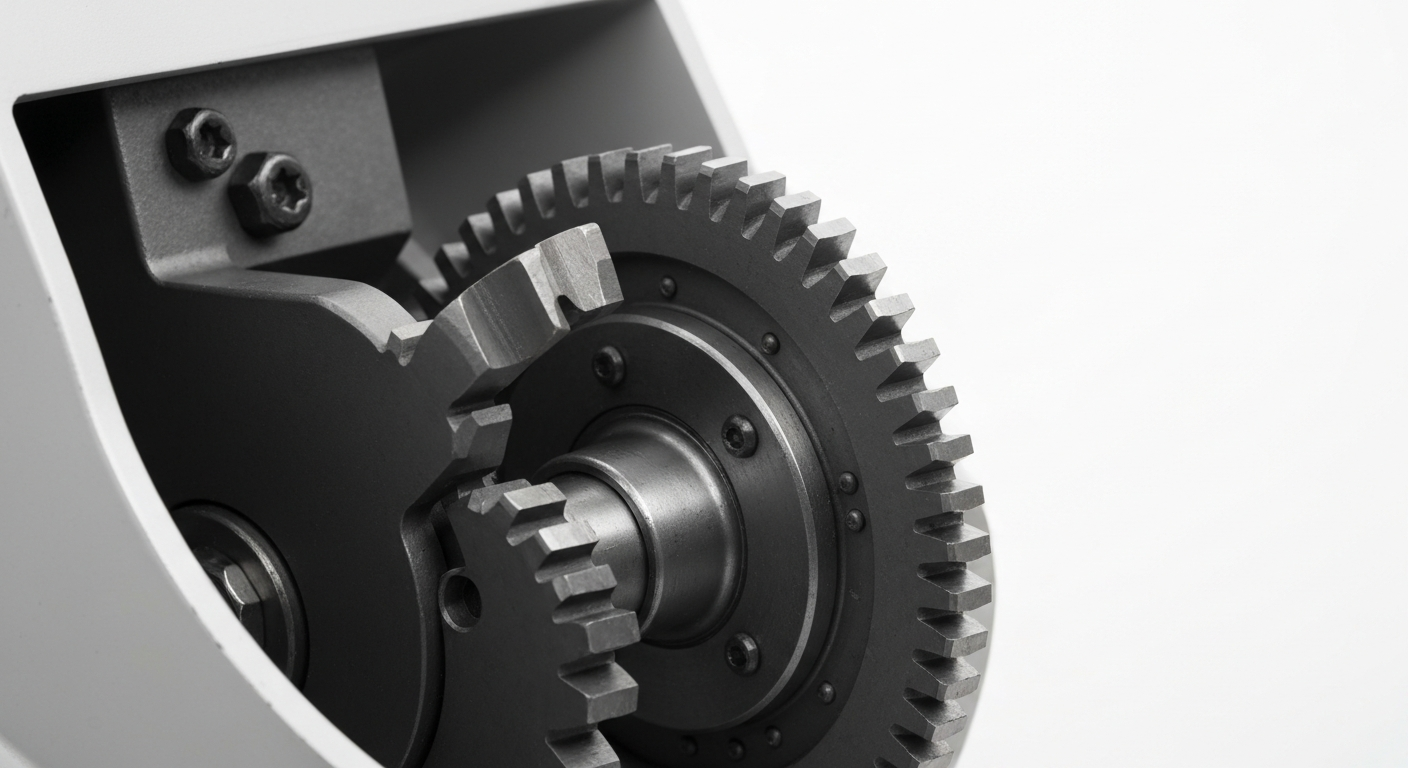
High-quality pipe cutters are made from robust steel. We checked the stability of the housing, the smooth running of the moving parts and the quality of the cutting wheels. Cheap cutting wheels become blunt quickly and need to be replaced frequently.
Accessories and replaceability
Can you change the cutting wheels easily? Are spare parts available? Some sets include several heads for different pipe diameters. This is especially practical. Browse our pipe cutters category to find suitable accessories.
Note: Cutting performance declines over time with all models. Plan to replace the cutting wheels regularly. Use only the manufacturer's original replacement cutting wheels to ensure a guaranteed fit and quality.
Product comparison: Best pipe cutter
Based on our tests, we present three promising models from the current range. The following table provides a direct overview of the most important features.
The highest-rated pipe cutters in our range compared directly:
| Model | Customer rating | Availability |
|---|---|---|
| Tapered ratchet die stock, 7-piece, 4 cutting heads 🏆 Test winner | ★ 4,9 (17) | Currently unavailable |
| Aesculap GT 504 replacement cutter comb for animal hair clippers | – | Currently unavailable |
| Aesculap GT 506 replacement cutter comb for livestock shearing | – | Currently unavailable |
| Aesculap GT 508 replacement cutter comb for NOVA CL - livestock shearing | – | Currently unavailable |
| Aesculap GT 772 paw care blade set - 0.7 mm cutting length | – | Currently unavailable |
Detailed presentation of selected models
In addition to the data in the table, it is worth taking a closer look at the strengths of the individual products.
The
impressed us in testing with its well-designed system. The four included cutting heads cover a wide range and can be changed quickly. The ratchet mechanism works precisely and reduces effort. This set is an excellent choice for anyone who regularly works with different pipe sizes and values efficiency.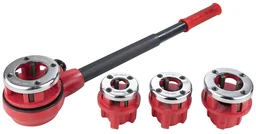
The
is a classic and robust manual pipe cutter. Its strengths are its simplicity and durability. For occasional work on standard copper or plastic pipes, it is a reliable and cost-effective solution. It has a place in every tool-box.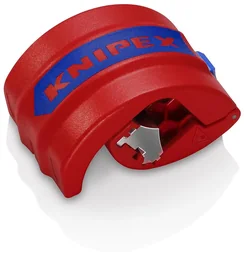
The
offers a comprehensive package with nine pieces. In addition to the main tool, it includes various adapters and cutting wheels. This makes it particularly versatile. In testing, it cut all the specified materials reliably and with good quality. This set is a good investment for ambitious DIY enthusiasts or as basic equipment for small trades businesses.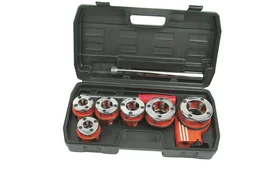
Proper use and care
With the right tool, half the job is done. The other half is using it correctly.
How to make a perfect cut
Mark the cutting point precisely. Position the pipe cutter straight. Tighten the tool evenly and without jerky movements. With ratchet models, work your way forward using short, controlled lever movements. Do not apply excessive pressure, as this will deform the pipe.
Maintenance extends service life
Clean the tool after every use. Remove metal shavings from the housing and the cutting wheels. A drop of oil on the ratchet mechanism and guide rail keeps everything running smoothly. Store the pipe cutter in a dry place.
When to replace the cutting wheels
Replace the cutting wheels when cutting requires noticeably more effort or the cut edge becomes rough and ragged. A worn wheel crushes the pipe instead of cutting it cleanly. This leads to unattractive and leaky connections.
Conclusion and buying recommendation
Choosing the best pipe cutter largely depends on your individual needs. Our test shows that a high-quality ratcheting die stock like the is worth the investment for precise and frequent work. It saves time and delivers professional results.
For occasional DIY use, classic manual pipe cutters such as the are a solid and proven choice. Comprehensive sets like the offer maximum flexibility for a range of tasks.
Whichever model you choose, pay attention to good workmanship, compatibility with the intended materials and a suitable diameter range. With the right pipe cutter, every installation will be cleaner and more durable. We wish you every success with your next project.
Frequently Asked Questions
- What is the advantage of a ratcheting pipe threader over a simple pipe cutter?
- A ratcheting pipe threader delivers more precise cuts with less effort. The ratchet mechanism allows controlled cutting movements in confined spaces and produces a clean, burr-free cut required for many installation jobs.
- What materials can a pipe cutter be used for?
- Standard pipe cutters cleanly cut copper, aluminium and plastic pipes. For steel or stainless steel pipes, you need special models with hardened cutting wheels. Always check the manufacturer's specifications for material compatibility.
- Can I use a pipe cutter to cut old, corroded pipes?
- Yes, but with some limitations. Light corrosion is not a problem. With heavily rusted or encrusted pipes, there is a risk that the cutting wheel may break or wear out. Lightly sand the area before cutting.
- How do I care for my pipe cutter properly?
- Remove swarf and dirt from the tool after every use. Regularly oil moving parts such as the ratchet mechanism and guide rail with a light tool oil. Store it in a dry place to prevent corrosion.
- What does 'burr-free cut' mean and why is it important?
- A burr-free cut leaves no sharp metal burrs on the edge of the pipe. These burrs can damage seals, restrict flow and cause leaks in plumbing installations. A good pipe cutter produces a smooth edge.