
In brief: Choosing the right plant fertilizer depends on the plant, its location and your goals. Our test shows that specialty fertilizers such as hydrangea fertilizer are ideal for specific plants, while all-purpose fertilizers such as blue fertilizer provide a good foundation. Organic fertilizers such as cattle manure improve the soil over the long term. We compare the most important products and provide practical buying advice.
Plant Fertilizer Test & Comparison 2026
A healthy garden starts with properly feeding your plants. However, the market offers countless fertilizers. Our test helps you find the right fertilizer for your needs. We compare the best products and explain what to look for.
Table of contents
What types of fertilizer are available?
In general, we distinguish between three types of fertilizer. Each has specific properties and applications.
Mineral fertilizer
Mineral fertilizer provides nutrients in a readily available form. Plants can absorb them immediately. This fertilizer works quickly and precisely. It is suitable for acute nutrient deficiencies. A classic example is blue fertilizer.
Organic fertilizer
Organic fertilizer consists of natural materials. Examples include compost, horn meal or cattle manure. Microorganisms in the soil must first break down these materials. Nutrients are released slowly and gently. Organic fertilizer also improves soil structure.
Organic-mineral fertilizer
This hybrid combines the benefits of both types. You get a quick initial effect from the mineral components and long-term effectiveness from the organic ingredients. These fertilizers are versatile.
Tip: For beginners, organic-mineral all-purpose fertilizers are often the best choice. They provide balanced nutrition with a low risk of over-fertilization.
How do I choose the right fertilizer?
Answer three questions to find the ideal fertilizer.
- Which plants are you fertilizing? Roses, hydrangeas and vegetables have different needs. Specialty fertilizers such as are specially formulated for specific plants.
- Where are the plants located? There are ideal formulations for garden beds, balcony containers and houseplants.
- What is your goal? Are you looking for rapid growth, abundant blooms or general strengthening? The NPK composition should match your goal.

The best plant fertilizers tested
Our comparison focuses on available, practical products. We assess ease of use, effectiveness and suitability.
All-purpose fertilizer for the garden
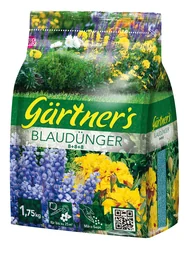
All-purpose fertilizers are suitable for the basic feeding of many garden plants. (blue fertilizer 1,75 kg) is a classic complete mineral fertilizer. It dissolves well in watering water. Its effect begins quickly. It is ideal for correcting acute nutrient deficiencies. It is less suitable for long-term soil improvement.
Organic fertilizer for sustainable growth
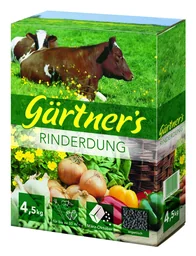
(granulated cattle manure 4,5 kg) is a purely organic fertilizer. It feeds plants over a long period. At the same time, it activates soil life. The granulated form is low-dust and easy to spread. This fertilizer is excellent for preparing beds in spring or for additional feeding.
Important: Organic fertilizers do not work immediately. Allow several weeks for the nutrients to be fully released. They are not a solution for acute deficiency symptoms.
Specialty fertilizer for specific needs
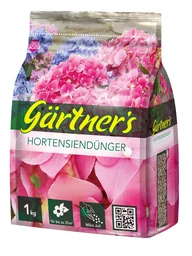
Some plants require specific nutrient ratios. Hydrangeas, for example, need acidic soil to produce blue flowers. (hydrangea fertilizer 1 kg) is specially formulated for this purpose. In addition to the main nutrients, it contains iron. For demanding plants, such specialty fertilizers are the first choice among plant fertilizers.
The highest-rated plant fertilizers from our range compared directly:
| Model | Customer rating | Availability |
|---|---|---|
| Blue fertilizer 1,75 kg 🏆 Test winner | ★ 4,9 (15) | In stock |
| Granulated cattle manure 4,5 kg | ★ 4,8 (15) | In stock |
| Hydrangea fertilizer 1 kg | ★ 4,7 (14) | In stock |
| Captain Green Fast-Growth Fertilizer Granules 1 kg | ★ 4,9 (18) | Currently unavailable |
| Hand-held seeder "Super Seeder" including 6 seed discs | ★ 4,6 (14) | Currently unavailable |
Note: Not all tested products were available at the time of writing. We focus on fertilizers that are proven and available on an ongoing basis.
Application and dosage
Proper application determines success or failure.
The best time to fertilize
Fertilize mainly during the growing season from March to September. Most plants need the most energy during this period. In winter, most plants need a rest period. Winter-flowering houseplants are an exception.
How to apply the correct dosage
Always follow the manufacturer's instructions. Less is often more. Over-fertilizing causes more damage than slight underfeeding. For liquid fertilizer, mix the recommended amount into the watering water. For granular fertilizer, spread the granules evenly and lightly work them into the soil.
Avoiding common mistakes
These are mistakes we frequently see in practice.
- Fertilizing dry soil: This can cause root burn. Always water your plants before fertilizing.
- Ignoring the condition of the soil: A pH test provides useful information. Some nutrients are unavailable in soil that is too acidic or alkaline.
- Using the same fertilizer for everything: Lawns, vegetables and flowering plants have different needs. Use targeted fertilizers.
Buying guide and conclusion
Our test shows that there is no single best fertilizer for everything. Your choice should suit your plants and your gardening style.
Our recommendations at a glance
For the basic care of a varied garden, it is best to combine organic and mineral fertilizer. Work cow manure into the soil in spring. In the event of an acute deficiency or during midsummer, apply blue fertilizer selectively.
For specialist plant collections such as hydrangeas, roses or tomatoes, it is worth investing in a specialist fertilizer. Its tailored formula helps prevent deficiency symptoms and promotes optimal results.
Choose quality and good plant compatibility. Cheap fertilizers often contain unnecessary fillers or harmful chlorides. Invest in products that keep your plants and soil healthy in the long term. With the right fertilizing routine, you will enjoy your garden even more.
Frequently asked questions
- How often should I fertilize my plants?
- How often you should fertilize depends on the fertilizer and the plant. Liquid fertilizers are usually applied weekly, while slow-release fertilizers are used only 1-2 times per season. Consider the growth phase: During the main growing season from March to September, fertilize regularly; in winter, significantly reduce applications or stop fertilizing altogether.
- What is the difference between mineral and organic fertilizer?
- Mineral fertilizer works immediately because its nutrients are directly available. Organic fertilizer must first be broken down by soil organisms and works more slowly, but its effects are more sustainable. Organic fertilizers also improve soil structure and are more environmentally friendly.
- Can too much fertilizer damage my plants?
- Yes, overfertilizing can seriously damage plants. Excess nutrients burn the roots, cause growth problems and make plants more susceptible to disease. Always follow the recommended dosage. If you notice signs of overfertilization, flush the soil thoroughly with water.
- Do balcony plants need different fertilizer from garden plants?
- Balcony plants grown in containers often need a special fertilizer because their root space is limited and nutrients are washed out more quickly. Liquid fertilizer is often convenient to use, while slow-release fertilizers work over several months. Nutrient requirements may be similar to those of plants grown in the garden, depending on the plant.
- What do the NPK numbers on fertilizer packaging mean?
- NPK stands for the main nutrients nitrogen (N), phosphorus (P) and potassium (K). The numbers indicate the ratio. Nitrogen promotes leaf growth, phosphorus strengthens roots and flowers, and potassium is important for overall health and resilience. Choose a ratio that matches your plants' needs.
You may also be interested in
- Plant Fertilizer Guide: Choosing the Right Fertilizer for Your Plants
- Composter Test & Comparison 2026
- Weed Killer Test & Comparison 2026: The Best Products Reviewed
- Greenhouse Test & Comparison 2026
- How to Fertilize Plants Properly: The Best Way to Feed Your Garden and Balcony Plants
- Food Supplement Test & Comparison 2026