
In brief: For effective plant protection, apply the right product at the right time in dry, windless weather. A battery-powered sprayer such as the GM ASL 8 ensures even coverage. Use the correct dosage, wear protective equipment and clean the device thoroughly after every use.
A healthy, flourishing garden is every gardener's pride. But pests, fungal diseases and persistent weeds can quickly spoil the enjoyment. Proper care determines success or failure. The key lies not only in choosing the right product, but above all in applying it precisely and effortlessly. Constantly pumping conventional pressure sprayers takes effort and often produces uneven results. Modern technology provides the solution.
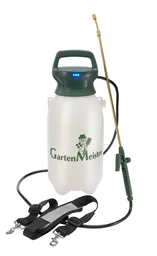
Forget laborious manual pumping. A battery-powered sprayer revolutionizes gardening. It delivers constant pressure at the push of a button and produces a fine, even spray pattern. This lets you distribute products efficiently, save time and conserve your energy. The 8-litre lithium-ion battery sprayer "GM ASL 8" () is a powerful tool of this kind. Its 8-litre tank and powerful lithium-ion battery let you cover larger areas without interruption. The padded shoulder strap ensures comfortable working. With this tool, applying plant protection products becomes a simple routine instead of a strenuous task.
Tip 1: The Right Product at the Right Time – How to Optimize Application Timing
The success of any plant protection treatment depends heavily on timing. Even the best product will not work if conditions are unsuitable. Before reaching for the sprayer, take a close look at the plant, the weather and the calendar. A well-planned strategy maximizes effectiveness and minimizes product use.
Analyze weather conditions carefully
The weather is your most important ally or your biggest adversary. Never spray in strong winds. Drift can distribute the product uncontrollably throughout the garden, onto neighboring properties or onto beneficial insects. A mild morning or windless evening is ideal. Full midday sun is also off-limits. Water droplets on leaves act like tiny magnifying glasses and can cause unsightly scorching. The product also evaporates too quickly before the plant can absorb it. Imminent rain is just as unsuitable. It washes the active ingredient off the leaves before it can provide protection. The product ends up unused in the soil. Stable weather with overcast skies and dry leaves provides the best conditions.
Consider the plant's growth stage and pest life cycle
Your plants are living organisms with different stages of development. A fungicide for powdery mildew on roses works best when applied preventively or at the very first sign of infection. If you wait until the leaves are already covered in white, the problem is much harder to control. The same applies to pests. Many insecticides are most effective against young larvae. So inspect your plants regularly and carefully. If you spot the first signs of a problem, you can take targeted action at an early stage. Read the instructions for your plant protection products carefully. They often provide precise information on the ideal application time in the life cycle of the plant and pest.
The wise gardener plans ahead. Rather than fighting disease, they strengthen the plant so that it does not develop in the first place. Targeted treatment at the first signs is the first step toward plant health.
Tip 2: Precision Is Everything – How Do You Apply Plant Protection Products Correctly?
The idea that "more is better" is not only wrong in plant protection, but harmful. Overdosing places stress on the plant and the environment. Underdosing has no effect. The art lies in using the exact dosage and achieving thorough yet fine coverage of the plant. This is where a good battery-powered sprayer really shows its strengths.
Never forget the undersides of leaves
Many pests, such as aphids and spider mites, prefer to hide on the sheltered undersides of leaves. Spraying superficially from above will not reach them. Work systematically from the bottom of the plant upward. Position the spray wand so that the fine mist also reaches the undersides of the leaves. The consistent spray pattern of a device such as the GM ASL 8 () makes this work much easier. You do not have to pump and can focus entirely on guiding the wand precisely.
Additional advice
Add a drop of dish soap or a special wetting agent to the spray solution. This reduces the surface tension of the water. The spray solution spreads more evenly across the leaf, adheres for longer and penetrates deeper into every crevice, significantly increasing its effectiveness.
Choose the right nozzle for every task
Modern sprayers have adjustable nozzles that create different spray patterns. For broad coverage of fungal diseases on leaves, a fine, cone-shaped mist is suitable. It covers the surface evenly without the liquid running off immediately. If you want to target weeds growing between paving slabs, choose a sharper, more targeted jet. This lets you hit only the unwanted plant while protecting its surroundings. Experiment with the settings to find the ideal spray pattern for each application.
Tip 3: Safety First – What Do You Need to Know When Handling Plant Protection Products?
Plant protection products are highly effective substances. Responsible and safe handling is therefore essential. Protect yourself, your family, pets and the environment. This starts with preparation and only ends when the products are stored safely.
Personal Protective Equipment (PPE) Is Essential
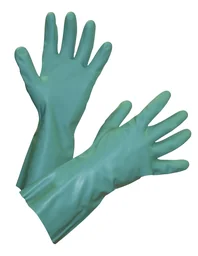
Even when using biological products, you should not neglect comprehensive protection. Always wear long clothing, sturdy footwear and safety goggles when working to prevent splashes from getting into your eyes. Suitable gloves are essential. The protective gloves for plant protection & biocides () provide reliable protection against chemicals. They are durable and prevent your skin from coming into contact with concentrates or spray solution. Remember to change your protective clothing after work and wash it separately from other laundry.
Correct Mixing and Disposal
Always mix the spray solution outdoors or in a well-ventilated room, never in the kitchen. Follow the dosage instructions on the packaging exactly. Use a clean measuring cup for this. First fill the sprayer with half of the water, then add the product and top up with the remaining water. Close the device and shake it thoroughly. Never allow leftover solution to enter drains or bodies of water. Dispose of it properly at your local recycling center or hazardous waste collection point.
Important Note
Always store plant protection products in their original packaging, tightly sealed and out of reach of children and pets. A cool, dry and frost-free place is ideal. Never pour products into drinks bottles or other containers – there is an acute risk of confusion.
Tip 4: More Than Just Plant Protection – How to Use Your Battery Sprayer in Many Ways
A battery sprayer is one of the most versatile garden tools you can own. Its uses go far beyond controlling pests and diseases. Think of it as a multifunctional tool for comprehensive plant and garden care. It helps you turn your dream of a perfect green space into reality.
Fertilize Your Garden Efficiently with a Sprayer
Many plants can absorb nutrients not only through their roots but also directly through their leaves. Foliar feeding with a liquid fertilizer is a highly efficient way to supply plants quickly with important nutrients, especially in cases of acute deficiency. Mix the liquid fertilizer according to the instructions and apply it evenly to the leaves using the sprayer. This is much faster and more even than watering with a can, especially over large lawns or when caring for many container plants.
Pro Tip
You can also use your battery sprayer to apply biological plant-strengthening products such as nettle tea or horsetail extract. These natural solutions strengthen plant cell structure and make plants more resistant to fungal diseases – a perfect addition to conventional plant protection.
Targeted and Efficient Weed Control
Weeds in joints or hard-to-reach places are a nuisance. With a battery sprayer and a suitable herbicide, you can tackle the problem precisely. Set the nozzle to produce a focused jet. This allows you to treat only the weeds while protecting the surrounding crops. This precise application saves product and protects your desired plants. You work faster and with less strain on your back than when manually pulling weeds while bent over.
Tip 5: Maintenance and Care – How to Keep Your Battery Sprayer Ready for Use
A high-quality tool deserves proper care. This is the only way to maintain full functionality for many years. Maintaining a battery sprayer is straightforward but essential. Take a few minutes after every use. It is well worth it.
Cleaning Is Essential
The most important care step is to clean the device immediately after every use. Never leave spray residues in the device. They can dry out, clog the nozzle or damage the material. Empty the tank completely. Fill it with a little clean water, shake it thoroughly and spray the water through the lance and nozzle until only clean water comes out. This thoroughly rinses all components. Occasionally disassemble the nozzle and clean it with a small brush.
Battery Care and Proper Storage
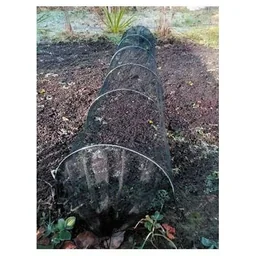
The lithium-ion battery is the heart of your device. Treat it with care. Charge it after use and store it over the winter in a cool, dry and frost-free place. Remove the battery from the device first. Avoid deep discharge and extreme temperatures. Before storing the device, also check all seals and hoses for cracks or signs of porosity. For protecting your plants in winter or growing young plants in spring, a FLO Mesh Plant Protection Tunnel () can be a useful addition to reduce the need for spray products.
A clean tool is a safe tool. The five minutes spent cleaning after work save hours of frustration during the next application.
A healthy garden requires attention and the right tools. With a battery sprayer and these professional tips, you can handle plant protection, fertilizing and weed control not only faster but also more safely and effectively. You save energy, time and spray products and can enjoy the beauty of your green oasis again sooner.
Frequently asked questions
- When is the best time to spray plant protection products?
- The ideal time is early in the morning or late in the evening on a still, overcast day. Avoid direct sunlight, as it can scorch the leaves, and rain, which may wash the product off before it has time to work.
- Can I also apply fertiliser with a battery sprayer?
- Yes, battery sprayers are ideal for applying liquid fertiliser. This allows nutrients to be distributed quickly and evenly across the leaves and soil. Always rinse the equipment thoroughly afterwards.
- How do I clean my battery sprayer properly?
- Empty the tank completely and rinse it with clean water. Add some fresh water and spray it through the system to clean the nozzle, hose and lance. This prevents blockages and damage to the materials.
- Why is the pressure of a battery sprayer better than that of a hand pump?
- A battery sprayer maintains a constant pressure, resulting in an even spray pattern. The pressure fluctuates with hand pumps, making distribution uneven and application more tiring and less precise.
- What protective equipment is required when spraying?
- Always wear waterproof protective gloves, long clothing, sturdy footwear and, ideally, safety goggles. This protects your skin and eyes from direct contact with plant protection products or fertilisers.
You may also be interested in
- Smart garden care: when a battery sprayer really helps
- Battery pressure sprayer vs. hand pump: which sprayer is better?
- Efficient gardening: 10 expert tips for a cordless grass shear & X cultivator
- Battery sprayer not pumping? Solutions for the GM ASL 8
- Effective winter plant protection: tips for the garden
- The 5 best uses for penetrating spray around the home and garden