
In brief: The right planting depth is crucial because it determines the roots’ oxygen supply, the plant’s stability and its ability to absorb water and nutrients. Plants set too deeply can suffocate or rot, while those planted too high can topple over or dry out. Use the root collar or the top of the root ball as your guide.
Planting Depth: Avoid These Common Gardening Mistakes
You dig a hole, place the plant in it and fill it with soil. What could possibly go wrong? More than you might think. Planting depth is one of the most common and serious mistakes in garden care. It can determine whether your new garden plants thrive or die.
Plants planted too deeply suffocate because their roots receive too little oxygen, and rot can set in. Plants planted too high can topple over, and their roots may dry out before they can anchor themselves properly. Getting the balance right is easier than it sounds.
How do I find the right planting depth?
The answer lies in the plant itself. Look for two key features: the root collar and the top edge of the root ball.
The root collar as a natural waterline
The root collar marks the boundary between the underground and above-ground parts of the plant. It is often visible as a slight thickening or change in color. This line is your most important reference point.
For most woody plants, perennials and annuals, the root collar must remain visible after planting. It must not be covered with soil. Grafted plants such as roses are an exception. In these plants, the graft union should sit just below the soil.
Expert tip
Before planting, mark the root collar with a waterproof pen or a small piece of tape. This helps you keep track of it while planting, especially with plants that have a large amount of soil around the root ball.
Use the root ball to set the depth for young plants
For young plants from a garden center, use the root ball as your guide. Dig the planting hole deep enough for the top of the root ball to sit level with the surrounding soil.
A common mistake is burying the root ball. The loose potting soil will settle later and pull the plant deeper. It is better to set the root ball one centimeter too high than too deep. You can always add more soil later.
The right garden tools make the job easier. A sharp-edged spade allows you to dig precise holes.
Why is the wrong planting depth such a problem?
The effects often only become visible weeks later. By then, the cause may no longer be obvious.
Suffocating in its own hole
Roots need oxygen to breathe. In soil that is too deep and compacted, aeration is poor, and the roots can literally suffocate. This leads to root rot.
The plant wilts even though the soil is moist. Yellow leaves are a typical symptom, and growth slows down. In trees, this can increase the risk of tipping and breakage because a stable root system never develops.
Important note
Plants with fleshy roots or a sensitive stem base are particularly prone to rotting when planted too deeply. These include peonies, lavender, boxwood and many bulb plants.
Drying out when planted too high
A plant set too high has no access to capillary water from the subsoil. Its roots are exposed and dry out quickly. Wind can loosen the soil around the root ball.
The plant wilts quickly in the sun, even after watering. It does not develop stable lateral roots and remains unstable. Winter frost can cause the exposed roots to freeze.
“The most common cause of death for newly planted trees in private gardens is not drought, but drowning caused by planting too deeply. People are afraid the plant will fall over, so they plant it far too deep.”
Special cases: These plants have their own rules
Not every plant follows the standard rule. Learn about the exceptions.
Tomatoes and cabbage-family crops: Plant deeper for more roots
Tomatoes, kohlrabi and celeriac form adventitious roots along the buried stem. Plant these young plants deep, up to the first pair of leaves. This encourages more roots and improves stability.
Use special planting aids such as tomato supports from our range of garden and plant accessories.
Rhododendrons and azaleas: Shallow is best
These acid-loving plants have extremely shallow root systems. They should never be planted deeper than they were in the container. Cover the root ball with only a very thin layer of soil. Planting too deeply is almost always fatal for these plants.
Bulbs and tubers: The double-depth rule
For flower bulbs, the simple rule is to plant them at a depth twice their height. A 5 cm tall tulip bulb needs a 10 cm deep hole. The tip should point upwards.
Additional advice
In heavy clay soils, plant bulbs a little shallower; in sandy soils, plant them a little deeper. This helps prevent rot and makes it easier for shoots to emerge.
A practical 5-step planting guide
Follow these steps to make sure your plants are at the right depth.
- Dig the hole: Dig a hole that is wider, but no deeper than the root ball. Loosen the base with a digging fork.
- Check the depth: Place a stick across the hole and measure the depth. It should match the height of the root ball.
- Position the plant: Place the plant in the hole. The root collar or edge of the root ball must be level with the future soil surface.
- Backfill and firm the soil: Fill in the soil and gently firm it around the plant. Create a watering basin.
- Water thoroughly: Water deeply. This settles the soil and closes air pockets.
For demanding jobs such as digging planting holes for hedges, a powerful
can be a great help.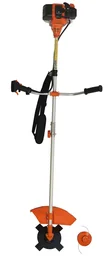
Tools and Accessories for Perfect Results
The right tools make the difference between guessing and getting it right.
A dibber is ideal for small perennials and vegetable plants. For larger root balls, a garden trowel with depth markings is perfect. Some gardeners swear by special plastic planting rings that automatically indicate the correct depth.
A practical all-in-one set for a range of gardening tasks is the
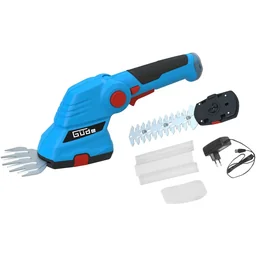
. For precise cuts when thinning young plants before planting, the .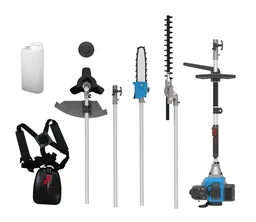
“Invest in a good planting tool with a sharp edge and a length marking. It saves time and prevents frustration. A precise tool almost automatically leads to the correct depth.”
What Should You Do If the Mistake Has Already Happened?
Have you planted a plant too deeply and it is wilting? Act quickly.
Carefully dig up the plant again. Check the root collar and roots for rotten areas. Cut these away. Replant the plant at the correct height. A plant-strengthening fertilizer can support its recovery.
If plants have been planted too high, simply add nutrient-rich soil around them. Make sure the base of the stem stays dry to prevent rot.
The Right Planting Depth Is the Foundation for Healthy Growth
Planting depth is not rocket science. It simply requires attention to detail. A properly planted root ball is the best foundation for vigorous growth, abundant flowering, and a healthy harvest.
Avoid the most common beginner's mistake. Take the time to check the depth before filling in the hole. Your garden will reward you with healthy, vigorous plants. You can find more inspiration and the right equipment for your gardening projects in our garden equipment category.
Frequently Asked Questions
- How can I identify a plant's root collar?
- The root collar is the transition between the root and the stem. It is often visible as a slight thickening or change in color. In grafted roses or fruit trees, the graft union, a knobby swelling, is the key feature. This area must remain above the soil.
- Do I always need to bury the entire root ball?
- No. The top of the root ball should be level with the surrounding soil or sit slightly above it. A root ball planted too deeply restricts air circulation. Loosen any matted roots before planting to make it easier for the plant to establish.
- Is the same planting depth right for all vegetable plants?
- No. Tomatoes and kohlrabi benefit from being planted more deeply, as they can then develop additional adventitious roots. Lettuce, strawberries, and onions, on the other hand, must be planted shallowly so their crowns do not rot. Check the requirements for each species.
- What should I do if a plant is planted too deeply and growing poorly?
- Carefully lift the plant out and replant it higher up. Loosen the soil in the new planting hole thoroughly first. A plant that has been planted too deeply can often be saved if you correct it in time and water it well afterward.
- How deep should I plant flower bulbs?
- As a general rule, plant them at a depth twice their height. So, a 5 cm tall daffodil bulb should be planted about 10 cm deep. The pointed end should face up. Heavy soils tolerate slightly shallower planting, while sandy soils allow for slightly deeper planting.
You might also be interested in
- Prevent waterlogged soil: Keep garden and potted plants healthy
- Avoid common gardening mistakes: How to trim lawn edges and shrubs perfectly
- Deep-rooted plants for raised beds: These plants thrive especially well
- How to water plants properly: Avoid common watering mistakes
- How to plant a tree: Give it the perfect start for strong, healthy growth
- How to care for houseplants: Avoid 7 common mistakes