
In brief: The ideal time to plant frost-sensitive vegetables outdoors is after the Ice Saints in mid-May. By then, the risk of late frost is low in most regions of Germany. Plant out your young tomatoes, zucchini, cucumbers and beans. Preparing the soil and choosing a sunny spot gives your plants a head start.
Table of contents
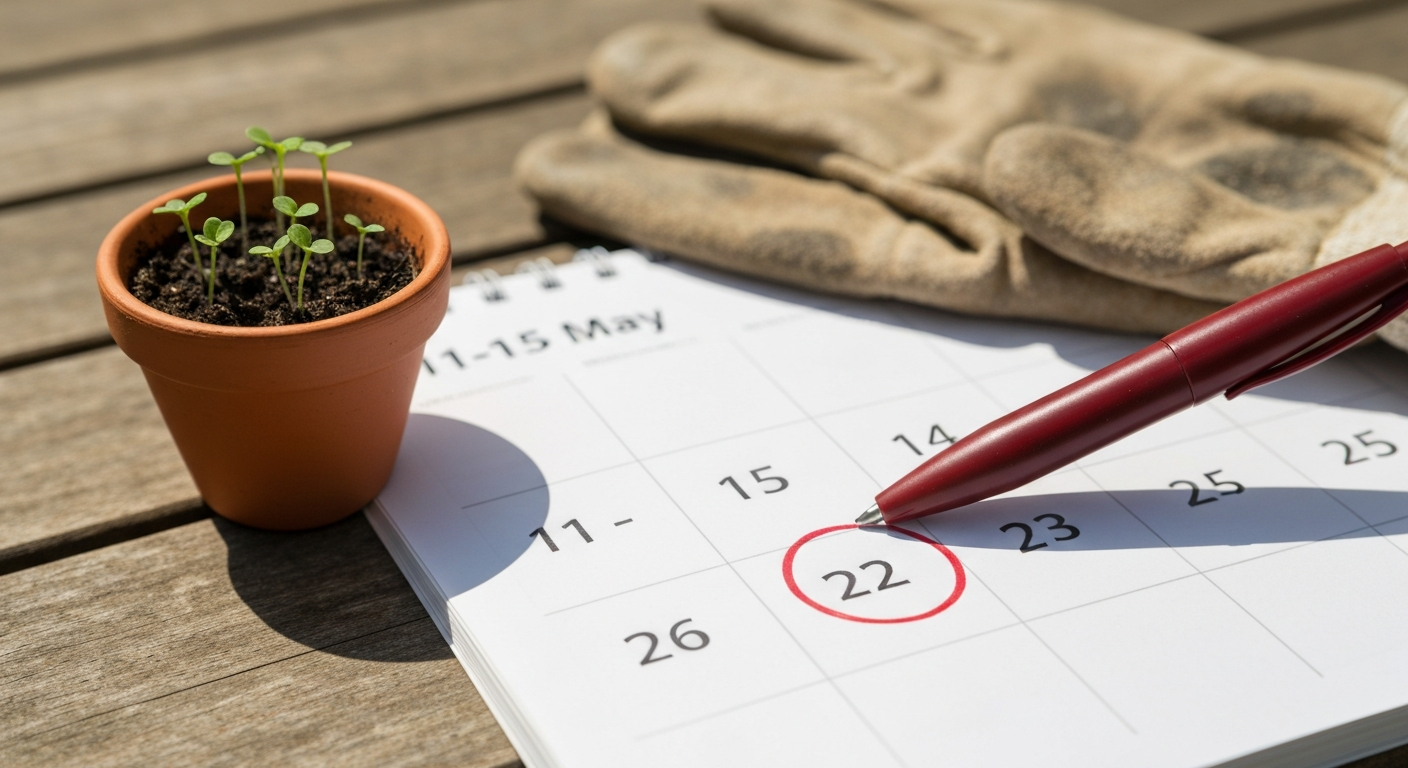
Cold nights in May are a familiar concern for gardeners. The Ice Saints, traditionally observed from 11 to 15 May, mark a turning point in the weather. After this period, the risk of ground frost drops significantly in most regions of Germany. For your vegetable garden, that means it’s time to plant tomatoes, cucumbers and more outdoors.
The Ice Saints are a time-honored guideline, not a fixed rule. Always consider your local microclimate. A sheltered city garden warms up faster than an exposed rural plot.
Why are the Ice Saints important for growing vegetables?
Vegetables from warmer climates can’t tolerate frost. Below-freezing temperatures damage their cells, leaving leaves frostbitten and sometimes destroying the entire crop. The Ice Saints mark the point after which late frosts are statistically less likely.
The old saying “Never plant before Cold Sophie” refers to Saint Sophia’s Day on 15 May. As this period ends, the sun grows stronger and the soil retains more warmth, which is essential for root growth.
“Although climate change is shifting seasonal patterns over the long term, regional late-frost events remain a real threat. The Ice Saints provide a useful reference point for garden planning.”
Your garden’s microclimate
Some areas of your garden are more prone to frost than others. Cold air settles in dips and hollows, where frost can linger. A garden bed beside a wall warmed by the sun is better protected. Pay attention to these differences and make the most of your garden’s microclimate.
How do I prepare my garden soil?
The weeks before the Ice Saints are a good time to prepare the soil. A well-prepared bed is half the battle. Start as soon as the soil is no longer muddy and crumbles easily.
Loosen the soil thoroughly with a digging fork or broadfork. Avoid turning over entire layers, which can disrupt the soil’s living structure. Remove stones and weed roots.
Expert tip
Mix mature compost or well-rotted manure into the top layer of soil. This improves soil structure and provides an initial supply of nutrients. Avoid fresh manure, which can burn plant roots. Add sand to heavy clay soil and compost to sandy soil.
A few good tools make the work easier. Browse our garden tools to find sturdy helpers. Spread the compost evenly and rake the surface smooth to create a fine, crumbly seedbed.
Which vegetables should I plant now?
After the Ice Saints, you can plant vegetables in two ways: transplant young plants started indoors or sow seeds directly in the garden bed. Both are ready to get started.
Planting out young plants
These varieties need a long growing season. Start them on a windowsill in March or buy them as seedlings. Now they’re ready to go outdoors:
- Tomatoes: Plant them deeply, up to the lowest leaves. This encourages root growth.
- Sweet peppers and chili peppers: They need plenty of warmth. A spot in front of a south-facing wall is ideal.
- Zucchini and pumpkins: Give them plenty of space because they spread quickly.
- Cucumbers: They grow best in a warm spot sheltered from the wind.
- Celery and kohlrabi: Hardy choices for a traditional vegetable garden.
The right tools also come in handy at harvest time. A
helps you prepare your harvest quickly and safely.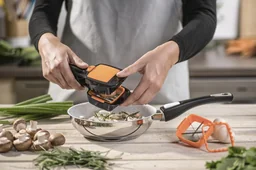
Sowing seeds directly in the garden bed
Some vegetables don’t tolerate transplanting well. Sow them directly where they’ll grow:
- Bush and pole beans: They germinate only when the soil is warm.
- Sweet corn: Sow seeds in blocks to help with pollination.
- Radishes and carrots: Sow more every two weeks for a steady harvest.
- Beets and Swiss chard: Hardy and easy to grow.
Unusual salad greens such as
add variety to the vegetable garden. Its peppery leaves are resistant to many pests.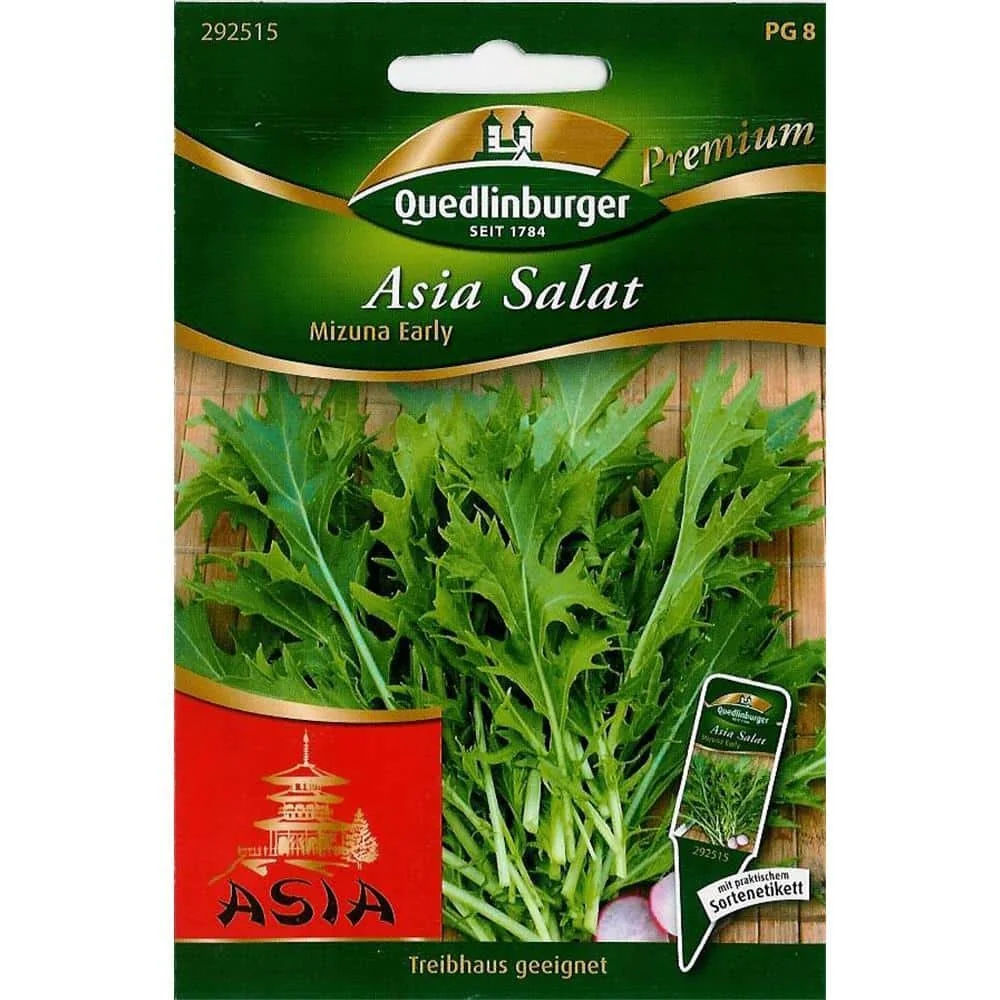
Important note
Be sure to harden off seedlings started indoors. Set them outside during the day for a week, then bring them indoors at night. This helps their leaves adjust to UV light and wind. Without hardening off, tender plants may scorch in the spring sun or break in strong winds.
How do I plant and care for seedlings?
Choosing the right day to plant can make a big difference to how well your plants take root. Pick an overcast day or plant in the late afternoon. Strong midday sun puts extra stress on young plants.
Dig planting holes twice the size of each root ball. Set the plant in the hole and fill it with soil, then gently firm the soil around it. Make a shallow basin around each plant to help keep water near the roots.
Water the plants thoroughly right away. Use a watering can with a rose attachment to avoid washing away the soil. For the first few days, keep the soil consistently moist but not soggy.
“The first week after planting is critical. The roots need to connect with the new soil. Consistent moisture matters more than fertilizer at this stage. If the root ball dries out, the plant can die even when the surrounding soil is damp.”
Add a slow-release fertilizer to the planting hole for heavy feeders such as tomatoes and cabbage. Our range of plant fertilizers includes organic and mineral options.
How can I protect my plants from weather and pests?
Even after the last frost, the weather can be unpredictable. Heavy rain, wind, or chilly nights can damage plants. A little protection can make a big difference.
Protecting plants from the elements
Floating row cover is incredibly versatile. It provides light frost protection, softens the impact of heavy rain, and keeps flying pests away. Lay it directly over your plants or drape it over small hoops.
For climbing plants such as beans and cucumbers, set up trellises early. They keep plants off the ground and make use of vertical space. Find suitable trellises and stakes in our Garden and Plant Accessories category.
Extra tip
Mulch your beds after planting. A layer of grass clippings, straw, or shredded bark helps the soil retain moisture, suppresses weeds, and keeps the surface from drying out or becoming compacted by rain. Leave some space around the stems to prevent rot.
Preventing pests from the start
Slugs love young, tender plants. Check your beds in the evening and pick off any slugs you find. Slug fences or rings around individual plants create an effective barrier. Encourage natural predators such as hedgehogs and birds.
At the first sign of aphids, spray the plants with a strong stream of water or soapy water. Help strengthen your plants with regular applications of natural plant teas, such as nettle tea.
A sharp knife is essential for harvesting and preparing your crops. A
with a long handle is also perfect for turning vegetables in the pan.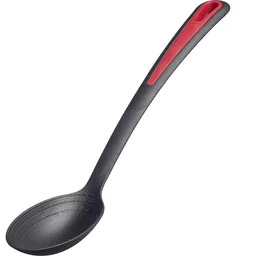
What happens after planting?
Your work in the vegetable garden isn’t over; it simply changes. Regular checks and ongoing care will help ensure a good harvest.
Water in the morning so the leaves have time to dry by evening, helping prevent fungal diseases. Water less often, but thoroughly each time. This encourages deep roots.
Feed your plants as needed. Organic fertilizers such as horn meal release nutrients slowly and gently. For heavy feeders, apply liquid fertilizer with your irrigation water every two weeks.
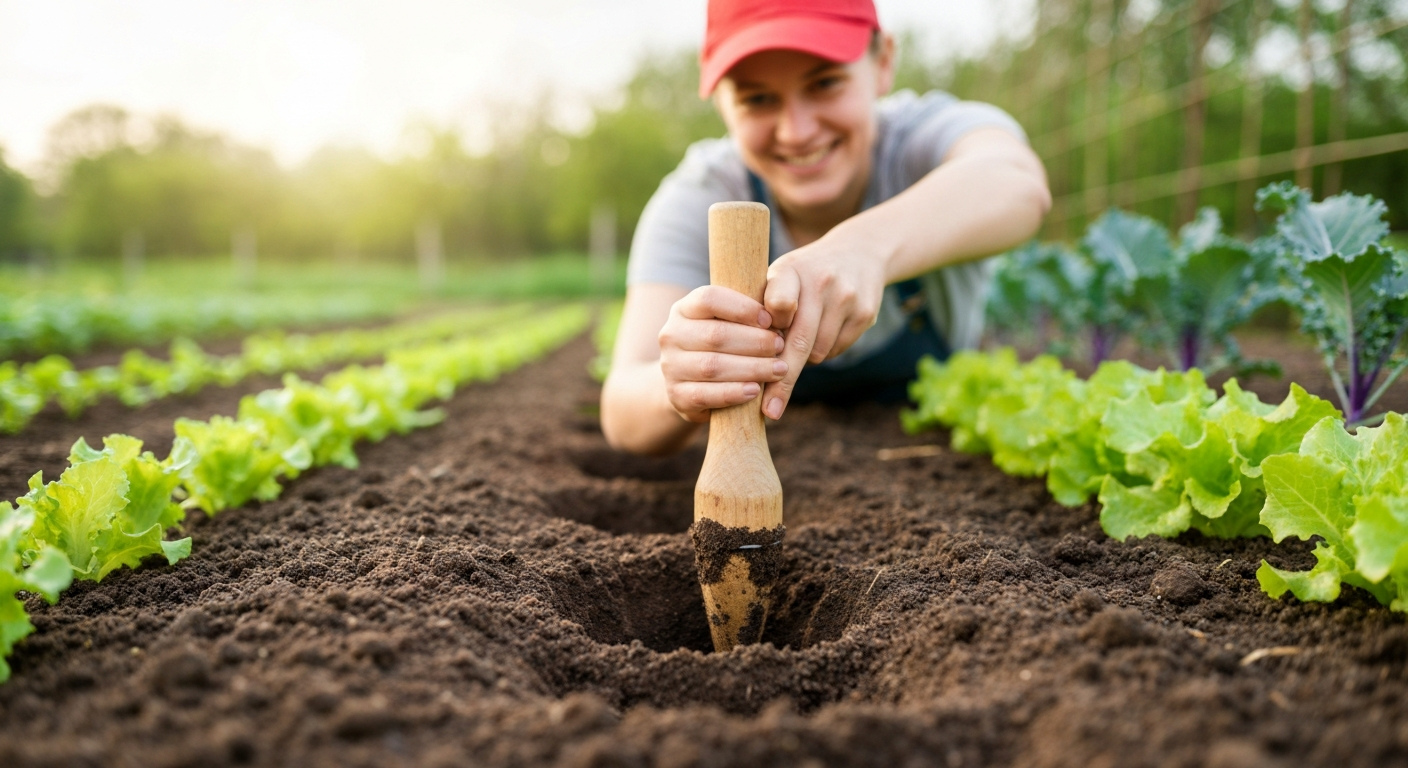
Keep the beds weed-free. Competition for water and nutrients can slow your vegetables’ growth. Hoe the soil shallowly on a regular basis. This aerates it and uproots weed seedlings.
Keep an eye on plant growth. Yellow leaves may indicate a nutrient deficiency, while holes in the leaves may signal pest damage. The sooner you respond, the gentler your approach can be.
The right watering technique saves time and water. Find practical solutions in our garden irrigation category.
These steps will help you make the most of planting season after the Ice Saints, a traditional mid-May marker for the last frost in Central Europe. Your garden will reward you with a plentiful, healthy harvest.
Frequently asked questions
- Why should I wait until after the Ice Saints to plant vegetables?
- The Ice Saints, which fall in mid-May, traditionally mark the end of late frosts in Central Europe. Frost-sensitive plants such as tomatoes, zucchini, and beans can die when temperatures drop below freezing. Waiting helps protect your seedlings from a late frost. This weather-based rule of thumb has guided gardeners for generations.
- Which vegetables can I sow directly in the garden after the Ice Saints?
- After the Ice Saints, you can sow frost-sensitive crops directly outdoors. These include bush and pole beans, zucchini, pumpkins, cucumbers, and sweet corn. It’s also a good time to sow chard, beets, and late-season carrots. Make sure the soil is warm enough for seeds to germinate, at least 10 degrees Celsius. Covering the seeds lightly with floating row cover can help them germinate.
- Can I prepare anything in the garden before the Ice Saints?
- Yes. The weeks beforehand are a great time to get your garden ready. Loosen the soil, remove weeds, and work in compost or organic fertilizer. You can also sow cold-hardy lettuce, radishes, peas, or parsnips. Set up trellises for beans and other climbing plants to save valuable time after the Ice Saints.
- What should I do if frost is forecast after the Ice Saints?
- Protect your newly planted seedlings right away. Cover them with floating row cover, an old blanket, or an overturned pot. Water the plants in the afternoon before the frost, since moist soil holds heat more effectively. Avoid letting plastic sheeting touch the leaves, as trapped moisture can encourage rot.
- Do plants need special care after being planted outdoors?
- Yes. Moving from a pot into a garden bed can be stressful for plants. Water them thoroughly after planting, and keep the soil consistently moist for the first few days. A board can provide light shade during the hottest part of the day and help them get established. After about a week, start feeding them regularly, for example, with organic vegetable fertilizer.
You may also be interested in
- The Ice Saints: An important date for your May garden
- Growing vegetables: Your guide to a plentiful harvest at home
- The start of spring: When gardening season really begins
- How to plant a raised bed for a productive harvest
- Planting herbs: When to move your favorites outdoors
- Vegetable planting calendar: When to sow each variety