
In brief: Certain plants deter slugs through strong scents, bitter compounds or rough leaves. They form a living barrier around vulnerable beds. The most effective include lavender, thyme, mustard and robust vegetables such as chard. Combine this strategy with physical barriers for reliable protection against a slug infestation.
Plants That Deter Slugs: Natural Protection for Garden Beds
A slug infestation can destroy carefully grown vegetables overnight. Chemical products are often not a lasting solution and can harm the ecological balance. Choosing and arranging your plants carefully provides sustainable, living protection.
This article explains which plants effectively keep slugs away and how to use them strategically in your garden. Combine this knowledge with practical physical solutions for comprehensive protection while growing crops.
How do plants work as natural slug deterrents?
Slugs rely heavily on their sense of smell and touch for orientation. Certain plants take advantage of this. They contain potent essential oils, bitter secondary compounds or have rough, hairy leaf surfaces.
These properties deter slugs. The animals prefer to give such plants a wide berth. In this way, they create a natural boundary around vulnerable areas of your garden.
The mechanism behind the protection
Essential oils, such as those found in Mediterranean herbs, evaporate into the air. They mask the appealing scent of young lettuce or hostas that attracts slugs. Pests simply dislike bitter compounds, causing them to abandon their feeding attempt immediately.
Hairy or tough leaves do not provide a comfortable surface for crawling. Slugs prefer smooth, juicy surfaces. Plants with these deterrent properties are therefore consistently avoided.
“Companion planting with slug-deterring plants is one of the oldest and most intelligent forms of plant protection. It uses the natural interactions within the garden ecosystem without placing it under strain.”
Which plants reliably protect my garden?
The list of effective helpers is long, ranging from culinary herbs to flowering ornamental plants. Consistent use as a living barrier is the key.
Strongly scented herbs and culinary plants
This group is the most effective ally in the fight against slugs. Plant them as a border around your vegetable beds.
- Lavender: Its intense scent, which slugs find unbearable, keeps them away.
- Thyme and rosemary: These Mediterranean herbs contain powerful essential oils.
- Sage: Its bitter leaves and scent also protect neighbouring plants.
- Parsley and chives: They are not only useful in the kitchen but also form an aromatic protective border.
Expert tip
Plant thyme and rosemary in sunny, well-drained borders around your beds. Their vapours are most intense in warm weather. A dry location increases the concentration of essential oils in the leaves.
Bitter and spicy-tasting vegetables
Some crops are naturally well equipped. Include them in your bed planning to protect more vulnerable varieties.
- Mustard and nasturtiums: Their spicy-tasting leaves act as a deterrent. Nasturtiums also attract aphids away from other plants.
- Endive, radicchio and chicory: Their high bitter-compound content makes them unattractive.
- Chard and celery: Their robust leaf structure and distinctive flavour provide protection.
Ornamental plants with deterrent properties
You can also take precautions in an ornamental garden. These flowers keep slugs away from patios and perennial beds.
- Marigolds (Tagetes): Their distinctive scent repels not only slugs but also nematodes in the soil.
- Geraniums (Pelargoniums): The scented varieties in particular are excellent container plants for vulnerable areas.
- Foxglove and monkshood: Caution: highly poisonous! Their toxicity means they are strictly avoided. Suitable only for locations without children or pets.
“Do not overlook the power of ‘imperfect’ companion planting. A lettuce bed bordered with thyme and interspersed with rows of mustard is not only healthier but also more productive.”
How do I combine plants with mechanical protection?
The best strategy against a slug infestation is a multi-layered approach. Plants form the first, living line of defense. For beds that need particularly strong protection or in cases of severe infestation, combine them with physical barriers.
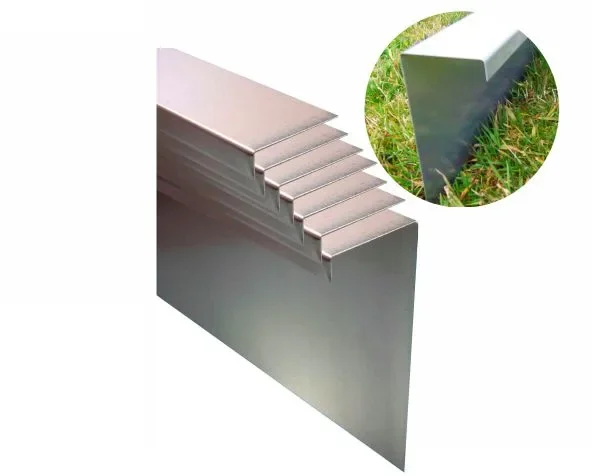
A slug fence made of metal is an almost insurmountable obstacle. The top edge is bent outward, preventing slugs from climbing over it.
Important note
A slug fence must be set into the ground without any gaps. Make sure it has firm contact with the soil and use special corners for a neat finish. Even small gaps can render the protection ineffective.
For rectangular beds, you need matching corner elements.
: This 90-degree outside corner completes your fence perfectly.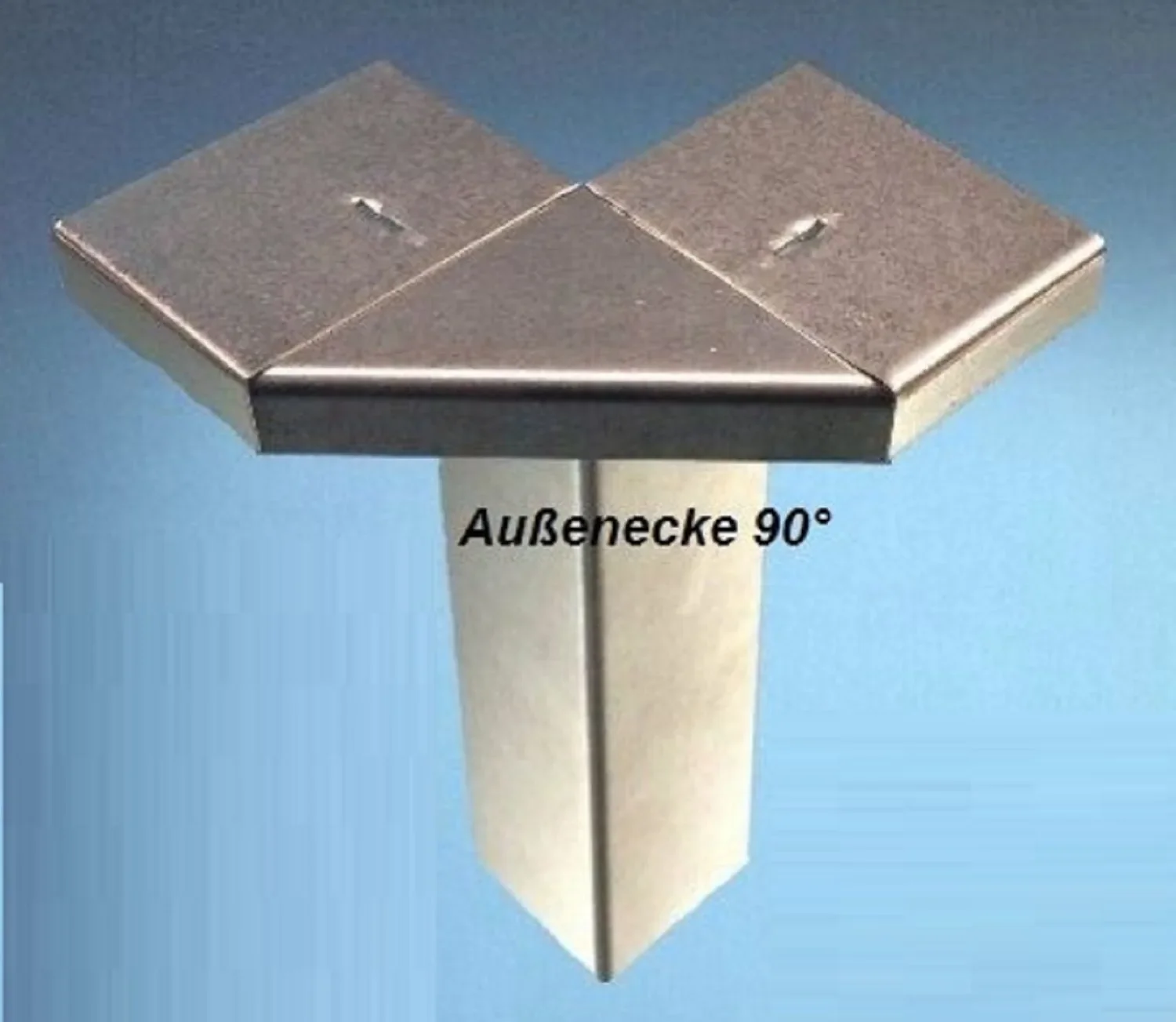
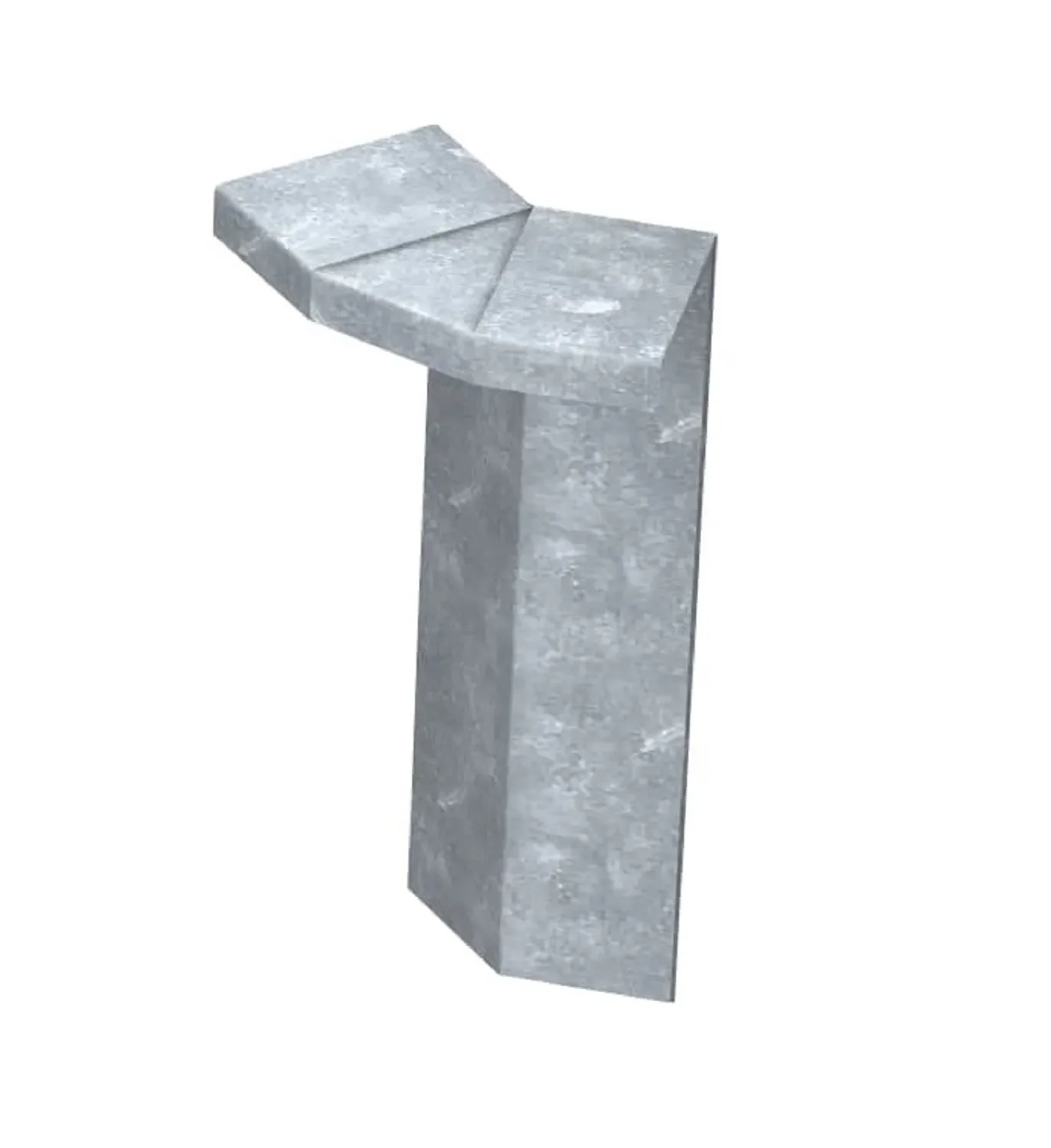
For larger areas or to protect pond plants from feeding damage, sturdy nets are ideal.
: The tear-resistant and UV-stable pond protection net covers 18 m². It keeps out not only slugs but also leaves.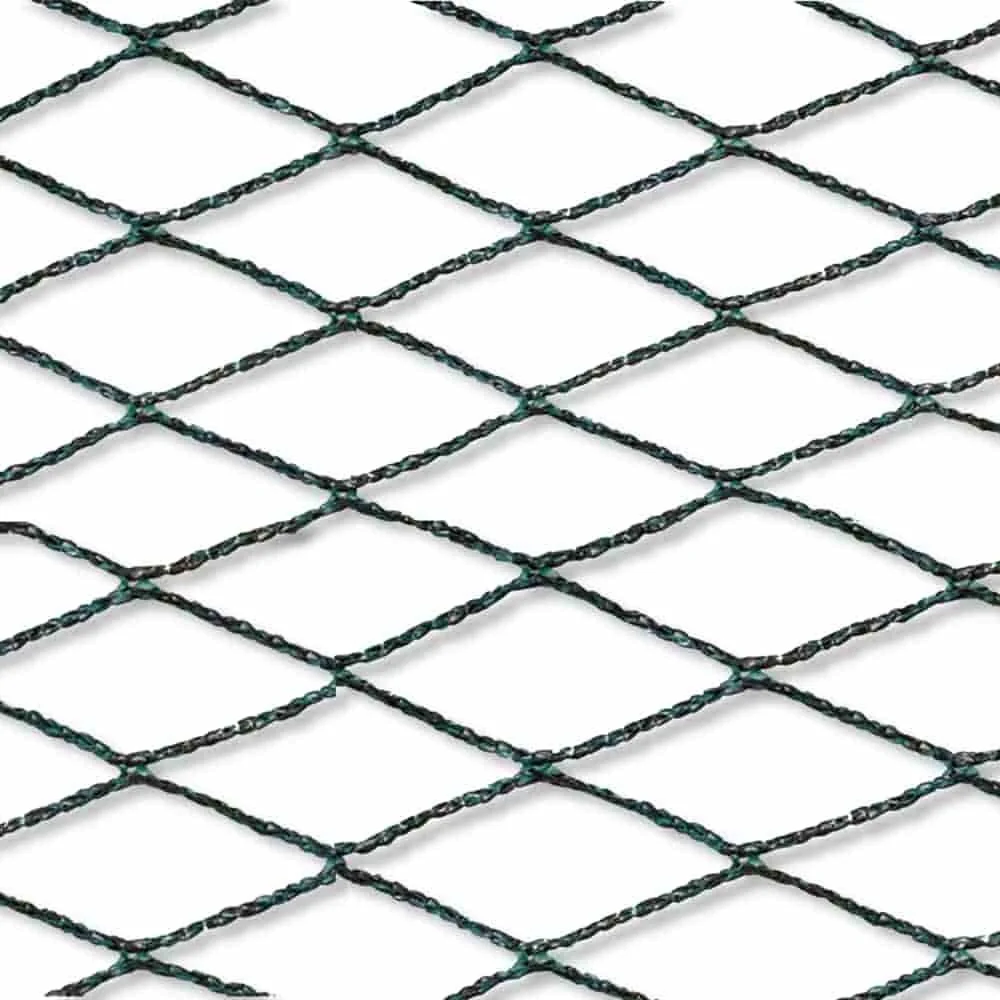
The optimal bed layout
Start with mechanical protection. Place a slug fence around your valuable raised bed or vegetable patch. Within this protected zone, put your repellent planting strategy into practice.
Plant the strongest-scented plants, such as lavender, directly along the inside edge of the fence. Behind them, plant rows of slug-resistant vegetables such as Swiss chard or onions. In the center of the bed, plant the slug-prone crops you want to grow, such as lettuce.
Additional advice
Keep the area immediately around your bed short and dry. Tall grass or layers of mulch nearby provide slugs with hiding places and moisture. A narrow strip of sand or gravel makes it even more difficult for them to approach.
Why does choosing the right plants also protect the soil?
Natural pest control does not end at the soil surface. Healthy, living soil supports beneficial insects such as ground beetles, which eat slug eggs.
Many repellent plants have deep root systems. They loosen the soil and improve its structure. Well-aerated, uncompacted soil dries out faster and is less attractive to slugs, which need moisture.
By avoiding chemical slug killers, you also protect the soil fauna. Find everything you need for soil care and fertilizing in our plant and flower fertilizer category.
Plants for shady, damp areas
Not every garden offers full sun for Mediterranean herbs. There are also solutions for damper, partially shaded corners.
- Fern species: Many native ferns are avoided by slugs.
- Sweet woodruff: Its distinctive scent has a deterrent effect.
- Blue-leaved hostas: Among hostas, blue-glaucous varieties with thicker leaves are less susceptible than thin-leaved yellow varieties.
What mistakes should I avoid in natural slug control?
Even the best strategy can be undermined by small mistakes. Keep these points in mind to ensure success.
Avoid planting repellent plants too sparsely. A single lavender plant only has a local effect. A dense, continuous row creates a solid scent barrier.
Water in the morning, not in the evening. This allows the soil surface to dry out before slugs become active in the evening. Moist soil and plants attract them like a magnet.
Remove wilted plant material and crop residues immediately. They not only provide hiding places but also offer an appealing alternative food source that initially lures slugs into your bed.
Discover more practical tools for comprehensive plant protection in our store.
Layered protection for lasting success
You will not win the battle against a slug infestation with a single measure, but with a clever system. The targeted selection of repellent plants is at its heart.
This creates a living, self-renewing form of protection that enriches rather than burdens your garden. Combine these green helpers with mechanical barriers such as slug fences from our range and an appropriate garden care routine.
That way, you can focus on the joy of gardening and enjoy the harvest from your healthy crop plants. A resilient garden is the best result of sustainable work.
Frequently asked questions
- Which plants reliably keep slugs away?
- Strongly scented herbs such as lavender, thyme, rosemary and sage are reliable deterrents. Slugs also tend to avoid mustard, nasturtiums and bitter lettuces such as endive or radicchio. These plants contain essential oils or bitter compounds that deter slugs and create a natural barrier.
- Does natural slug control work on its own?
- Plants used as barriers provide strong support, but they rarely offer 100% protection during a severe infestation. For this reason, combine them with physical barriers such as slug fences. A multi-layered strategy using slug-deterring plants, barriers and regular checks is most effective.
- Which vegetables are resistant to slug damage?
- Slugs avoid plants with hairy, tough or bitter leaves. These include Swiss chard, celery, fennel, onions, garlic and brassicas. Aromatic herbs such as parsley and chives are also less susceptible. Use these as border plants.
- How should I plant my bed to protect it from slugs?
- Surround your valuable vegetable bed with a dense row of slug-deterring plants such as thyme or mustard. Within the bed, mix slug-resistant vegetables with more vulnerable varieties to spread the feeding pressure. Keep the soil free of wilted leaves, which attract slugs.
- Can I use flowers to deter slugs?
- Yes, certain ornamental flowers are excellent allies. Marigolds (Tagetes) and geraniums act as deterrents. Foxglove and monkshood are highly poisonous and are strictly avoided. Plant them as a decorative protective ring around your patio or bed.
You may also be interested in
- Effective slug control: A garden without unwanted visitors
- Marigolds against slugs: The natural garden protection trick
- Nematodes against slugs: Do they work?
- Plants that deter wasps: Natural wasp protection
- Getting rid of voles: Plants as a natural deterrent
- Natural ant control: Plants and herbs for protection