
In brief: A plastic worktop consists of a substrate material laminated with a solid-colour or decorative plastic film. Its biggest advantage is that it is extremely easy to maintain and highly resistant to moisture and many household chemicals. It is also comparatively affordable to buy. Its drawbacks include lower heat resistance and a susceptibility to scratches. With a high-quality finish, it can be a solid choice for a functional and budget-friendly kitchen.
Table of contents
- What exactly is a plastic worktop?
- What advantages does the material offer?
- What are its drawbacks and limitations?
- How do I clean and care for my worktop properly?
- Who would benefit from buying one?
- Plastic in everyday use: practical applications
What exactly is a plastic worktop?
The term "plastic worktop" often causes confusion. It is not a solid plastic slab. Instead, it consists of a substrate board made from wood-based material such as MDF or chipboard. This is coated with a thin but durable plastic film.
This film is the key component. It may be solid-coloured or feature a high-resolution decorative finish. Popular designs imitate wood grain and stone textures, or offer plain, glossy or matt surfaces. The edges are usually sealed with a matching ABS edge or the same film.
The quality of a plastic worktop depends largely on the thickness and workmanship of the decorative layer. A high-quality, thick film is more resistant to impacts and abrasion than thin, budget alternatives.
What advantages does the material offer?
Its easy maintenance is its biggest selling point. The non-porous surface gives bacteria and dirt nowhere to take hold. Simply clean it with a damp cloth and a little mild cleaner. Food stains such as wine, coffee or oil do not penetrate the surface.
Plastic is resistant to moisture. Splashing water or a wet sponge is not a problem. This makes the worktop ideal for wet areas around the sink and hob. Many household chemicals, such as diluted acids or alkalis, also cause no damage.
The price is another advantage. Compared with natural stone, ceramic or high-quality composite materials, a plastic worktop is a very budget-friendly option. You also get a wide choice of designs, making attractive, high-end-looking solutions possible.
Pro tip
When viewing samples in a showroom, do not assess them by appearance alone. Try the "fingernail test": gently press your fingernail into a hidden edge. Do you feel strong resistance? This indicates a hard, more scratch-resistant top layer.
High hygiene standards and design variety
Its hygienic properties are comparable to those of glass or highly polished stone. The seamless surface and the option to fit sinks and hobs almost flush with the worktop minimise joints where dirt can collect. The design range extends from classic wood effects to modern metallic finishes.
What are its drawbacks and limitations?
Heat resistance is its biggest weakness. Direct contact with hot pans, baking trays or kettles can cause irreparable damage. Heat may melt the film, cause it to blister or loosen the adhesive underneath.
The surface is prone to scratches. Sharp objects such as the back of a knife or the rough base of ceramic pots can leave permanent marks. Even coarse cleaning pads can cause micro-scratches that make the surface look matt over time.
Important note
Never cut directly on the plastic surface! Even a sharp kitchen knife can cause deep cuts. These cannot be repaired and collect dirt. Always use a chopping board. You can also find good chopping boards in our category for workshop trolleys & material stands.
Heavy mechanical loads can cause damage. A heavy object falling onto the surface can dent the substrate material. The film itself offers only limited protection against such concentrated impacts.
Many customers underestimate the importance of the substrate board. A thin or poor-quality chipboard can swell at unprotected edges when exposed to moisture and permanently damage the surface.
How do I clean and care for my worktop properly?
Daily cleaning is simple. Wipe the surface with a soft, damp cloth and a little washing-up liquid or a neutral all-purpose cleaner. Then dry it with a cloth. This prevents limescale marks, especially in areas with hard water.
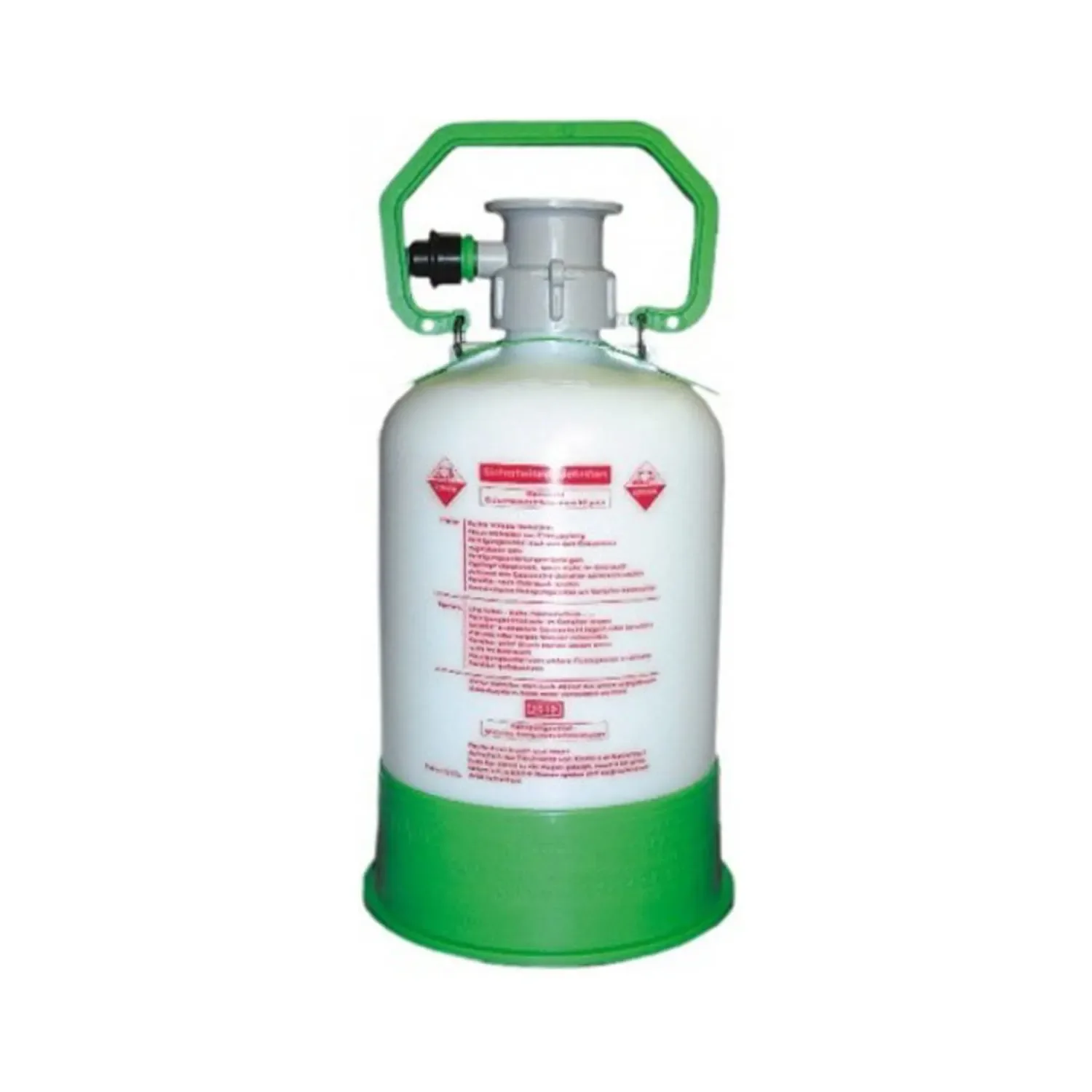
Avoid harsh cleaning products and tools. Abrasive cleaners, wire wool, sharp blades or chlorine-based cleaners will damage the surface. They make it matt and more vulnerable. For stubborn marks such as dried-on adhesive, use a plastic cleaner such as our or a specialist care product.
Additional advice
For a streak-free, shiny surface after cleaning, a microfibre cloth is ideal. On matt surfaces, special plastic care sprays can preserve the original look and create a light protective film.
Deal with spills immediately. Wipe up strongly staining liquids such as red wine or curry straight away. Even if the liquid does not penetrate, prolonged contact can damage the surface.
Special case: removing limescale and grease
Remove limescale around the tap or burnt-on grease beside the cooker with a mild vinegar cleaner or a specialist degreaser. Spray on the product, leave it to work briefly and wipe it off with plenty of water. Do not scrub forcefully.
Who would benefit from buying one?
Plastic worktops are an ideal choice for practical households that value easy maintenance and have a limited budget. They are particularly well suited to rental kitchens, where replacing the worktop later is straightforward, or to second kitchens in the basement.
Young families appreciate their resistance to colourful spills and moisture. They are also a good option for keen home cooks who work with fresh ingredients and need to clean the worktop frequently.
For anyone looking for a distinctive appearance without a large budget, this material offers a solution. Convincingly realistic oak, concrete or marble effects create a high-quality look. You can find more inspiration for matching accessories, such as sturdy material stands and storage solutions, in our range.
Plastic in Everyday Life: Practical Applications
The principle of plastic coating is not limited to kitchens. You will find similar materials in the garden and outdoors in easy-care furniture or functional structures. A good example is practical camping tables with an integrated worktop, such as our models and .
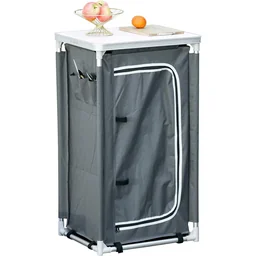
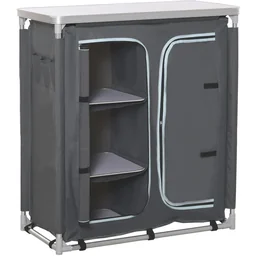
These mobile solutions highlight the strengths of plastic: it is easy to clean, somewhat weather-resistant and robust enough for everyday use. Plastic is also the dominant material in children's rooms and play kitchens, as you can see in our play kitchens category.
Plastic connectors and accessories are indispensable for DIY projects and hobbies. Whether for garden irrigation or workshop organization, plastic is the first choice here thanks to its resistance to moisture and chemicals.
Choosing a plastic worktop is a rational trade-off. You exchange maximum resistance to heat and scratches for minimal maintenance and an affordable price. With realistic use and by respecting its limitations, it will provide reliable service for many years. This allows you to create a kitchen that is functional while still looking great.
Frequently Asked Questions
- Can I place a hot pan straight from the stove onto a plastic worktop?
- No, you should avoid this. Plastic worktops are sensitive to heat. Temperatures above 60-80°C can cause irreversible damage, such as warping, blistering or discoloration of the decorative layer. Always use a heat-resistant trivet or hot plate for protection.
- How easily does a plastic worktop scratch?
- The surface is relatively soft and therefore prone to scratches. Sharp knife edges, rough pots or abrasive cleaning pads can quickly leave visible marks. Always cut on a chopping board and avoid dragging heavy objects across the worktop.
- Are all plastic worktops the same? What should I look for when buying?
- No, quality varies considerably. Look for a high-quality decorative layer and a stable core board, often MDF. The thickness of the worktop (at least 38 mm) and the quality of the edge finishing (rounded or sealed with an ABS edge) are crucial for durability and appearance.
- Which cleaning products can damage the plastic surface?
- Aggressive scouring agents, abrasive sponges, chlorine-based cleaners and strong alkaline or acidic products (e.g. limescale remover) can dull or damage the surface. Use mild all-purpose cleaners, pH-neutral soap or a specialist plastic care product. Dry the surface after cleaning.
- Can I use a plastic worktop outdoors, for example for an outdoor kitchen?
- This is not recommended. Most plastic worktops designed for indoor use are not UV-resistant and will fade in direct sunlight. Strong temperature fluctuations and constant exposure to the elements can also cause damage. For outdoor use, it is better to choose specialist weather-resistant materials.
You might also be interested in
- Plastic Wall Panels: Modern and Easy to Maintain
- How to Care for Plastic Lawn Edging: Tips for Long-Lasting Use
- How to Care for Rubber and Plastic Properly: Extend Their Service Life
- Plastic vs. Metal Lawn Edging: The Ultimate Comparison
- Painting a Kitchen Worktop: The Easy Way to Achieve a New Look
- How to Care for uPVC Windows: Extend Their Service Life