
In brief: Polyurethane (PU) is an extremely versatile plastic for your home. As rigid foam, it is used for highly efficient thermal insulation in roofs and walls. In flexible form, you will find it in mattresses and furniture. PU paints and foams also provide durable surfaces and reliably seal gaps.
What exactly is polyurethane?
You sit on it, sleep on it, and it helps keep your home warm. Polyurethane, or PU or PUR for short, is a plastic with a thousand faces. It is created through a chemical reaction between two liquid components, polyol and isocyanate. The result is a polymer whose properties can be precisely controlled by choosing the starting materials.
This makes polyurethane incredibly versatile. It can be rock-hard and rigid, but also soft and elastic. It can be produced as a solid block, a fine-pored foam or a liquid coating. This adaptability is why PU plays a key role in so many areas of your home, often without you noticing it directly.
Why is polyurethane so effective as an insulation material?
One of the most important uses of polyurethane in construction is thermal insulation. Few other insulating materials offer such high performance at the same thickness. This is due to its closed-cell structure, which is filled with a gas that conducts heat poorly. The result is excellent insulation that reduces your heating costs and increases living comfort.
Rigid foam: The insulation champion
Polyurethane rigid foam boards are the first choice when you need maximum insulation with minimal space. Their thermal conductivity is extremely low. This means that even thin boards are sufficient to meet the strict requirements of the German Building Energy Act (GEG). You therefore save valuable living space.
These insulation boards are also highly pressure-resistant, lightweight and resistant to moisture. They are ideal for insulating flat roofs, pitched roofs (above-rafter insulation), façades and basement ceilings. The boards absorb virtually no water and retain their insulating performance for decades.
Additional advice
When choosing insulation boards, pay attention to the thermal conductivity rating (WLS). The lower the value (e.g. WLS 023), the better the material's insulating performance. Polyurethane rigid foam achieves outstanding values in this respect.
Flexible foam: Comfort and sound insulation
You encounter the flexible version of PU foam every day in your living room or bedroom. As flexible foam, it forms the core of upholstered furniture, sofa cushions and high-quality mattresses. Its open-cell structure makes it breathable, elastic and durable. It adapts perfectly to the body and provides a high level of comfort.
But flexible foam can do more than just provide comfort. Thanks to its structure, it effectively absorbs sound waves. That is why it is also used for sound insulation, for example in partition walls or as an underlay for floor coverings to reduce impact noise.
PU foam: The helper for installation and sealing
For DIY enthusiasts, polyurethane is best known in the form of expanding foam in a can. This installation foam is an indispensable aid when fitting windows and doors or filling cavities. It expands after application, fills gaps completely and cures into a solid, insulating material.
How to use installation foam (expanding foam) correctly
Correct application of expanding foam is essential for a perfect result. First, clean the surface to remove dust and grease. Then lightly dampen the surfaces with a spray bottle. The water acts as a reaction partner and ensures that the foam cures evenly.
Shake the can vigorously for about 30 seconds. Hold the can upside down and fill the gap only to about one-third to one-half. The foam will expand significantly. Once it has fully cured, simply cut away any excess material with a sharp knife.
Professional tip
Use a foam gun for larger projects. It enables much more precise dosing of the foam. Partially used cans can remain attached to the gun and be used again later, saving material.
Sealing and filling gaps
PU foam does more than seal—it also insulates. It creates an airtight connection between building components, for example between a window frame and masonry. This prevents drafts and reduces energy loss. It is also ideal for insulating heating pipes where they pass through walls. It surrounds the pipe perfectly and prevents thermal bridging.
A permanently airtight building envelope is essential for minimising heat loss and preventing moisture-related structural damage. Polyurethane foams make a crucial contribution by reliably and permanently sealing complex connection joints.
Other applications of polyurethane in the home
The versatility of PU extends far beyond insulation and expanding foam. This material has proven itself in many other areas where strength and durability are important.
Paints, adhesives and coatings
Polyurethane paints, also known as DD varnishes, create extremely hard-wearing, durable surfaces. They seal parquet floors and protect them from scratches and wear. They also provide a long-lasting protective layer on furniture, stairs and boats. PU-based adhesives, meanwhile, are known for their exceptional bonding strength and water resistance.
Furniture, mattresses and textiles
As mentioned above, flexible foam is indispensable in modern furniture and mattress production. Polyurethane is also often found in textiles. Elastane fibres (Spandex), which provide stretch in sportswear, are made from polyurethane. Faux leather and waterproof coatings for outdoor jackets are also produced from it. The non-slip backing on many carpets is likewise made from PU, highlighting the importance of good carpet materials.
Durable components and moulded parts
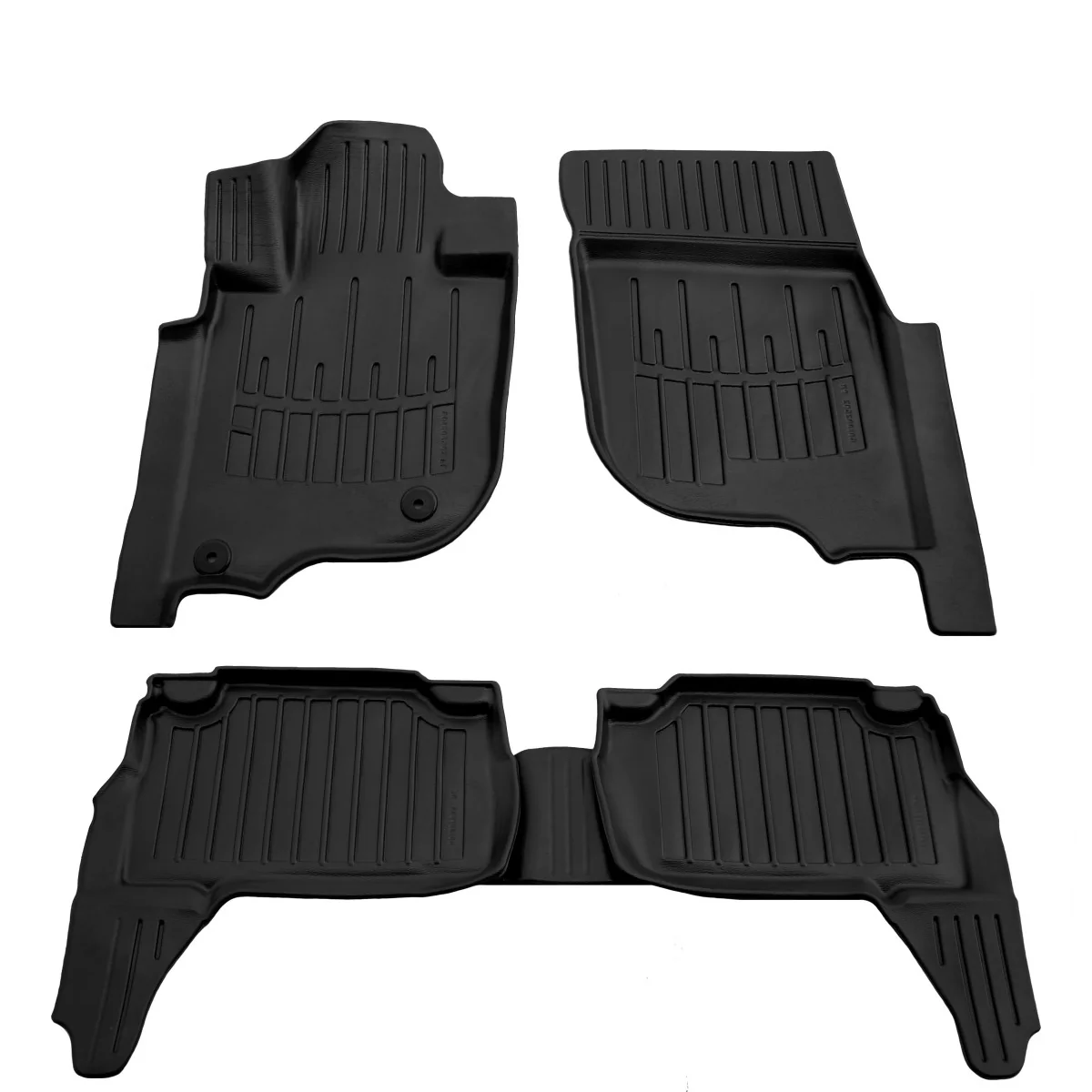
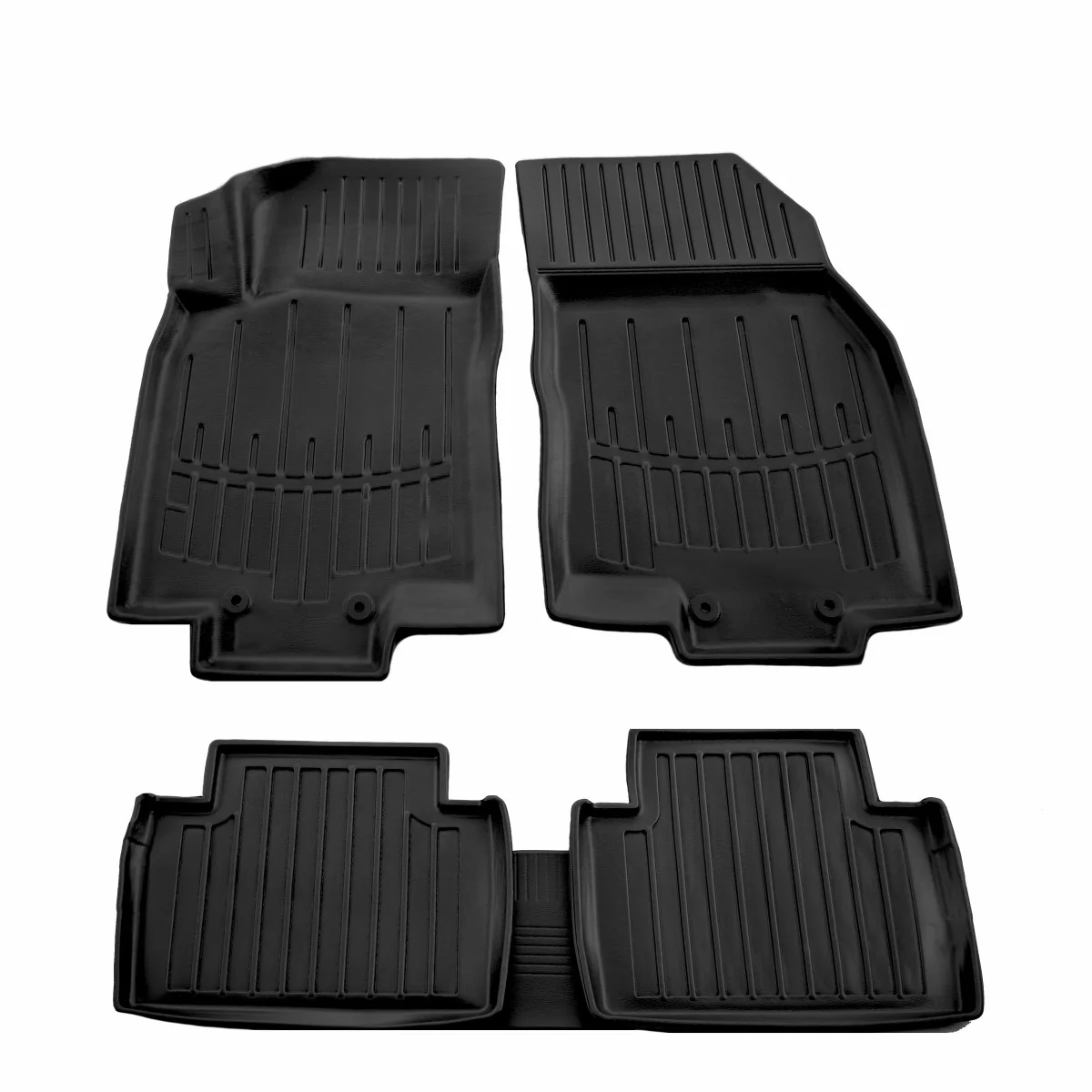
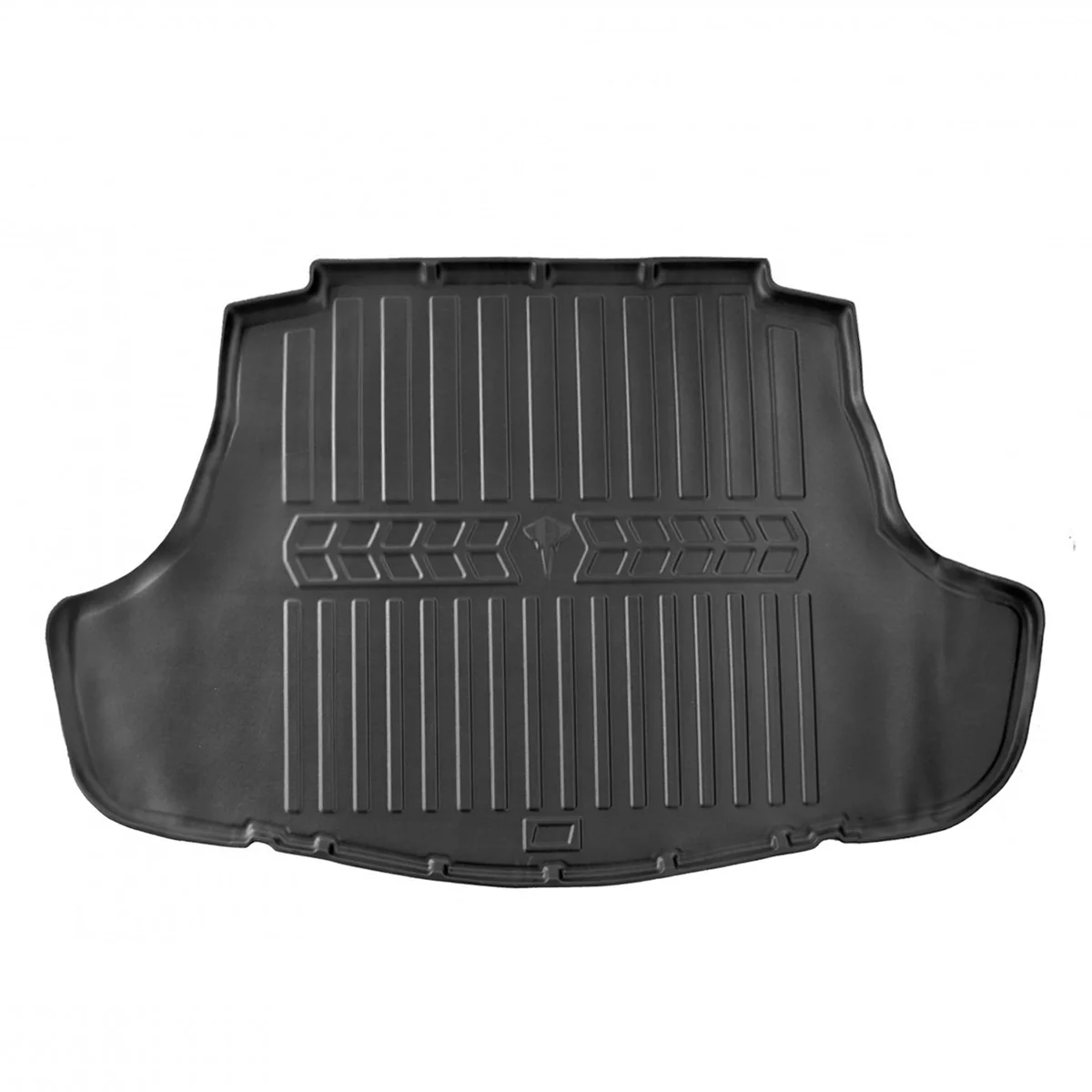
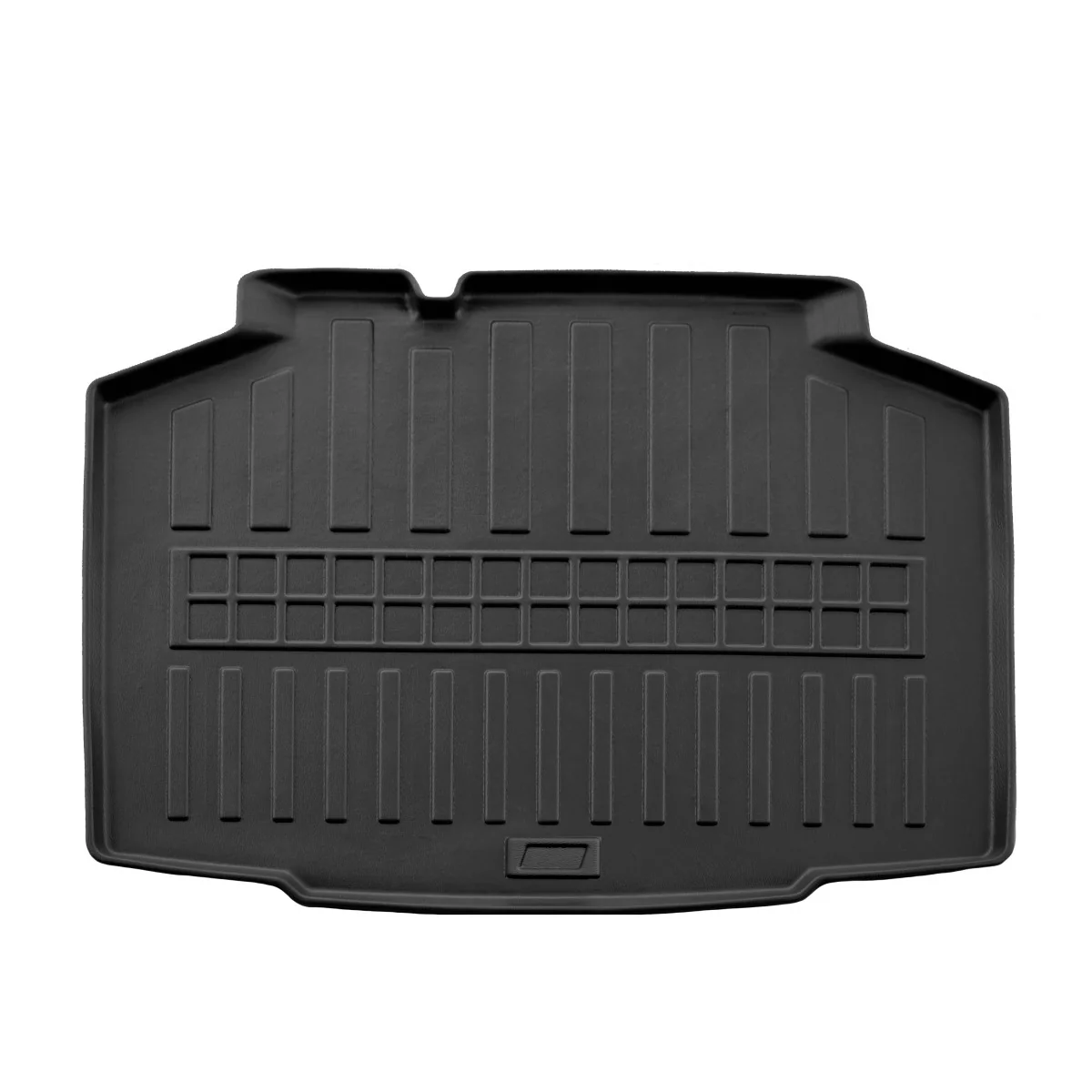
Thanks to its strength and flexibility, rigid polyurethane is used for a wide range of components. Lightweight decorative mouldings and stucco-style rosettes are often made from PU. The material is also indispensable in the automotive industry. Dashboards, steering wheels and durable car mats are made from polyurethane because it is abrasion-resistant and long-lasting.
Custom-fit boot liners and polyurethane rubber car mats reliably protect the vehicle interior from dirt and moisture. They are flexible yet extremely hard-wearing and easy to clean.
How environmentally friendly is polyurethane?
The sustainability of a plastic such as polyurethane needs to be considered in context. Its manufacture is based on crude oil, which is initially resource-intensive. However, PU's greatest environmental advantage lies in its use phase: as an insulation material, it saves many times more energy over its service life than is required to manufacture it.
A well-insulated house significantly reduces heating requirements and therefore lowers CO2 emissions over decades. Modern PU foams are also free from CFCs and other ozone-depleting blowing agents. The material's long service life avoids frequent replacement and therefore saves resources as well. The disposal and recycling of PU materials are continuously being improved to further close the material loop.
The energy payback period of polyurethane insulation materials is extremely short. Often, an insulation material has already saved more energy after the first heating season than was used for its entire manufacture, transport and installation.
Safety instructions for using PU products
Safe handling of polyurethane products is essential for every DIYer. When working with liquid 2-component systems or PU expanding foam in a can, in particular, you must protect yourself. These products contain isocyanates, which are released during curing.
Important note
Uncured PU foam and its vapours can irritate the respiratory tract, eyes and skin. Always wear safety goggles and chemical-resistant gloves when using it. Ensure very good ventilation in the work area or work outdoors.
Always read the technical data sheet and the manufacturer's safety instructions before use. Once polyurethane has fully cured, it is chemically stable and harmless to health. Fresh foam residue is classified as hazardous waste, while fully cured foam can be disposed of with normal household waste.
Frequently asked questions
- Is PU foam waterproof?
- Cured, closed-cell polyurethane rigid foam is water-repellent, but not permanently waterproof against hydrostatic pressure. For applications in basements or on foundations, you should use specialised waterproofing systems. PU foam is excellent for filling cavities, but it is no substitute for professional building waterproofing.
- Can polyurethane insulation boards be painted?
- Yes, PU insulation boards can be painted, but they must be prepared first. The surface should be clean, dry and free of grease. A primer suitable for plastics improves paint adhesion. Then use a vapour-permeable exterior or interior paint, depending on where the boards are being used.
- How do you remove fresh PU foam?
- Remove fresh, uncured PU foam immediately with a special PU foam cleaner. These cleaners contain solvents that dissolve the foam. Wear gloves when using them. Never use water, as it accelerates the foam's curing and makes removal more difficult.
- What is the difference between 1K and 2K PU foam?
- 1K PU foam (single-component foam) cures through a reaction with ambient moisture. 2K PU foam (two-component foam) contains a hardener that is activated before use. 2K foam cures faster and more consistently and reaches a higher final strength, regardless of the humidity.
- Is polyurethane harmful to your health?
- Isocyanates can be released while liquid PU components are being processed, and these can irritate the respiratory tract. You should therefore wear protective equipment. Once fully cured, polyurethane is chemically stable, no longer reactive and considered safe for health with low emissions.
You may also be interested in
- Insulating with Foam Materials: Effective Insulation for Your Home
- PU Foam: The Best Insulation for Balconies
- Acrylic Glass at Home: The Versatile Plastic for Your DIY Projects
- Cork Insulation: Sustainable and Effective for Your Home
- Insulation Materials at a Glance: Efficient Building and Renovation
- Which Insulation Material Is Best for Home Insulation?