
In brief: Plants survive winter through careful preparation and the right frost protection. The key is to distinguish between hardy and frost-sensitive plants. Protect roots with a thick layer of mulch made from leaves or bark mulch. Cover the above-ground parts of shrubs and perennials with garden fleece, jute or brushwood. Move container plants to a sheltered, cool and bright place such as a garage or conservatory.
Protect Plants from Frost: Help Them Survive Winter
Winter is a test for every garden. While some plants survive low temperatures unharmed, others need your support. Successful overwintering begins with correctly assessing your plants and ends with the right protective measures.
We show you practical methods for safely getting your perennials, woody plants and container plants through the cold season. From simple household remedies to practical aids from the garden center.
Which Plants Actually Need Frost Protection?
Not every plant in your flower bed requires the same level of care. The first and most important rule is to know the hardiness of your plants. Hardy native perennials and woody plants usually manage without help.
Temperatures below -10 degrees Celsius, late frosts in spring, and the combination of frost and winter sun can cause problems. Evergreen plants, newly planted specimens, Mediterranean herbs and all plants in containers are particularly at risk.
Expert tip
Check the hardiness zone (USDA zone) of your plants. This indicates the lowest temperature a species can survive. Compare this value with the average sub-zero temperatures in your region. This tells you exactly which plants need protection.
The Top Candidates for Extra Protection
Roses, especially standard roses and hybrid tea roses, are susceptible to frost damage at the graft union. Hydrangeas, particularly the popular bigleaf hydrangeas, form their flower buds the previous year. If these buds freeze, the plant will not flower.
Olive trees, citrus plants, palms and all Mediterranean container plants tolerate only light frost. Bamboo and cherry laurel suffer from frost desiccation when winter sun shines on frozen leaves.
How Do I Protect My Plants' Roots?
The most important part of a plant is its roots. If they freeze, the plant has no chance of survival. Protection therefore starts at ground level. An insulating layer keeps frost away from the roots and reduces temperature fluctuations.
Hilling up soil around roses is a traditional and highly effective method. Simply mound loose garden soil or compost around the base of the plant to a height of about 15 to 20 centimeters. This protects the sensitive graft union.
“A thick layer of mulch made from leaves or bark mulch acts like a warm blanket for the soil. It prevents the ground from freezing deeply and protects the sensitive root system. It is important that the material lies loosely and does not become compacted.”
For perennial beds and around woody plants, use a layer of mulch made from leaves, bark humus or straw. Use healthy, dry leaves from beech or oak trees. Avoid diseased leaves from fruit trees.
Our range includes practical winter protection aids, such as special garden fleece, which can also be used as a base layer under mulch.
Special Case: Container Plants' Root Balls Freeze Quickly
In containers, plants are exposed to frost from all sides. The limited volume of soil freezes much faster than garden soil. Therefore, insulate the pot. Wrap bubble wrap, jute sacks or special coconut mats around the container.
Place the wrapped container on a wooden pallet or Styrofoam board. This prevents cold from the ground. Wrapping the pot is often more important than protecting the crown.
Which materials are suitable for above-ground protection?
Choosing the right material determines whether your efforts succeed or fail. It must provide insulation while also being breathable. Never use plastic sheeting that does not allow air to circulate.
Sunlight creates a greenhouse effect beneath the sheeting, causing the plant to sweat and sprout prematurely. The new shoots then freeze at night. Condensation also encourages fungal growth.
Important note
Never use airtight plastic sheeting from a DIY store! It causes heat build-up, mould and rot. Suitable materials include fleece, jute, reed mats or perforated film. These materials are breathable and create a healthy microclimate.
Garden fleece is a classic choice. It is lightweight, allows air and light to pass through, and reliably protects against light to moderate frosts. Wrap it loosely around delicate shrubs or lay it over perennial plants.
For a structured and very natural cover, fir or spruce branches are ideal. Simply push the cut ends into the soil around the plant. This protects against wind and severe frost while still allowing air to circulate.
Practical products for effective protection
Special frost protection covers offer standardised and simple solutions. The
is a ready-made fleece plant cover that you simply place over the plant.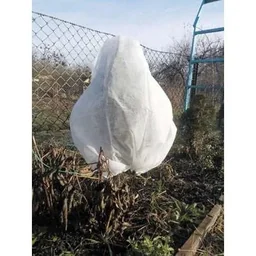
For larger plants or entire sections of a bed, a polytunnel is ideal. The
provides 3 x 2 m of space for delicate winter vegetables or a protected area for potted plants. The green film filters the light.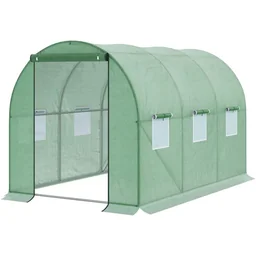
“The biggest mistake is covering plants too early in autumn and removing the covers too late in spring. Plants need to harden off. Only cover them during prolonged, severe frost. Remove the protection covers in good time in spring, as soon as the worst frosts are over, otherwise the plants will rot underneath.”
An alternative is this
, a sturdy greenhouse made from a steel tube frame and film. It creates a controlled microclimate and is perfect for overwintering numerous potted plants together or growing hardy lettuce.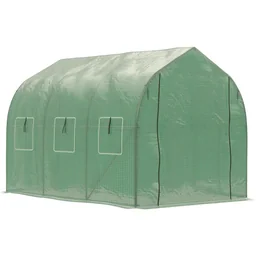
How do I overwinter potted plants correctly?
Potted plants require the most strategic planning. The best method is to keep them frost-free but cool and bright. Ideal locations include a cold conservatory, an unheated greenhouse, a bright basement or a garage with windows.
There, they survive the winter in a kind of dormant phase. Water very sparingly, just enough to prevent the root ball from drying out completely. Do not fertilise at all.
For large pots that you cannot move, outdoor protection is the only option. Wrap the pot and plant as described above. Place them against a sheltered wall of the house, where they are protected from rain and easterly winds.
Additional advice
Check your stored potted plants regularly for pests such as spider mites or scale insects. Dry indoor air encourages infestations. Ventilate on mild days and remove fallen leaves to prevent rot.
If you do not have a bright indoor space, a larger shelter is a good option. This
measuring 4 x 2 m provides plenty of space and, thanks to its steel tube construction, stability against snow loads.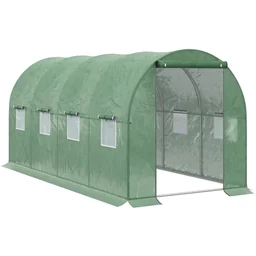
The right time for everything
Do not act too early. Let your plants experience the first light frosts in autumn. This stops growth and encourages the shoots to mature. Only cover sensitive species when temperatures remain below -5 degrees Celsius.
In spring, timing is important. Remove the protection covers on a cloudy, mild day. Sudden sunshine after the dark winter period can cause sunburn on the leaves. Gradually acclimatise the plants to the light.
What else can be dangerous for plants in winter besides frost?
Frost is not the only threat. The combination of winter sun and frozen soil is deadly for evergreen plants. They lose water through their leaves but cannot draw up more from the frozen ground.
The result is frost desiccation, which causes brown, dried-out leaves. Protect these plants from the direct midday sun with shade netting or fleece.
Excess moisture is another problem. Waterlogged soil combined with frost causes root cells to burst. Make sure sensitive plants such as lavender and Mediterranean herbs have dry roots in winter. A drainage layer in the planting hole or container is essential.
Do not forget the animals in your garden either. At a specialist bird food retailer, you can find suitable bird seed to help birds through the winter. They will repay you by eating pests in the following year.
Winter care: watering and checking
Winter dormancy does not mean you can forget about your plants. On frost-free days, check evergreen plants and container plants and water them as needed. Use lukewarm water and water in the morning.
Check protective covers and ties to make sure they are secure. Storms can blow fleece away. Remove heavy snow from evergreen hedges and conifers to prevent the branches from breaking.
With these practical measures, you give your garden a real chance of survival. The work you do in autumn will reward you in spring with healthy, vigorous plants that start growing again quickly. Find the right materials for your needs, for example in our plant accessories category.
Remember: every garden is different. Keep an eye on the areas most vulnerable to frost and learn from each winter. This will help you develop your own perfect overwintering strategy.
Frequently Asked Questions
- At what temperature do plants need frost protection?
- The critical threshold is often around -5 degrees Celsius. Many hardy plants can tolerate light overnight frosts down to 0 degrees. If temperatures remain below freezing or severe frosts occur, protection is necessary. Late frosts in spring are particularly dangerous when plants have already started to grow.
- Can I use regular bubble wrap to wrap plants?
- Bubble wrap is not recommended. It is not breathable and can cause heat to build up in sunlight, which may scorch the plant. Condensation can also collect and encourage fungal diseases. It is better to use special garden fleece or jute, which allow air to circulate and create a healthy microclimate.
- When is the right time to prepare plants for winter?
- Start preparing in late autumn, before the first severe frost arrives. The ideal time is after the leaves have fallen, usually from late October to November. Do not wait until the ground has frozen permanently. Earth up roses or mulch the root area when the soil is dry to prevent rot.
- Do I need to water plants in winter?
- Yes, controlled watering is important on frost-free days. Evergreen plants still lose water through their leaves in winter but cannot draw up any moisture from frozen soil. Drought stress is a common cause of plants dying in winter. Water moderately on a mild day so the soil does not freeze and the roots can absorb moisture.
- How do I protect young trees from frost and wildlife?
- To protect young tree bark from frost cracks and damage caused by browsing wildlife, use white tree paint or special plastic tree guards. The paint reflects the winter sun and prevents stress cracks. To protect against browsing, use a close-mesh wire guard or a reed mat tied around the trunk.