
In brief: Prune your mirabelle plum tree to form a stable crown, increase yields and keep the wood young. The best time is late winter in frost-free weather. Use sharp pruning shears for thin branches and a pruning saw for thicker branches. Remove branches that are too close together, growing inward or dead.
Why you need to prune your mirabelle plum tree
An unpruned mirabelle plum tree quickly grows tall and wide. The fruit becomes smaller because the tree distributes its energy among too many shoots. Pruning brings light and air into the crown.
It helps prevent diseases such as brown rot and powdery mildew. It directs the tree's energy into growing fresh, fruit-bearing wood. Targeted tree pruning is the foundation for a plentiful harvest.
Many home gardeners are wary of pruning. With the right knowledge, however, it is easy. Here, you will learn the basics of training and rejuvenation pruning.
The right equipment for the perfect cut
Poor-quality tools crush branches and leave wounds that heal badly. Sharp blades, on the other hand, make clean cuts. This is the best way to prevent rot.
Use sharp pruning shears for thin shoots and one-year-old wood. A good model is the
. Its bypass blade makes clean cuts and is ideal for precise fruit tree pruning.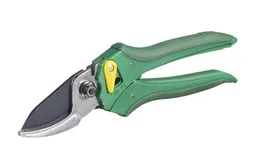
Expert tip
Sharpen your pruning shears regularly with a sharpening stone. Blunt shears require more force and damage the wood. Also check the tension mechanism.
For thicker branches from around three centimeters in diameter, use a saw. A folding saw like the is handy and cuts cleanly on the pull stroke. A traditional bow saw from our range of garden tools is suitable for very thick branches.
Do not forget your own safety. Wear sturdy work gloves and safety glasses, especially when sawing overhead. A stable step ladder will give you the necessary footing.
The best time: when to reach for your shears
The timing affects how the tree responds. Traditional winter pruning takes place during dormancy, from January to early March. The tree then bleeds very little, and the wound dries before bud break.
Never prune in frost below minus five degrees. The wood is then brittle. Choose a dry day to minimize the spread of fungal spores.
Important note
Avoid major pruning in autumn. The wounds do not have enough time to develop a defense response (callus formation) before winter. This significantly increases the risk of frost damage and rot at the cut surfaces.
Summer pruning is used to calm the tree. It slows the growth of trees that are growing too vigorously. Remove unwanted water sprouts directly at the base in June or July. This directs energy into fruit production.
Winter pruning encourages growth, while summer pruning slows it down. Use this effect to keep your tree in balance.
How do you train a young mirabelle plum tree?
The first few years lay the foundation. The aim is a stable, open and easy-to-harvest crown. The pyramid crown (central leader with scaffold branches) has proved effective.
After planting, shorten the central leader by about one third. Select three to four strong lateral branches that are evenly distributed around the trunk and have as narrow an angle as possible. These are your scaffold branches.
Also shorten these scaffold branches by one third to an outward-facing bud. Remove all other shoots completely, especially competing shoots near the top. Repeat this training over the next two to three years.
Products such as a high-quality tree pruning set help with caring for young trees. Make sure every cut is clean.
Thinning a mature tree
Once the crown has been established, the focus is on maintenance. Annual thinning keeps the crown open to light and air. This is the most important measure for healthy fruit.
Start by removing all deadwood. Cut out branches that grow inward or vertically upwards (water sprouts). Remove branches that cross or rub against each other.
Thin out fruiting branches that are too close together. As a rule of thumb, leave about a hand's width of space between fruit-bearing branches. This allows the mirabelles to ripen evenly and lets you reach all the fruit at harvest time.
Additional advice
Use pruning to limit the tree's height as well. Shorten the central leader to a weaker lateral branch growing to the side. This allows you to harvest your mirabelles comfortably from the ground or a short ladder.
Do not put the prunings on the compost heap. It is best to shred larger branches. You can use finer twigs as mulch beneath the tree. Tools such as good pruning shears can be found in our garden tools category.
Rejuvenating an old mirabelle plum tree
A tree that has not been pruned for decades only bears fruit at the outer tips. The inside becomes bare. Rejuvenation pruning can bring this tree back.
Proceed carefully. Spread the work over two to three years. In the first year, completely remove one or two of the thickest, oldest and most poorly positioned main branches.
Cut them back to a vigorous, younger lateral branch (a reduction cut). This branch takes over as the new leader. Shorten other excessively long branches back to lower-growing side branches.
Cutting stone fruit such as mirabelles right back to the base is risky. The large wounds heal poorly and the tree produces uncontrolled growth. Gentle rejuvenation over several years is the safer approach.
In the second and third years, repeat the process with more old branches. After rejuvenation pruning, fertilize the tree moderately with a balanced fruit tree fertilizer from the fertilizers category.
The most common mistakes and how to avoid them
The biggest mistake is avoiding pruning out of fear. Another typical mistake is leaving stubs. Always cut back to an outward-facing lateral branch or bud (to the branch collar or a short spur).
Do not leave a stub, as it will die back and become an entry point for fungi. Do not use wound sealant. It often prevents natural wound healing and creates a damp environment for fungi beneath the coating.
Do not prune in wet weather. Disinfect your tools, especially if you have been working on a diseased tree. Sharp shears and a sharp saw are essential for this. is a sturdy pruning saw for such jobs.
Trust your observations. Every tree responds slightly differently. Make a note in a garden journal of how your mirabelle plum tree responded to pruning. This way, you will learn more each year.
Care after pruning for strong growth
Pruning creates a wound. Help the tree recover. After heavy renovation pruning, apply a thin layer of mature compost around the root zone.
Water the tree deeply during dry spring and summer months. A consistent water supply is important now. Tools for garden watering make the job easier.
Keep an eye on the pruning cuts throughout the summer. If healthy callus (wound tissue) forms, the cut was made correctly. If sunken or damp areas appear, you may need to prune the area again.
With the right tool care, you will be ready for the next season. Clean and oil your secateurs and saw after use. Store them in a dry place.
A healthy, well-pruned mirabelle plum tree will reward you with sweet fruit and an attractive shape in the garden. The effort is worthwhile every year.
Frequently asked questions
- When is the best time to prune a mirabelle plum tree?
- The ideal time for the main pruning is late winter, from February to early March, before new growth begins. Choose a dry, frost-free day. Summer pruning or formative pruning is possible for vigorous young trees to remove water shoots.
- How hard can I cut back an old mirabelle plum tree?
- Renovate a neglected mirabelle plum tree over two to three years. Each year, cut no more than one third of the old main branches back to a young side shoot pointing outwards. This helps prevent excessive stress growth.
- What tools do I need to prune a mirabelle plum tree?
- Basic equipment: sharp bypass secateurs for shoots up to 2 cm. For thicker branches, you need a folding saw or a bow saw with set teeth. Always wear protective gloves from the garden tools range.
- Why does my mirabelle plum tree produce lots of fruit only every other year?
- This alternate bearing can be prevented with regular thinning cuts. After harvesting or in late winter, remove some of the one-year-old fruiting shoots. This helps regulate flower formation more evenly and relieves the tree, allowing it to build up energy for new buds every year.
- How do I train a young mirabelle plum tree into a crown?
- Choose three to four strong, evenly spaced main branches in the lower trunk area. Shorten them by about one third to an outward-facing bud. Remove competing shoots from the central leader and all branches below the desired crown height.
You may also be interested in
- How to prune trees correctly: Promote healthy trees with the right cuts
- When to prune branches: A seasonal guide for your trees
- Summer pruning apple trees: How to prune correctly in June
- Pruning trees and shrubs: The ultimate guide for beginners
- How to prune roses correctly: A guide to beautiful blooms
- Pruning houseplants: For strong growth and shape