
In brief: For a dense privet hedge, prune twice a year: do the main pruning in late June, then give it a light trim in August. Shape the hedge like a trapezoid, with the base wider than the top. This lets light reach the lower sections. Use sharp, clean tools from our garden tools range. Prune young hedges more heavily to encourage branching from the base.
Pruning Privet Hedges for Maximum Density
A dense, solid privet hedge comes from consistent care and the right pruning technique. Privet grows quickly and can tolerate even rough pruning. Still, following a clear plan will give you the best results. This article covers the basics of hedge pruning, the right shape, and the best tools for the job.
Remember your equipment. Protect the ground beneath the hedge while pruning with a sturdy tarp, such as the
. It catches the clippings and makes cleanup easier.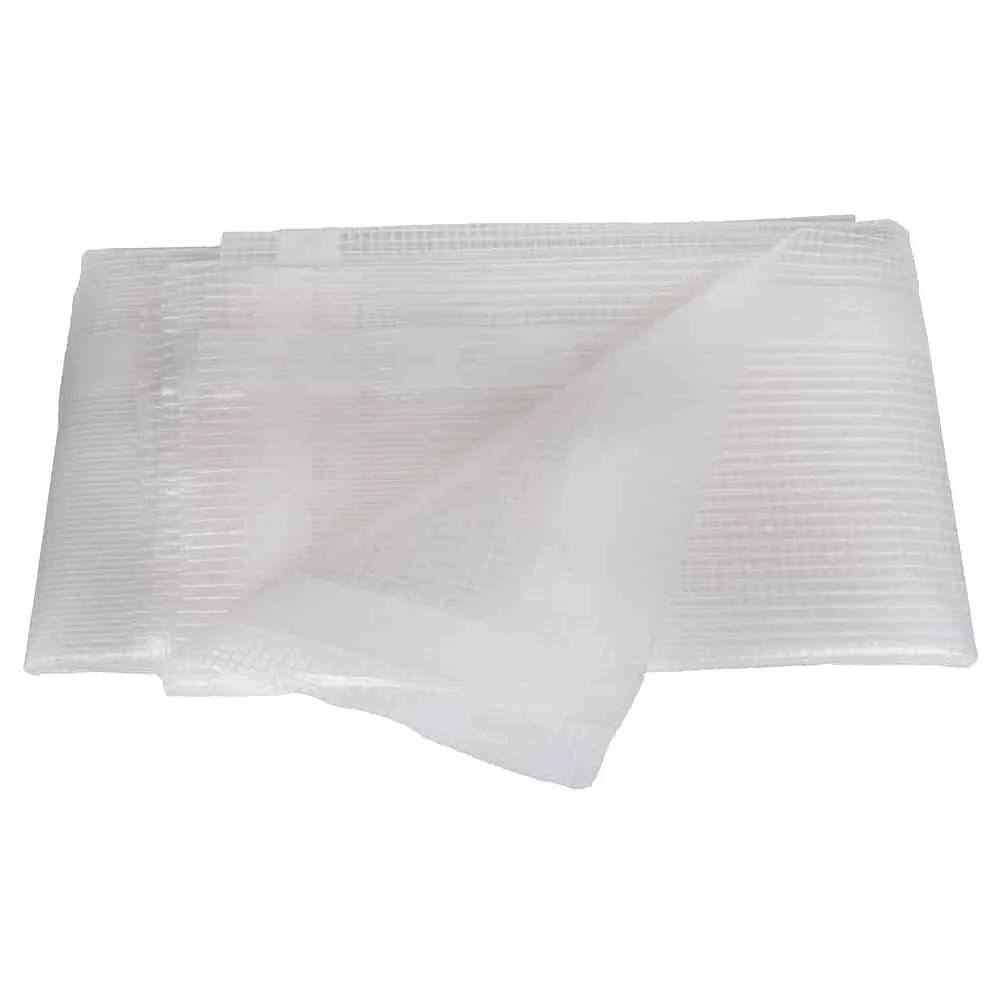
Understanding How Privet Grows
Privet (Ligustrum) responds to pruning with especially vigorous, bushy growth. Each cut at the tip of a shoot limits its growth in length and encourages new side shoots. Use this effect to build a compact structure from the start.
If you prune too infrequently, the hedge becomes bare inside. Leaves and shoots form only at the outer edges. Regular, careful pruning encourages the plant to activate new buds inside the hedge, too.
Pruning is the most important way to shape and care for a hedge. With privet, the more often and earlier you prune in the first few years, the denser and more stable your green screen will become.
When Is the Best Time to Prune a Privet Hedge?
Timing is essential for good results and bird protection. Schedule two main pruning dates in your garden calendar.
The Main Pruning in Early Summer
At the end of June, after the first strong growth phase and flowering, do the most important pruning of the year. By then, the hedge has put on plenty of new growth. Cut it back to the desired shape and height. By this point, most birds have finished nesting.
Important note
Always check the hedge for active bird nests before pruning. Under the Federal Nature Conservation Act, heavy pruning is prohibited from 1 March to 30 September to protect nesting animals. Light maintenance pruning to keep the hedge in shape is allowed, but do it carefully and only where there are no nests.
The Late-Summer Trim
A second, light trim in August evens out the latest summer growth. This keeps the hedge looking neat and prepares it for winter. Avoid cutting deep into the wood at this time, as that could encourage new shoots that won't have enough time to mature before frost.
For outdoor projects, find practical accessories in our garden equipment category.
How Do You Shape a Privet Hedge Correctly?
The hedge's shape determines how light reaches it and affects its long-term health. A trapezoid is ideal for a hedge that provides dense cover from top to bottom.
The Trapezoid Shape: Why It Is Essential
Shape the hedge so the base is about 10 to 20 centimetres wider than the top. This slight slope ensures the lower and inner leaves get enough sunlight, too. A straight hedge or one that narrows toward the top shades itself and becomes bare at the bottom.
Expert tip
Stretch a string before pruning to use as a guide. This is especially helpful for long sections of hedge. The string marks the desired height and trapezoidal slope, helping you avoid uneven lines.
Pruning Technique Step by Step
Start with the sides. Work from the bottom up with even, long strokes using the hedge trimmer. Hold the tool parallel to the planned hedge surface. Then trim the top, keeping the cut surface level.
After the rough cut, use hand shears for the finishing touches. Shorten any shoots that are especially long or stick out and disrupt the overall look. This final detail gives the hedge a polished appearance.
Many home gardeners trim only the outer green layer. For a truly dense hedge, you need to cut with more confidence. Cut back into the previous year's woody growth. This activates dormant buds and helps the hedge branch out again from the inside.
What Tools Do You Need to Prune Privet?
Choosing the right tool affects both the effort required and the quality of the cuts. Dull blades crush shoots and create openings for fungi.
Electric Hedge Trimmers for Efficiency
For larger hedges, an electric or cordless hedge trimmer is essential. Look for a manageable weight and sharp blades. Corded models provide continuous power, while cordless tools give you more flexibility. Browse our selection in the power tools category.
Hand Tools for the Finishing Touches
Good garden shears and a sharp bow saw belong in every toolbox. Use the garden shears to shape the hedge and trim thin branches. Use the saw to rejuvenate the hedge and cut thick, old branches. Our range of garden tools offers high-quality options.
Additional advice
Clean and disinfect your tool blades before and after pruning. This helps prevent diseases from spreading from one plant to another. A quick wipe with denatured alcohol or a specialized disinfectant is enough. Oil moving parts regularly.
How Do You Care for a Privet Hedge After Pruning?
Pruning stresses the plants. Help them recover with targeted care.
Watering and Feeding for New Growth
Water your hedge thoroughly after heavy pruning. With less foliage, the roots can now absorb more water. About four weeks after the main pruning, apply a light dose of organic or mineral compound fertilizer to give the plant nutrients for its next growth spurt. Find fertilizers in our fertilizer category.
Disposing of or Reusing Clippings
You can shred the green waste and add it to your compost. Privet leaves decompose relatively quickly. Dispose of larger amounts of clippings in your organic waste bin or through your local yard waste collection. A garden waste bag helps you collect and transport the clippings neatly, without scattering leaves and branches around the yard.
Special case: rejuvenating an old, bare privet hedge
If a hedge has only been lightly trimmed for years, it can become woody inside. The solution is a hard rejuvenation prune.
Cutting back to the stump
In late winter, before new growth begins, cut the entire hedge back to around 30 to 50 centimetres above the ground. Use a saw and sturdy loppers for this. Although this method is drastic, privet reliably regrows from old wood.
For very large hedges, spread the pruning over two years. In the first year, cut back one side and the top heavily; in the second year, prune the other side. This ensures that part of the hedge always remains as a privacy screen.
Care after rejuvenation
Care after a hard prune is crucial. Water regularly and fertilize in spring. During the first year, lightly trim the new, soft shoots several times to encourage strong branching from the start. By the following season, you will already have a young, healthy hedge again.
With this guide to pruning privet, you are prepared for every challenge. From a young planting to an old hedge in need of renovation, the right pruning technique is the key to a dense, healthy and attractive green boundary in your garden.
Frequently Asked Questions
- When is the best time to trim a privet hedge?
- The main prune should be carried out at the end of June, after the first growth phase. A second, lighter trim can be done in August. Avoid hard pruning during frost or intense sunshine. Light maintenance trimming is also allowed in early spring, before new growth begins.
- How often should I trim my privet hedge to make it dense?
- Trim young privet hedges two to three times per season during their first two to three years. This encourages bushy growth from the base upwards. Established hedges need at least two trims a year: one in June and one in August, to maintain their shape and density.
- Why is my privet hedge bare at the bottom?
- Bare patches are usually caused by incorrect pruning. If the hedge is wider at the top than at the bottom, it shades its own base. Always trim your hedge into a trapezoidal shape: the base should be about 10-20 cm wider than the top. This lets enough light reach the lower shoots.
- Can I cut a privet hedge back hard?
- Yes, privet tolerates hard rejuvenation pruning, even into old wood. Do this in late winter, when there is no longer any risk of frost. Don't cut everything back at once; spread the pruning over two years. Afterwards, the hedge will reliably regrow from dormant buds.
- What is the best tool for trimming privet?
- For precise cuts and clean wounds, use a sharp electric or cordless hedge trimmer. Sharp loppers or a bow saw are essential for thicker, older branches during rejuvenation pruning. Dull tools crush the shoots and make them more susceptible to disease.
You might also be interested in
- How to trim hedges correctly: When is the best time?
- How to prune boxwood correctly: A guide to perfect shapes
- How to prune shrubs correctly: The ultimate guide
- Pruning ornamental shrubs: How to shape and care for your shrubs
- How to prune buddleia: The best time for a wealth of flowers
- Privacy hedges: The best plants for your privacy