
In brief: Quartz composite is suitable for kitchen countertops because the material is durable, easy to care for and largely non-porous. It resists stains in everyday kitchen use better than many natural stones, but needs protection from direct heat, harsh chemicals and impacts on the edges. With a mild cleaner and prompt stain removal, the surface remains even-looking for a long time.
Short answer: Quartz composite is suitable for kitchen countertops because the material is durable, easy to care for and largely non-porous. It resists stains in everyday kitchen use better than many natural stones, but needs protection from direct heat, harsh chemicals and impacts on the edges. With a mild cleaner and prompt stain removal, the surface remains even-looking for a long time.
The kitchen countertop has a greater impact on everyday life than many other kitchen elements. It holds groceries, chopping boards, hot pans, water and cleaning products. At the same time, it should complement the kitchen cabinets and maintain an even appearance for years.
Quartz composite combines a stone-like appearance with an easy-care surface. This makes the material suitable for modern kitchens, islands and busy family kitchens. The right material choice still determines how satisfied you will be: quartz composite is durable, but neither immune to heat nor indestructible.
Why is quartz composite suitable for kitchen countertops?
Quartz composite consists mainly of quartz minerals, which manufacturers combine with resins, pigments and other components. The quartz content gives the countertop its hardness. The resin binds the mineral components and enables uniform colours, fine patterns and different surface finishes.
How does quartz composite differ from natural stone?
Natural stone forms through geological processes and therefore has individual veining, pores and colour variations. Quartz composite is produced according to a controlled formula. As a result, many designs have a more consistent appearance, and you can coordinate the pattern and base colour more precisely with your kitchen design.
The surface absorbs liquids much more slowly than many open-pore natural stones. Coffee, oil or red wine usually do not penetrate deeply straight away when the surface is intact. Nevertheless, wipe up spills promptly. Even an easy-care material benefits from a short contact time.
What properties does the material offer?
- Low-porosity surface: Liquids and dirt adhere less strongly than they do to many open-pore stones.
- High everyday durability: Quartz minerals withstand normal use when you handle knives, pots and hard objects carefully.
- Consistent appearance: Manufacturers offer light, dark, bold and understated designs for different kitchen styles.
- Low maintenance: For daily cleaning, water, a soft cloth and a mild cleaning product are usually sufficient.
“Warm water and a mild cleaning product are sufficient for daily cleaning.”
These material properties apply to the surface and not automatically to every edge, joint or cut-out. Narrow sections around a sink and sharply finished corners are more sensitive to impacts. Professional planning protects these areas.
What are the benefits of a quartz composite countertop?
How does quartz composite perform in everyday kitchen use?
Its greatest strength lies in the combination of appearance and easy care. You normally do not need to seal the countertop regularly. After cooking, a quick clean is enough as long as no heavily staining or aggressive residues remain on the surface.
- Stain resistance: The non-porous surface makes it harder for liquids to penetrate and makes fresh stains easier to remove.
- Plannable design: Colour, grain and veining can be coordinated with the cabinets, flooring and backsplash during kitchen planning.
- Easy cleaning: A smooth surface provides little opportunity for crumbs and residue to collect.
- Many edge options: Depending on the countertop thickness, straight, bevelled, rounded or more heavily profiled edges are possible.
- Consistent appearance: The design is usually more uniform than that of a highly variable natural stone.
Quartz composite is particularly well suited to kitchens where cooking takes place every day and a calm, uniform surface is preferred. Light countertops can make rooms feel more spacious. Dark or heavily patterned designs are more forgiving of small splashes visually, but depending on the finish, they may show dust, limescale and fingerprints more clearly.
Expert tip
Order a sample that is large enough before making your decision. Check the colour in the morning, under artificial light and next to your kitchen cabinets. A small catalogue sample often does not show the effect of veining, gloss level and colour tone reliably.
What limitations should you know about?
Resin components are more sensitive to high temperatures than mineral components. Therefore, do not place hot pots, pans or baking trays directly on the kitchen countertop. A trivet that creates distance from the surface protects against heat marks and thermal stress.
Quartz composite can also be scratched. Quartz is hard, but grains of sand, ceramic bases and metal edges can damage the surface. Use a chopping board and lift heavy objects instead of sliding them across the countertop.
Large cut-outs and narrow sections require special attention. A countertop with a flush-mounted sink or cooktop has less material in these areas. The kitchen installer must create the clearances, radii and support surfaces according to the manufacturer's specifications.
What matters when choosing kitchen materials?
How do you choose a colour and finish?
When choosing kitchen materials, start by considering the look you want to achieve. White and light gray designs pair well with wood, white and muted cabinet colours. Beige tones create a warmer feel. Anthracite and black provide a strong contrast, but often require more attention to limescale and dust.
A polished finish reflects light and brings out colours vividly. A matte or satin finish creates a calmer look and reduces reflections. However, grease marks may be more visible depending on the design. All options are easy to care for as long as you use suitable cloths and cleaners.
Which countertop thickness and edge are right?
Countertop thickness affects the proportions of the kitchen and the design of the edges. Thin countertops look modern and lightweight. Thicker countertops create a striking visual presence on a kitchen island. Before ordering, check which thickness the manufacturer approves for sinks, cooktops and large overhangs.
A slightly bevelled edge reduces the risk of chipping along the outer edge. A rounded edge feels comfortable and is suitable for heavily used walkways. Very sharp corners look precise, but are more susceptible to impact from a pot or shopping basket.
Which alternatives should you compare?
When choosing kitchen materials, it is worth comparing natural stone, ceramic, solid wood and compact laminate. Natural stone offers an authentic, unique stone structure, but may require more care depending on the type of stone. Ceramic often withstands high temperatures better, but can be more brittle at the edges. Wood creates a warm look, but needs regular protection against water.
Quartz composite is a middle ground: it offers a stone-like appearance, many consistent designs and requires little maintenance. If you frequently work with very hot cookware or are planning an outdoor kitchen, consider heat- and UV-resistant alternatives. The specific manufacturer's data is more important than the general material designation.
“Thoroughly clean countertops after contact with raw foods.”
This kitchen hygiene recommendation applies regardless of the countertop material. Quartz composite is no substitute for hygienic food preparation. Use separate cutting boards for raw meat, fish and vegetables, and clean the surface after contact with potentially hazardous foods.
How do you care for a quartz composite countertop properly?
What daily care does the surface need?
First remove crumbs while dry with a soft cloth or soft brush. Then wipe the surface with warm water and a clean microfiber cloth. For grease or dried-on food residue, a small amount of mild dish soap is usually sufficient.
- Wipe up spilled liquids as soon as possible.
- Loosen food residue with warm water instead of scraping it off dry.
- Use a soft cloth and replace dirty cloths.
- Dry the surface after cleaning with hard water to prevent marks.
- Read the manufacturer's care instructions before using a specialist cleaner.
A plastic scraper can help remove stuck-on residue. Hold it flat against the surface and work without applying heavy pressure. Metal blades, hard sponges and scouring powder can cause fine scratches or dull patches.
How do you deal with coffee, oil and limescale?
Coffee, tea, red wine and curry are best removed while the stain is still fresh. First blot up the liquid without spreading it further. Then clean the area with a mild product and clean water.
Remove oil films with a little diluted dish soap. Only remove limescale marks with a cleaner approved for quartz composite. Acidic household products such as vinegar or citric acid can damage the surface or adjacent materials, depending on their formulation, finish and contact time.
Important note
Do not place hot pots, pans or baking trays directly on quartz composite. Also do not use oven cleaner, drain cleaner, abrasive cleaner, strong solvents or undiluted bleach on the countertop. Never mix different cleaning products.
Does quartz composite need to be sealed?
As a rule, the surface does not need to be sealed after installation. The material gets its low absorbency from the manufacturing process and factory-applied finish. An additional sealant can leave behind a film that causes streaks or stains.
Follow the instructions provided by the relevant manufacturer. Formulation, gloss level and surface finish vary. If the care instructions specify special treatment, use only the approved product and test it first in an inconspicuous area.
Which mistakes can damage the surface?
Which types of stress should you avoid?
- Cutting directly on the surface: Knives leave marks and become blunt themselves. Use a sturdy cutting board.
- Hot cookware: Thermal stress can discolour or damage resin components. Always keep trivets beside the cooktop.
- Heavy impacts: Edges, corners and narrow sections can chip when hit hard.
- Standing on the countertop: Point loads place unnecessary stress on cutouts and base cabinets.
- Mixing cleaners: Combinations of acids, alkalis and solvents can produce dangerous fumes and damage the surface.
- Strong sunlight: Standard quartz composite is not automatically suitable for outdoor kitchens or prolonged exposure to direct UV radiation.
A so-called magic eraser is also abrasive. It can create dull patches on sensitive or polished surfaces. For countertop care, therefore, use a soft cloth and a product recommended by the manufacturer.
What should you do about scratches or chips?
Small surface marks cannot always be removed completely. Sanding or polishing the surface yourself changes its structure and may affect the warranty. If you have a deep scratch, chip or crack, contact the kitchen installer or a specialist stone fabricator.
Document the damage with photos and note when it occurred. With a new kitchen, first check the installation, support and warranty terms. A repair may be possible for minor damage, but it does not replace a professional investigation of the cause.
Additional advice
Keep the care instructions with your kitchen documents. Make a note of the manufacturer, design and finish. This information makes it easier to choose a suitable cleaner and can help with future repairs.
How do you plan cut-outs, edges and connections?
What measurements does the kitchen fitter need?
Quartz composite is heavy. Depending on its thickness and format, a slab can weigh several dozen kilograms per square metre. Base units, island supports and brackets must be able to bear the load permanently. Also check whether doors, stairs and narrow hallways allow the slab to be transported.
The final measurements should only be taken once the base units are in place and level. Walls are rarely completely straight. The kitchen fitter transfers these deviations to the back edge and plans the joints so that the worktop rests securely.
How do you plan the sink and hob?
Sink and hob cut-outs require precise measurements and sufficient edge clearances. With a flush-fit sink, the edge, seal and support structure must work together. Ask about the permitted bridge width and the radii for the inside corners.
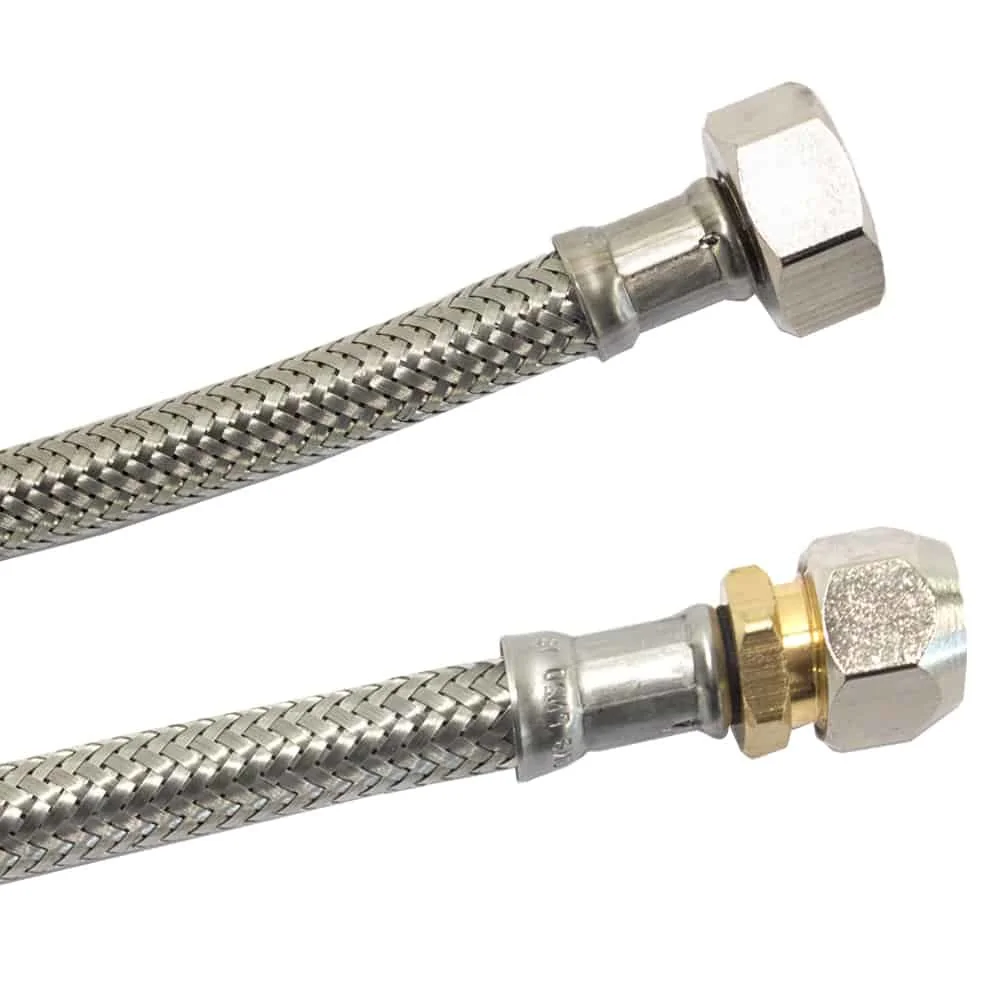
The connection area is located beneath the sink. A
How do you protect the kitchen during installation?
Measuring, drilling and installing the worktop creates dust and packaging waste. Protect fronts, floors and adjacent furniture with suitable covers.
can serve as a large-format cover sheet for renovation work. For more protective solutions, see the Tarpaulins + Nets section.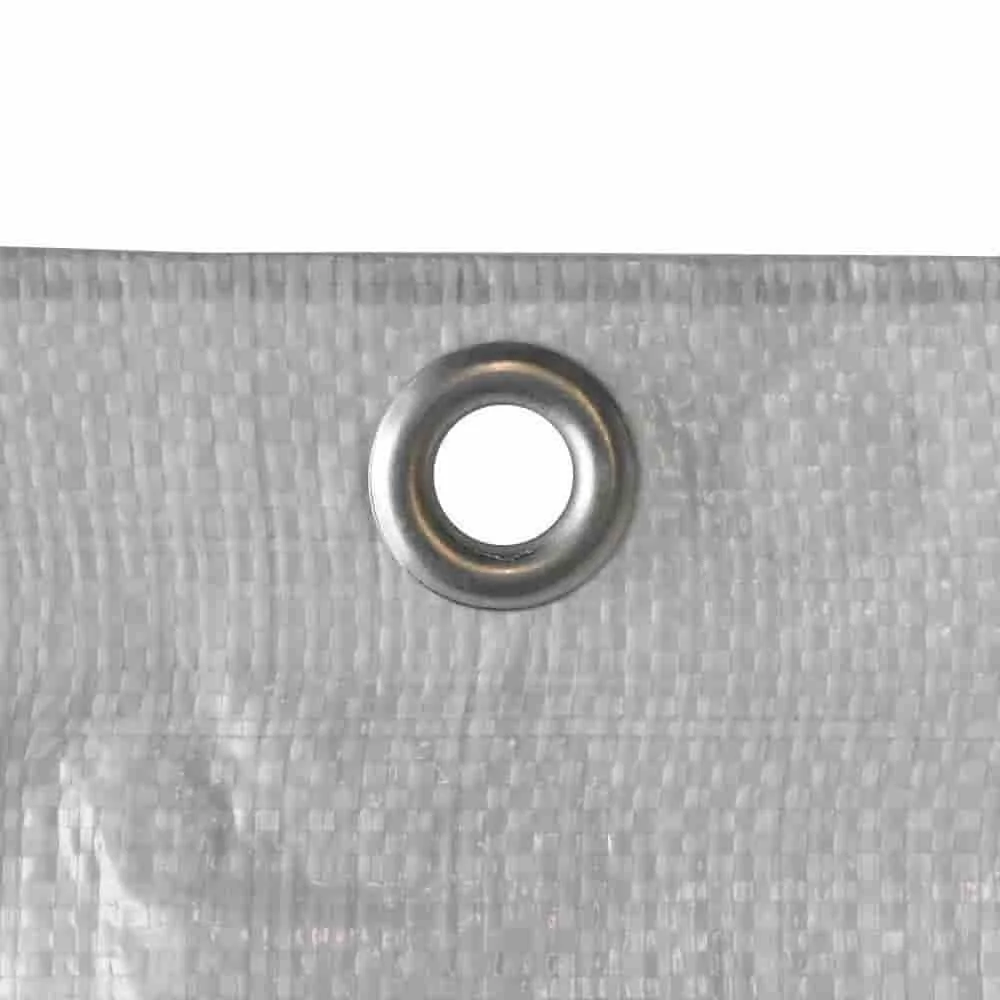
In a commercial kitchen, workflows, cleaning zones and robust equipment are also important. Plan sufficient space between the sink, hob and preparation area. Additional accessories for business applications can be found in Business Supplies.
What overhangs are suitable?
A small overhang protects the fronts from dripping water and creates a clean edge. Larger overhangs on an island require structural support. Do not rely solely on the thickness of the worktop. The kitchen fitter will calculate the supports, brackets and possible loads.
Plan the upstand and the connection to the wall together with the worktop. A narrow silicone joint compensates for movement and minor unevenness. Use a colour-matched material suitable for kitchen areas and renew the joint if it comes loose or becomes discoloured.
Conclusion: Quartz composite is a strong choice for a kitchen worktop if you are looking for easy-care properties, consistent designs and robust everyday performance. Protect the surface from direct heat, aggressive cleaners and hard impacts. Precise kitchen planning turns the material into a long-lasting work surface.
Frequently Asked Questions
- Is quartz composite suitable for a kitchen worktop?
- Yes, quartz composite is very well suited to everyday kitchen use. The material absorbs very little liquid and usually resists coffee, oil and wine stains when cleaned promptly. Direct heat is the main exception: place hot pans on a trivet and do not cut directly on the worktop.
- Does a quartz composite worktop need to be sealed?
- As a rule, it does not need sealing. Quartz composite has a factory-sealed, low-porosity surface. Clean the worktop regularly with warm water and a mild, pH-neutral cleaner. Nevertheless, check the manufacturer's care instructions, as the resin content, finish and warranty requirements can vary.
- How do you remove stains from quartz composite?
- Remove fresh stains with a soft cloth and diluted washing-up liquid. Loosen dried-on residue with warm water and a plastic scraper. Avoid scouring pads, scouring powder, aggressive solvents and metal blades. For stubborn discolouration, use a specialist cleaner approved by the manufacturer.
- What should you consider when planning a kitchen with quartz composite?
- Before ordering, plan the worktop thickness, edge profile, joints, sink and hob cut-outs and wall connections. Check the load-bearing capacity of the base units and the transport route. An on-site measurement by the kitchen fitter reduces errors, especially with uneven walls, large islands and flush-fit installations.
- Which kitchens are particularly suitable for quartz composite?
- Quartz composite suits kitchens that require a consistent appearance and little daily maintenance. Choose this material if stain resistance and a wide range of designs are more important to you than maximum heat resistance or a completely natural surface. For outdoor kitchens and strong sunlight, you need a variant expressly approved for this purpose.
You may also be interested in
- Plastic worktop: benefits, drawbacks and care tips
- Painting a kitchen worktop: the easy way to a new look
- Matt kitchen fronts: modern design and care tips
- WPC decking: benefits and care for your deck
- Build a sustainable shelf from old kitchen worktops
- Renovating a kitchen: ideas for a fresh new look at home