
In brief: Avoid heavy-feeding root vegetables such as potatoes in raised beds, as they deplete the soil too quickly. Deep-rooted crops such as carrots do not have enough room. Spreading plants such as mint quickly become a nuisance. Large squash plants block out all the light. Vigorous berry bushes such as raspberries crowd out other plants. And demanding plants such as artichokes rarely justify the space they require. Choose compact, shallow-rooted crops with a short growing season instead.
Raised Bed Planting: 6 Plants to Avoid
A raised bed offers ideal conditions for many vegetables and herbs. However, choosing the wrong plants can quickly undo these advantages. They deplete the soil, take up space or become an uncontrollable nuisance. We show you which 6 crops are best avoided in a raised bed.
How do I plan a raised bed correctly?
A clever planting plan takes three factors into account: nutrient requirements, root space and plant height. In the first year, use the nutrient-rich filling for heavy feeders such as tomatoes or cabbage. In the following years, plant medium and light feeders.
Think in layers. Plant tall crops on the north side and low-growing ones on the south side. This ensures that all plants receive enough light. Combine vegetables with different ripening times to make use of the bed all year round. A planting plan on paper will save you trouble later.
Expert tip
Mark the planned locations with small sticks and string in the empty bed. This lets you see in advance whether there is enough room for all the crops, so you can still adjust the plan.
Nutrient management is crucial
A raised bed is not an inexhaustible nutrient store. The limited amount of soil is depleted with every crop. You need to manage nutrient use carefully. Start with hungry plants that can make good use of the initial abundance of nutrients.
Stop planting more heavy feeders once the bed is in its second or third year. Otherwise, you will need to apply plenty of fertiliser, which disrupts the natural cycle. Crop rotation is just as important in a raised bed as it is in a garden bed.
1. Potatoes and other heavy-feeding root vegetables
Potatoes remove huge amounts of nutrients from the soil. They also need plenty of space underground. Harvesting them causes major disruption to the entire bed structure every time, as you have to turn over all the soil.
Beetroot and parsnips can be similarly problematic when planted too close together. They compete heavily for water and nutrients. These crops rarely earn their place in a raised bed. The yield is poor in relation to the space and care they require.
“Potatoes strip a raised bed bare. In one season, they remove what other crops use over three years. Choose fast-growing shallow-rooted crops such as radishes or cut-and-come-again lettuce instead.”
Grow root vegetables in a traditional garden bed, where they have enough room to grow downwards. In a raised bed, reserve the valuable space for more demanding or sensitive vegetables that benefit particularly from warm, loose soil.
2. Deep-rooted vegetables
Carrots, parsley roots and salsify need deep, stone-free soil. The typical filling of a raised bed is often not deep enough. The roots quickly hit obstacles or become misshapen.
Even in deep raised beds, the bottom layer is often coarse, containing branches or hedge clippings. This hinders the growth of long taproots. The result is small, misshapen specimens that disappoint.
Important note
Stop watering carrots shortly before harvest. This reduces the risk of them splitting in the often damper raised-bed substrate. Check the moisture regularly using the finger test.
There are special short carrot varieties for growing in containers or shallower beds. These can be an alternative. Before buying, check the variety's characteristics carefully. Standard carrots belong in a ground-level bed.
The alternative: round and shallow varieties
Choose vegetables with compact root systems for your raised bed. These include round carrots, radishes, celeriac and daikon. They need less depth and still produce good yields. They are also less disruptive to neighbouring plants.
Shallow-rooted crops such as lettuce, spinach and strawberries are ideal raised-bed plants. They mainly use the upper layers of soil, allowing you to make efficient use of the bed vertically.
3. Spreading herbs and plants
Mint is the classic mistake. It spreads rapidly underground via rhizomes. Within a single season, it can root through the entire bed and choke out other plants. Removing it is almost impossible without emptying everything out.
Lemon balm, sweet woodruff and ground elder behave in a similar way. Once established, you will never get rid of these plants completely. They belong in their own well-contained pot or in a garden bed with a root barrier.
“Always plant mint in a pot and place the pot in the raised bed. This keeps the roots under control. The above-ground parts can still spread without becoming an invasion.”
Annual herbs such as basil, dill and coriander are suitable for raised beds. Perennial, clump-forming herbs such as thyme, sage and rosemary are also good companions. They stay where you plant them.
Why is space management so important in a raised bed?
Every square centimetre counts. A plant that takes up too much space can ruin your plans for the entire season. It shades its neighbours and deprives them of water and nutrients. Other crops produce a poor harvest or none at all.
When planting, think about the plants' final size, not the small seedling. A courgette plant needs one square metre of space in two months. Allow for this space from the outset or leave it out.
Additional advice
Use the edges of the bed for trailing or overhanging crops such as strawberries, nasturtiums or trailing tomato varieties. This gives you additional growing space without blocking the centre of the bed.
Regularly removing side shoots from tomatoes or harvesting leaves from lettuce keeps plants compact. If plants are too close together, thin them out consistently. It is better to have fewer plants with a good yield than many that hinder one another.
4. Large squash-family plants
Zucchini, pumpkins and cucumbers take up a lot of space. Their long vines can easily overrun an entire standard raised bed. They block the light from all other plants. The leaves form a dense canopy, keeping the area underneath damp and encouraging fungal diseases.
The fruits become heavy. If they lie on damp soil, they quickly start to rot. They need some form of support. In a raised bed, handling these large plants is awkward. Harvesting becomes a search through a tangle of leaves.
There are compact zucchini varieties for pots, as well as climbing cucumbers that can be trained up a trellis. This is the only practical solution for a raised bed. Include the trellis in your planning from the start and position the plant at the edge of the bed.
The solution: make use of vertical growth
Train climbing plants such as cucumbers, runner beans or even small pumpkins upwards along trellises or strings. This means they take up very little bed space. They also create a good microclimate, as the leaves and fruit dry more quickly.
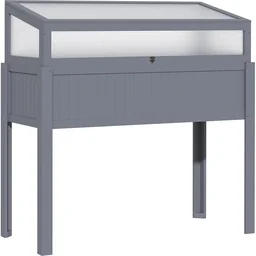
A sturdy climbing frame is essential. Secure it firmly to the raised bed or in the ground. Particularly sturdy systems such as the
or the with an integrated trellis.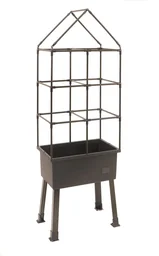
5. Raspberries and other berry bushes
Raspberries, blackberries and currants are woody plants. They develop deep, wide root systems. In a raised bed, their root space is severely restricted. The bushes become stunted or show signs of nutrient deficiencies. Healthy, productive growth is rare.
Raspberries produce suckers. They suddenly appear again on the other side of the bed. Harvesting at that height is awkward. The thorny stems make caring for other crops in the same bed considerably more difficult.
For berry plants, it is better to use large, deep planters or special raised borders. Alternatively, plant them directly in the garden bed. They have no place in a mixed raised bed. They completely dominate the system.
6. Artichokes and other space-hungry plants
Artichokes are imposing perennial plants. They grow over one metre tall and wide. A single plant can fill a small raised bed. It stays in the same spot for several years, blocking crop rotation.
The yield is comparatively low. You may harvest just 3-5 flower buds per season. The space required is out of proportion to the benefit. The same applies to rhubarb and asparagus, which are also perennial and take up a lot of room.
Reserve these crops for a separate bed in the garden. In a raised bed, focus on crops with high yields per square metre and short growing periods. This allows you to harvest several times per season, making the investment in soil and maintenance genuinely worthwhile.
What should you grow in a raised bed instead?
All kinds of lettuce, Asian greens, spinach, kohlrabi, bush beans, onions, garlic and most herbs are ideal. Fruit-bearing vegetables such as tomatoes, peppers and aubergines are also suitable when supported with stakes.
Make use of companion planting. Plant radishes between the slower-growing carrots. Plant basil alongside tomatoes. This allows you to take advantage of synergies and help prevent pests. A well-thought-out planting plan is the key.
Conclusion: choose wisely for long-term success
Choosing the wrong plants can quickly take the enjoyment out of growing in a raised bed. Avoid the six problem crops mentioned above. Focus on compact, productive vegetables and herbs that benefit from the special conditions.
A raised bed is an intensive growing system. Keep a gardening journal. Make a note of what was planted where and how it grew. This helps you learn with every season and optimise your planting plan. The effort is worthwhile for fresh harvests right outside your door.
With the right planting, your raised bed can remain a reliable source of fresh vegetables for years. Start with a solid system such as the
and fill it with quality soil. Then you will be all set for a successful season.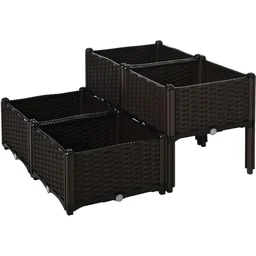
Frequently asked questions
- Why shouldn't you grow potatoes in a raised bed?
- Potatoes are heavy feeders that deplete the limited nutrients in raised bed soil over a single growing season. They also need plenty of depth for the tubers to form, which is often limited in a raised bed. Harvesting them is laborious and disturbs the entire bed. It is better to grow potatoes in a traditional ground-level bed.
- Can you grow raspberries in a raised bed?
- We do not recommend growing raspberries in a standard raised bed. The bushes grow too large, develop deep roots and spread extensively through runners. They crowd out all other crops and make harvesting difficult. For soft fruit, specialised deep and large raised bed systems or containers are much more suitable.
- Which plants make good neighbours in a raised bed?
- Combine shallow-rooted, low-demand plants such as lettuce, radishes or herbs with medium-demand plants such as bush beans or kohlrabi. Good combinations include carrots with onions or tomatoes with basil. Make sure the plants have similar water and nutrient requirements and consider their height to prevent shading.
- How often does the soil in a raised bed need replacing?
- A complete replacement is rarely necessary. Replace the upper, nutrient-depleted layers each year with fresh compost or raised bed soil. After 5-7 years, the entire filling is usually depleted. At that point, empty the bed, mix the old soil with fresh compost and refill it according to the layering principle.
- What can I do about voles in my raised bed?
- Fine-mesh wire (mouse mesh) on the bottom of the raised bed is the most effective barrier. Lay it out before filling the bed. Alternatively, special ultrasonic devices or traps can help. Plant strongly scented herbs such as crown imperial or garlic around the edges of the bed as a natural deterrent.
You may also be interested in
- Deep-rooted plants in raised beds: these plants thrive especially well
- Planting a raised bed: how to achieve a bountiful harvest
- Build a herb raised bed: instructions, filling & best herbs
- Build your own raised bed: the complete guide
- Raised bed reviews & comparison 2026
- Natural pest control: 9 plants that protect your garden bed