
In brief: RAL 9016, known as Traffic White, is the standard color for most PVC windows in Germany. This neutral, pure white shade is UV-resistant and suits almost any facade. For repairing windows with this color code, a special 2K repair resin in RAL 9016 is the best choice for an invisible and durable repair.
One brief moment of carelessness is all it takes: a deep scratch mars the bright white frame of your PVC window. Whether caused by a tool while watering flowers, playing children or a hailstorm, damage to window frames is frustrating. It not only affects the appearance but can also compromise the material’s protective layer. The good news is that you do not have to replace the entire window. With the right color and suitable material, you can repair these flaws yourself.
The key to an invisible repair is the exact window color code. For most modern PVC windows, it is RAL 9016, also known as Traffic White. This bright, neutral white has become an industry standard. For a professional repair, you need a solution that not only matches the color but also perfectly complements the material properties of rigid PVC.
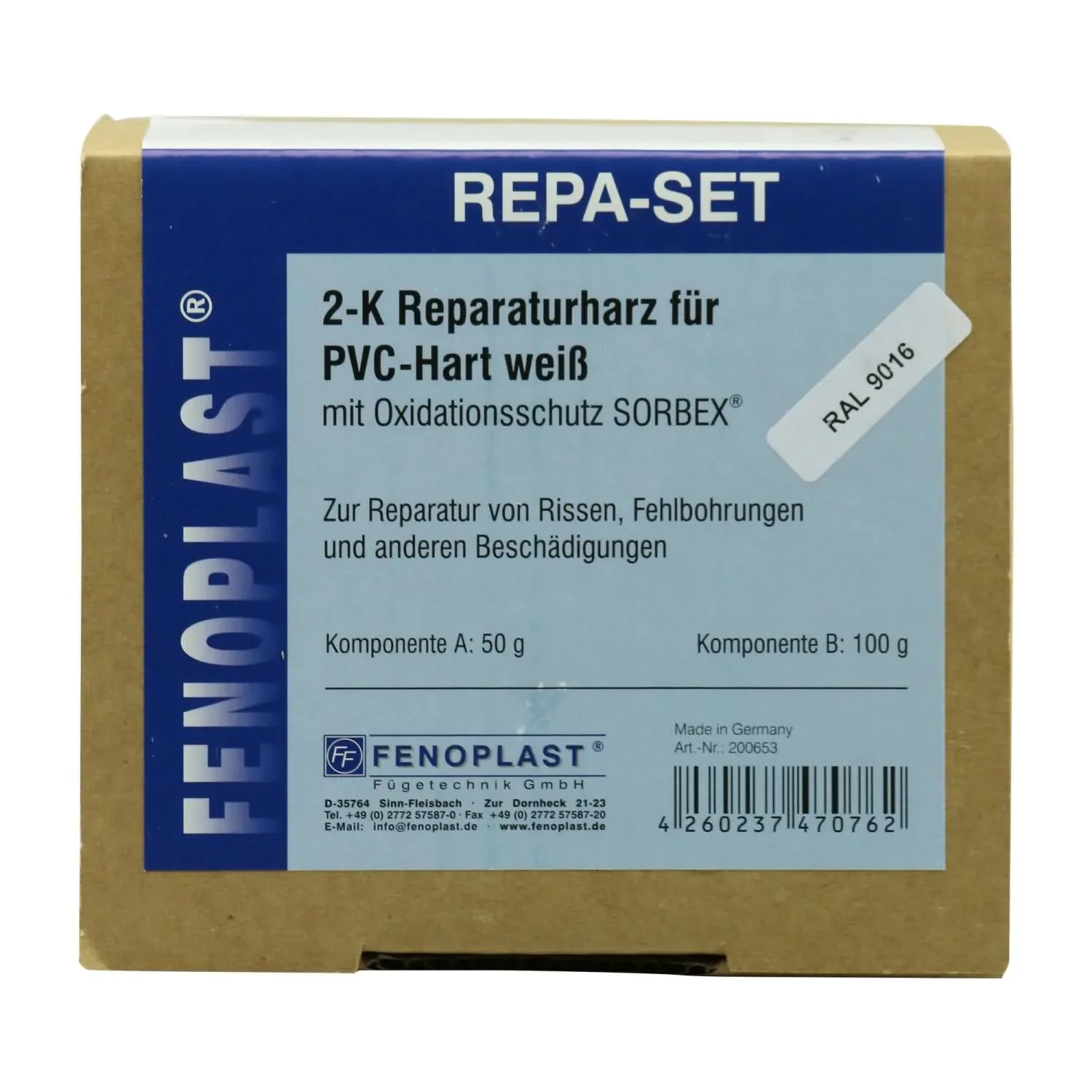
This is exactly what the FENOPLAST repair kit RAL 9016 for PVC windows Traffic White () was developed for. This kit contains a fast-curing 2-component repair resin specially matched to the Traffic White color. It permanently fills scratches, cracks and even small holes, creating a smooth, durable surface that blends seamlessly into the window frame.
What exactly is RAL 9016 Traffic White?
RAL colors are a globally recognized system for defining shades. Each color is assigned a unique four-digit number, enabling precise communication between manufacturers, architects and consumers. RAL 9016 belongs to the white and black color category and is known as Traffic White.
The history and significance of RAL colors
The RAL system was created in Germany as early as 1927 to standardize the wide variety of colors. The “Reichs-Ausschuß für Lieferbedingungen” (RAL) created a collection initially consisting of 40 colors. Today, the RAL CLASSIC collection includes more than 200 shades. This standardization ensures that a window frame in RAL 9016 from manufacturer A has exactly the same shade as a door from manufacturer B. This is essential for repairs and extensions.
Traffic White: More than just a white shade
Compared with other white shades such as RAL 9010 (Pure White), which has a slight cream undertone, RAL 9016 is a very clear, neutral and bright white. Its name, “Traffic White,” comes from its original use for road signs and road markings, where maximum visibility and clear contrast are required. These properties also make it popular in construction: it looks modern and clean and can be combined with every other color.
Traffic White is the quiet canvas of modern architecture. It recedes into the background, directs attention to what matters and gives every building a timeless clarity.
Why is RAL 9016 the standard color for PVC windows?
The dominance of Traffic White in PVC windows is no coincidence. It is based on a combination of aesthetic benefits, technical properties and manufacturers’ economic considerations.
Neutral aesthetics and versatility
RAL 9016 is a chameleon among colors. It works just as well with a red brick facade as with modern gray render or wood cladding. This neutrality gives builders and renovators maximum freedom when designing the rest of the house. White windows look bright and welcoming, make rooms appear larger and reflect sunlight, brightening interiors. This universal versatility makes them a safe and popular choice. The color of the window frame has a major influence on the overall look of a room, much like choosing the right design & colors for the interior.
UV resistance and durability
White surfaces heat up less in the sun than dark ones. This is a decisive advantage for PVC profiles. Lower thermal stress means less expansion and contraction of the material, which extends the window’s service life and minimizes the risk of stress cracks. In addition, high-quality PVC compounds in RAL 9016 contain UV stabilizers that prevent yellowing caused by sunlight over many years. This allows the windows to retain their bright appearance.
Additional advice
Although RAL 9016 is the most common shade, there are exceptions. Older windows and special design lines in particular may use other white shades, such as RAL 9010 or RAL 9001 (Cream). Check this before purchasing repair materials.
How can I tell whether my windows are RAL 9016?
Before starting the repair, you need to be certain that you have the right shade. The wrong color will result in a clearly visible “patch.” There are several ways to determine your windows’ color code.
Compare directly with a color chart
The safest method is to compare the frame with a RAL color fan or color chart. Hold the samples for RAL 9016 and similar white shades, such as 9010 and 9003, directly against the cleaned window frame. Make the comparison in good daylight, but not in direct sunlight. The difference between the shades is often subtle but becomes clear on close inspection.
Check the manufacturer’s documents
Check the documents you received when purchasing the windows. The RAL color code is often stated explicitly on the invoice, delivery note or quotation. This is the most reliable source of information if you still have the documents.
Step-by-step guide: Repairing scratches and cracks
With the FENOPLAST Repair Set RAL 9016 and the right approach, you can achieve a professional repair. Take your time and work carefully.
Step 1: Preparing the surface
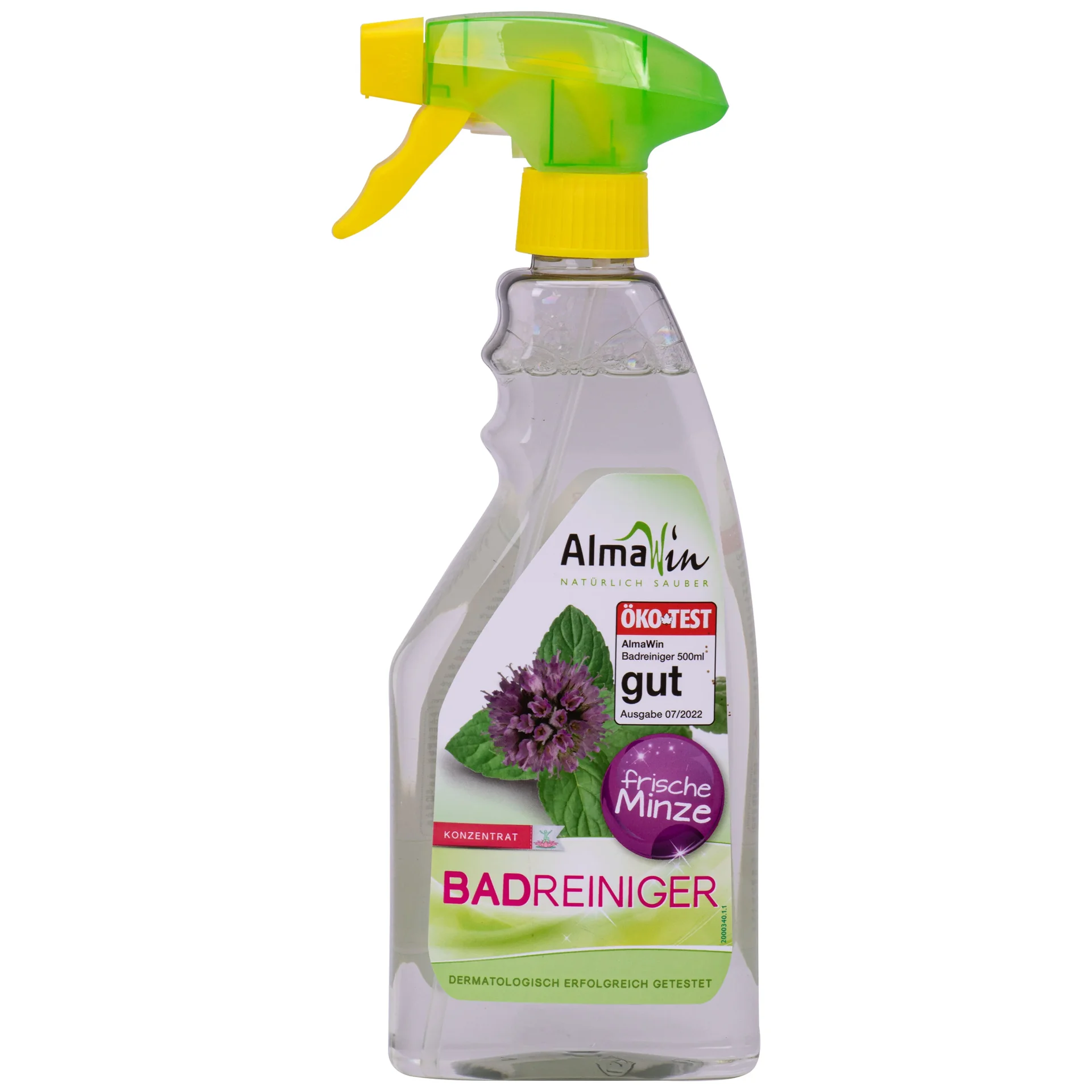
A clean, dry and grease-free surface is the basis for a durable repair. Clean the damaged area thoroughly. Use a mild cleaner without abrasive particles, such as the ALMAWIN Bathroom Cleaner (), which also delivers good results on plastic surfaces. Then remove all cleaner residue with clean water and dry the area completely. Carefully remove loose particles from the scratch with a utility knife. Lightly roughen the damaged area and the immediate surrounding area with fine sandpaper (240 grit) to improve the resin's adhesion. Then remove all dust from the surface thoroughly.
Step 2: Mixing the 2-component repair resin
The set contains two components: resin and hardener. Apply the required amount of the resin component to a clean, non-absorbent mixing surface (e.g. a piece of cardboard or the supplied lid). Add the hardener component in the specified mixing ratio. Mix both parts quickly and thoroughly with the supplied spatula until an even compound is formed. You now have a few minutes to apply the resin before it hardens (pot life).
Important note
When working with 2-component resins, always work in well-ventilated areas and wear protective gloves. Avoid skin contact. Follow the safety instructions on the packaging.
Step 3: Applying and smoothing the compound
Apply the mixed repair resin to the damaged area with the spatula. Fill scratches or cracks completely, applying a slight excess of material because the resin may shrink minimally as it dries. Smooth the surface as evenly as possible. Use the edge of the spatula to remove excess material and create a level surface.
Pro tip
For an especially smooth surface, you can lightly moisten the spatula with a release agent (e.g. soapy water) or place a piece of cling film over the fresh repair compound and smooth it with a flat object. Carefully remove the film after the compound has begun to set.
Step 4: Curing and finishing
Allow the repair resin to cure completely according to the instructions. Depending on the temperature and layer thickness, this can take between 30 minutes and several hours. Once fully cured, the material is rock-hard and can be worked like the original plastic. Start with coarse sandpaper (e.g. 180 grit) to remove the excess material, then work up to finer grits (240, 400) until the repaired area is perfectly level and smooth. If necessary, you can then polish the area to match the gloss level of the rest of the frame.
What additional tools and materials do I need?
The repair set contains the most important components. However, for a perfect result, you should have a few additional tools and materials ready:
- Sandpaper: Various grits (e.g. 180, 240, 400) for coarse and fine sanding.
- Sanding block: Provides a level sanding surface and prevents dents from forming.
- Spatula: A small, flexible Japanese spatula can make application easier.
- Cleaning cloths: Lint-free cloths for cleaning and removing dust.
- Utility knife: For cleaning cracks and removing loose parts.
- Personal protective equipment: Nitrile gloves and a dust mask when sanding.
Beyond repairs: Other possible applications
RAL 9016 Traffic White is not limited to windows. Its versatility makes it a popular choice for many other areas in and around the home. A consistent colour scheme creates a harmonious overall look. For example, the colour of the window frame can be coordinated with the wardrobe colour. Even small details such as matching border colours can contribute to a cohesive atmosphere.
Painting radiators and doors
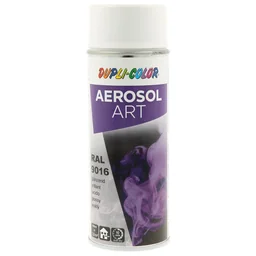
Many standard radiators and interior doors are also supplied in a similar shade of white. If you want to repaint or touch them up, RAL 9016 is an excellent choice for a modern, clean appearance. A spray can is ideal for larger surfaces or complex shapes. The “Aerosol Art” spray can, RAL 9016, Traffic White () ensures an even, professional finish.
Touching up furniture and façade elements
RAL 9016 is also often used for white furniture, roller shutter boxes, cable ducts or garage doors. With the right paint or touch-up pen, you can quickly and easily make small imperfections disappear. The consistency of the colour ensures that all elements blend seamlessly into the overall look, further enhancing the effect of accents such as coloured carpets.
I was amazed at how easy it was to repair my window frame with the set. The scratch has completely disappeared and you cannot see any colour difference at all. Everything finally looks like new again!
Damage to white uPVC windows is no reason to despair. By knowing the right colour code—in most cases RAL 9016 Traffic White—and using a high-quality repair set such as the one from FENOPLAST, you can permanently and invisibly eliminate scratches, cracks and small holes. Careful preparation and precise work are the keys to success, ensuring that your windows shine in their former glory once again.
Frequently Asked Questions
- What is the difference between RAL 9010 Pure White and RAL 9016 Traffic White?
- RAL 9016 Traffic White is a more neutral, brighter white than RAL 9010 Pure White. RAL 9010 has a slight yellow or grey cast, whereas RAL 9016 is considered the "purest" white in the RAL system and is therefore preferred for modern uPVC windows.
- Can I also use RAL 9016 for wooden windows?
- Yes, you can use RAL 9016 paint for wooden windows too. The key is to prepare the wood correctly with primer and sanding. However, the repair resin featured here was developed specifically for plastics such as PVC.
- How long does the repair resin take to dry?
- The exact drying time depends on the ambient temperature and humidity. As a rule, FENOPLAST 2K resin is touch-dry after around 30-60 minutes and fully cured after 24 hours, ready for further work such as sanding.
- Is RAL 9016 UV-resistant?
- Yes, high-quality paints and repair compounds in RAL 9016 are formulated to offer high UV resistance. This prevents yellowing over the years and ensures that your windows and repairs stay brilliantly white for a long time.
- Can I use the repair kit to fill larger holes?
- The kit is ideal for scratches, cracks and smaller holes. For very deep or large areas of damage, apply the repair compound in layers and allow each layer to cure for the best and most stable results.
You may also be interested in
- Caring for repaired uPVC windows: How to keep them looking like new
- Damage to uPVC windows: Repair or replace?
- FENOPLAST repair resin: Why 2K is the best choice for your windows
- Repairing uPVC windows: Instructions for the FENOPLAST kit
- Get your windows ready for winter: Prevent and repair frost damage
- 5 mistakes when repairing uPVC windows (and how to avoid them)