
In brief: Rat traps are often the safer and more effective choice. They provide an immediate, controllable solution without the risk of secondary poisoning for pets or wildlife. Rat poison works with a delay and carries significant risks, as poisoned animals may die in uncontrolled locations and endanger other animals.
A rustling in the wall, gnawed food supplies in the basement or telltale droppings in the garage – a rat infestation is unpleasant and a serious hygiene problem. You need to act quickly. But which method is right? The classic rat trap or powerful rat poison? Both methods can achieve the desired result, but their impact on safety, the environment and controllability differs considerably. This guide will help you make the right decision.
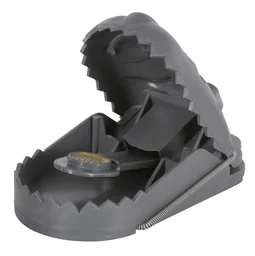
For direct, effective and poison-free rat control, choose a proven mechanical solution. The rat trap "ratStop" () is a robust and reliable tool. Its powerful spring ensures the rodent is killed immediately and humanely. You have full control over the process without releasing toxic substances into your surroundings.
How can you tell if you have a rat infestation?
Before taking action, you need to be sure that you are dealing with rats. These intelligent and cautious animals leave clear signs behind. Look for the following indications to identify the problem and assess its extent.
Typical signs of a rat infestation
Look for spindle-shaped, dark droppings that are around one to two centimetres long. Fresh droppings are soft and shiny, while older ones are dry and crumbly. Droppings found in several places indicate active routes. Parallel smearing marks in the dust, caused by the tail, are another clear indication.
Rats need to gnaw constantly to wear down their continuously growing teeth. Look for gnaw marks on wood, plastic, cables or even soft metals. Two parallel, groove-shaped marks are characteristic. Sounds such as scratching, scurrying or squeaking in walls, ceilings or beneath floorboards, especially at night, are also a strong warning sign.
The greatest danger of rat poison lies in its uncontrolled spread through the food chain. A poisoned rodent becomes a ticking time bomb for birds of prey, foxes and even pets. The use of biocides should therefore always be a last resort.
Rat poison: Chemical control methods explained
Rat poison, also known as rodenticide, is a widely used method for controlling large populations. Although it is effective, it carries significant risks that you should be aware of. Its use is also subject to strict legal regulations.
How does rat poison work?
Most modern rat poisons are so-called anticoagulants. They inhibit blood clotting. After consuming the bait, it takes several days for the animal to die from internal bleeding. This delay is intentional: intelligent rats do not immediately associate the bait with the death of another rat and continue eating it. This mechanism makes the poison effective, but also unpredictable.
The risks of rat poison for pets and children
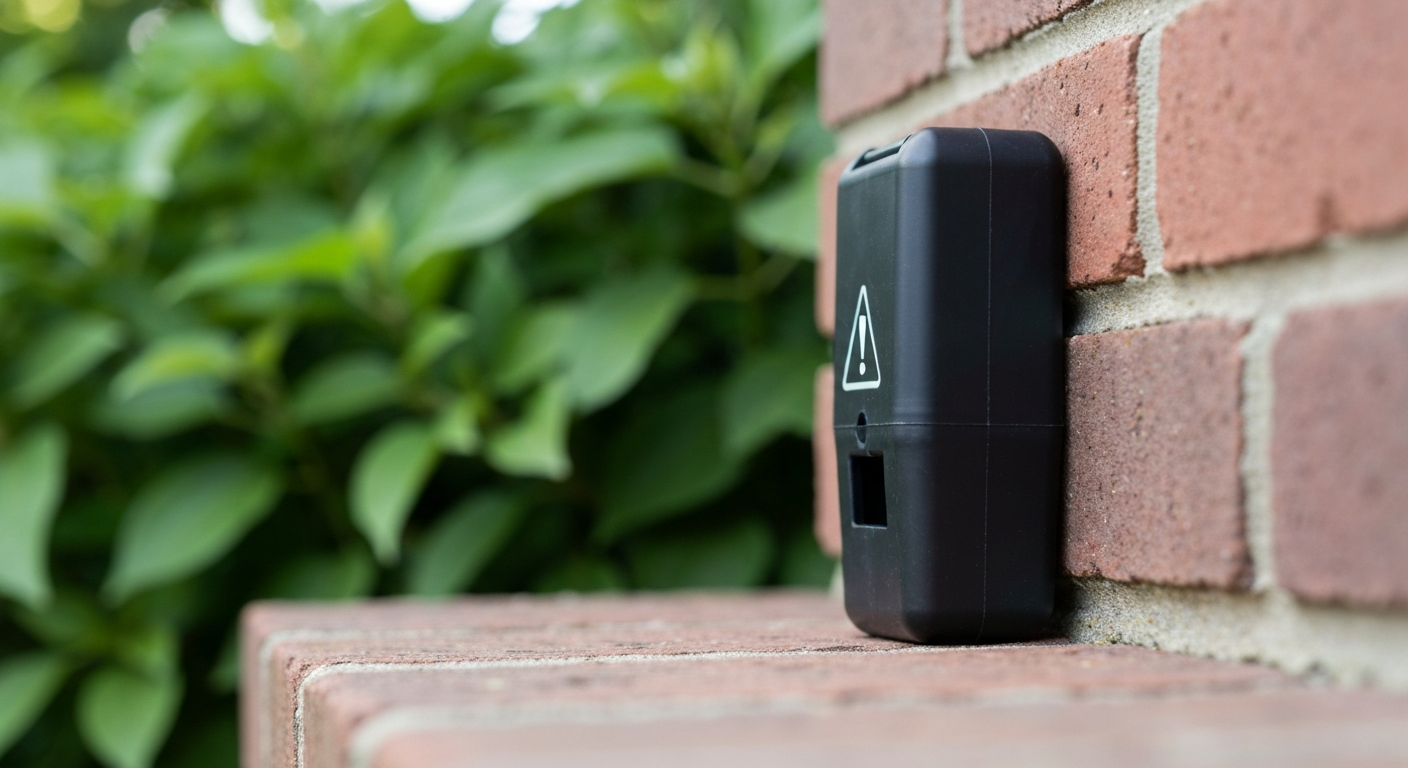
The greatest danger of poisoned bait is its effect on non-target organisms. Dogs, cats and especially curious children may accidentally consume the bait. The consequences are serious poisoning incidents that are often detected too late. Another frequently underestimated risk is secondary poisoning: a pet or wild animal, such as a bird of prey or fox, eats a poisoned rat and is exposed to the poison itself.
Important note
Rat poison must never be left in the open. Use only approved, tamper-resistant bait stations. Always store poison out of reach of children and pets. If poisoning is suspected, contact a doctor or vet immediately.
Legal requirements and application guidance
The sale and use of powerful rodenticides are strictly regulated in Germany. Many high-dose products may now only be used by certified pest controllers. Products with lower doses are available for private use. Before buying, find out exactly about the applicable regulations and correct use to avoid legal consequences and environmental damage.
Why are rat traps often the better alternative?
Poison-free rat control with traps is the safest and most controlled method. It offers a clear alternative to chemical products while protecting your family, pets and the environment. You choose a targeted solution with clear, verifiable results.
Immediate results and easy monitoring
A well-placed snap trap kills the rat instantly. There is no prolonged suffering and no days of uncertainty. You see the result immediately and know there is one fewer rat. Unlike with poison, you do not have to worry about the animal dying in an inaccessible place, such as inside a wall, and causing an unpleasant smell.
Safety for your surroundings: poison-free rat control
The key advantage of traps is that they do not contain poison. There is no risk of primary or secondary poisoning. Children, dogs, cats and local wildlife remain protected. This makes traps the first choice in sensitive areas such as homes with children, near pet supplies or on farms.
An overview of different types of rat traps
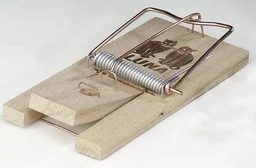
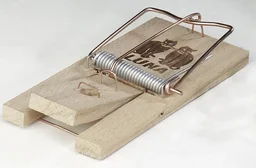
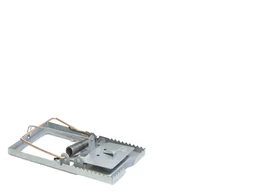
Alongside modern traps such as the "ratStop", there are proven classics. The traditional wooden rat trap () is affordable and effective. For a larger infestation or regular use in the Garden + Outdoor area, a multipack such as the wooden rat traps, 10-piece set () is ideal. Sturdy models such as the metal rat trap () offer exceptional durability and killing power.
Expert tip
Use strong-smelling, high-fat foods as bait. Peanut butter or chocolate hazelnut spread are classic choices. They are sticky, so the rat has to pull at them, reliably triggering the trap. A small piece of bacon or chocolate is also attractive.
How do you set a rat trap correctly?
A trap's success depends largely on its placement and the right bait. Rats are wary of new objects in their surroundings. With patience and the right strategy, you can outsmart these clever rodents.
Finding the perfect location
Rats rarely move across open areas. They use walls for orientation and run along edges. Always place the trap directly against a wall, with the trigger facing the wall. Look for tracks, droppings or gnaw marks and position the trap exactly there. Dark, undisturbed corners in the basement, garage or behind cupboards are ideal locations.
A trap only catches rats where they actually run. Study the signs carefully. Correct placement accounts for 90 percent of success. The bait is only the final incentive.
Handling captured rats
Always wear gloves when removing a captured rat. Rats can transmit diseases. Dispose of the animal in a sealed plastic bag in your household waste. Then clean and disinfect the trap thoroughly before setting it again. You should also wash your hands thoroughly.
Additional advice
Check your traps daily. A captured rat can quickly start to smell and may also attract other pests. Regular checks maintain hygiene and allow you to get the trap ready for use again quickly.
Preventing rat infestations: How to protect your home and property
The best pest control is the kind you never need. With a few preventive measures, you can make your property unattractive to rats. This is particularly important in business supply areas where hygiene regulations apply.
Eliminating food sources
Store food, pet food and rubbish in tightly sealed containers. Do not leave food scraps lying around. Remove fallen fruit from the garden regularly and set up compost heaps so that rats cannot access them, ideally using enclosed composters.

Blocking access points
Rats can squeeze through surprisingly small openings. A gap of two centimetres is already enough. Inspect your home thoroughly for cracks in the masonry, ill-fitting doors or windows and openings for pipes, for example in the Plumbing + Irrigation area. Carefully seal these gaps with suitable materials such as mortar, steel wool or fine-mesh wire.
Keeping the garden and basement tidy
A cluttered basement, an old garden shed or a large pile of junk in the garden provide rats with ideal places to hide and nest. Keep these areas clean and tidy. Stack firewood away from the house wall and avoid dense vegetation directly next to the building.
Ultimately, choosing between a rat trap and rat poison means weighing effectiveness against safety. While poison may be an option for a serious infestation when handled by a professional, a rat trap is the better choice for home use. It is safe, controllable and protects your family and the environment from unwanted risks. Take targeted action and rely on proven, poison-free methods.
Frequently asked questions
- What attracts rats most to a trap?
- Strong-smelling, high-fat baits are the most effective. Peanut butter, chocolate spread, bacon or specially formulated bait pastes are ideal. Change the bait if the rats ignore it, as individual rats may have different preferences.
- How long does rat poison take to work?
- Modern rat poisons are based on anticoagulants. After ingestion, it usually takes three to seven days for the animal to die from internal bleeding. This delayed effect is intended to prevent other rats from associating the bait with the death of another rat.
- Can a cat die from eating a poisoned mouse?
- Yes, there is a risk of secondary poisoning. If a cat or dog eats a mouse that has been killed by rat poison, the poison can be passed on to the pet. The dose ingested is often lower, but it can still cause serious health problems or even death.
- Where is the best place to set a rat trap?
- Place traps along runways, typically right next to walls, behind furniture or in dark, sheltered corners. Rats avoid open spaces. Position the trap where you have found signs such as droppings or gnaw marks to maximise your chances of catching one.
- Are rat traps dangerous for pets?
- Traditional snap traps can be dangerous for curious pets such as cats or small dogs. Place them where your pets cannot reach them, or use special bait stations that are accessible only to rodents. Live traps are a safe alternative.
You may also be interested in
- Buy a rat trap: The ultimate guide for 2024
- How to set a rat trap: Effective methods for dealing with rodents indoors
- How to get rid of rats in your garden: Effective methods
- Vole self-shooting device vs. traps: The ultimate comparison
- Electric fly killer vs. flypaper trap: The ultimate comparison
- Best fly trap review & comparison 2026: The best models for farms and homes