
In brief: You can cut your household bills by systematically stopping energy losses, optimising consumption and making smart investments. Draught-proof windows and doors. Set your heating and hot water efficiently. Use energy-efficient appliances and eliminate standby consumption. Water-saving fittings and more conscious consumption can reduce other costs.
Reduce household bills: where to start
Household bills put a strain on your monthly budget. They include energy, water and ongoing household expenses. A systematic analysis reveals where you can save. Start by reviewing your annual electricity, gas and water bills. Identify the biggest costs. Often, the solution lies in simple improvements and replacing inefficient components.
Many measures do not require major investment. Adjusting the heating, sealing windows or using switched power strips costs very little. Other steps, such as buying an energy-efficient appliance, pay for themselves through lower consumption. The first step is always to assess your current situation.
How can I reduce my energy bills effectively?
Energy costs make up the largest share of household bills. This is where you can save the most. Set thermostats correctly. Lowering the room temperature by one degree can save around six per cent on heating energy. Use programmable thermostats to reduce the temperature at night.
Radiators need to be unobstructed. Radiators hidden behind furniture or curtains waste energy. Bleed your radiators at the start of the heating season. If you hear gurgling, there is air in the system. This reduces efficiency.
A single radiator that has not been bled can increase energy consumption in a room by up to 15 per cent. Regular heating system maintenance is the simplest way to save.
Electric fan heaters and radiators are expensive power guzzlers. Avoid using them as a permanent solution. It is better to stop draughts around windows and doors. Draught excluder strips from DIY shops seal gaps. Close blinds or curtains at night. They reduce heat loss through windows.
Reduce electricity costs at home
Electricity is expensive. Find your hidden energy users. An electricity monitor shows how much each appliance consumes. Old fridges, freezers and circulation pumps are often the biggest energy guzzlers. Replace them with efficient models.
Top tip
Always run your washing machine on the Eco programme. It cleans just as well but uses less electricity and water because it runs for longer at lower temperatures. Over the course of a year, this can make a significant difference.
Standby mode costs money. Switch televisions, computers and hi-fi systems off completely. Extension leads with on/off switches make this easier. Printers, monitors and speakers should also be disconnected from the mains. Modern power supplies consume electricity even when they appear to be switched off.
Switch to LED lighting. LED bulbs use up to 90 per cent less electricity than old incandescent bulbs. Their lifespan is many times longer. Start by replacing bulbs that are used for long periods.
Save water at home and in the garden
Water bills consist of the cost of fresh water and heating it. Save on both. Install flow restrictors on all taps and fittings. They mix air into the water and noticeably reduce consumption without sacrificing comfort. Use the flush's water-saving button.
Showering uses less water than taking a full bath. A water-saving shower head cuts consumption even further. Turn off the water while soaping up. Repair dripping taps immediately. A dripping tap wastes thousands of litres a year.
Important note
Do not lower the temperature of your hot water cylinder below 60 degrees Celsius. This encourages the growth of Legionella bacteria, which can cause serious lung disease. There are health limits to saving money in this area.
Optimise garden watering
Water your garden with rainwater. A water butt is the simplest solution. For larger gardens, an underground cistern connection is worthwhile. This saves expensive drinking water and is better for plants.
Water in the morning or evening. Evaporation losses are minimal then. Use drip irrigation for beds or a watering can for precise watering. Sprinklers are inefficient and encourage shallow root growth.
Mulch your beds. A layer of grass clippings or bark mulch keeps moisture in the soil. You will need to water less often. Suitable garden tools make the work easier.
Practical ways to save money in your daily household routine
Cook and refrigerate food efficiently. Always use the right-sized lid when cooking. Without a lid, three times as much energy escapes. Boil water in a kettle rather than on the hob. It is more efficient.
Use residual heat. Switch off the hob or oven a few minutes before the end of the cooking time. The remaining heat will finish the job. Defrost frozen food in the fridge. It helps to cool the fridge.
A full fridge works more efficiently than an empty one. The food inside stores the cold. However, only open the door briefly to keep the cold air inside the appliance.
Always fully load your washing machine and dishwasher. Use low temperatures of 30 or 40 degrees. Modern detergents clean excellently even in cold washes. Skip the pre-wash cycle. Air-dry laundry instead of using a tumble dryer.
Additional advice
Plan major purchases such as fridges or washing machines carefully. Compare their annual electricity consumption in kWh. Multiplying the difference by the electricity price shows your annual saving. This means a more expensive, efficient appliance can quickly pay for itself.
Investments That Pay Off: Products That Save Money
Some purchases reduce your household running costs over the long term. Smart radiator thermostats learn your usage patterns. They automatically lower the temperature when nobody is at home. You will recoup the investment within a few heating seasons.
Quality equipment for the garden replaces expensive disposable products. High-quality tools last longer and work more efficiently. The same applies to running your household.
Make your own sparkling water. This saves you the effort of carrying bottles, deposit costs and waste. A CO2 system pays for itself within one year compared with buying bottled mineral water.
is a refillable CO2 bottle. Combine it with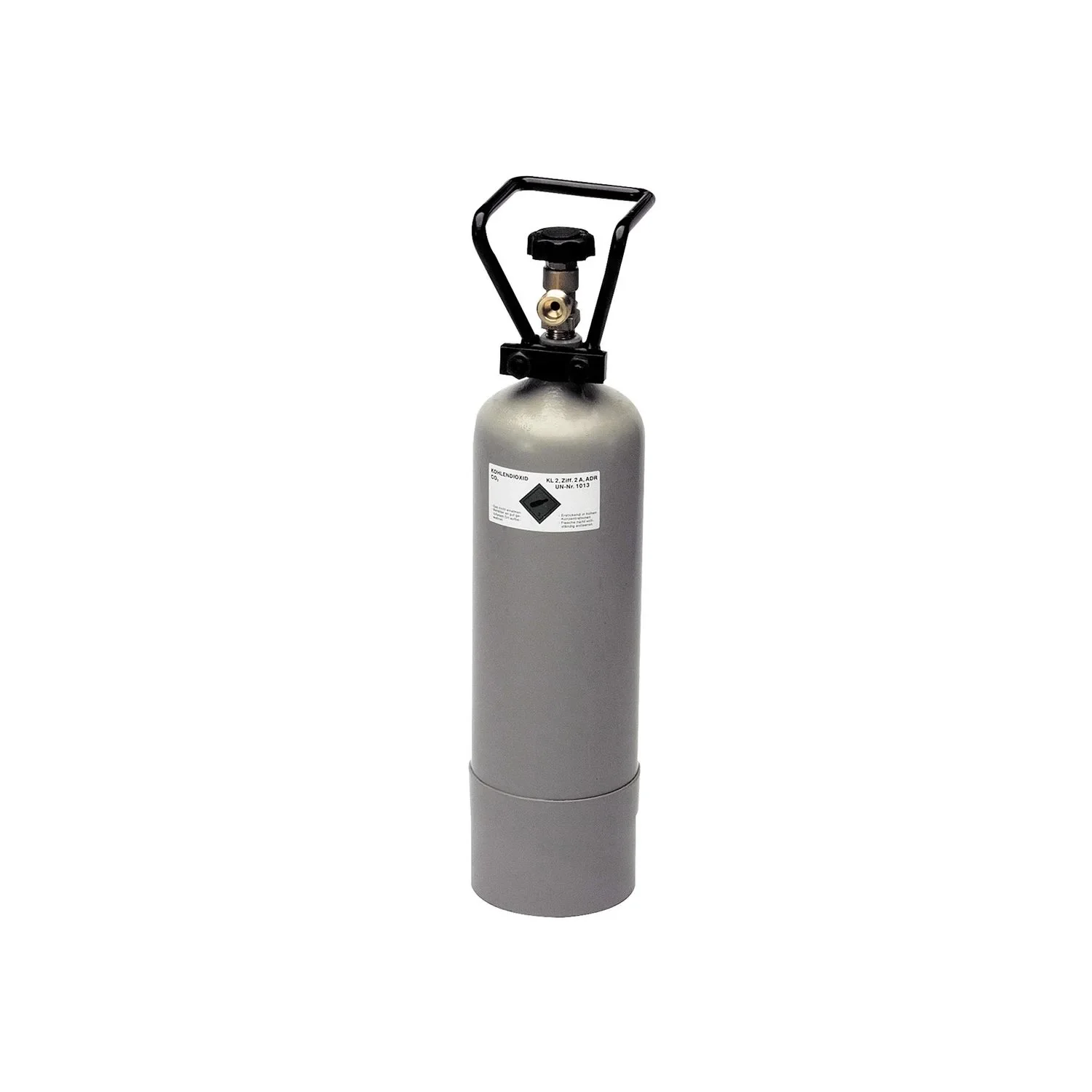
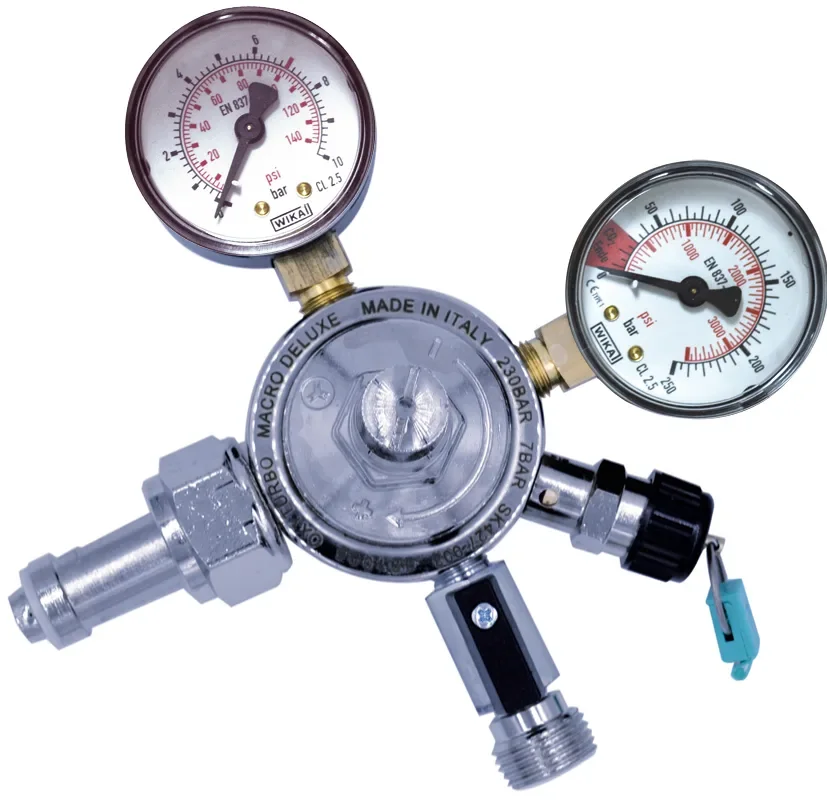
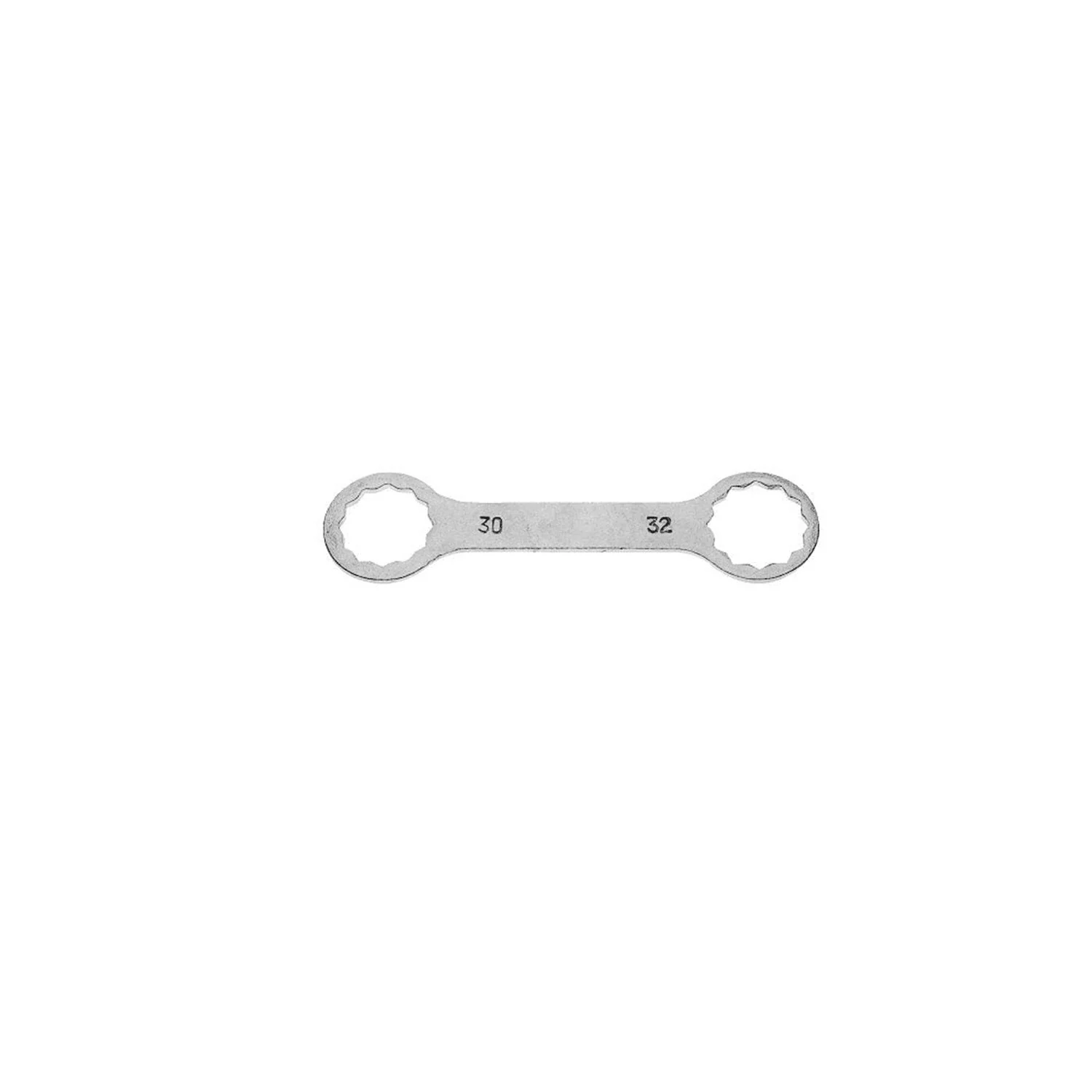
Combat annoying insects without chemicals or the ongoing cost of vapourisers. The
, an electronic UV insect trap, attracts mosquitoes and flies with UV light and eliminates them while using little electricity. It is a one-off investment for insect-free summer evenings.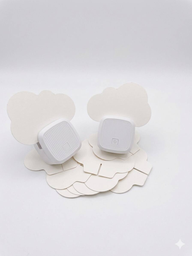
Long-Term Strategy for Lower Household Running Costs
Monitor your consumption regularly. Record your electricity, gas and water meter readings each month. This helps you spot deviations immediately. A sudden increase may indicate a faulty appliance or a leak.
Make use of funding programmes. Many energy-efficiency renovations qualify for grants or low-interest loans from KfW or BAFA. Find out more before planning a project. Replacing old pumps is also often subsidised.
Think about your home's operational readiness. A well-maintained boiler, descaled fittings and sharp blades on your garden tools ensure efficiency and prevent consequential damage. Schedule small maintenance tasks.
Reducing household running costs is not a one-off project. It is a lasting mindset. Pay attention to your usage habits, invest wisely in efficiency and keep your technology in good working order. The savings add up year after year and noticeably ease the pressure on your budget.
Frequently Asked Questions
- Where is the greatest potential for saving on household bills?
- The greatest potential is in heating and hot water, which often account for over 70% of energy costs. Check window seals, bleed radiators and use a nighttime temperature setback. For electricity, refrigerators, washing machines and entertainment electronics are the main consumers. An electricity meter can identify hidden energy users.
- Is buying new household appliances worthwhile for reducing costs?
- Yes, if you have old appliances. A new refrigerator in energy efficiency class A+++ uses up to 70% less electricity than a 15-year-old model. Compare the savings with the purchase price. Prioritise appliances that run for long periods, such as refrigerators and freezers.
- How can I save water in the garden and reduce costs?
- Water in the morning or evening, not in the midday sun. Collect rainwater in a water butt. Drip irrigation delivers water directly to the roots and reduces consumption by up to 50% compared with a sprinkler.
- What are the most common mistakes that lead to high household bills?
- Leaving appliances permanently on standby, setting room temperatures too high, leaky windows, outdated heating pumps and watering the garden with drinking water at the wrong time of day. People are also often unaware of their actual consumption.
- Can smart thermostats really help me save on heating costs?
- Yes, programmable thermostats can save up to 10% on heating costs by automatically lowering the temperature when you are away or at night. Smart models learn your habits and optimise your heating further. They often pay for themselves within two heating seasons.
You May Also Be Interested In
- Cut Air Conditioning Costs: Money-Saving Tips for Your Home
- Energy-Saving Tips for Your Home and Garden: How to Cut Costs
- Cut Energy Costs: Optimise Electricity and Heating Costs
- Save Hot Water: Effective Tips for Your Home and Heating
- Reduce Electricity Consumption: Simple Tips for Your Home
- Clever Household Tips: Make Your Home More Efficient