
In brief: Glass corrosion causes white, rough deposits through chemical reactions with alkaline substances or hard water. Remove them with special glass cleaners or a paste made from citric acid and baking soda. Mechanical polishing with cerium oxide helps with deeper damage. Prevent corrosion by using soft water, cleaning regularly and protecting glass from aggressive cleaners and fertilisers.
Remove and Prevent Glass Corrosion Effectively
White, milky streaks on the patio door. Rough patches on the greenhouse pane. This damage is often glass corrosion, not simply limescale. It is caused by chemical attacks on the glass surface. We show you how to remove these deposits and effectively prevent new ones.
What is glass corrosion and how does it occur?
Glass corrosion is a chemical change to the glass surface. Alkaline substances react with the silicates in the glass. They dissolve them and leave behind a porous, white layer.
Common causes include fertilisers, cement, mortar and very hard water. Bird droppings can also be corrosive because of their acids and minerals. The damage is permanent if you do not act in time.
Important note
Do not confuse corrosion with limescale deposits. Limescale can be dissolved easily with acid. Corroded areas feel rough and remain visible even after treatment with vinegar. Test the method on an inconspicuous area first.
The most common causes in the garden and home
Many hazards lurk in the garden and outdoor area. Fertiliser dust from lawns or flower beds settles on panes. Hard watering water dries and leaves behind minerals.
Building materials such as concrete or mortar are highly alkaline. Splashes during work attack the glass immediately. Improper cleaning can also cause damage. Aggressive cleaners permanently damage the surface.
How do I remove existing glass corrosion?
Success depends on the extent of the damage. Remove light clouding with special cleaners. Deep corrosion requires mechanical polishing. Always start with the gentlest method.
Method 1: Use special glass cleaners
Use cleaners developed for limescale and corrosion. They often contain phosphoric acid or hydrofluoric acid in low concentrations. Apply the product according to the instructions.
Let it soak in, but do not allow it to dry. Rinse with plenty of clean water. Repeat the process if necessary. Protect your hands and eyes while doing so. We provide suitable products for regular care and cleaning.
“When corrosion is caused by fertiliser, quick action is essential. The chemical reaction continues with every watering or rainfall. Rinse affected panes immediately and thoroughly to stop the process.”
Method 2: Home remedies for light cases
Acidic household remedies can help with early clouding. Mix lemon juice with baking soda to make a paste. Alternatively, use diluted vinegar essence. The acid dissolves surface deposits.
Apply the paste and leave it to work for five minutes. Rub gently with a soft sponge. Rinse thoroughly. Dry the pane with a microfibre cloth. Avoid abrasive materials.
Expert tip
For stubborn stains: cerium oxide polishing paste. It is a fine polishing agent for glass. Use an electric polisher and a soft pad to smooth the rough area. This requires patience, but restores heavily damaged surfaces.
Method 3: Mechanical polishing for severe damage
Remove deep, rough corrosion only by grinding it away. You need a polishing machine, a soft polishing pad and cerium oxide powder. Mix the powder with water to form a thin paste.
Work in small circles using light pressure. Keep the surface moist at all times. Rinse off all residue after polishing. This method is demanding, but effective for valuable panes or glass surfaces.
How can I effectively prevent glass corrosion?
Prevention is easier than repair. Protect your panes from aggressive substances. Establish a regular care routine. The right tools make all the difference.
1. Proper cleaning and care
Clean glass surfaces near flower beds or lawns more frequently. Use specialist glass cleaners and soft cloths or a garden tool such as telescopic poles. Remove dirt and residue immediately.
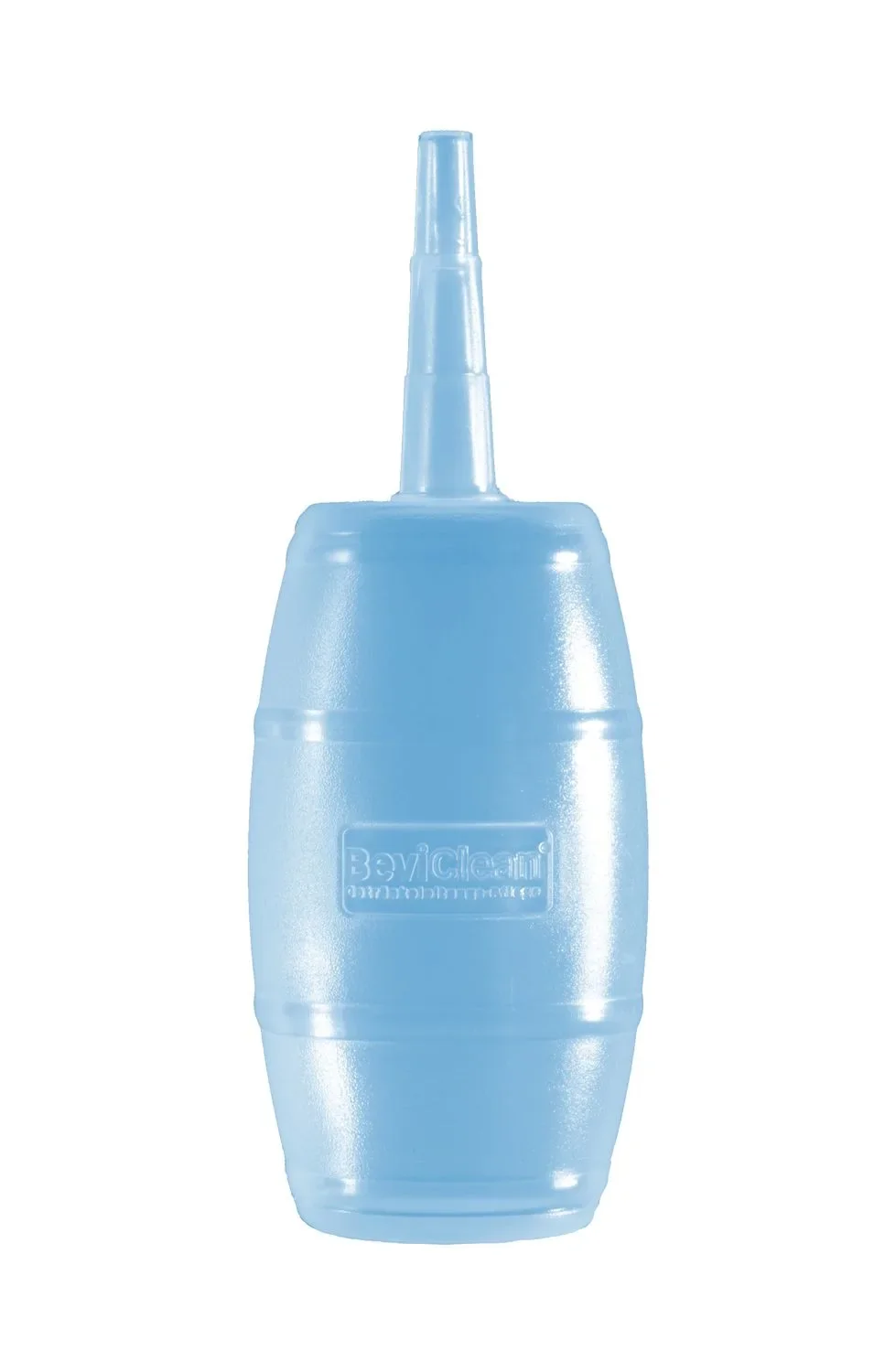
Rinse immediately with plenty of water after contact with fertiliser or building materials. Dry the panes after washing them. This prevents water spots in which minerals can become concentrated. For professional cleaning of hard-to-reach connections, such as taps, the
.
„The quality of the rinse water is crucial. Hard water with a high mineral content is a major cause. Where possible, use demineralised or soft water for the final rinse, especially on hot days when the water evaporates quickly.“
2. Protection from external influences
Create a buffer between the glass and potential hazards. Do not plant plants that require heavy fertilising directly next to panes. Protect glass during building work with tarpaulins from our range of tarpaulins + nets.
Make sure your garden irrigation system is working properly. It should not spray onto the panes. Check the seals on windows and doors. They keep moisture and dirt out.
Additional advice
For devices that use compressed gas, precise pressure is essential. Uncontrolled pressure can cause damage. A reliable product such as the
ensures consistent and safe operation, indirectly protecting your surroundings as well.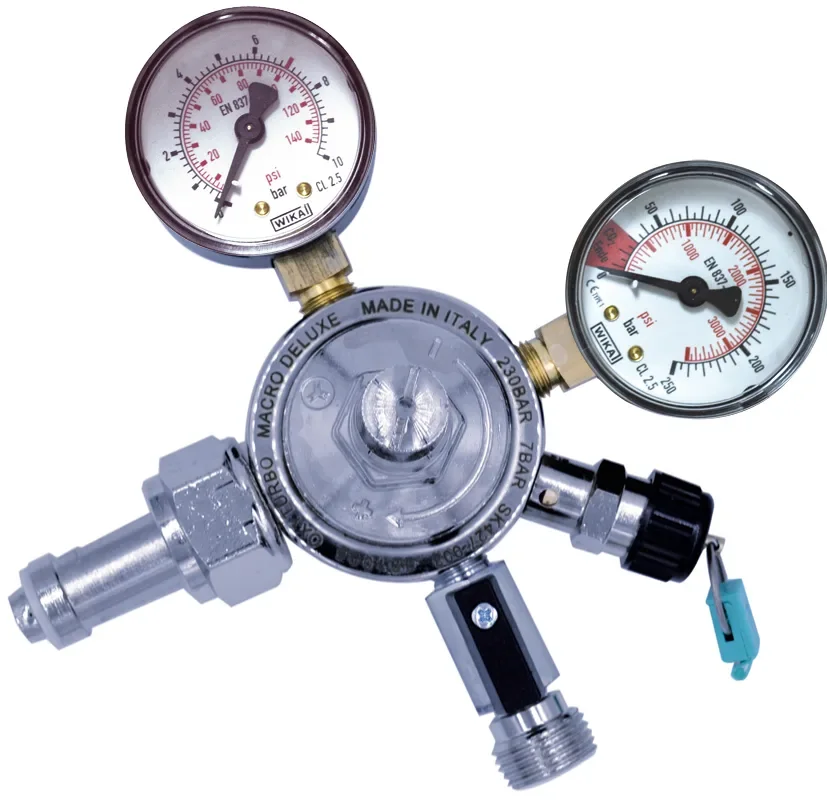
3. Choosing the right tools
Always use soft, clean cloths or sponges to clean glass. Microfibre cloths are ideal. Abrasive cleaners are a no-go. Invest in a good glass cleaner with a protective film.
For filter systems or wet and dry vacuum cleaners that help with cleaning, high-quality filter bags such as the
are essential. They reliably trap fine particles and ensure a clean result without residue.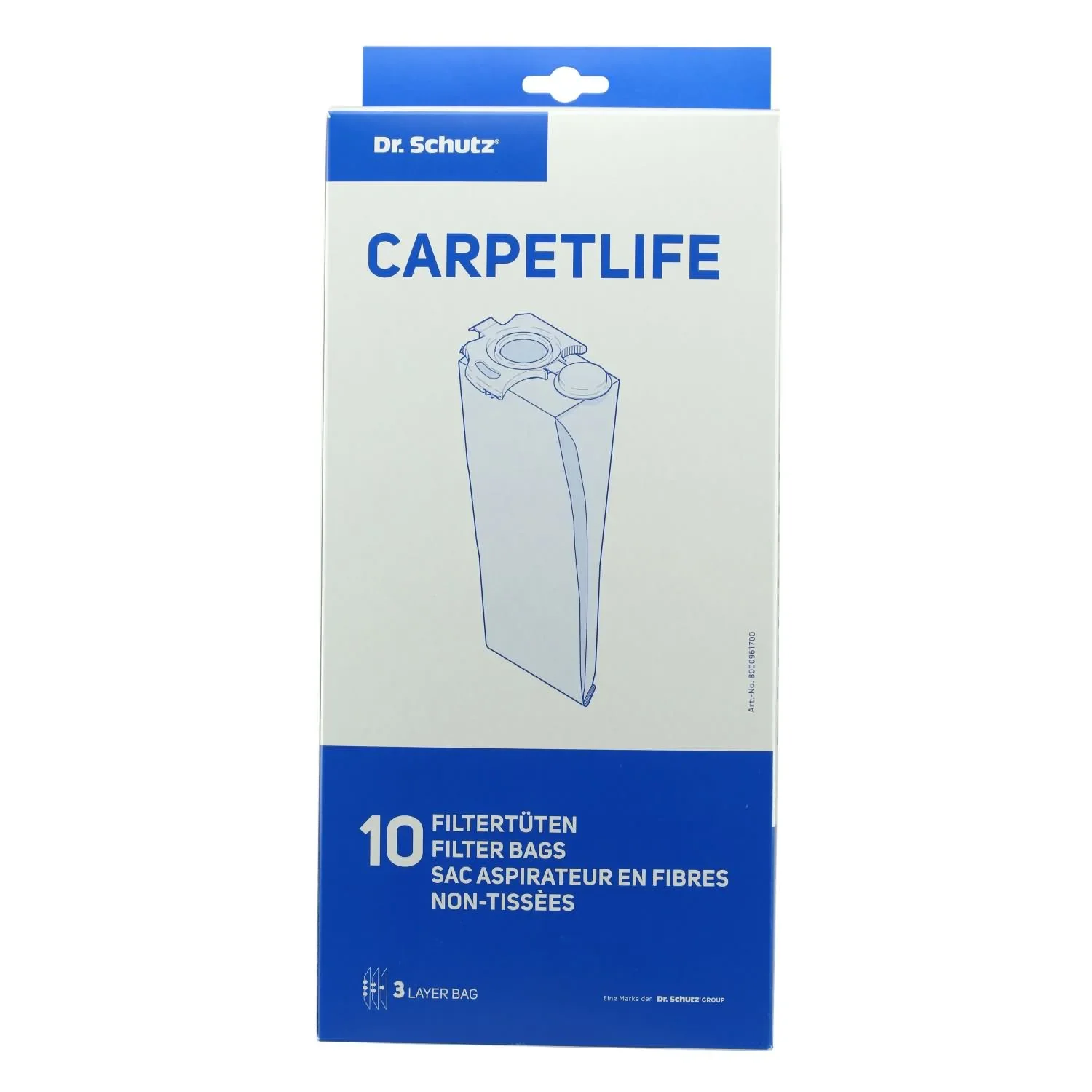
Particularly vulnerable areas: greenhouse and conservatory
Here, moisture, fertiliser and temperature fluctuations come together. The risk of corrosion is particularly high. Check the panes regularly inside and out.
Ventilate sufficiently to reduce condensation. This water can absorb fertiliser residue from inside and carry it onto the glass. Clean thoroughly before the winter season.
When is professional help needed?
When large areas are deeply corroded. If you are unsure about the polishing method. If the glass is a special type such as ESG or coated glass. A glazier can assess whether repair or replacement is the better option.
The cost of professional polishing is often lower than replacing the glass. Get a quote. Compare it with the price of a new pane.
Glass corrosion is an annoying but manageable problem. With the right cleaning technique and consistent prevention, you can keep your panes clear and transparent. Start treatment as soon as you notice the first signs. Well-maintained glass brings more light and quality of life into your home.
Frequently asked questions
- What exactly is glass corrosion?
- Glass corrosion appears as white, milky and often rough deposits on the glass surface. It is caused by chemical reactions in which alkaline substances such as concrete, fertiliser or hard water leach silicates from the glass. It is not ordinary limescale, but a permanent change to the surface.
- Can you remove glass corrosion with household remedies?
- You can try this for mild cases. A paste made from baking soda and lemon juice or vinegar has a mild abrasive and acidic effect. Apply it, leave it to work for a short time and polish carefully. Household remedies are often not enough for more severe corrosion, so specialist cleaners or polishes are required.
- Which mistakes should you avoid when cleaning glass?
- Avoid abrasive sponges, steel wool and sharp scrapers. Do not use aggressive alkaline cleaners such as drain or oven cleaner on glass. Rinse glass surfaces immediately with plenty of clean water after contact with fertiliser or concrete. Dry panes with a soft cloth after cleaning to prevent water spots.
- Does regular window cleaning protect against corrosion?
- Yes, consistent cleaning is the best protection. It removes aggressive residues such as fertiliser, bird droppings and stubborn dirt before they can cause a chemical reaction. Use special glass cleaners and soft cloths for this. Pay particular attention to panes near flower beds or greenhouses.
- Are all types of glass equally susceptible to corrosion?
- No. Float glass, which is used for many windows, is relatively susceptible. Speciality glass such as ESG (toughened safety glass) or coated glass is often more resistant. In the garden, greenhouse and patio panes are particularly at risk from fertiliser and weather exposure.
You may also be interested in
- How to clean a shower enclosure: streak-free glass
- How to remove limescale effectively
- How to clean a glass ceramic hob: tips for a brilliant shine
- Glass cleaner review & comparison 2026
- Windscreen coating: clear visibility in rainy weather
- How to remove urine scale: effective home remedies and expert tips