
In brief: Only remove mold from plaster yourself if it is limited to small, superficial areas: fix the source of the moisture, wear protective clothing, treat the area with a suitable cleaner and let it dry. Deep-seated mold, recurring stains, a musty smell or an area larger than about 0,5 m² require professional remediation.
Mold on wall plaster is not just unsightly. It almost always indicates a moisture problem. Simply painting over the stain only conceals the cause and risks the mold returning in the same spot or spreading to the surrounding masonry.
How can you remove mold from plaster?
For small, superficial areas, you can remove mold from plaster by following a clear process. First, look for the source of the moisture. Then secure the work area, put on suitable protective clothing and clean the surface while it is damp.
Many remediation guidelines use an area of about 0,5 square meters as a general limit for small areas that can be treated yourself. However, this limit is not the only factor. Deeply waterlogged plaster, recurring stains, a musty smell or mold behind wallpaper should be handled by a professional.
Follow these steps for small areas
- Check the cause: Inspect window reveals, exterior walls, areas around radiators, water pipes and adjoining rooms. First stop the water ingress or reduce condensation.
- Prepare the room: Close doors to other rooms and remove textiles, toys and food from the work area. Open the window to allow controlled air exchange.
- Put on protective gear: Wear disposable gloves, safety goggles, long-sleeved clothing and a respirator mask with a suitable particle filter. Children, pets and sensitive people should stay out of the room during cleaning.
- Clean the surface while damp: Carefully loosen the growth with a moistened disposable cloth. Avoid dry brushing, as it spreads spores and dust throughout the room.
- Assess the substrate: After cleaning, check whether the plaster is firm and dry. Soft, sandy or deeply discolored plaster cannot be permanently saved with a surface treatment.
Pro tip
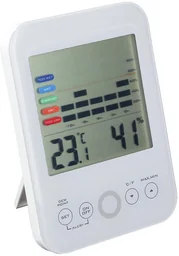
Check the relative humidity before and after cleaning with the . If the humidity remains above 60 percent for an extended period, continue looking for a structural cause or improve ventilation and heating.
Why does mold develop on interior walls?
Mold on an interior wall needs moisture, a suitable surface and sufficient time to grow. Visible patches often appear on cold exterior walls, in room corners, behind furniture or around window reveals. In these locations, the surface temperature can quickly fall below the dew point of the room air.
The most common causes at a glance
- Condensation: Warm, humid indoor air condenses on cold wall surfaces. This is particularly common with poorly insulated exterior walls, thermal bridges and windows left tilted open throughout winter.
- Leaking pipes: Small leaks in heating, water or drain pipes can dampen plaster unnoticed. Stains near bathrooms, kitchens or downpipes therefore deserve particular attention.
- Moisture from outside: Damaged facades, leaking connections, driving rain or defective roof drainage can allow water to enter the wall. The plaster then remains damp even with regular ventilation.
- Rising damp: Moisture from the ground can travel upward through masonry. Salt deposits, peeling paint and a musty smell indicate deeper damage.
- Insufficient drying: After water damage, the entire wall structure must dry completely. Surface cleaning does not end the problem if screed, insulation or cavities remain damp.
If you suspect pipe damage, check the connections and adjoining building components. You can find information about pipes and drainage in the Plumbing + Irrigation section. The house drainage pipe system is also a suitable starting point for drains and pipe connections.
How can you identify the cause?
| Observation | Possible cause | First step |
|---|---|---|
| Stains around a window reveal or exterior corner | Condensation or thermal bridge | Measure humidity, heat the room and keep the area clear |
| Damp area near a bathroom or kitchen | Leak, leaking joint or connection | Check pipes and adjoining rooms |
| Salt deposits and crumbling plaster | Moisture penetrating the masonry | Arrange for moisture measurement and a structural inspection |
| Musty smell without a visible stain | Hidden mold behind coverings or furniture | Move furniture away from the wall and have the area professionally inspected |
Important note
Do not open a waterlogged wall after pipe or flood damage without protective equipment and a plan. Larger areas of mold may be hidden behind wallpaper, plasterboard or insulation. In the event of water damage, shut off the affected pipe and have the structure inspected.
The source of the moisture must be identified and eliminated to ensure lasting remediation.
Which home remedies help against mould in plaster?
Home remedies can help with small, superficial patches. They do not replace drying and do not reliably penetrate porous plaster. Choose the product according to the substrate and test it first in an inconspicuous area.
Alcohol for small, superficial patches
70% ethanol or isopropanol is suitable for small areas on suitable, solid surfaces. Soak a cloth, carefully wipe the area and then dispose of the cloth in a sealed bag.
Alcohol is highly flammable. Work in a well-ventilated area, keep sources of ignition away and do not spray the product over a large area of the room. Do not use alcohol as the only solution for deeply waterlogged or crumbling plaster.
Hydrogen peroxide and ready-to-use cleaners
A low concentration of hydrogen peroxide can be used on small, superficial deposits, provided the substrate is compatible with the product. The liquid can bleach colours and irritate the skin or eyes. Wear protective clothing and never mix it with other cleaners.
A ready-to-use mould remover provides clear application instructions and is formulated for specific substrates. Read the label in full. Chlorine-based products must not be used in poorly ventilated rooms and must never be combined with acids, vinegar or ammonia-based cleaners.
Why vinegar and baking soda are not universal solutions
Vinegar is not a blanket recommendation for mineral wall plaster. The acid can react with alkaline building materials, damage the surface and intensify the odour. Baking powder or baking soda can loosen surface dirt, but they do not remove deep-seated moisture or plaster that has been penetrated by mould.
Which products are suitable for spot cleaning?
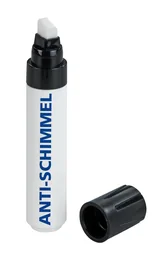
The is suitable only for small, clearly defined areas approved by the manufacturer. An anti-mould pen does not replace checking the cause or replacing porous materials. Follow the instructions regarding the substrate, contact time, ventilation and disposal.
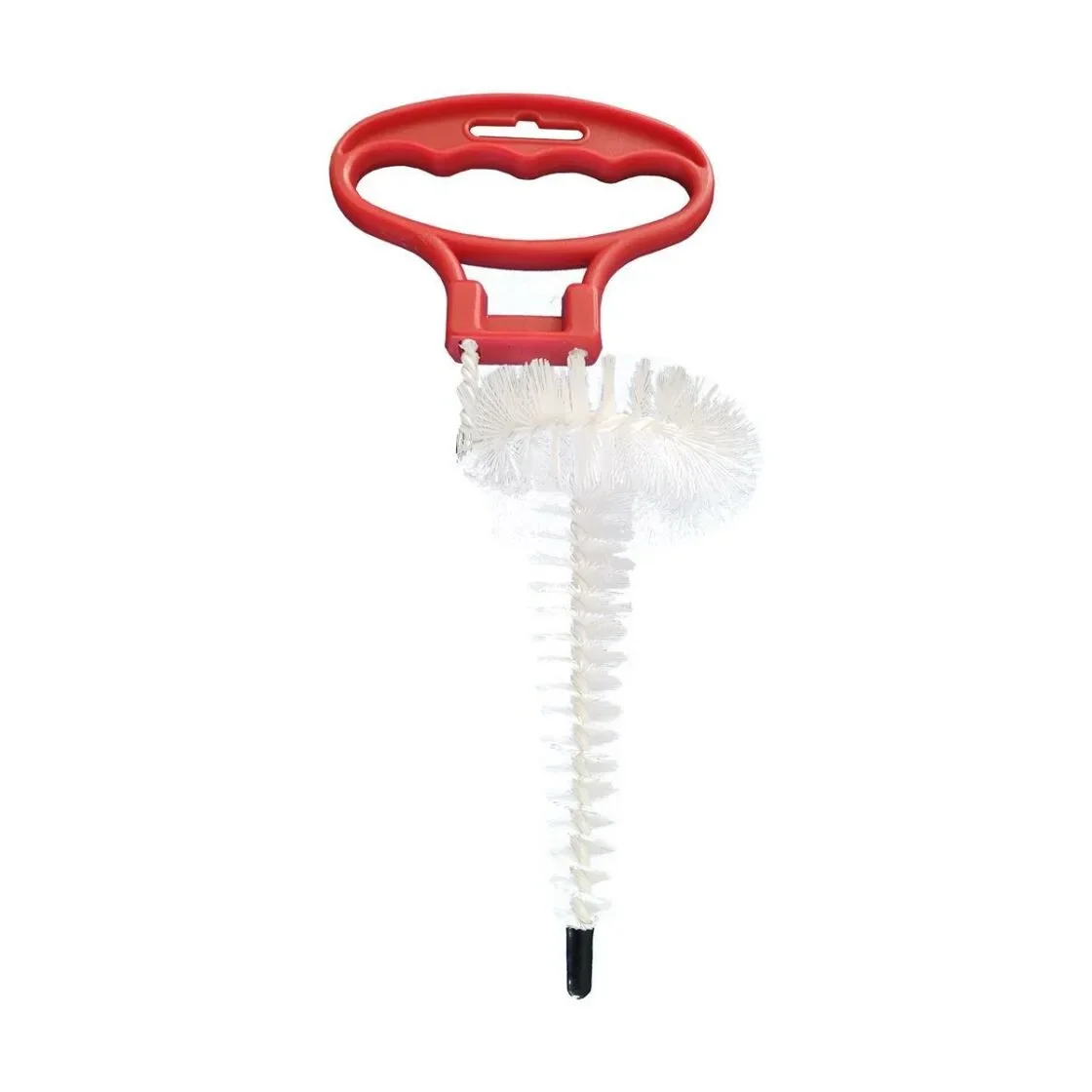
The is intended for keg couplers according to the product description. It is therefore not a standard recommendation for wall plaster. Only use such a robust brush on plaster if the substrate is solid, resistant and non-porous. For soft plaster, use a damp disposable cloth and have the remediation assessed by a professional.
Additional advice
Do not treat wallpaper, plasterboard and highly absorbent insulation materials with spray alone. These materials absorb moisture and spores. Remove contaminated sections in a controlled manner, package them with minimal dust and only rebuild the structure once it is completely dry.
How do you professionally remediate wall plaster?
If the mould has penetrated the wall structure, cleaning the surface is not enough. You must then remediate the wall plaster and remove the affected area back to a solid, dry substrate. This is particularly important with porous plaster, detached layers and recurring stains.
Superficial deposits or badly damaged plaster?
Solid plaster with a thin, superficial deposit can often be cleaned once the cause has been eliminated. If the surface is crumbling, sounds hollow when tapped or remains dark and damp, the damage is deeper. In that case, carefully remove loose layers, wallpaper and heavily contaminated boards.
A clean edge alone does not guarantee successful remediation. Check the surrounding area for odours, discolouration and moisture. If mould is hidden behind furniture, built-in units or wall coverings, the area must be opened up by a qualified professional.
The correct remediation process
- Isolate the area: Close doors and protect adjacent surfaces. Avoid creating unnecessary dust and do not carry contaminated material openly through the home.
- Remove damaged layers: Strip soft or mould-penetrated plaster back to the sound substrate. Package the material with minimal dust and clean the tools thoroughly afterwards.
- Stop the moisture: Repair leaks, seal connections or improve the thermal and moisture conditions. Without this step, the mould will return.
- Dry the wall: Allow the substrate to dry sufficiently. Moisture readings, odour and the surface must stabilise before rebuilding.
- Restore the substrate: Replace missing plaster with a suitable, preferably mineral-based system. Lime or silicate products may be appropriate depending on the wall structure, but they do not replace structural waterproofing.
- Coat the surface: Prime and paint only once the substrate is dry and sound. Impermeable wallpaper or unsuitable emulsion coatings can hinder drying.
Wear suitable protective clothing when removing and cleaning materials. In the Business Supplies section, you will find suitable equipment and cleaning supplies for work around the home.
When does mould removal in the home require a professional?
Professional mould removal in the home is necessary when the damage is extensive, keeps returning or suggests a structural cause. The location also matters: mould in bedrooms, children's rooms, ventilation systems or difficult-to-access cavities requires particularly careful assessment.
These cases require professional help
- The affected area covers more than approximately 0.5 square metres.
- The plaster is soft, crumbling, flaking or remains damp despite ventilation.
- The mould reappears after cleaning.
- A leak, roof damage or flooding has caused the wall to become saturated.
- You can smell mould but cannot identify the cause or see a visible patch.
- Residents develop symptoms or belong to a particularly vulnerable group.
- The affected home is rented and the cause cannot clearly be attributed to the occupant's behaviour.
A specialist company will determine the extent of the damage, measure the moisture and inspect the wall structure. Depending on the situation, it may open up structural elements, dry the construction professionally and determine which materials need to be removed. Laboratory analysis is not necessary for every visible mould infestation, but it can be useful in unclear or unusual cases.
Mould cannot be permanently removed by simply painting over it. The key is to eliminate the cause of the moisture.
How can you prevent mold from returning on an interior wall?
After cleaning or remediation, your indoor climate determines whether the interior wall stays dry. Heat rooms evenly and air out humid air briefly and thoroughly by opening the windows wide. Windows left tilted open continuously cool down building components and do not replace effective air exchange.
These measures keep the wall dry
- Control humidity: Keep relative humidity ideally between 40 and 60 percent. Take extra care to measure it in bedrooms, bathrooms, basements and little-used rooms.
- Air out rooms in the morning and after showering: Open the windows fully and create a cross-draft if possible. Keep the bathroom door closed while showering and vent the humid air outside.
- Move furniture away from the wall: Leave a gap of several centimeters between furniture and cold exterior walls. This allows air to circulate behind cabinets and beds.
- Dry laundry properly: Dry laundry outside your living areas whenever possible. If this is not possible, ventilate the room thoroughly and close the door to the rest of the living space.
- Inspect building components: Check window seals, joints, roof connections and visible pipes regularly. Small leaks are easier to repair than a wall structure that has become waterlogged.
Check the wall regularly during the first few weeks after remediation. New stains, a persistent odor or rising humidity are not normal after-effects. Act early, before mold penetrates the plaster and adjacent building components again.
A dry surface does not come from paint alone. It results from eliminating the source of moisture, having a sound wall structure and maintaining an indoor climate that permanently prevents condensation.
Frequently Asked Questions
- Can I remove mold from plaster myself?
- Yes, you can clean a small, superficial area yourself. Wear gloves, safety goggles and a respirator, eliminate the source of moisture first and work with a damp method. If mold keeps returning, the plaster is porous, there is a strong odor or the affected area is larger, hire a professional contractor.
- Does vinegar kill mold on interior walls?
- Vinegar is not generally suitable as a home remedy for mineral wall plaster. Its acidity can react with alkaline building materials, cause odors and damage the surface. Depending on the substrate, 70% alcohol or a suitable product used according to the manufacturer's instructions may be appropriate for small, superficial areas.
- When do I need to have the wall plaster repaired?
- You should have the wall plaster repaired if the mold is deeply embedded, keeps returning, appeared after water damage or covers a larger area. Completely remove porous materials that are overgrown with mold. A professional contractor will assess the moisture, determine the extent of the damage and then rebuild the substrate.
- How can I prevent mold from returning in my home?
- Heat rooms evenly, air them out briefly and thoroughly several times a day, and keep furniture a few centimeters away from exterior walls. Monitor relative humidity with a hygrometer. If it frequently stays above 60 percent, look for leaks, thermal bridges or excessive indoor humidity.
- Which types of mold are dangerous?
- Not every dark spot is mold, and its color does not reliably indicate how dangerous it is. The relevant factors are the extent, duration, cause of the moisture and the occupants' sensitivity. Children, allergy sufferers and people with weakened immune systems should avoid affected rooms. If in doubt, a professional can identify the type of mold and determine the scope of remediation.
You may also be interested in
- Mold removal: How to work properly with building materials
- Prevent mold: Stop moisture with insulation boards and plaster
- Mold removal: Address the causes and prevent it from returning
- Mold in masonry? Identify and address the causes
- Mold in the house: Can chlorine be used to combat it?
- Types of mold in the home: How to identify and remove them