
In brief: Remove pool algae by combining mechanical cleaning, chemical treatment and preventive measures. Brush the affected surfaces, vacuum up the loosened algae and restore the chemical balance with chlorine or special algaecides. Proper filter run times and regular pH checks are essential for keeping algae away in the long term.
Remove Pool Algae: Effective Home Remedies & Tips
Green, cloudy water can quickly turn a refreshing pool into an unappetising mess. Algae are not just an eyesore; they can make surfaces slippery and affect water quality. The good news is that the right strategy will soon have your water sparkling again.
The key is a three-part approach combining mechanics, chemistry and prevention. You need to remove the algae physically, stabilise the water chemically and adjust the conditions so they do not return.
Start by assessing the situation. Is there just a slight greenish tinge, or is the water densely cloudy? The severity of the infestation determines what you should do next.
First steps when algae appear
Before using chemicals, take care of the basic work. This saves time and treatment products later. First, check your filter. Is the filter basket empty? Is the sand filter clean, or does it need backwashing? A blocked filter can make the problem worse.
Next, thoroughly brush the pool walls and floor. This loosens the algae from the surfaces so they can be picked up and filtered out of the water. A robust pool brush such as the
is ideal for the job.
Expert tip
When dealing with green algae, brush systematically from top to bottom. Start at the waterline and work your way down to the deepest point. This stirs up less sediment, which would otherwise need time to settle again.
After brushing, run the filter pump for several hours to collect the loosened particles. Then manually vacuum up any remaining dirt from the floor. Set the filter valve to “Waste” or “Drain” to discharge the dirty water directly instead of putting extra strain on the filter.
How do I tackle algae chemically?
Mechanical cleaning removes visible algae, but not the spores in the water. This is where chemical treatments come in. Your most important ally is chlorine. It disinfects the water and destroys organic substances.
For severe infestations, carry out a chlorine shock treatment. To do this, add a significantly higher amount of chlorine granules or tablets than usual. Follow the manufacturer's instructions for your pool volume precisely. Keep the pump running during treatment and for at least 24 hours afterwards.
“The effectiveness of chlorine depends directly on the pH level. If it is too high (above 7.6), chlorine only works to a fraction of its potential. Always adjust the pH to the ideal range of 7.0 to 7.4 before any chemical treatment. This is the most important step that many people overlook.”
There are also special algaecides. These products attack algae metabolism and help prevent regrowth. An algaecide such as
can help prevent regrowth after basic cleaning.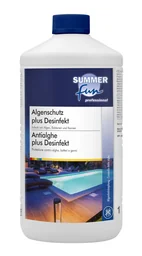
For stubborn cases or additional support, a specialised algae remover can also be useful. A concentrate such as
targets green growth and can be applied to affected areas.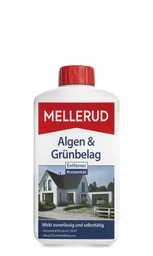
Important note
Never mix different pool chemicals directly with one another! This can cause dangerous chemical reactions. Always add products to the pool water one after another, leaving enough time between treatments, ideally with the pump running to ensure good distribution.
Home remedies for pool algae
For light infestations or as a supplementary measure, home remedies may be an option. Their effectiveness is limited, but they are worth a try.
White vinegar can slightly lower the pH level and may help with light deposits around the waterline. However, add only small amounts and test the pH afterwards to prevent it from dropping too far.
Baking powder or baking soda, on the other hand, can raise the pH level if it is too low. It does not combat algae directly; it simply creates the conditions needed for chlorine to work effectively.
An old home remedy is to add barley straw. This may sound unusual, but barley releases small amounts of hydrogen peroxide, which inhibits algae. However, the effects are minimal and cannot compare with professional treatment.
Why is filtration so important for controlling algae?
A pool filter is the kidney of your swimming pool. It removes not only coarse dirt, but also the finest algae spores and suspended particles. Without a properly functioning filtration system, every other attempt to combat algae is doomed to fail.
In summer, the filter pump should run for at least 8 to 10 hours a day. In extreme heat or after heavy use, it should run even longer. Continuous circulation prevents algae from taking hold in quiet corners.
Check the filter pressure regularly. If it rises significantly above the normal level, it is time to backwash the filter (for sand filters) or clean it (for cartridge filters). A clogged filter can no longer provide clean water.
Additional advice
For particularly fine filtration, you can add diatomaceous earth to your sand filter as a filter aid. These fossilised algae create a finer filter bed and can retain even the smallest particles that would otherwise remain in the water. A clear recommendation for crystal-clear water.
Do not forget the peripheral components. A blocked skimmer or a sluggish vacuum hose can impair the performance of the entire system. Keep all water pathways clear.
Proper water care as the foundation
Algae are plants. They need nutrients, light and warm water to grow. Water care aims to minimise these factors.
Test your water at least twice a week. A simple test strip provides readings for chlorine, pH and alkalinity within seconds. Record the values to identify trends.
pH is the control centre of your water chemistry. Keep it stable between 7,0 and 7,4. The correct pH level optimises chlorine's disinfecting effect, protects your pool equipment and is comfortable for skin and eyes.
“Many pool owners only treat the symptoms – the green algae. The real cause almost always lies in neglecting the basic parameters. A weekly check of pH and chlorine is not optional, but essential. Prevention is ten times easier here than dealing with a full-blown algae infestation.”
Remove organic nutrients consistently. This means skimming leaves, insects and other dirt from the surface every day. Shower before swimming to reduce sunscreen and sweat. Every little reduction in organic matter deprives algae of their food source.
How can I prevent algae in my pool permanently?
The best way to combat algae is to prevent them from appearing in the first place. With a smart prevention strategy, you save yourself work, chemicals and frustration.
The most important measure is a pool cover. It not only keeps dirt out, but also reduces the sunlight that massively accelerates algae growth. It also reduces the evaporation of water and chemicals.
During the main season, carry out regular shock treatments, even if the water appears clear. Weekly shock chlorination breaks down chlorine-resistant compounds and keeps the water hygienically clean.
Remember hard-to-reach areas. Ladders, light niches and return jets are popular places for algae to grow. Brush these areas thoroughly during your weekly cleaning routine.
A tried-and-tested way to stabilise the water over the long term is to use algaecides. They form a protective film and make it more difficult for algae to adhere. They are a useful supplement, but do not replace basic pool care.
Products to support algae prevention
In addition to conventional chemicals, there are supporting products. Algae lime, such as
, can be used in the garden to improve soil. Its direct effect in the pool itself is limited, but it shows how versatile algae products can be.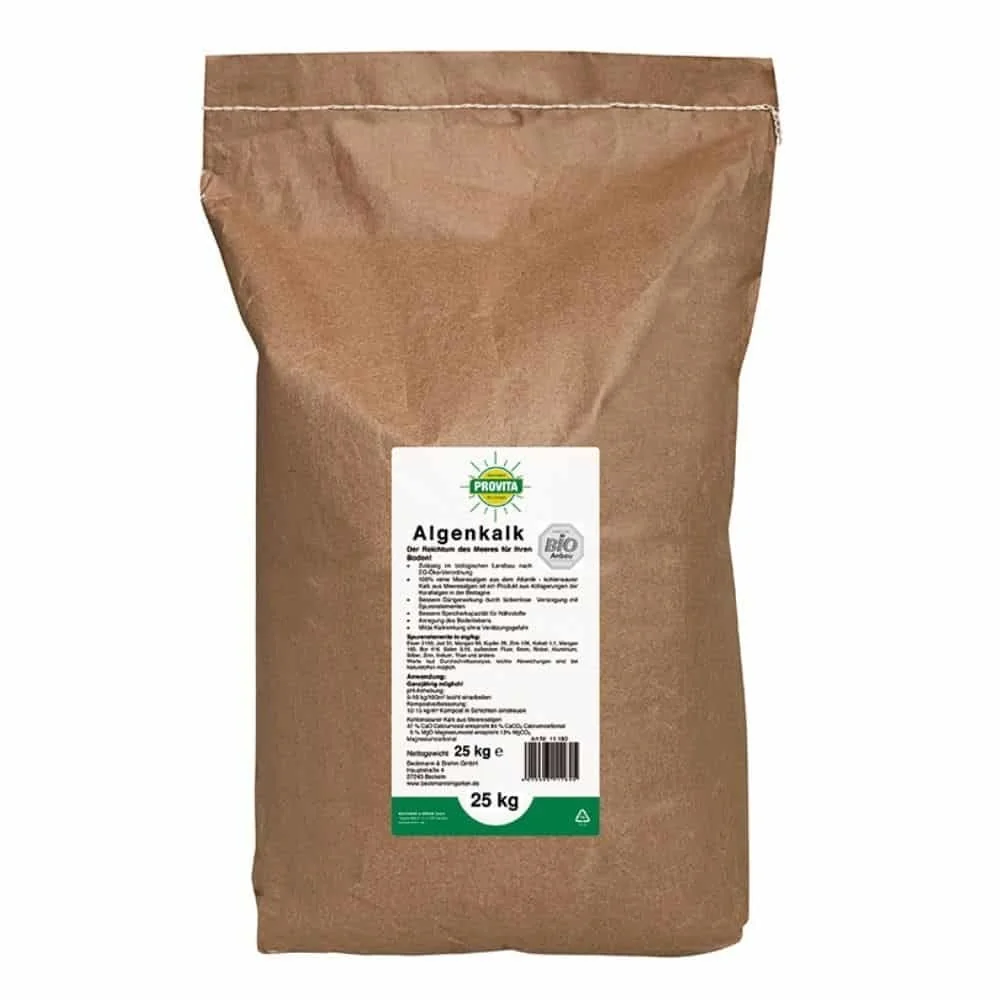
For the area around your pool and to combat algae on patios or near the pool, a Garden + Outdoor product such as a moss and algae remover for stone surfaces can be useful. This prevents spores from being carried in from outside.
Make sure your technical equipment is suitable for prevention. A powerful garden hose makes topping up and rinsing easier. High-quality PVC fittings + connectors ensure a tight and reliable water supply for your filtration system.
Consistent pool care is a small, regular effort. It prevents the major, frustrating battle against green water. Rely on a systematic approach and prevention, and nothing will stand in the way of carefree swimming.
Frequently Asked Questions
- What is the fastest way to clear green pool water?
- The fastest way is shock chlorination. Add a high dose of chlorine (e.g. chlorine granules) to the pool, run the pump for 24 hours and then vacuum up the dead algae with a pool vacuum. Remember to adjust the pH to 7.0-7.4 beforehand, as chlorine will otherwise be ineffective.
- Can algae be removed from a pool without chemicals?
- Yes, home remedies can help with light algae growth. Brush the algae off the walls and floor. Filtering for several hours with diatomaceous earth instead of sand can remove even the finest particles. Adding hydrogen peroxide (do not combine with chlorine!) has an oxidising effect. However, a permanent solution without any chemicals is difficult in strong sunlight and warm temperatures.
- Why do algae keep coming back in the pool?
- Recurring algae indicate an imbalance in the pool water. Common causes include a chlorine level that is too low, an incorrect pH value, insufficient filter run time (less than 8 hours a day in summer) or organic nutrients such as leaves, sunscreen residue or pollen. Check and optimise these factors systematically.
- How long does it take for the pool to be usable again after algae treatment?
- After shock chlorination, you should wait until the chlorine level has dropped back to normal (1.0-3.0 mg/l). This can take 24-48 hours. Test the level with a pool tester. Swimming is only safe once the chlorine level is within the safe range and the water is crystal clear again.
- Does a pool cover prevent algae growth?
- Yes, a high-quality pool cover is one of the most effective preventative measures. It keeps leaves and dirt out, reduces exposure to sunlight (which promotes algae growth) and minimises chemical consumption. Use the cover consistently whenever the pool is not in use.
You may also be interested in
- Effectively combat and prevent pool algae
- Effective pool care: crystal-clear swimming in your own garden
- Foam in the pool: identify the causes and remove it effectively
- Spring pool cleaning: get ready for the swimming season
- Remove rust stains: effective tips for your home and garden
- Too much chlorine in the pool? How to rebalance the water